Orbán Election Loss Sends Political Shockwaves to Trump, US Conservatives/ Newslooks/ WASHINGTON/ J. Mansour/ Morning Edition/ Hungarian Prime Minister Viktor Orbán’s election defeat is sending ripple effects across U.S. politics, particularly among conservatives aligned with President Donald Trump. Orbán had become a global symbol for right-wing governance, closely supported by Trump and American conservatives. Analysts say the loss highlights limits of political power and rising global dissatisfaction with incumbents.
Orbán Election Loss Quick Looks
- Viktor Orbán loses after 16 years in power
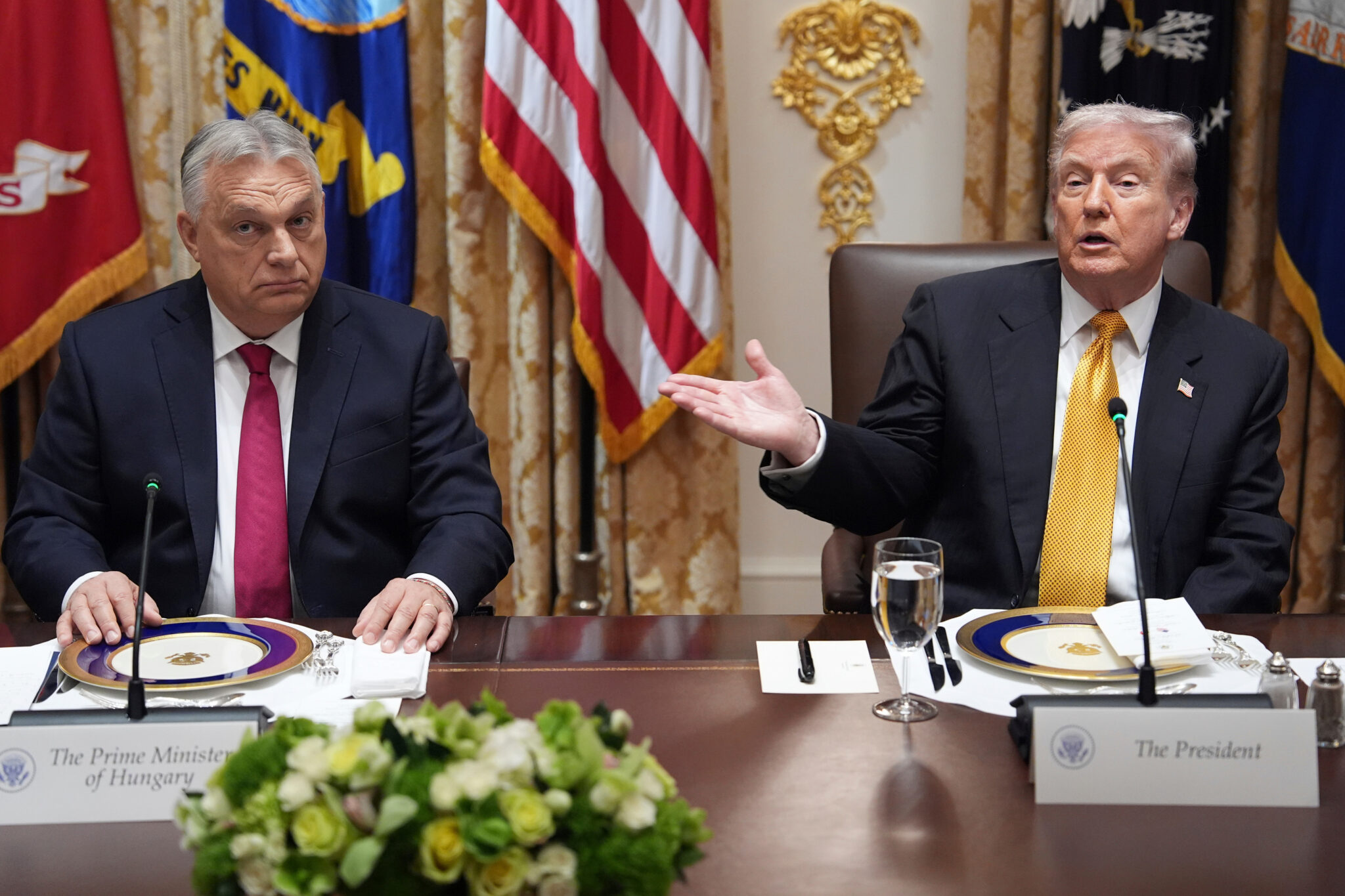
- President Donald Trump strongly supported Orbán
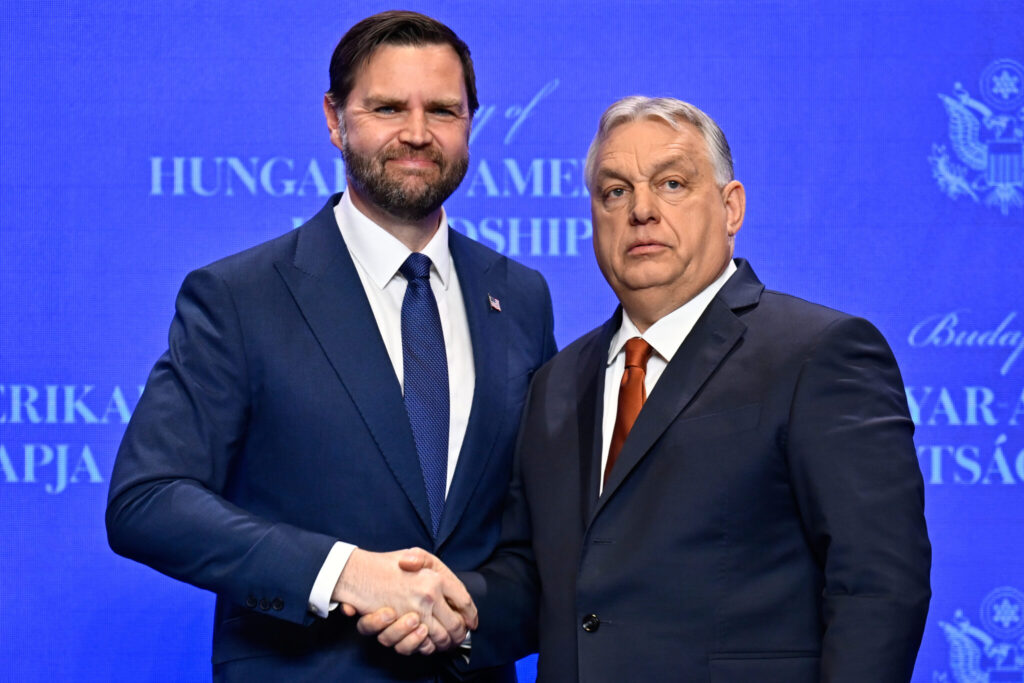
- Vice President JD Vance campaigned in Budapest
- Orbán seen as icon among global conservatives
- Loss signals challenges for Trump-style governance
- Republicans and Democrats react to Hungarian vote
- Analysts cite global anti-incumbent sentiment
- Orbán blocked EU aid to Ukraine
- Hungary labeled “electoral autocracy” by EU
- Conservatives cite inflation and war impacts
- Democrats draw parallels to U.S. elections
- Trump remained silent after results
Deep Look: Orbán’s Defeat Sends Political Ripples Across Washington
Hungarian Prime Minister Viktor Orbán’s election defeat over the weekend is reverberating far beyond Europe, sending political shockwaves through Washington and among U.S. conservatives who long viewed the Hungarian leader as a model for right-wing governance.
While Hungary is geographically distant from the United States, Orbán’s political influence has extended deeply into American conservative circles, particularly among allies of President Donald Trump. Orbán’s defeat after 16 years in power raises new questions about the durability of populist leadership and the limits of political control in democratic systems.
Trump’s Strong Support for Orbán
President Donald Trump had openly backed Orbán’s reelection effort. In a striking move, Trump dispatched Vice President JD Vance to Budapest shortly before the election to campaign for the incumbent — even as the administration remained engaged in the ongoing Iran war.
The gesture underscored how closely aligned Trump and Orbán had become. Both leaders pursued similar political strategies, including efforts to reshape media landscapes, judicial systems, and electoral structures to maintain long-term political dominance.
Despite this high-profile support, Orbán’s defeat highlighted limits to international political influence and the growing dissatisfaction voters worldwide feel toward long-serving leaders.
Steven Levitsky, a Harvard political scientist and coauthor of How Democracies Die, said the result demonstrates that opposition movements can still succeed.
“Oppositions can win despite a tilted playing field,” Levitsky said, noting that both democracies and authoritarian-leaning systems face increasing instability.
Global Implications for Ukraine and Europe
Orbán’s defeat also carries broader geopolitical implications. The Hungarian leader had been one of Russian President Vladimir Putin’s closest allies in Europe and frequently blocked European Union assistance to Ukraine following Russia’s 2022 invasion.
His loss could pave the way for Hungary to adopt a more cooperative stance within the EU, particularly on Ukraine funding and sanctions against Russia.
The election outcome was welcomed across political lines in the United States. Some Republicans used the moment to criticize Trump’s overt involvement in Hungary’s election.
Republican Rep. Don Bacon of Nebraska urged restraint, writing on social media that leaders should avoid interfering in democratic elections abroad.
Sen. Roger Wicker, a Mississippi Republican, praised Hungary’s voters, saying they had chosen democracy and rule of law.
Conservative Movement Reactions
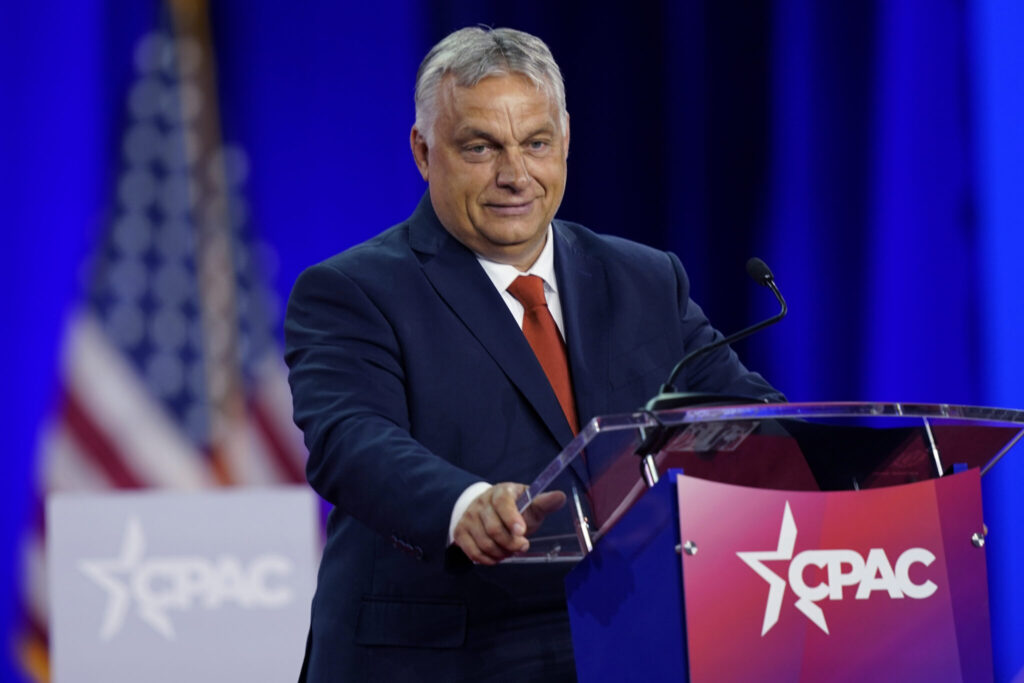
Orbán had become a central figure for American conservatives, particularly through events hosted by the American Conservative Union. The Conservative Political Action Conference (CPAC) held events in Budapest, cementing Hungary’s status as a gathering point for global conservative leaders.
Orbán himself addressed CPAC in Dallas in 2022, strengthening ties with U.S. conservatives.
Matt Schlapp, chairman of the American Conservative Union, said Orbán’s defeat reflected a broader democratic pattern.
“Eventually, democracies just want change,” Schlapp said, suggesting economic struggles, inflation, and war-related instability contributed to voters seeking new leadership.
Schlapp also pointed to global energy market disruptions tied to the Iran conflict as a factor that may have weakened Orbán’s standing.
Orbán’s Political Legacy
Orbán’s political career began as an anti-communist activist before he first became prime minister in 1998. After losing power in 2002, he returned in 2010 with a strategy designed to consolidate authority.
Under Orbán’s leadership, Hungary adopted what he called “illiberal democracy.” His government:
- Built barriers to block migration
- Limited LGBTQ+ rights
- Restructured judiciary appointments
- Redrew electoral districts
- Consolidated media ownership
Orbán’s Fidesz party used its parliamentary majority to rewrite Hungary’s constitution and extend control over institutions.
The European Union later classified Hungary as an “electoral autocracy,” citing concerns over democratic backsliding.
Despite criticism, Orbán’s supporters argued he maintained democratic legitimacy. Orbán quickly conceded defeat following the election.
Democrats Draw Parallels to U.S. Politics
Democrats in Washington quickly linked Orbán’s defeat to U.S. political dynamics.
Rep. Ro Khanna of California challenged Vice President Vance, questioning whether he would accept defeat in a future election.
Political analyst Ian Bassin said Orbán’s loss demonstrates that voters can overcome entrenched political systems.
“Even a guy who rigs the system can be defeated when people unite,” Bassin said.
Sen. Chris Van Hollen of Maryland said Orbán’s governance resembled Trump’s political approach and suggested Hungarian voters rejected that model.
“My read of the election is that the people of Hungary rejected that,” Van Hollen said.
Trump’s Silence
Despite his strong support for Orbán, Trump did not publicly comment on the election results Sunday, leaving observers to speculate about the political implications for his administration and allies.
Orbán’s defeat marks a significant moment not only for Hungary but also for global conservative politics, highlighting the volatility of political movements and the enduring power of voter sentiment.