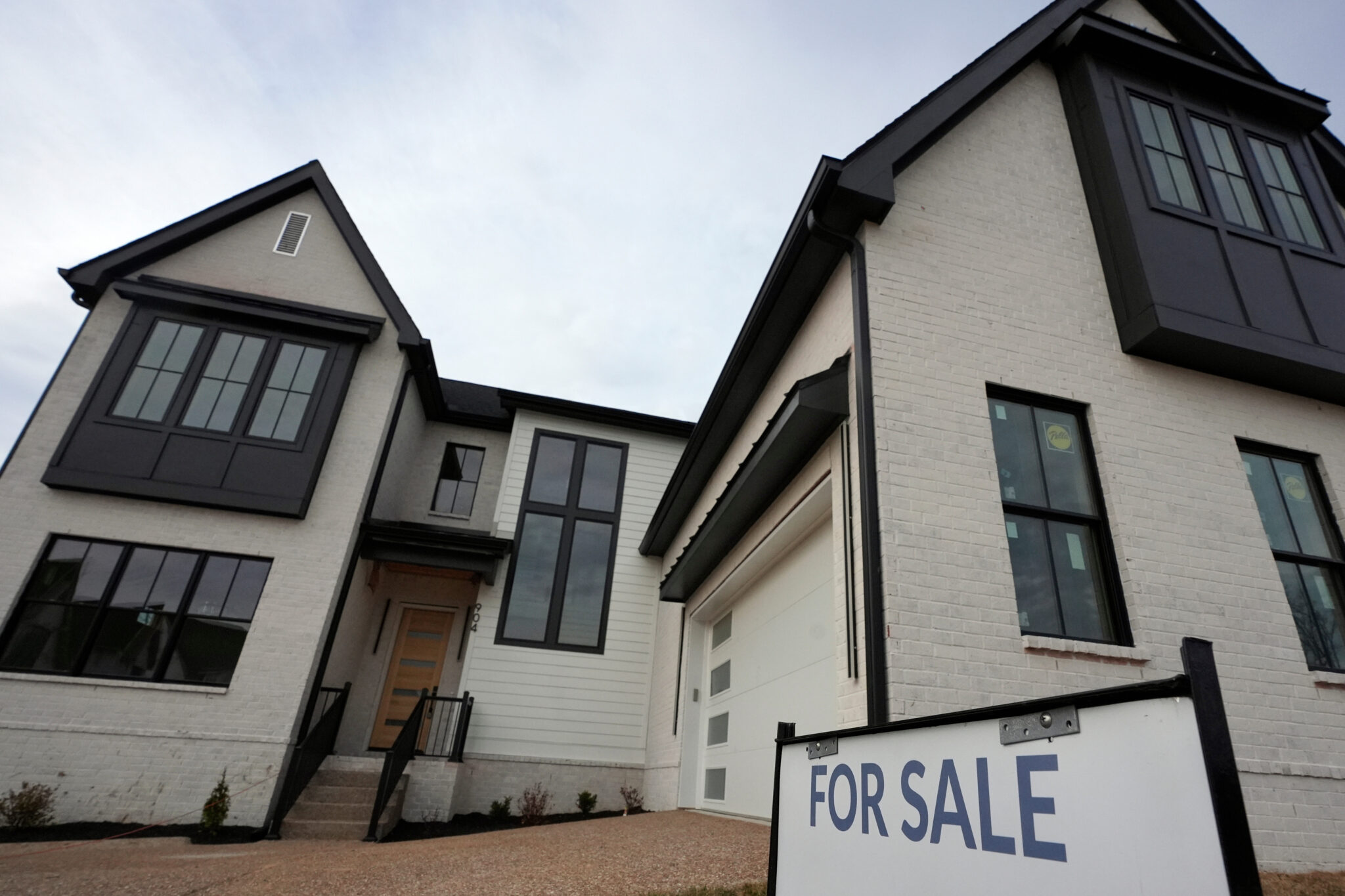
US Home Sales Fall 3.6% in March as Spring Market Slows/ Newslooks/ WASHINGTON/ J. Mansour/ Morning Edition/ U.S. home sales declined in March, marking a slow start to the spring homebuying season despite easing mortgage rates. Weak consumer confidence, limited housing supply, and rising prices continue to challenge buyers. Economists warn uncertainty around mortgage rates could dampen housing activity further.
US Home Sales March Quick Looks
- Existing home sales fall 3.6% in March
- Annual pace drops to 3.98 million homes
- Sales decline 1% compared to last year
- Median home price hits $408,800 record
- Mortgage rates rise again amid Iran conflict
- Consumer confidence weakens housing demand
- Inventory rises but remains below normal
- First-time buyers continue to struggle
- Northeast sees strong price growth
- Housing market still sluggish since 2022
- Spring homebuying season starts slowly
- Economists cut 2026 housing forecast
Deep Look: US Housing Market Starts Spring Slowly
U.S. home sales slowed in March, signaling a sluggish start to what is typically the busiest season for the housing market. Despite slightly lower mortgage rates earlier in the year, buyers remained hesitant amid economic uncertainty, rising home prices, and limited inventory.
Sales of previously owned homes dropped 3.6% from February to a seasonally adjusted annual rate of 3.98 million units, according to the National Association of Realtors. The figure also marked a 1% decline compared with March last year and came in below economists’ expectations of approximately 4.06 million units.
Weak Confidence Holding Back Buyers
Economists say declining consumer confidence is playing a major role in slowing demand. Concerns about job growth and economic conditions have made prospective buyers more cautious.
Lawrence Yun, chief economist at the National Association of Realtors, said weaker sentiment continues to weigh on housing activity.
A measure of Americans’ short-term economic expectations dropped to 70.9, marking the 14th consecutive month below 80 — a level often associated with potential recession risks.
Home sales have hovered near a 4-million annual pace since 2023, well below the historical norm of around 5.2 million annual sales.
Home Prices Continue Rising
Even as sales slowed, home prices continued climbing. The median existing-home price rose 1.4% from a year earlier to $408,800 — the highest March level recorded since tracking began in 1999.
Home prices have now increased year-over-year for 33 consecutive months.
The housing market has struggled since 2022, when mortgage rates climbed sharply from pandemic-era lows. Sales fell to 30-year lows last year and remain sluggish in 2026.
Although price growth has slowed in some metro areas, housing affordability remains a major challenge — particularly for first-time buyers.
Mortgage Rate Volatility Adds Uncertainty
Mortgage rates had been easing earlier this year, helping lower borrowing costs. Homes sold in March likely went under contract when rates ranged from 5.98% to 6.16%, near the lowest levels in several years.
However, mortgage rates began climbing again in March amid rising oil prices linked to the U.S.-Iran conflict. Concerns about inflation pushed up Treasury yields, which influence mortgage rates.
The average rate on a 30-year mortgage rose to 6.37% last week, according to Freddie Mac. While still lower than a year ago, the increase may dampen buyer demand moving forward.
Due to rising uncertainty, Yun reduced his forecast for home sales growth in 2026. He now expects sales to increase 4% this year, down from a previous projection of 14%.
Inventory Improves But Still Limited
Housing inventory improved slightly in March, offering buyers more choices.
- 1.36 million homes available for sale
- Inventory up 3% from February
- Up 2.3% from last year
Despite the increase, supply remains far below the roughly 2 million homes typically available before the pandemic.
March’s inventory represented a 4.1-month supply of homes. A balanced market usually requires five to six months of supply.
Limited inventory continues to push prices higher and intensify competition in some regions.
Regional Differences Emerge
The Northeast remains particularly tight, with limited homes for sale driving multiple-offer situations — a relatively rare occurrence in many other regions.
The shortage pushed median home prices in the Northeast nearly 6% higher compared with last year, even as sales slowed to record lows.
“We simply don’t have enough supply in the marketplace,” Yun said.
First-Time Buyers Face Challenges
First-time buyers remain among the hardest hit by affordability challenges. Many lack the equity from an existing home to offset higher prices and borrowing costs.
Years of underbuilding and limited housing supply have worsened affordability, leaving many potential buyers sidelined.
Outlook for Spring Housing Market
The combination of rising mortgage rates, high home prices, and economic uncertainty clouds the outlook for the spring homebuying season.
Key factors influencing the market include:
- Mortgage rate trends
- Consumer confidence
- Housing inventory levels
- Inflation concerns
- Economic growth
While more homes are coming onto the market, affordability challenges continue to limit buyer activity.
The spring season traditionally brings increased housing activity, but this year’s slow start suggests the market may remain subdued unless mortgage rates stabilize and economic confidence improves.