Efforts Underway for Second Round US-Iran Talks/ Newslooks/ WASHINGTON/ J. Mansour/ Morning Edition/ The United States and Iran remain locked in a tense standoff as Washington imposes a blockade on Iranian ports and Tehran threatens retaliation. Pakistan is working to organize a second round of diplomatic talks aimed at preventing further escalation. Meanwhile, shipping disruptions in the Strait of Hormuz continue to shake global oil markets and raise economic concerns.
US-Iran Talks Quick Looks
- U.S. declared blockade of Iranian ports
- Iran threatens retaliation across region
- Pakistan pushing for second round of talks
- Strait of Hormuz tensions threaten global oil supply
- Tanker traffic uncertain amid enforcement questions
- France and Britain planning naval escort conference
- Israel-Lebanon talks scheduled in Washington
- War casualties surpass thousands across region
- Oil prices spike due to shipping disruptions
- Global markets shaken by ongoing conflict
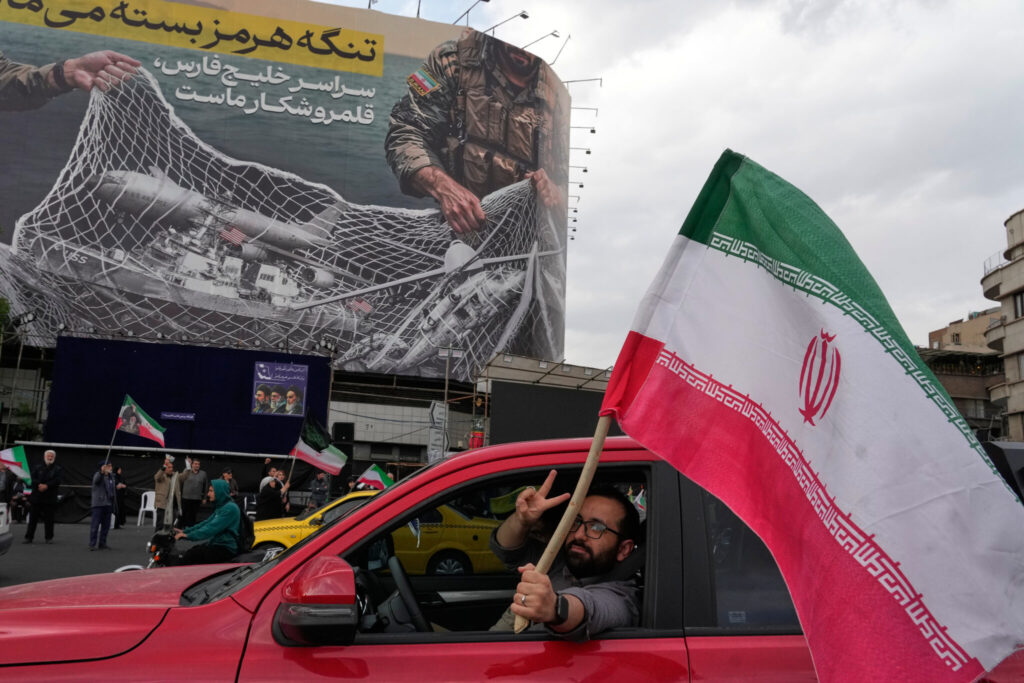
Deep Look: Efforts Underway for Second Round US-Iran Talks
Efforts are intensifying to revive diplomacy between the United States and Iran as tensions rise following Washington’s announcement of a blockade on Iranian ports and Tehran’s warnings of retaliation across the region. The fragile ceasefire that appeared to hold last week now faces mounting pressure as military and economic stakes escalate around the strategically vital Strait of Hormuz.
Pakistan has stepped forward as a key mediator, working to bring both sides back to the negotiating table. Officials familiar with the discussions indicated that a second round of talks could occur within days. Islamabad and Geneva are both under consideration as potential venues, although final decisions on timing and delegation composition remain unresolved.
The renewed diplomatic push follows an initial round of negotiations over the weekend that failed to yield a permanent agreement. However, officials emphasized that those talks were part of a broader diplomatic process rather than a one-time effort. U.S. and international diplomats confirmed that both Washington and Tehran have signaled willingness to continue negotiations.
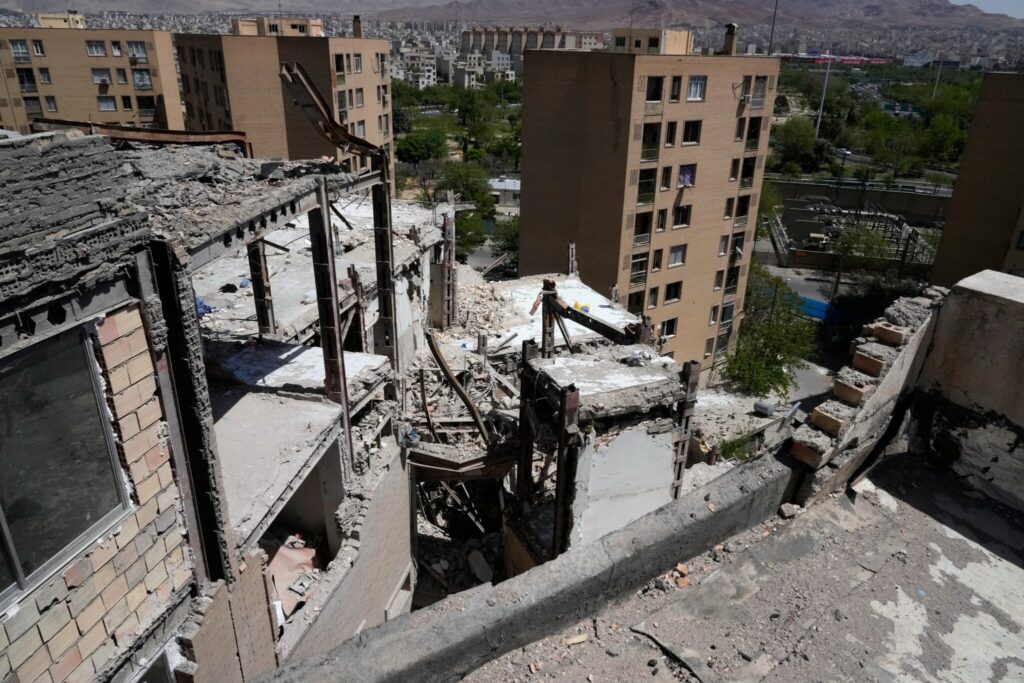
The conflict, now entering its seventh week, began on February 28 following U.S. and Israeli strikes on Iranian targets. Since then, fighting has spread across multiple countries, damaging infrastructure, disrupting trade, and raising fears of a wider regional war.
Casualties have mounted significantly. More than 3,000 people have reportedly been killed in Iran, over 2,000 in Lebanon, 23 in Israel, and more than a dozen in Gulf Arab nations. Additionally, thirteen U.S. service members have been killed since hostilities began.
Strait of Hormuz Tensions Drive Global Concerns
The U.S. blockade aims to increase economic pressure on Iran, which has continued exporting oil—primarily to Asian markets—despite sanctions. Much of this trade is believed to involve so-called “dark fleet” shipments that evade monitoring systems.
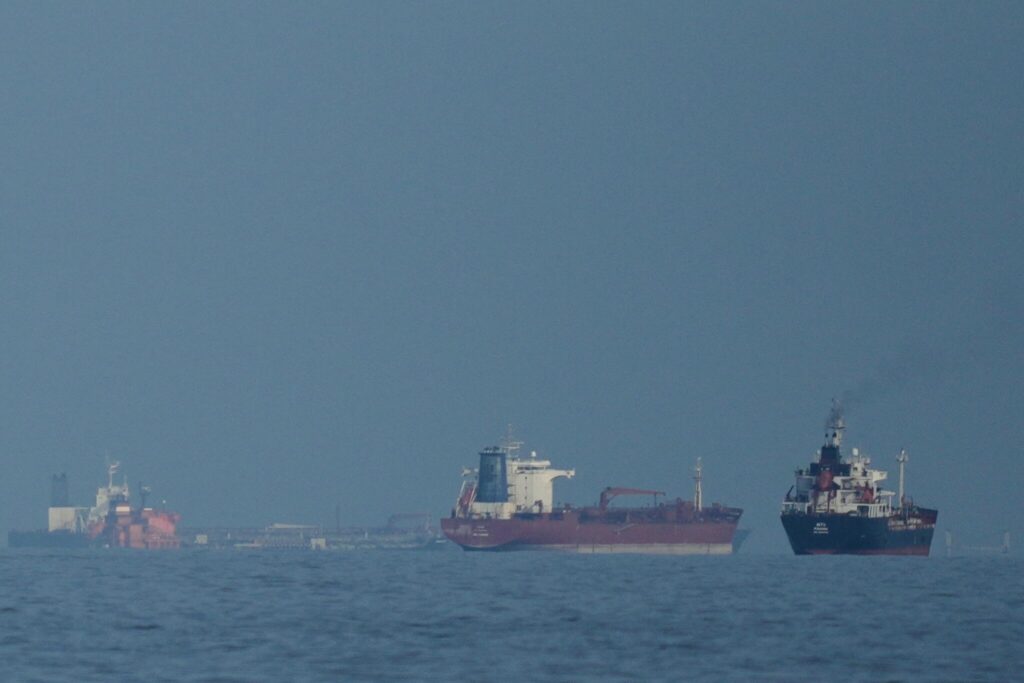
The first full day of the blockade produced mixed signals. Some tankers approaching the Strait of Hormuz reversed course after the blockade took effect, highlighting uncertainty over enforcement. However, at least one vessel later transited the waterway, indicating compliance may vary.
Shipping data identified the tanker “Rich Starry” waiting off the coast of the United Arab Emirates before eventually moving through the strait. Tracking data linked the vessel to a Chinese shipping company and indicated it was bound for China. The ship had also been flagged by U.S. authorities for connections to Iranian shipping networks.
Military officials did not immediately comment after the vessel cleared the narrow 21-mile-wide waterway. Earlier statements indicated that the blockade applied to ships traveling to and from Iranian ports.
Since fighting began, commercial shipping through the strait has sharply declined. The Strait of Hormuz normally handles roughly one-fifth of global oil shipments, making it one of the most critical chokepoints in global energy supply.
As maritime traffic slowed, oil prices surged, increasing costs for gasoline, food, and essential goods worldwide. Analysts warned that prolonged disruptions could deepen inflation and strain global economies already dealing with geopolitical uncertainty.
U.S. and Iran Exchange Warnings
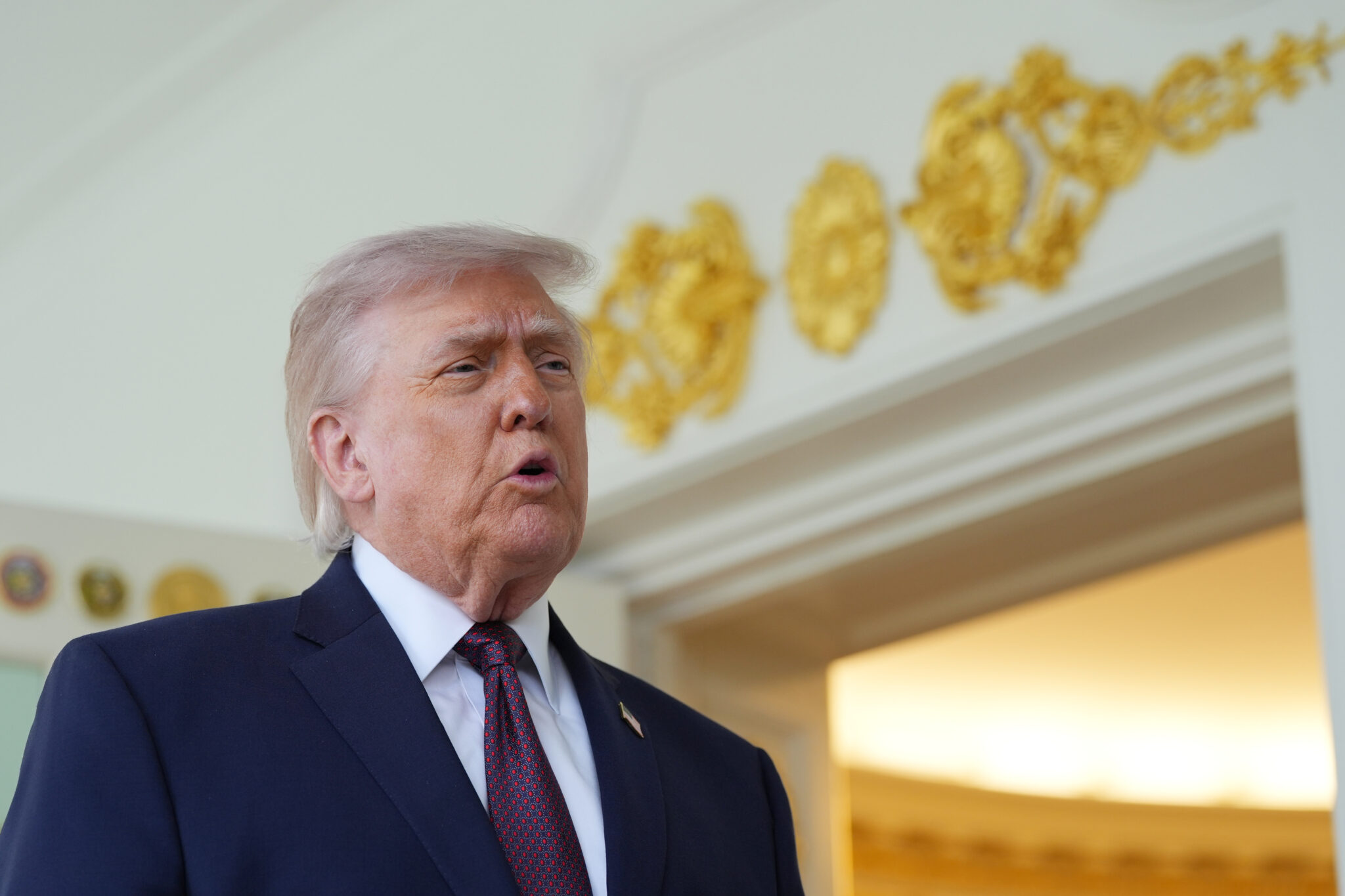
U.S. President Donald Trump accused Iran of using control of the Strait of Hormuz as “blackmail and extortion.” He also warned that any Iranian naval vessels approaching the blockade would face immediate military action.
Trump stated that Iran’s navy had been largely destroyed but warned that smaller fast-attack vessels still posed a threat.
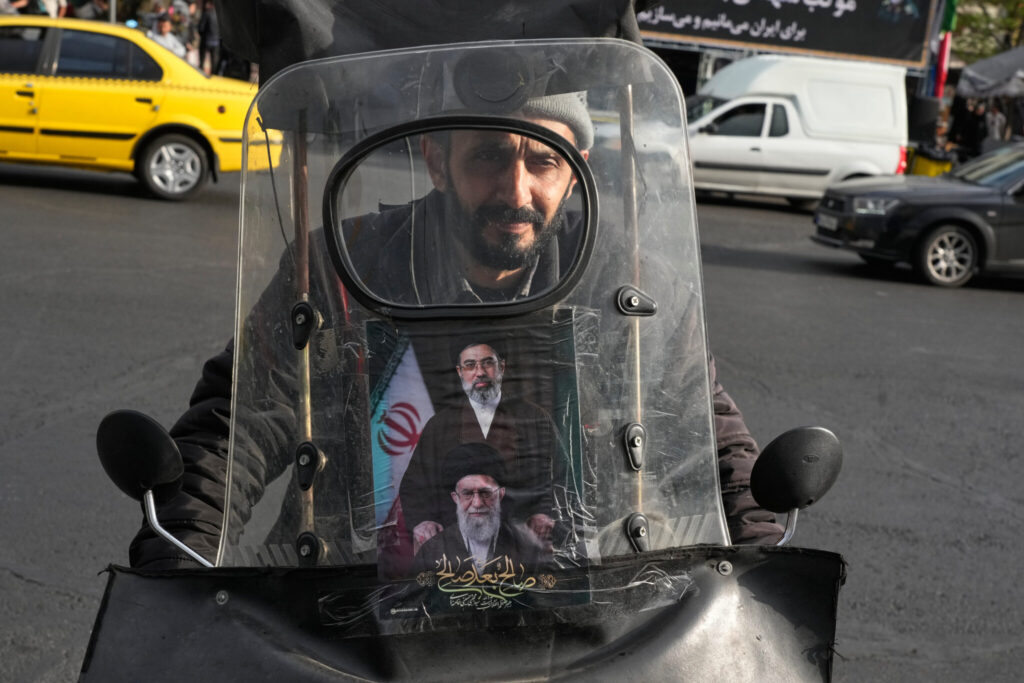
Iran responded with strong rhetoric, warning that Persian Gulf ports could become targets if conflict escalates. Iran’s parliamentary speaker Mohammad Bagher Qalibaf issued a direct warning, stating that Iran would retaliate if attacked.
European Allies Plan Naval Escort Conference
France and Britain announced plans to co-chair an international conference aimed at organizing naval escorts for commercial shipping. The meeting, scheduled for Friday, will explore the deployment of warships to protect oil tankers and container ships transiting the Strait of Hormuz.
French officials indicated the deployment would occur once security conditions allow, underscoring growing international concern about maritime safety.
Israel-Lebanon Talks Add Another Diplomatic Track
Meanwhile, separate negotiations between Israel and Lebanon are scheduled to begin in Washington. The talks mark the first direct discussions between the two nations in decades.
Israel has continued military operations in Lebanon despite the Iran ceasefire, arguing the truce does not apply to Hezbollah-related fighting. However, Israeli strikes in Beirut have paused since April 8 following heavy bombardments that sparked international criticism.
The conflict in Lebanon has displaced more than one million people and caused widespread destruction. Israeli officials have framed negotiations around Hezbollah’s disarmament and a potential peace arrangement, while Lebanese officials are pushing for a ceasefire.
Hezbollah has signaled resistance to any agreements that could weaken its position, raising doubts about whether talks will produce meaningful progress.
Diplomatic Race Against Escalation
With tensions rising across multiple fronts, diplomatic efforts are accelerating to prevent further escalation. The outcome of the proposed second round of U.S.-Iran talks could determine whether the region moves toward de-escalation or deeper conflict.
Markets, governments, and energy analysts are closely watching developments, as the Strait of Hormuz remains central to global economic stability.
The coming days are expected to be critical in shaping the next phase of the crisis.