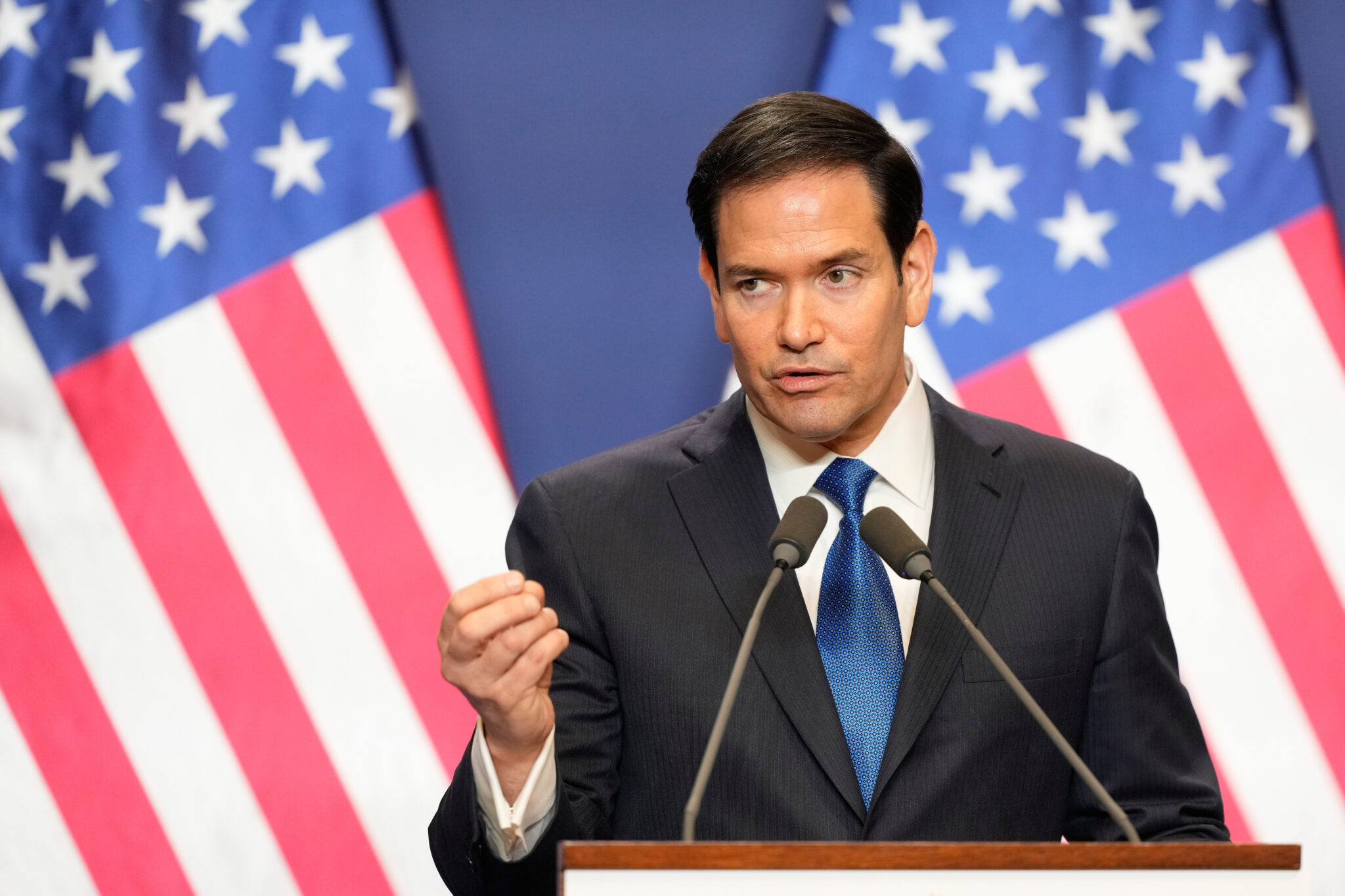
Rubio to Host Israeli, Lebanese Ambassadors for Ceasefire Talks/ Newslooks/ WASHINGTON/ J. Mansour/ Morning Edition/ Secretary of State Marco Rubio will host Israeli and Lebanese ambassadors in Washington for rare direct talks. The discussions aim to explore a ceasefire, Hezbollah disarmament, and potential long-term peace arrangements. The meeting comes amid escalating fighting between Israel and Hezbollah in southern Lebanon.
Rubio Israel Lebanon Talks Quick Looks
- Marco Rubio hosting Israeli-Lebanese meeting
- First high-level talks since 1993
- Focus on ceasefire and Hezbollah disarmament
- Trump administration pushing de-escalation
- Israel continues ground offensive in southern Lebanon
- Lebanon seeking pause in Israeli attacks
- Hezbollah not participating in talks
- U.S. brokering diplomatic negotiations
- Netanyahu agreed after U.S. pressure
- Meeting seen as first step toward peace deal
Deep Look: Rubio to Host Israeli, Lebanese Ambassadors for Ceasefire Talks
Secretary of State Marco Rubio is set to host a significant diplomatic meeting Tuesday in Washington, D.C., bringing together Israeli and Lebanese ambassadors for rare direct negotiations aimed at reducing tensions and exploring a potential ceasefire between Israel and Hezbollah.
The meeting marks the most high-level direct diplomatic engagement between Israel and Lebanon in more than three decades. U.S. officials view the talks as an important first step toward stabilizing a volatile situation that has escalated into a broader regional concern.
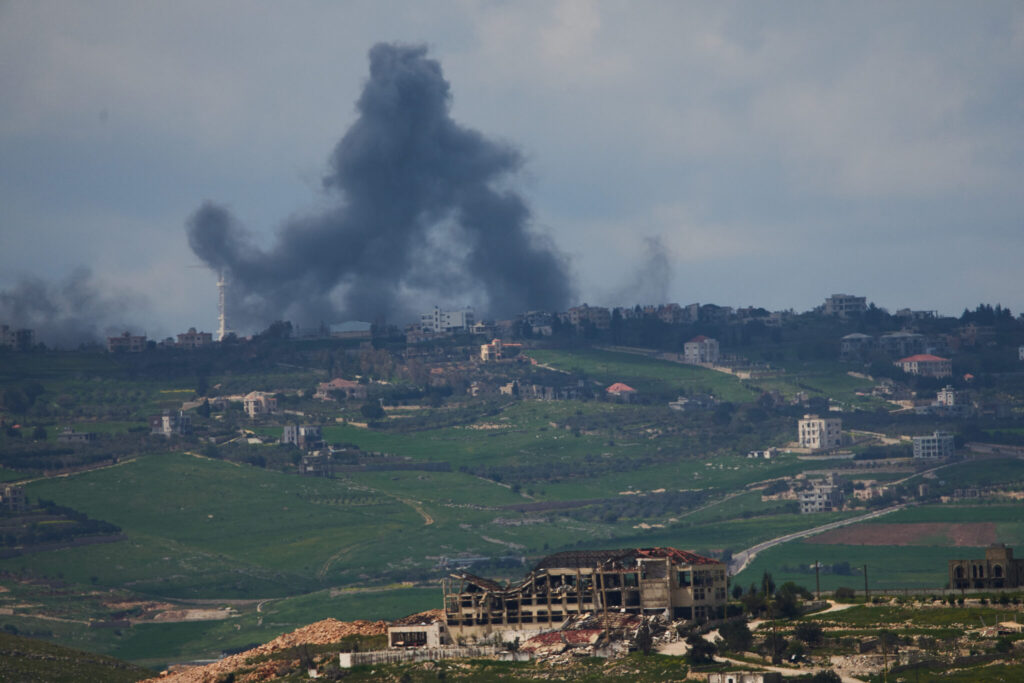
The diplomatic initiative comes amid ongoing fighting between Israeli forces and Hezbollah militants, along with Israel’s expanding ground invasion in southern Lebanon. The conflict has heightened fears of a prolonged war and increased pressure on the United States to help broker de-escalation.
Participants in the meeting are expected to include U.S. Ambassador to Lebanon Michel Issa, State Department Counselor Michael Needham, Israeli Ambassador Yechiel Leiter, and Lebanese Ambassador Nada Hamadeh. Secretary Rubio will lead the discussions as Washington attempts to facilitate a diplomatic pathway toward reducing hostilities.
Ceasefire and Hezbollah Disarmament Central to Talks
According to sources familiar with the discussions, the talks will primarily focus on three key objectives: establishing a ceasefire, addressing the long-term disarmament of Hezbollah, and exploring the possibility of a broader peace agreement between Israel and Lebanon.
The United States has emphasized that the discussions are intended to lay groundwork for long-term stability along Israel’s northern border while supporting Lebanon’s efforts to assert sovereignty over its territory.
A State Department official said the meeting aims to “scope the ongoing dialogue” about security arrangements and support Lebanon’s goal of reclaiming political and territorial control. Officials stressed that Israel’s war is with Hezbollah, not Lebanon itself, leaving room for diplomatic engagement between the neighboring countries.
U.S. Pressure Drives Diplomatic Breakthrough
Israeli Prime Minister Benjamin Netanyahu had previously rejected Lebanese proposals for direct negotiations. However, under pressure from President Donald Trump to reduce tensions, Netanyahu agreed last week to the Washington meeting as an initial step toward broader peace discussions.
Ahead of the talks, both the Lebanese government and the Trump administration urged Israel to pause its military operations against Hezbollah. Netanyahu agreed to scale back airstrikes on Beirut, a move seen as a gesture toward diplomacy.
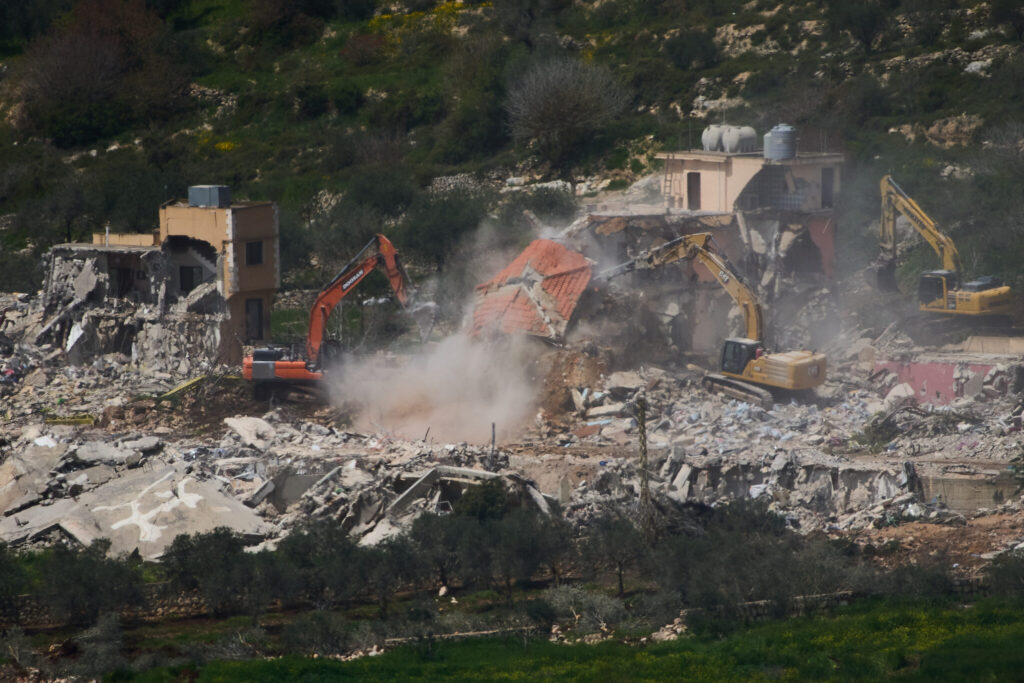
However, Israel has continued ground operations in southern Lebanon, particularly in the town of Bint Jbeil, considered a stronghold of Hezbollah. The continued military campaign underscores the fragile nature of the diplomatic efforts and the challenges facing negotiators.
First Direct Talks in Decades
The meeting represents the first direct diplomatic talks between Israel and Lebanon since 1993. The two countries technically remain in a state of war, and diplomatic engagement between them has historically been rare and limited.
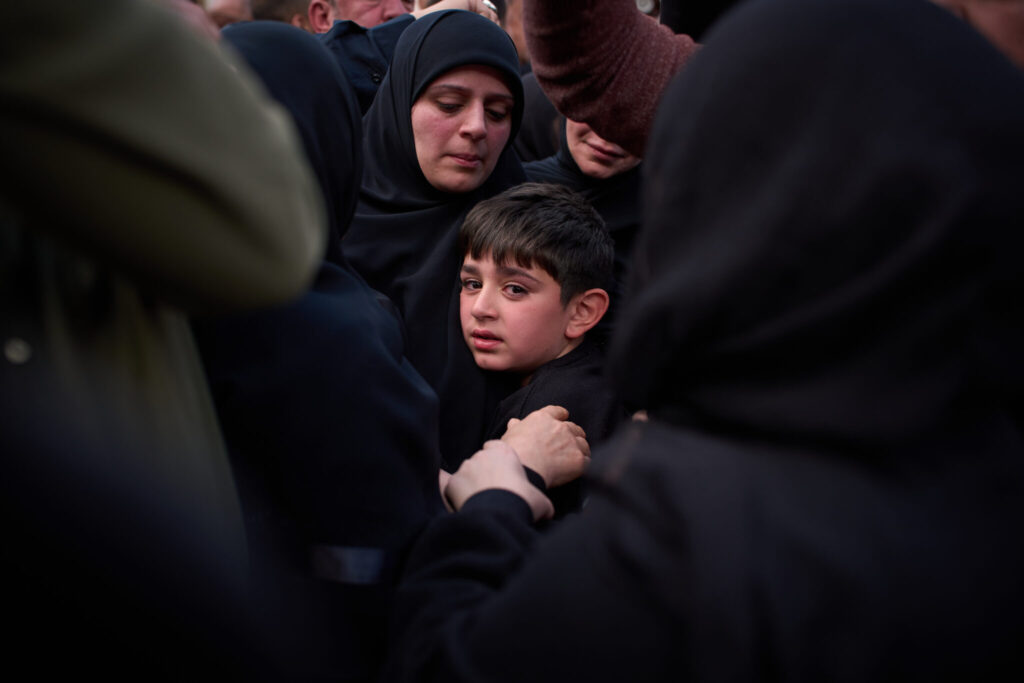
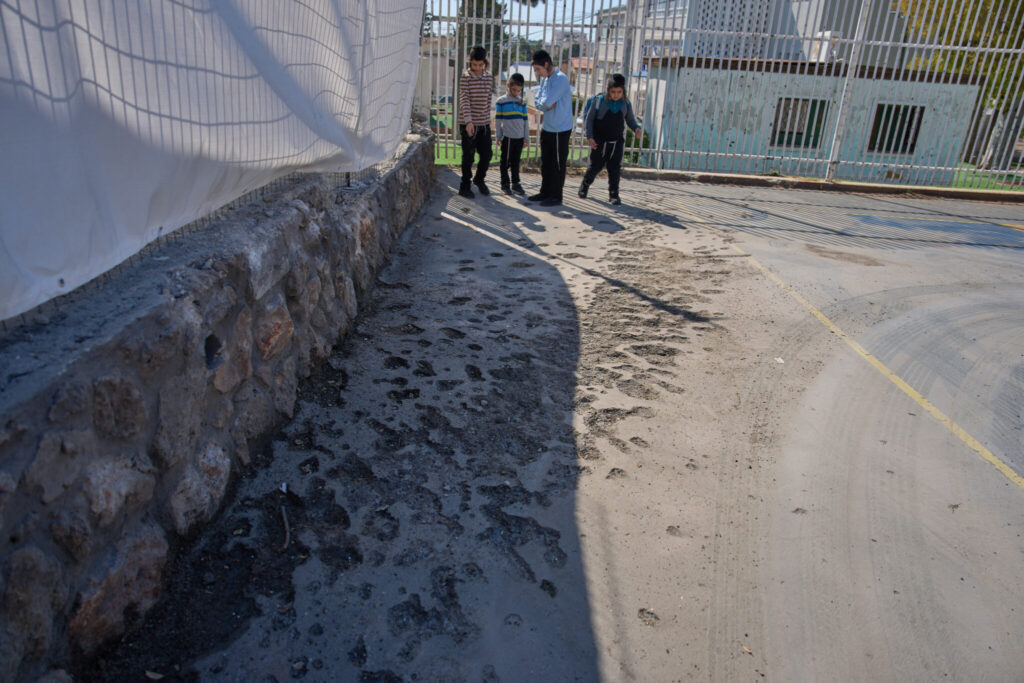
The renewed dialogue comes after weeks of heavy fighting that has devastated parts of southern Lebanon and displaced large numbers of civilians. Israeli officials have argued that military operations aim to create a buffer zone to protect northern Israeli communities from Hezbollah rocket attacks.
Lebanon, meanwhile, has pushed for a ceasefire to halt destruction and allow humanitarian relief efforts to expand. Lebanese officials hope the talks will help establish a diplomatic path toward ending the conflict.
Hezbollah Opposition Adds Complication
Hezbollah, the Iran-backed militant group at the center of the conflict, is not participating in the talks and has expressed opposition to the negotiations. The group has indicated it will not necessarily abide by agreements reached during the discussions.
Despite Hezbollah’s stance, U.S. officials believe direct dialogue between Israel and Lebanon’s government could help lay the foundation for broader peace efforts.
Diplomatic Efforts Amid Regional Tensions
The Washington meeting comes as broader Middle East tensions remain elevated, with multiple diplomatic tracks underway to reduce regional conflict. U.S. officials see the Israel-Lebanon talks as a key component of wider diplomatic efforts to prevent escalation.
The discussions are expected to be preliminary, focusing on establishing parameters for future negotiations rather than delivering immediate agreements. Still, officials say even the willingness to meet directly marks significant progress.
If successful, the talks could lead to further diplomatic engagement and potentially open the door to a longer-term peace arrangement between Israel and Lebanon.
The outcome of the Washington meeting could shape the next phase of the conflict and determine whether diplomacy gains momentum or fighting intensifies further across the region.