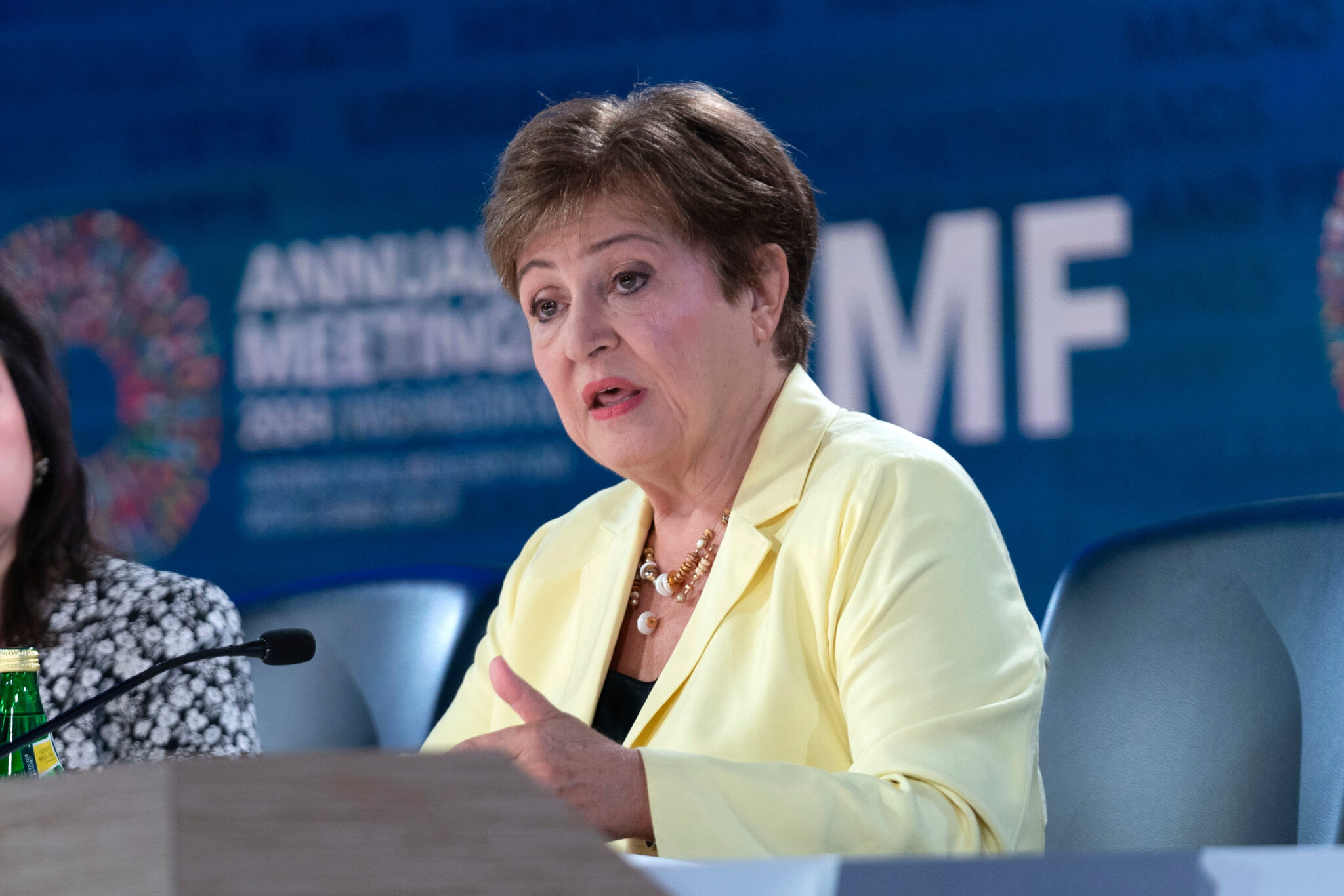
IMF Cuts Global Growth Outlook to 3.1% Amid Iran War Fallout/ Newslooks/ WASHINGTON/ J. Mansour/ Morning Edition/ The International Monetary Fund cut its global growth forecast citing the economic fallout from the Iran war. Rising energy prices are expected to push inflation higher worldwide. The IMF warned growth could slow further if the conflict continues.
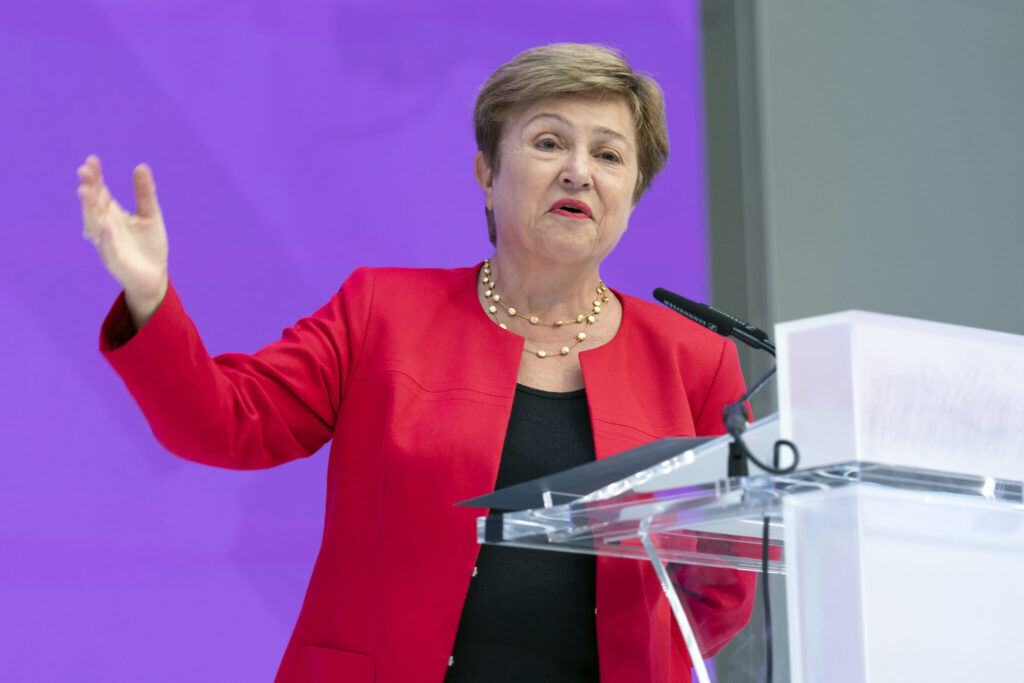
IMF Global Economy Outlook Quick Looks
- IMF cuts global growth forecast to 3.1%
- Growth slows from 3.4% in 2025
- Global inflation forecast raised to 4.4%
- Iran war drives oil and gas price spikes
- Strait of Hormuz disruptions impact markets
- U.S. growth forecast lowered to 2.3%
- Eurozone growth expected to slow
- Poorer nations hardest hit by energy costs
- Russia benefits from higher oil prices
- Severe scenario could drop growth to 2%
Deep Look: IMF Cuts Global Growth Outlook to 3.1% Amid Iran War Fallout
The International Monetary Fund warned Tuesday that the war involving Iran is slowing global economic momentum, forcing the organization to downgrade growth forecasts and raise expectations for inflation across the world.
In its latest World Economic Outlook, the IMF cut its projection for global economic growth in 2026 to 3.1%, down from the 3.3% forecast issued in January. The revised figure also represents a slowdown from the 3.4% growth recorded in 2025.
The downgrade reflects rising energy prices and increased geopolitical uncertainty stemming from the conflict involving Iran, which has disrupted global energy supplies and raised inflation concerns worldwide.
Energy Prices Drive Inflation Higher
The conflict intensified after U.S. and Israeli strikes on Iran, followed by Tehran’s closure of the Strait of Hormuz and retaliatory attacks on oil refineries and energy infrastructure across the region.
These developments pushed oil and gas prices sharply higher, increasing transportation, manufacturing, and consumer costs globally.
As a result, the IMF raised its global inflation forecast to 4.4% for 2026, up from 4.1% in 2025 and significantly above the 3.8% projection the organization issued earlier this year.
IMF Chief Economist Pierre-Olivier Gourinchas said the war has interrupted a period of stronger-than-expected economic resilience.
“War in the Middle East has halted this momentum,” Gourinchas wrote in a blog post accompanying the IMF report.
Before the conflict, the global economy had demonstrated surprising strength, supported by technological investment, artificial intelligence expansion, and improved productivity.
Additionally, the economic impact of U.S. tariffs introduced under President Donald Trump had been less severe than initially expected, partly because final tariffs were lower than earlier proposals.
Risks of Further Slowdown
The IMF’s baseline forecast assumes the conflict remains relatively short-lived and that energy prices increase by approximately 19% this year.
However, the organization warned that conditions could worsen significantly. In a more severe scenario where energy disruptions continue into next year and central banks raise interest rates to combat inflation, global growth could fall to just 2% in both 2026 and 2027.
Despite reports of a temporary ceasefire, IMF officials warned that economic damage has already occurred and risks remain elevated.
Regional Impacts Vary
The IMF slightly downgraded its forecast for U.S. economic growth to 2.3% for 2026.
European economies, particularly those heavily dependent on imported natural gas, are expected to feel greater strain. The eurozone is projected to grow just 1.1% this year, down from 1.4% in 2025.
Developing nations are expected to face the most significant challenges, especially those heavily reliant on energy imports and burdened with high debt levels. These countries often lack the financial flexibility to offset rising energy costs through government spending or tax relief.
The IMF lowered its growth forecast for Sub-Saharan Africa to 4.3%, down from 4.6% projected earlier this year.
Russia Gains From Higher Energy Prices
One country expected to benefit from rising energy prices is Russia, a major oil and gas exporter. The IMF upgraded its growth forecast for Russia to 1.1%, despite ongoing sanctions related to its invasion of Ukraine.
Meanwhile, Ukraine continues to face economic pressure from both the war with Russia and rising global energy costs.
Ukraine’s central bank governor Andriy Pyshnyy said inflation in the country reached 7.9% in March, driven largely by higher fuel costs. He warned that rising energy prices could further increase inflation.
Higher fertilizer and production costs are also affecting Ukraine’s economy, which remains under pressure from ongoing military conflict.
“We are trying to walk on a razor blade,” Pyshnyy said, describing the delicate balance policymakers face amid economic and geopolitical challenges.
Global Outlook Remains Uncertain
The IMF, a 191-nation organization focused on financial stability and economic growth, warned that global risks remain elevated.
While technological investment and productivity gains continue to support economic activity, geopolitical tensions and rising energy prices could undermine progress.
The organization emphasized that continued diplomatic efforts and energy market stabilization will be key to preventing a deeper slowdown.
With inflation rising and growth slowing, policymakers worldwide now face difficult decisions as they attempt to balance economic stability with geopolitical uncertainty.
The IMF’s updated forecast underscores how the Iran conflict is reshaping the global economic outlook, with effects likely to ripple across markets, governments, and households worldwide.