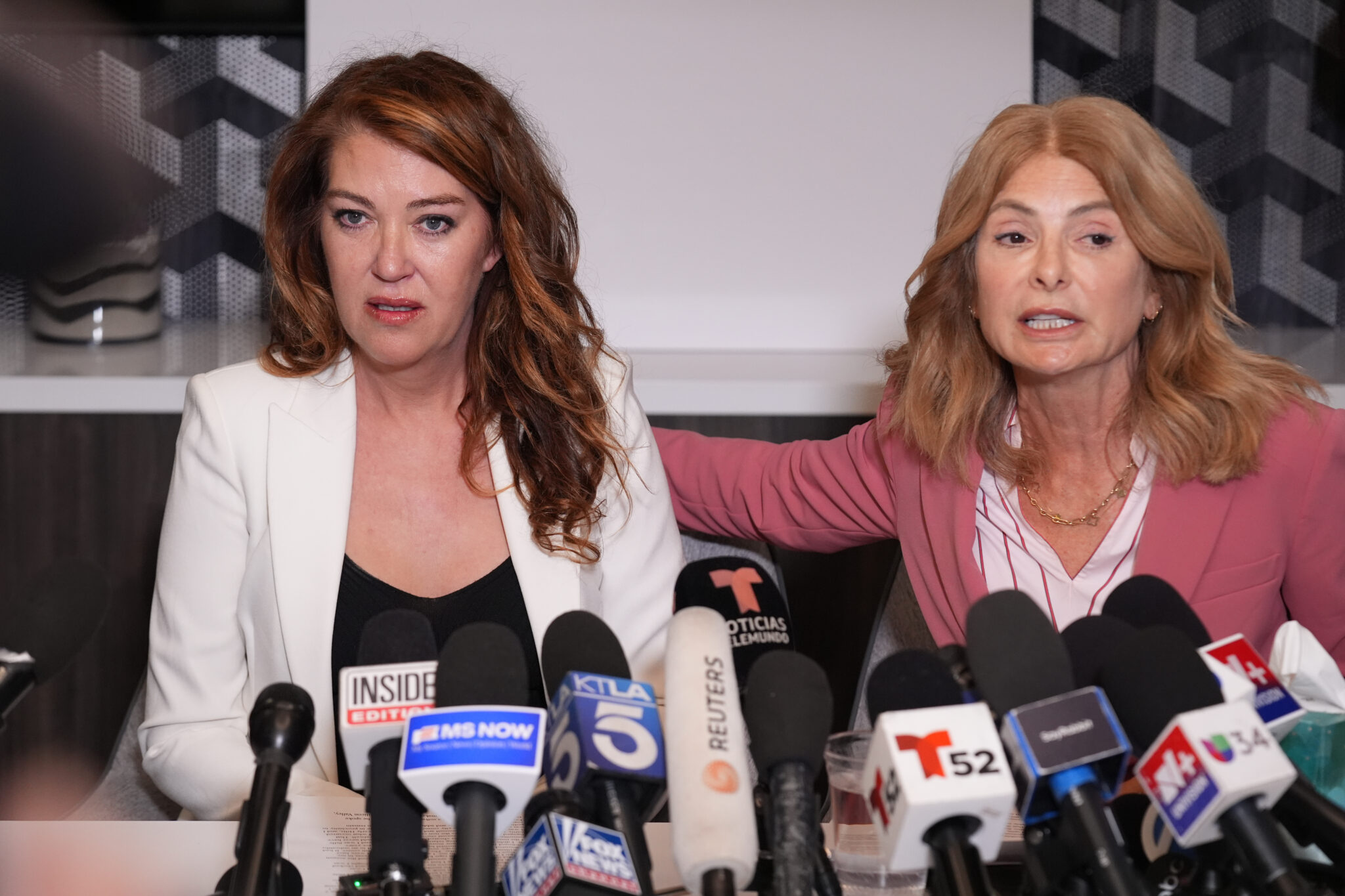
Congress Faces Reckoning After Sexual Misconduct Allegations Surface/ Newslooks/ WASHINGTON/ J. Mansour/ Morning Edition/ Two lawmakers resigned amid sexual misconduct allegations. Lawmakers demand stronger protections and accountability in Congress. Calls grow for deeper reforms beyond existing #MeToo-era changes.
Congress Sexual Misconduct Reckoning Quick Looks
- Two House members resign under misconduct allegations
- Bipartisan pressure forced swift accountability actions
- Congresswomen say reforms still fall short
- House rules prohibit relationships with staff
- #MeToo reforms improved reporting and transparency
- Lawmakers push for stricter enforcement and oversight
- Ethics investigations continue into other members
- Cultural and structural issues persist in Congress
Deep Look: Congress Faces Reckoning After Sexual Misconduct Allegations Surface
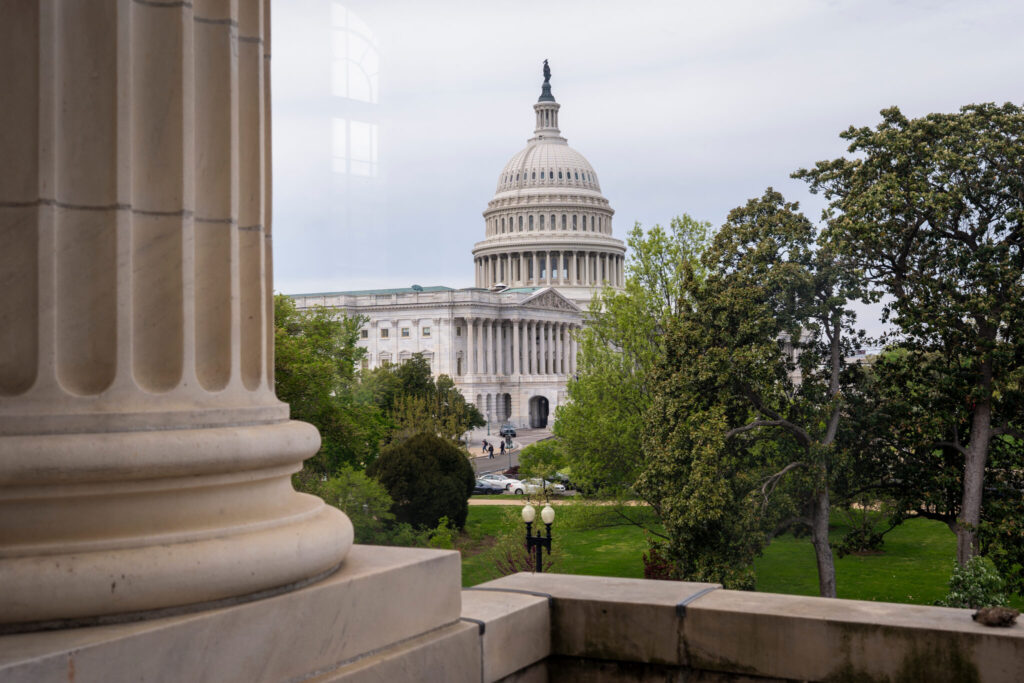
A wave of sexual misconduct allegations has triggered renewed calls for accountability and reform in Congress, as lawmakers confront what many describe as a persistent culture of abuse and insufficient oversight.
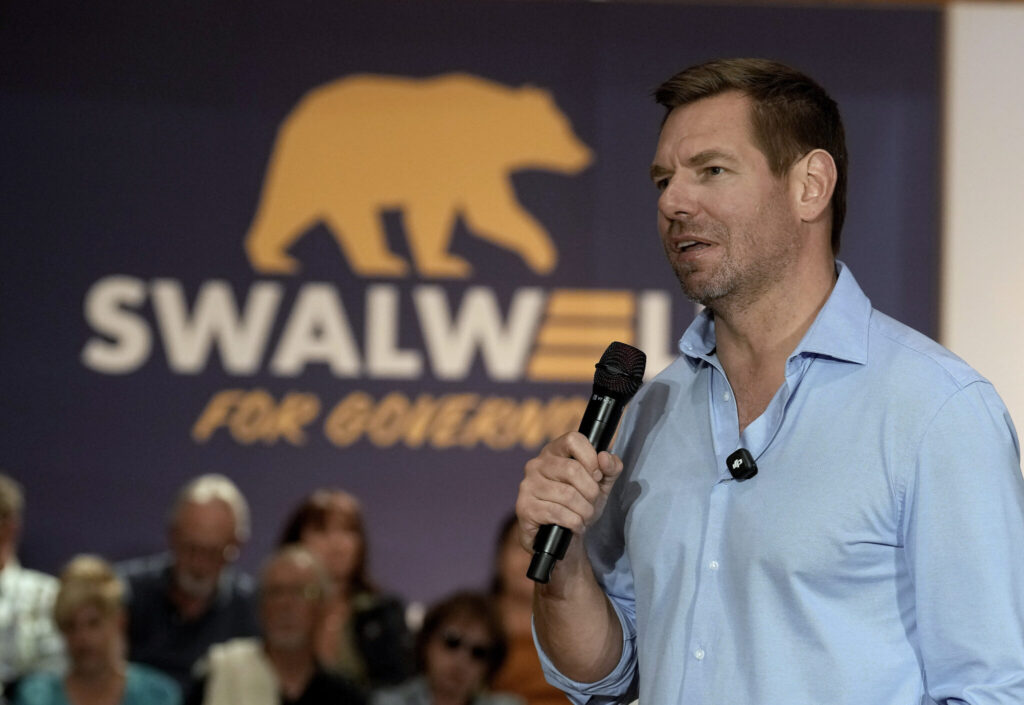
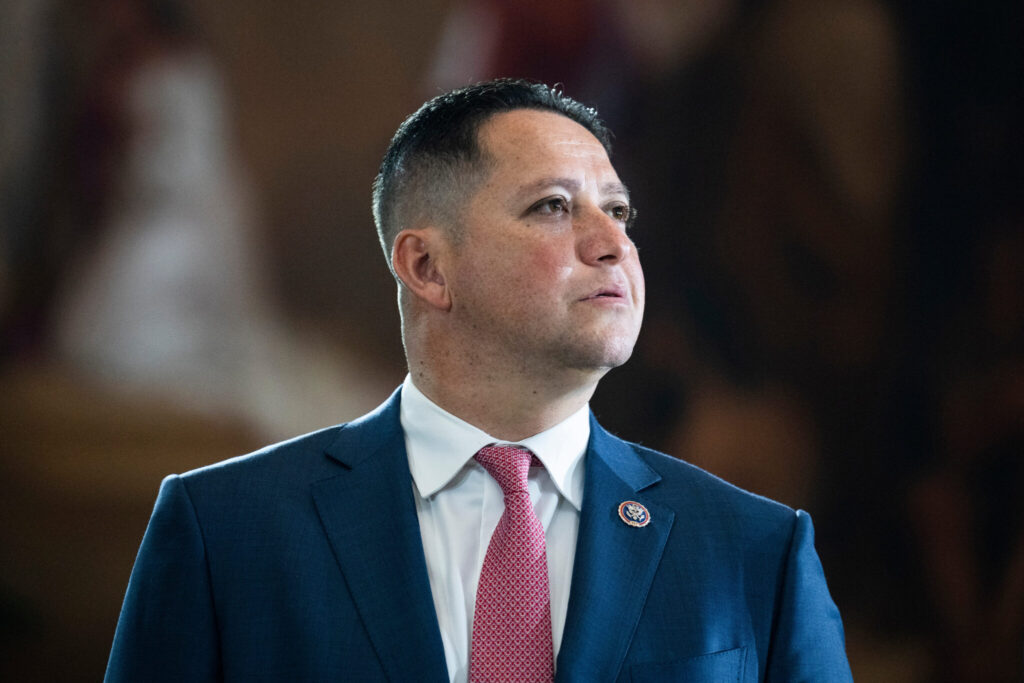
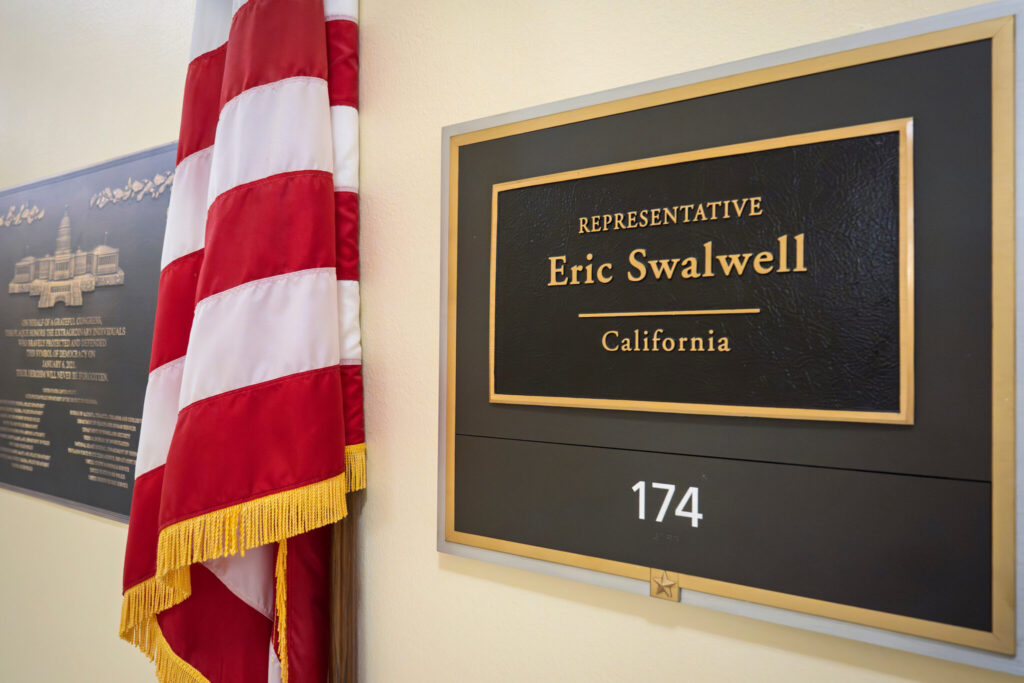
Reps. Eric Swalwell, a California Democrat, and Tony Gonzales, a Texas Republican, both announced within hours of each other Monday that they were leaving Congress. Their decisions came the day before the House returned to Washington and as both faced the prospect of being expelled from the chamber by their colleagues.
The latest developments saw two members of the House of Representatives step down within hours of each other, marking one of the most significant moments of reckoning on Capitol Hill since the height of the #MeToo movement. The resignations came amid mounting allegations of inappropriate behavior toward staff and increasing pressure from colleagues on both sides of the aisle.
“Today was an important turning point,” said Democratic Rep. Alexandria Ocasio-Cortez of New York. “That it should — that abuse of power — should never be accepted, and above all, in public office. And so, I think this is an important resetting point for the institution.”
The swift departures followed threats from a bipartisan coalition of congresswomen who were prepared to introduce resolutions that could have forced votes to expel the lawmakers. Their actions underscored a growing determination among female legislators to hold colleagues accountable and to challenge longstanding norms that they say have allowed misconduct to persist.
“Accountability can happen. We can hold men accountable when they abuse women, and we’re going to do more of it,” said Rep. Teresa Leger Fernández, who chairs the Democratic Women’s Caucus.
For many women working in Congress, the moment represents both progress and frustration. While the resignations were viewed as a step toward accountability, lawmakers emphasized that they came only after years of allegations and warnings.
“This is an important turning point,” said one senior lawmaker, noting that abuse of power should never be tolerated in public office. Still, she and others stressed that meaningful change requires more than reactive measures.
The controversy has brought renewed attention to the rules governing relationships between lawmakers and their staff. Under the House Code of Conduct, such relationships are explicitly prohibited. The policy reflects concerns about the inherent power imbalance between elected officials and their employees, which can create environments ripe for coercion or exploitation.
In response to the #MeToo movement, Congress implemented several reforms aimed at addressing harassment and discrimination. These changes included mandatory annual training for members and staff, streamlined procedures for filing complaints, and increased transparency around settlements. Lawmakers are now required to personally cover the costs of any penalties resulting from misconduct.
Despite these efforts, critics argue that the reforms have not gone far enough. Advocates say that victims still face significant barriers when reporting abuse, including fears of retaliation and a lack of independent oversight.
Former Rep. Jackie Speier, a California Democrat who led the movement for reforms around sexual assault, told The Associated Press that problems still persist after those reforms.
“What we do in Congress is basically look the other way,” she said, adding that she was calling on House Speaker Mike Johnson and House Democratic leader Hakeem Jeffries to “really tighten the rules and create a safe environment for these women to report.”
While Johnson said he did not talk with the lawmakers before they announced their resignations, he told reporters that the episode had played out “appropriately.”
“This is the right thing for the institution,” he said.
Former lawmakers and reform advocates have pointed out that Congress operates under a decentralized structure, where each member essentially manages their own office with limited external supervision. This autonomy, they argue, can foster a sense of entitlement and reduce accountability.
“There’s really no one overseeing you,” one former lawmaker said, highlighting the structural challenges that complicate efforts to enforce workplace standards across Capitol Hill.
The issue has gained additional urgency as lawmakers continue to examine broader cases of abuse and exploitation, including those linked to high-profile figures outside of Congress. Some lawmakers have leveraged these investigations to push for greater transparency and accountability within their own institution.
A group of Republican and Democratic lawmakers has taken a leading role in advocating for victims and pressing for stronger action. Their efforts have included calls for resignations, support for ethics investigations, and proposals for new safeguards.
At the same time, the political landscape has become increasingly complex. Some of the lawmakers pushing for accountability are themselves facing scrutiny over unrelated ethics concerns, illustrating the challenges of maintaining credibility while demanding reform.
The recent cases have also prompted introspection among lawmakers who previously worked closely with accused colleagues. Some have acknowledged that they overlooked warning signs or trusted individuals who later faced serious allegations.
These moments of reflection have reinforced the need for cultural change within Congress, alongside policy reforms. Lawmakers say that preventing misconduct requires not only stricter rules but also a shift in attitudes and expectations.
How the push for accountability has grown
Sexual abuse has been top of mind for lawmakers as they investigate the actions of the late financier Jeffrey Epstein. A handful of Republican women, mostly hailing from the right wing of their party, played crucial roles in forcing Congress to take up the issue.
Republican Rep. Nancy Mace, alongside Rep. Lauren Boebert and then-Rep. Marjorie Taylor Greene, rebuffed pressure from President Donald Trump and Johnson last year as they joined with Democrats and forced a vote on a bill mandating the release of many of the case files on Epstein.
Mace, who in 2019 shared her own account of surviving rape, has continued an outspoken campaign advocating for victims of sexual assault. She and Republican Rep. Anna Paulina Luna had repeatedly called for Swalwell and Gonzales to resign.
Mace has also extended that demand to Republican Rep. Cory Mills, who is facing an ethics investigation on allegations of sexual misconduct and violence against an ex-girlfriend. Mills has said he will disprove the allegations.
Meanwhile, Mace and Luna are also calling for the resignation of Rep. Sheila Cherfilus-McCormick, a Florida Democrat. The House Ethics Committee found evidence that she broke campaign finance law related to a mistaken overpayment of $5 million from the state of Florida to her family’s health care business. She has said she did nothing wrong.
“Clean house. Expel them. Hold every last one accountable,” Mace said on social media. “The American people are watching.”
At the same time, Mace herself is under investigation by the ethics panel for allegations she improperly claimed housing reimbursements. She has denied wrongdoing.
Arizona Sen. Ruben Gallego, a close friend of Swalwell’s who chaired his presidential campaign, called reporters to his office on Tuesday for an emotional press conference.
“I messed up. I’m human. I trusted this man,” a teary-eyed Gallego said.
Under intense questioning from reporters, Gallego acknowledged that he had heard rumors about Swalwell being “flirty,” but contended that he trusted him as a close family friend.
“I definitely look at the world in a different way now,” Gallego said. “I personally am going to make sure that I’m going to take personal steps and office steps to make sure that we don’t even get close to a gray line.”
Data from recent years shows that while formal complaints and settlements have been relatively limited in number, they likely represent only a fraction of actual incidents. Advocates argue that many cases go unreported, either because victims fear consequences or because they lack confidence in the system.
Efforts to improve reporting mechanisms have included banning nondisclosure agreements that previously shielded misconduct from public view. Still, critics say more must be done to ensure that victims feel safe coming forward.
As Congress grapples with these issues, the path forward remains uncertain. Some lawmakers are calling for comprehensive reforms that would strengthen oversight and create independent mechanisms for handling complaints. Others emphasize the importance of enforcing existing rules more effectively.
What is clear, however, is that the latest wave of allegations has reignited a broader conversation about accountability, power, and workplace culture in one of the nation’s most important institutions.
For many advocates, the goal is not only to address individual cases but to create lasting change that ensures Congress is a safe and respectful workplace for everyone.