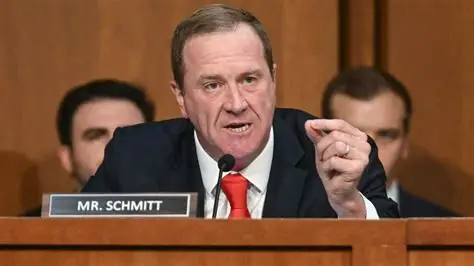
GOP Sen. Schmitt Urges Impeachment of Judge Boasberg After Contempt Hearings Halted/ Newslooks/ WASHINGTON/ J. Mansour/ Morning Edition/ Sen. Eric Schmitt calls for impeachment of Judge James Boasberg. Appeals court halted Boasberg’s contempt probe into Trump officials. Ruling deepens tensions over immigration enforcement and judicial power.
Boasberg Impeachment Call Quick Looks
- GOP senator pushes to impeach federal judge James Boasberg
- Appeals court blocks contempt investigation into Trump officials
- Case tied to deportation flights to El Salvador
- Trump allies accuse judge of “abuse of discretion”
- Justice Department defends actions on immigration enforcement
- Split ruling highlights judicial disagreement
- Impeachment faces long odds in Senate
Deep Look: GOP Senator Urges Impeachment of Judge Boasberg After Contempt Hearings Halted
A new clash between the judiciary and political leaders has emerged after a federal appeals court halted a high-profile contempt investigation, prompting calls from Republican lawmakers to impeach a sitting federal judge.
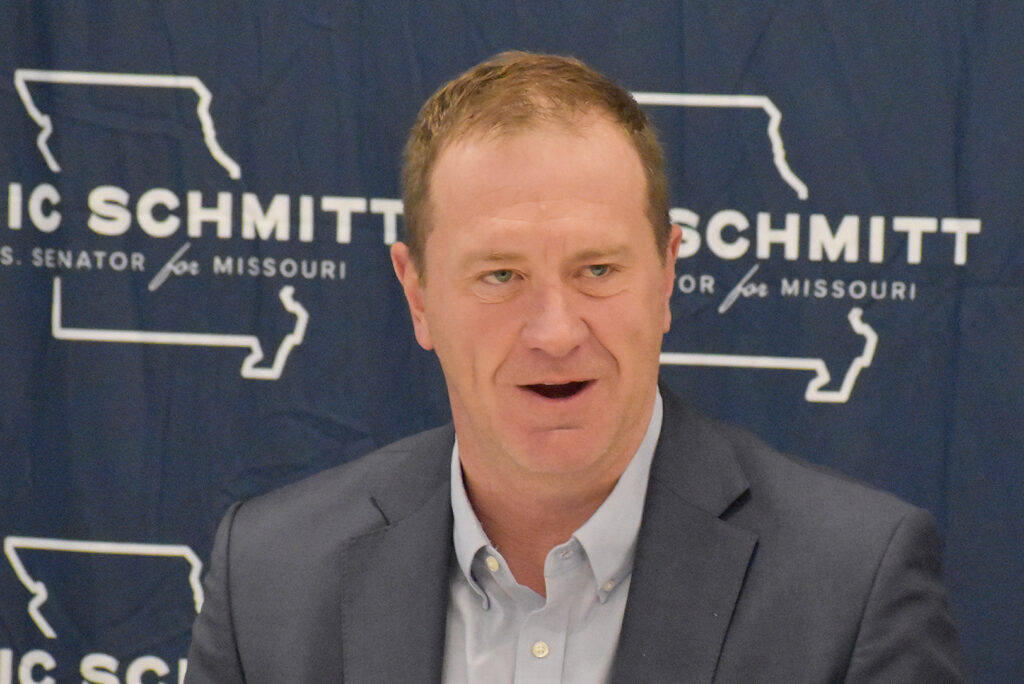
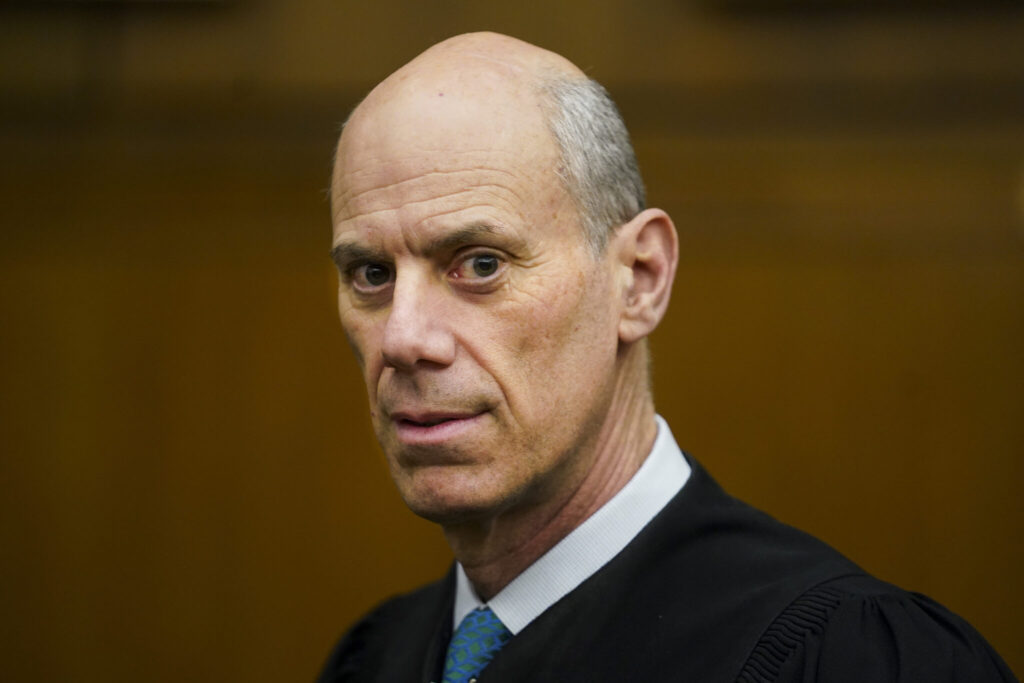
Sen. Eric Schmitt is urging House Republicans to begin impeachment proceedings against James Boasberg, the chief judge of the U.S. District Court for the District of Columbia. Schmitt’s demand follows a ruling by the U.S. Court of Appeals for the D.C. Circuit that shut down Boasberg’s inquiry into whether Trump administration officials violated court orders.
Schmitt, a member of the Senate Judiciary Committee and a vocal supporter of strict immigration enforcement, accused Boasberg of judicial overreach. He specifically criticized the judge’s efforts to hold officials in criminal contempt for continuing deportation flights to El Salvador despite a court directive to halt them.
In a public statement, Schmitt argued that the appeals court decision confirmed what he described as an “abuse of discretion,” and he called on lawmakers in the House to take action to remove the judge from the bench.
The controversy centers on Boasberg’s attempt to investigate whether senior officials — including former Homeland Security Secretary Kristi Noem — defied his order requiring due process protections before deporting migrants to El Salvador. The case became a flashpoint in the broader debate over immigration policy and executive authority.
The appeals court, in a 2-1 decision, ruled that Boasberg’s contempt inquiry amounted to an “improper investigation.” Judge Neomi Rao, writing in support of the majority, warned that the probe risked expanding into an unchecked review of executive branch decisions, particularly in areas involving national security and foreign policy.
The ruling effectively shut down the investigation, marking a significant legal victory for officials aligned with former President Donald Trump.
Acting Attorney General Todd Blanche welcomed the decision, accusing Boasberg of targeting Justice Department attorneys and undermining efforts to enforce immigration laws. He argued that the court’s ruling should bring an end to what he described as a prolonged and unjustified campaign against government officials carrying out their duties.
However, the decision was not unanimous. In a sharply worded dissent, Judge J. Michelle Childs warned that blocking the contempt investigation could weaken the authority of the judiciary.
Childs emphasized that the power to enforce court orders is fundamental to the rule of law. Without it, she argued, judicial decisions risk becoming ineffective, potentially eroding the constitutional balance between branches of government.
“Contempt of court is a public offense,” she wrote, cautioning that limiting judicial enforcement tools could have far-reaching consequences for democratic governance.
Despite Schmitt’s call for impeachment, the likelihood of removing Boasberg from the bench remains extremely low. Any impeachment effort would require approval in the House of Representatives followed by a two-thirds majority vote in the Senate — a threshold that is rarely met, especially in politically divided circumstances.
Still, the episode underscores the growing tension between branches of government over immigration enforcement, executive authority, and judicial oversight. It also highlights how legal disputes are increasingly intersecting with partisan politics, amplifying calls for accountability on all sides.
As debates continue, the case may serve as a broader test of how far courts can go in enforcing their rulings against executive actions — and how lawmakers respond when they believe judges have overstepped their authority.