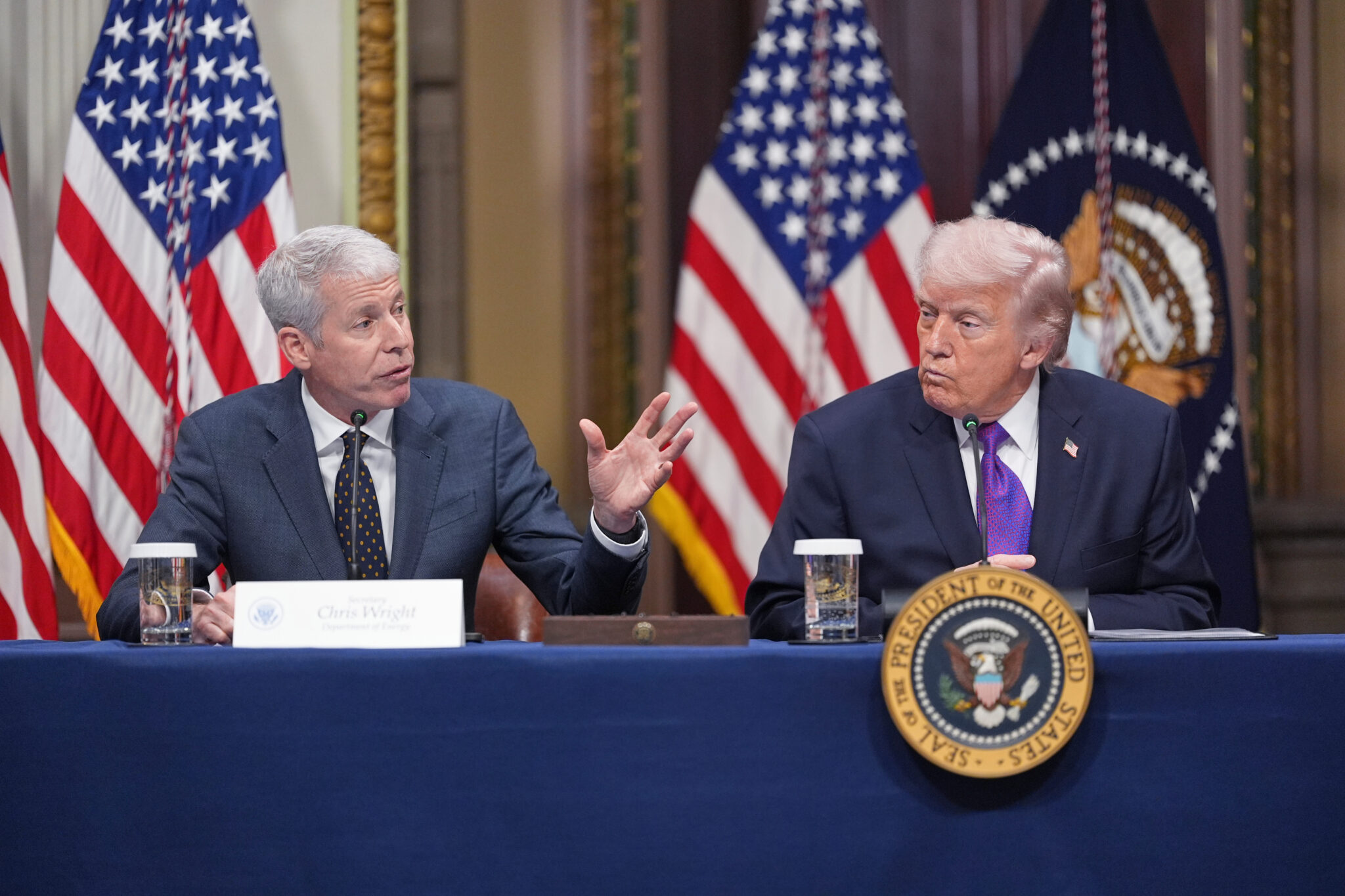
Trump Contradicts His Energy Secretary on Gas Prices: ‘He’s Wrong’/ Newslooks/ WASHINGTON/ J. Mansour/ Morning Edition/ President Donald Trump pushed back against Energy Secretary Chris Wright’s warning that gas prices may not fall below $3 per gallon until 2027. Trump said Wright was “totally wrong” and predicted prices would drop as soon as the war with Iran ends. The disagreement comes as tensions in the Strait of Hormuz continue driving global oil prices and political pressure ahead of midterm elections.
Trump Rejects Energy Secretary’s Gas Price Warning Quick Looks
- Donald Trump said Energy Secretary Chris Wright is “wrong” about gas prices
- Chris Wright warned gas may stay above $3 until 2027
- Trump said prices will fall “as soon as this ends” referring to the Iran war
- AAA shows the U.S. national average gas price is above $4 per gallon
- Rising oil prices are tied to instability in the Strait of Hormuz
- The issue is becoming politically sensitive ahead of 2026 midterm elections
- U.S.-Iran negotiations continue as ceasefire talks move to Pakistan
- China’s President Xi called for the Strait of Hormuz to remain open
Deep Look
Trump Publicly Contradicts His Own Energy Secretary
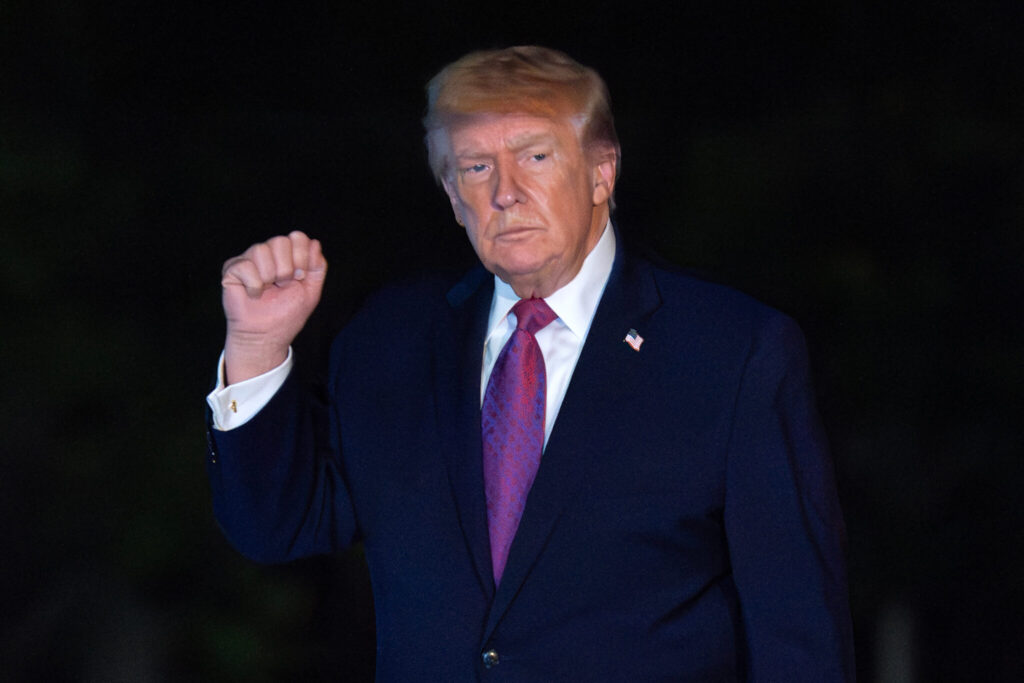
President Donald Trump publicly contradicted his own Energy Secretary on Monday, rejecting warnings that Americans may have to wait until 2027 for gas prices to return below $3 per gallon.
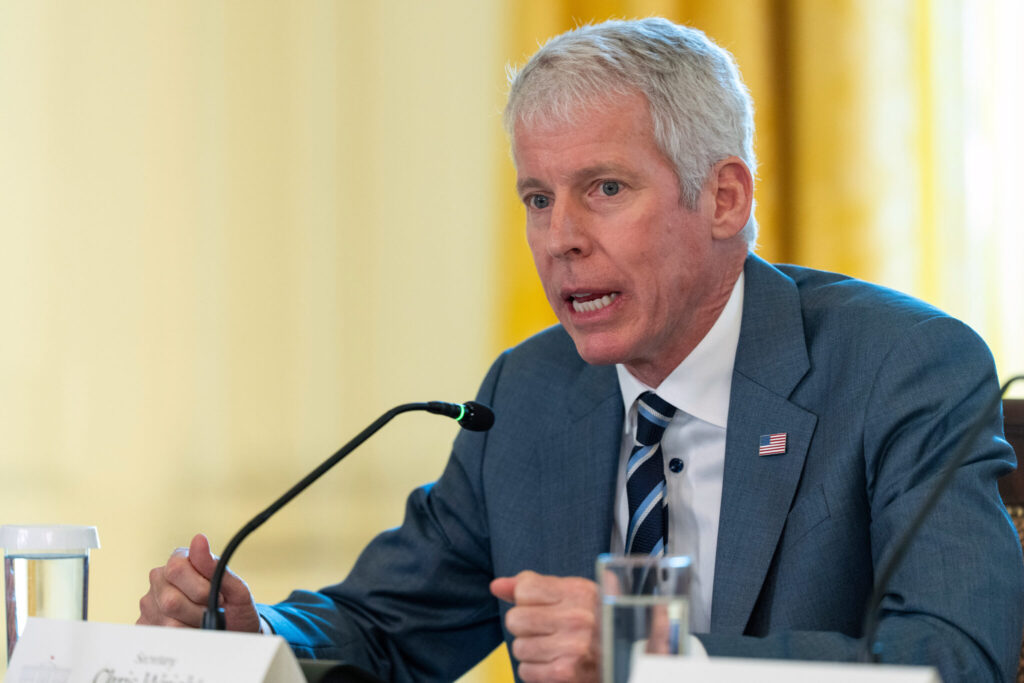
Speaking in a phone interview with The Hill, Trump dismissed Energy Secretary Chris Wright’s comments as completely inaccurate.
“No, I think he’s wrong on that. Totally wrong,” Trump said.
Trump insisted gasoline prices would fall much sooner and tied that directly to the end of the ongoing war with Iran.
“They’ll fall as soon as this ends,” he said, referring to the conflict and instability surrounding the Strait of Hormuz.
The disagreement highlights growing pressure inside the administration as rising fuel costs become a major economic and political issue.
Chris Wright Warned Cheap Gas May Not Return Soon
Wright made his comments during an appearance on CNN’s “State of the Union” on Sunday, where he acknowledged that Americans may not see gas prices drop below $3 per gallon nationally until next year—or possibly even 2027.
He explained that while prices may have already peaked, lasting relief depends heavily on restoring normal oil flows through the Persian Gulf and ending disruptions tied to the Iran conflict.
AAA data currently shows the national average for regular gasoline at just over $4 per gallon.
That is significantly higher than the roughly $2.98 average seen before the war with Iran began in February.
Pressed on whether prices could fall later this year, Wright said that was possible, but he warned it might take much longer depending on how quickly energy markets stabilize.
“But prices have likely peaked, and they’ll start going down,” he said.
His message reflected broader concern that global supply disruptions—not domestic production—are driving fuel prices higher.
Strait of Hormuz Remains the Key Energy Flashpoint
Much of the current pressure on gas prices comes from the Strait of Hormuz, one of the world’s most important oil shipping routes.
The narrow waterway between Iran and Oman handles roughly one-fifth of global oil and gas supplies.
Recent U.S. military actions, including the seizure of an Iranian-flagged cargo ship, have increased tensions and made the future of shipping through the strait uncertain.
Iran has warned it could continue restricting vessel movement, while the U.S. insists its naval blockade will remain until a broader agreement is reached.
This uncertainty has kept oil markets volatile and pushed gasoline prices higher worldwide.
Wright argued that until those risks are resolved, Americans should not expect immediate relief at the pump.
Trump, however, is signaling far more confidence that a quick diplomatic resolution will bring prices down rapidly.
Rising Fuel Costs Carry Political Risk Before Midterms
The gas price debate comes at a sensitive political moment for the White House.
With the 2026 midterm elections approaching, high fuel prices are becoming a major “kitchen-table” issue for voters already concerned about inflation and daily living costs.
Analysts often note that gasoline prices serve as one of the most visible symbols of broader economic health because consumers see them every day.
A national average above $4 per gallon makes it harder for any administration to argue that inflation is under control.
Recent polling from NBC News shows that 68% of Americans disapprove of the administration’s handling of inflation and the economy.
If fuel prices remain elevated through the fall, it could create significant political challenges for Trump and Republican allies trying to defend economic performance.
Wright Defends Administration’s Energy Response
Despite the criticism, Wright defended the administration’s handling of the crisis.
He argued that gasoline prices during the current conflict remain lower than the peaks seen during the Biden administration, even while facing what he described as “the largest interruption in flow of energy ever.”
He pointed to the United States’ position as a major oil producer and the world’s largest exporter of natural gas as reasons the country is better positioned than many others to absorb short-term energy shocks.
Sanctions, shipping disruptions, and military blockades continue pressuring markets, but Wright said the U.S. economy remains stronger than many global competitors facing the same supply crisis.
Still, consumers at the pump are likely to judge the situation based on what they pay weekly—not on broader export statistics.
Diplomacy and China’s Warning Add More Pressure
The next phase of the crisis may depend on diplomacy.
Trump said U.S. negotiators will travel to Pakistan for another round of talks with Iran ahead of the ceasefire deadline on Wednesday.
Vice President JD Vance is expected to lead the delegation alongside envoys Steve Witkoff and Jared Kushner.
At the same time, Chinese President Xi Jinping issued a warning that the Strait of Hormuz must remain fully open.
“The Strait of Hormuz should remain open to normal navigation, which serves the shared interests of countries in the region and the wider international community,” Xi said during a call with Saudi Crown Prince Mohammed bin Salman.
China is the world’s biggest buyer of Iranian crude oil, making stability in the Gulf especially important for Beijing.
Xi also repeated calls for an immediate ceasefire and broader peace efforts.
Gas Prices May Become the Defining Economic Story
Whether Trump or Wright proves correct may depend entirely on what happens in the next few days.
If diplomacy succeeds and oil flows normalize, prices could fall faster than expected.
If the ceasefire collapses and the Strait of Hormuz remains unstable, Americans may continue facing elevated fuel costs well into 2026.
For voters, the issue is simple: what they pay at the pump.
And for the White House, that may become one of the most politically important numbers of the year.