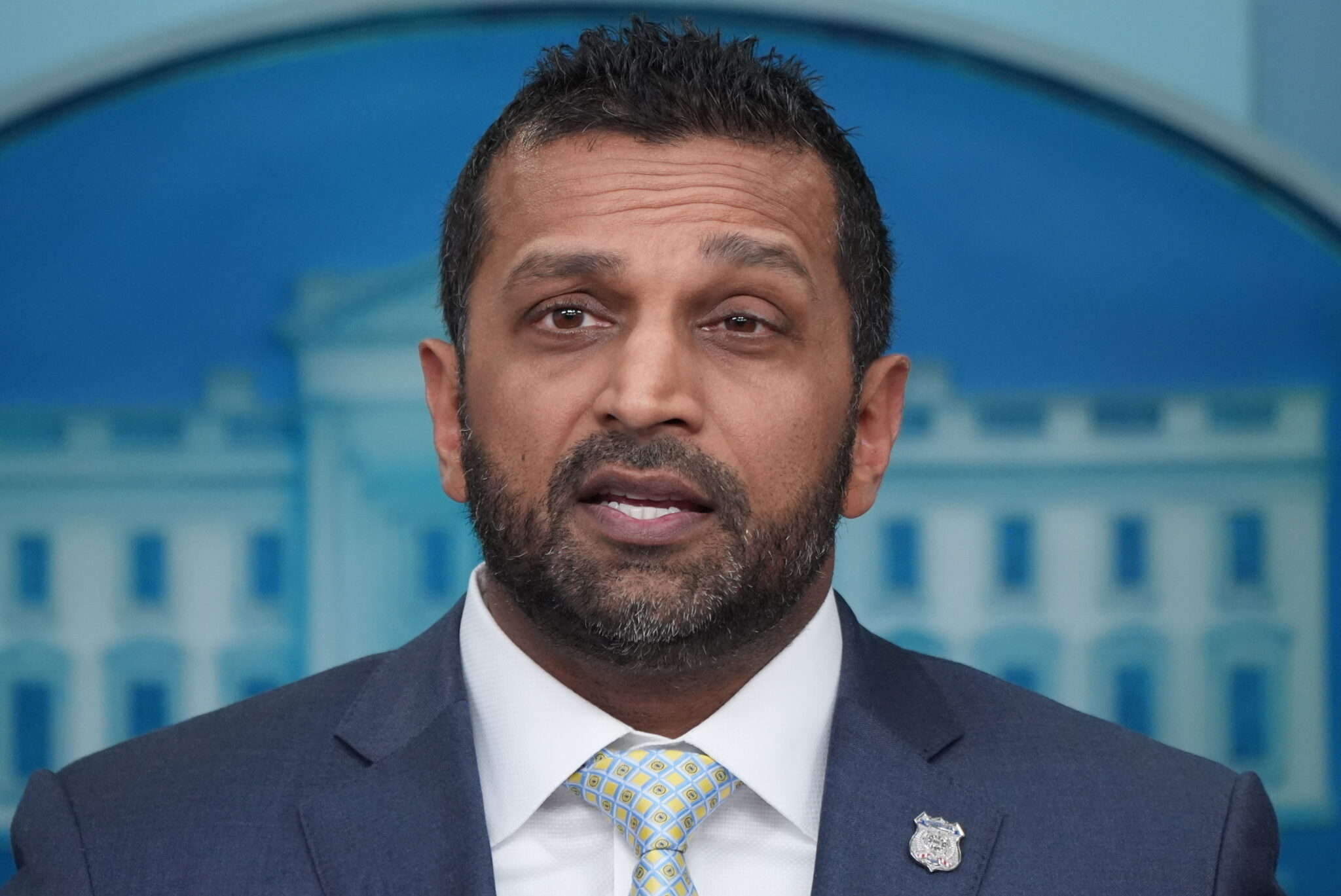
FBI Director Kash Patel Files $250M Defamation Lawsuit Against The Atlantic/ Newslooks/ WASHINGTON/ J. Mansour/ Morning Edition/ FBI Director Kash Patel has filed a $250 million defamation lawsuit against The Atlantic and reporter Sarah Fitzpatrick over allegations about his conduct and drinking habits. The lawsuit claims the publication falsely portrayed Patel as unfit for office and a national security risk. The Atlantic rejected the claims, calling the lawsuit meritless and vowing to defend its reporting.
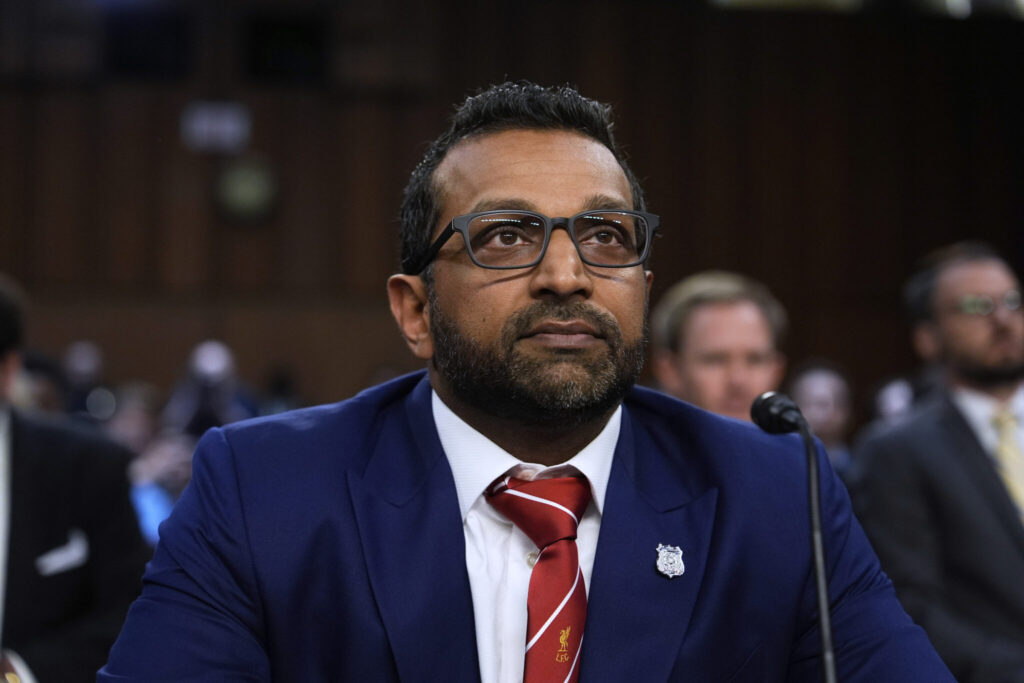
FBI Director Kash Patel Sues The Atlantic for Defamation Quick Looks
- FBI Director Kash Patel filed a $250 million defamation lawsuit
- The lawsuit targets The Atlantic and reporter Sarah Fitzpatrick
- The complaint was filed in U.S. District Court in Washington, D.C.
- Patel challenges allegations involving excessive drinking and absences
- The lawsuit says the article falsely portrayed him as a security risk
- Patel claims the publication acted with “actual malice”
- The Atlantic called the lawsuit “meritless”
- The magazine says it stands by its reporting
Deep Look
Kash Patel Launches Major Defamation Lawsuit
FBI Director Kash Patel has filed a massive $250 million defamation lawsuit against The Atlantic and reporter Sarah Fitzpatrick, escalating a high-profile dispute over a recent article that questioned his leadership and personal conduct.
The lawsuit was filed Monday morning in U.S. District Court for the District of Columbia and centers on a report published by The Atlantic last Friday.
That article alleged Patel had “alarmed colleagues with episodes of excessive drinking and unexplained absences,” raising concerns about his ability to lead the FBI and suggesting his behavior posed potential national security risks.
Patel strongly denied those allegations before publication and again after the story was released, warning the publication he intended to fight back in court.
He was quoted by the magazine as saying, “I’ll see you in court — bring your checkbook.”
Now, that legal threat has become reality.
Lawsuit Claims Article Falsely Damaged Patel’s Reputation
According to the complaint, the statements published in the article “falsely assert” that Patel is unfit to serve as FBI director and personally compromised.
The lawsuit argues the story falsely portrayed him as someone who is a habitual drunk, unable to perform the duties of his office, vulnerable to foreign coercion, and a danger to public safety.
It also challenges claims suggesting Patel violated Department of Justice ethics rules, could not be reached during emergencies, and required “breaching equipment” to remove him from locked rooms.
The suit further objects to allegations that alcohol influenced his public comments about criminal investigations and that he behaved erratically in ways that endangered national security.
Patel’s legal team says these descriptions are false, defamatory, and intentionally harmful to both his public standing and professional credibility.
The lawsuit states that The Atlantic “published these statements with actual malice.”
That phrase carries major legal importance in U.S. defamation law.
“Actual Malice” Sets High Legal Standard
Because Patel is a public figure and a senior federal official, he must meet the high legal standard known as “actual malice” to win a defamation case.
This means he must prove either that the publication knew the statements were false or acted with reckless disregard for whether they were true or false.
Many defamation lawsuits involving public officials fail because proving actual malice is extremely difficult.
Patel’s attorneys argue this case is different.
They say The Atlantic ignored clear denials before publication and failed to take what they describe as even the most basic investigative steps that would have disproved the claims.
The lawsuit also accuses the publication of showing “clear editorial animus” against Patel and claims the reporting was driven more by hostility than by verified facts.
This argument will likely become central as the case moves forward.
The Atlantic Defends Its Reporting
The Atlantic quickly rejected Patel’s lawsuit and said it stands firmly behind its journalism.
A spokesperson told CNN, “We stand by our reporting on Kash Patel, and we will vigorously defend The Atlantic and our journalists against this meritless lawsuit.”
Reporter Sarah Fitzpatrick also publicly defended her work shortly after the story was published.
Appearing on MS NOW on Friday night, she said, “I stand by every word of this reporting. We have excellent attorneys.”
Fitzpatrick reported that she interviewed “more than two dozen people” while preparing the article.
Those sources included current and former FBI officials, law enforcement personnel, intelligence agency staff, members of Congress, political operatives, hospitality workers, lobbyists, and former advisers.
According to the article, the sources spoke anonymously because they were discussing sensitive information and private conversations involving the FBI director.
They reportedly described Patel’s leadership as a management failure and his personal conduct as a national security vulnerability.
Anonymous Sources and Reporting Under Scrutiny
One of the central issues in the lawsuit is the use of anonymous sources.
Patel’s legal team argues that relying on unnamed sources without sufficient independent verification created false and damaging claims that should never have been published.
However, anonymous sourcing is common in investigative journalism, particularly when reporting involves government officials, national security concerns, or sensitive workplace complaints.
The Atlantic maintains that its reporting met journalistic standards and was supported by extensive sourcing across multiple institutions.
The legal fight may ultimately focus on whether the publication had enough credible evidence to justify publication—and whether editors knowingly ignored facts that contradicted the final story.
That distinction could determine whether the case survives early legal challenges or moves toward trial.
Another High-Profile Media Defamation Battle
The lawsuit adds to a growing list of major defamation battles involving media outlets and high-ranking political figures.
Such cases often become broader fights over press freedom, anonymous sourcing, and the limits of aggressive investigative journalism.
For Patel, the lawsuit is also a public effort to defend his credibility as head of the FBI at a time when leadership trust and national security oversight remain under intense scrutiny.
For The Atlantic, the case represents a test of its reporting and editorial standards under legal pressure.
The $250 million damages request signals just how serious Patel intends this legal battle to be.
Whether the case succeeds will depend largely on whether his legal team can prove the difficult standard of actual malice in federal court.
For now, both sides appear prepared for a long and highly public courtroom fight.