Iran Seizes Two Ships in Strait of Hormuz as Diplomacy Stalls/ Newslooks/ WASHINGTON/ J. Mansour/ Morning Edition/ Iran fired on three ships and seized two vessels in the Strait of Hormuz, escalating tensions despite President Donald Trump extending the U.S.-Iran ceasefire. The attacks intensified fears over global energy supplies as the U.S. maintained its blockade of Iranian ports and diplomacy with Tehran remained stalled. Oil prices surged again, with Brent crude nearing $100 a barrel as uncertainty over shipping routes and peace talks deepened.
Iran Seizes Ships in Strait of Hormuz as US Blockade Continues Quick Looks
- Iran fired on three ships in the Strait of Hormuz
- Two vessels were seized and escorted toward Iran
- The ships were identified as MSC Francesca and Epaminodes
- A third vessel, Euphoria, was heavily damaged
- The U.S. continues its blockade of Iranian ports
- Iran says no delegation will go to Pakistan until the blockade ends
- Brent crude oil surged close to $100 per barrel
- Europe says the crisis is costing €500 million daily
Deep Look
Iran Escalates Strait of Hormuz Crisis With New Ship Seizures
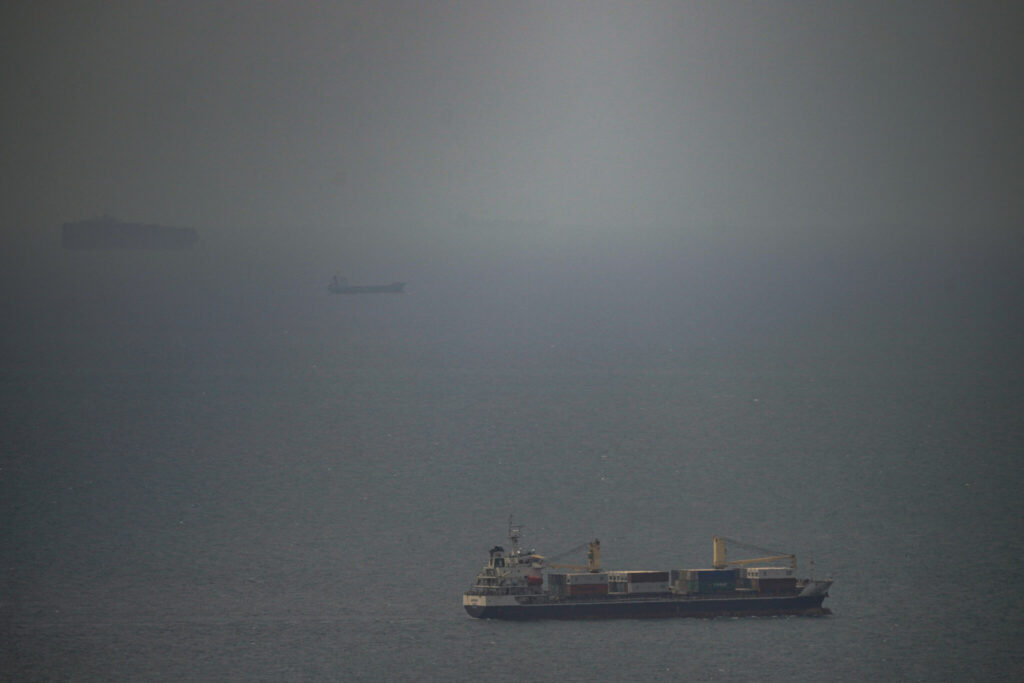
Iran sharply escalated tensions in the Strait of Hormuz on Wednesday after firing on three ships and seizing two of them, deepening fears of a wider economic crisis and renewed conflict in the Middle East.
Iranian media reported that the country’s paramilitary Islamic Revolutionary Guard Corps seized the vessels MSC Francesca and Epaminodes and began escorting them toward Iranian waters.
A third ship, identified as Euphoria, was also attacked after reportedly becoming stranded near the Iranian coast.
The aggressive move came just one day after President Donald Trump announced the United States would extend its ceasefire with Iran indefinitely while maintaining the American naval blockade of Iranian ports.
The latest maritime confrontation has created new doubts about whether peace talks between Washington and Tehran can resume anytime soon.
British Military Reports Heavy Damage to Cargo Ship
The United Kingdom Maritime Trade Operations Center, which monitors shipping threats in the region, confirmed the attacks and described serious damage to one vessel.
Officials said a Revolutionary Guard gunboat opened fire on a container ship and “caused heavy damage to the bridge.”
A second cargo ship came under fire several hours later and was forced to stop in open water.
No injuries to crew members were immediately reported.
The owners of the seized vessels could not be reached for comment.
These attacks add to more than 30 maritime assaults reported in the Middle East since the U.S. and Israel launched military operations against Iran on February 28.
Before the war began, the Strait of Hormuz remained open for normal commercial traffic.
Now, shipping through one of the world’s most important trade routes is under constant threat.
Why the Strait of Hormuz Matters So Much
The Strait of Hormuz is one of the world’s most critical energy chokepoints.
Roughly 20% of global oil passes through the narrow waterway during normal peacetime operations.
Any disruption there immediately affects fuel prices, shipping costs, airline expenses, and food supply chains across the world.
Iran’s ability to restrict access to the strait has become one of Tehran’s strongest negotiating tools in its standoff with Washington.
Even though direct American and Israeli airstrikes have paused under the ceasefire, the maritime conflict remains active.
Without a diplomatic agreement, many shipping companies may simply avoid the route altogether.
That would further tighten global energy supplies and prolong the economic pain already spreading across Europe, Asia, and the United States.
Oil Prices Surge Toward $100 a Barrel
Markets reacted quickly to Wednesday’s attacks.
That spike adds to already rising gasoline prices and broader inflation concerns worldwide.
The longer the Strait of Hormuz remains unstable, the more severe the economic damage could become.
Dan Jørgensen, the European Union’s energy commissioner, warned that the crisis could have long-lasting consequences for both consumers and businesses.
He compared the current situation to some of the biggest energy shocks of the past 50 years.
According to Jørgensen, the conflict is costing Europe roughly 500 million euros—about $600 million—every single day.
That includes higher fuel imports, transportation disruptions, and increased costs across supply chains.
Iran Refuses New Talks Until US Lifts Blockade
While Trump extended the ceasefire, Iran has made clear that diplomacy will not move forward unless Washington changes course.
Mojtaba Ferdousi Pour told The Associated Press that no Iranian delegation would travel to Pakistan for talks until the U.S. lifts its blockade of Iranian ports.
That blockade remains the biggest obstacle in the peace process.
Washington says the blockade is necessary to stop Iran from using the Strait of Hormuz as leverage over global trade.
Tehran sees it as economic warfare and proof that the U.S. is negotiating under military pressure.
Two Pakistani officials said Islamabad is still waiting to hear when—or if—Iran will send a delegation.
Pakistan has spent days trying to keep diplomacy alive, but the latest attacks suggest Tehran is willing to apply more pressure before returning to the table.
Iran Shows Defiance With Missile Displays
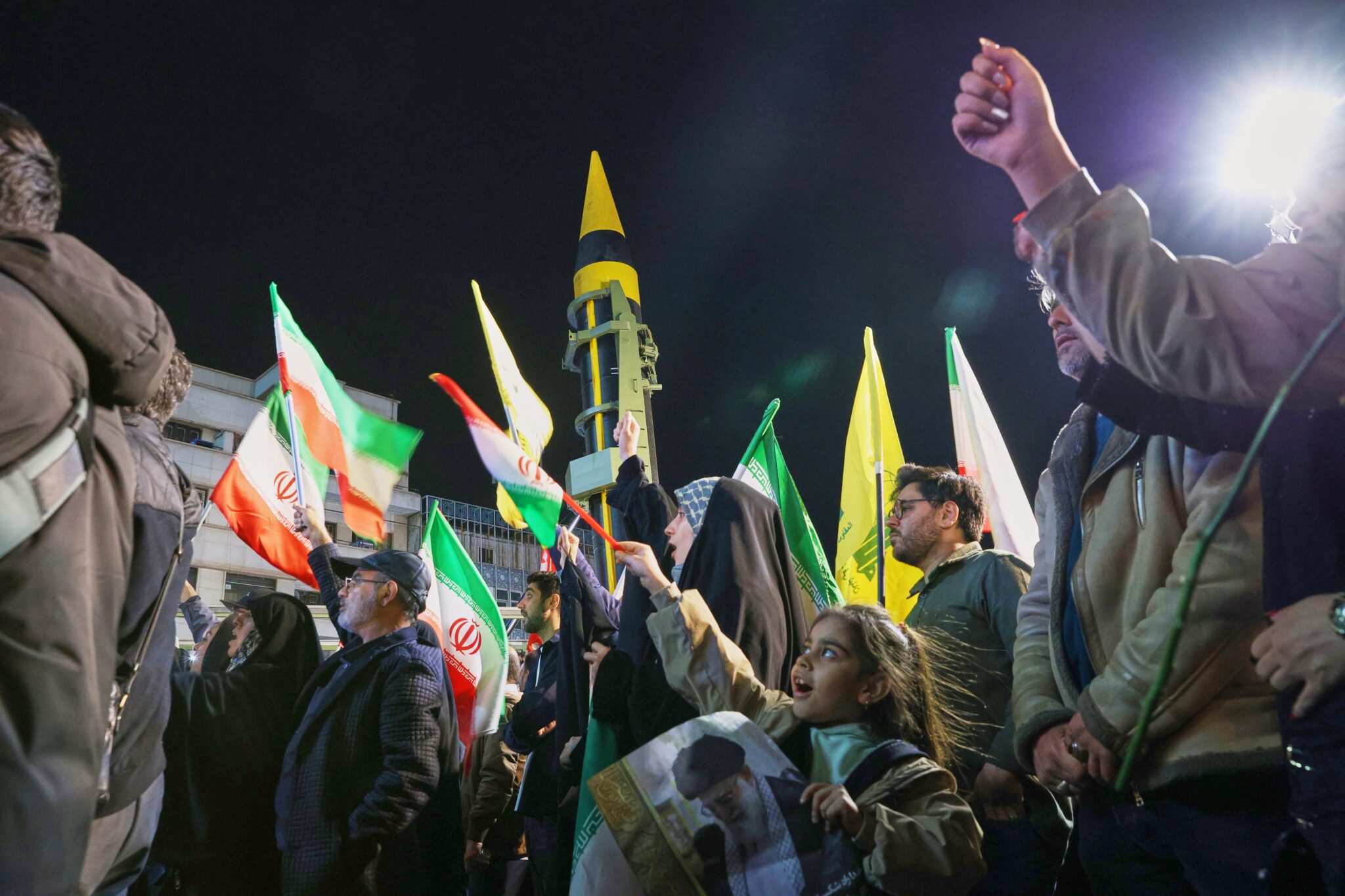
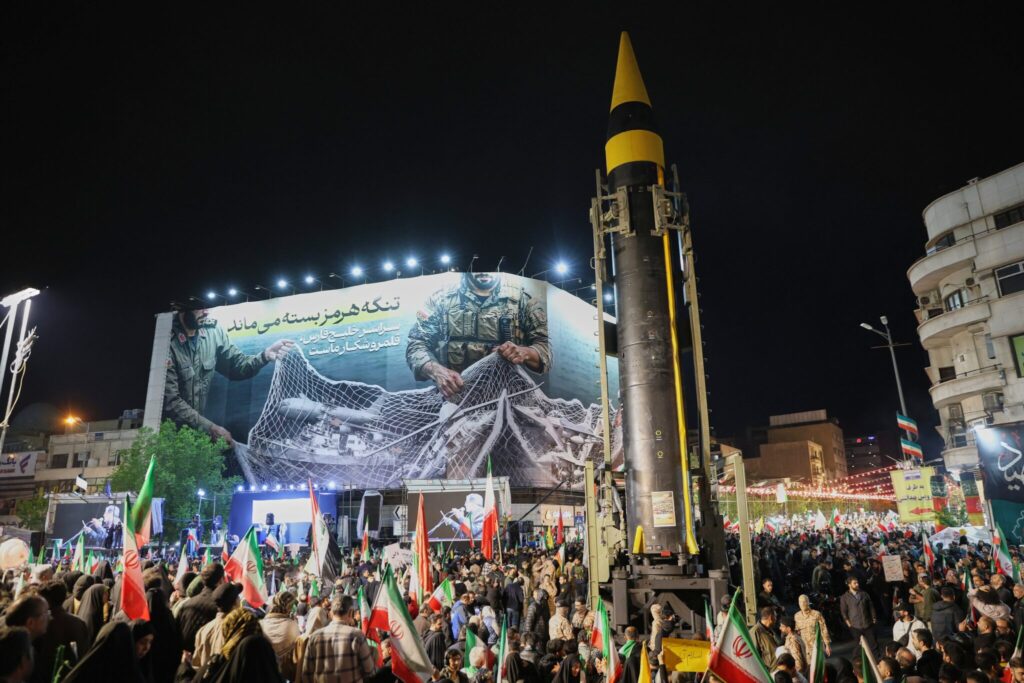
On Tuesday night, hard-line supporters of Iran’s ruling theocracy staged public rallies where the Revolutionary Guard displayed missiles and launchers.
The demonstrations were widely seen as a message of defiance toward both the United States and Israel.
Much of the U.S.-Israeli air campaign focused on destroying Iran’s ballistic missile arsenal, making the public display especially symbolic.
The message from Tehran was clear: Iran still has military leverage and intends to use it if necessary.
That posture supports growing evidence that Iran wants to negotiate from a position of strength, not under threat.
It also increases concerns that the ceasefire may be temporary rather than the beginning of lasting peace.
Residents in Tehran Unsure What Comes Next
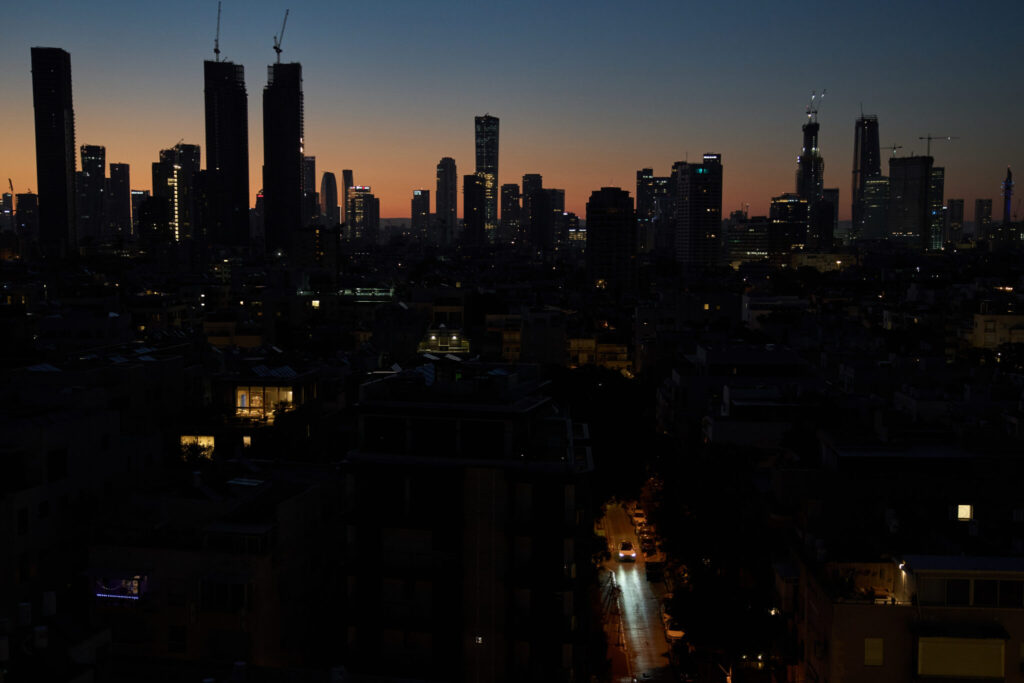
Inside Iran, many ordinary citizens remain uncertain about whether the ceasefire will actually hold.
In Tehran, residents expressed growing anxiety over the unclear future.
“We should know where we stand. Is it going to be a ceasefire, peace or the war is going to continue?” said Mashallah Mohammad Sadegh, a 59-year-old resident.
“The way things currently are, one doesn’t know what to do.”
That uncertainty reflects the wider mood across the region, where diplomacy and military escalation continue side by side.
For civilians, businesses, and governments alike, no one knows whether the next headline will be peace talks—or another round of strikes.
Lebanon Ceasefire Also Shows Signs of Strain
The broader regional conflict is also affecting Lebanon.
In the village of Jabbour, Lebanon’s state-run National News Agency reported that an Israeli drone strike killed one person and wounded two others.
Israel’s military denied carrying out the attack.
A separate 10-day ceasefire between Israel and the Iran-backed militant group Hezbollah began on Friday, but tensions remain high.
There have already been multiple Israeli strikes, and Hezbollah claimed its first attack on Tuesday since the truce began.
That suggests the Lebanon front could also become unstable again if broader U.S.-Iran diplomacy collapses.
Human Cost of the Regional War Continues to Rise
Since the war began, the human toll has continued climbing.
Iranian authorities say at least 3,375 people have been killed inside Iran.
More than 2,290 people have died in Lebanon.
Israel has reported 23 deaths, while more than a dozen people have died in Gulf Arab states.
Fifteen Israeli soldiers in Lebanon and 13 U.S. service members have also been killed.
The conflict has already become one of the region’s most dangerous crises in decades.
Now, with shipping attacks escalating and diplomacy stalled, the risk of even broader consequences continues to grow.