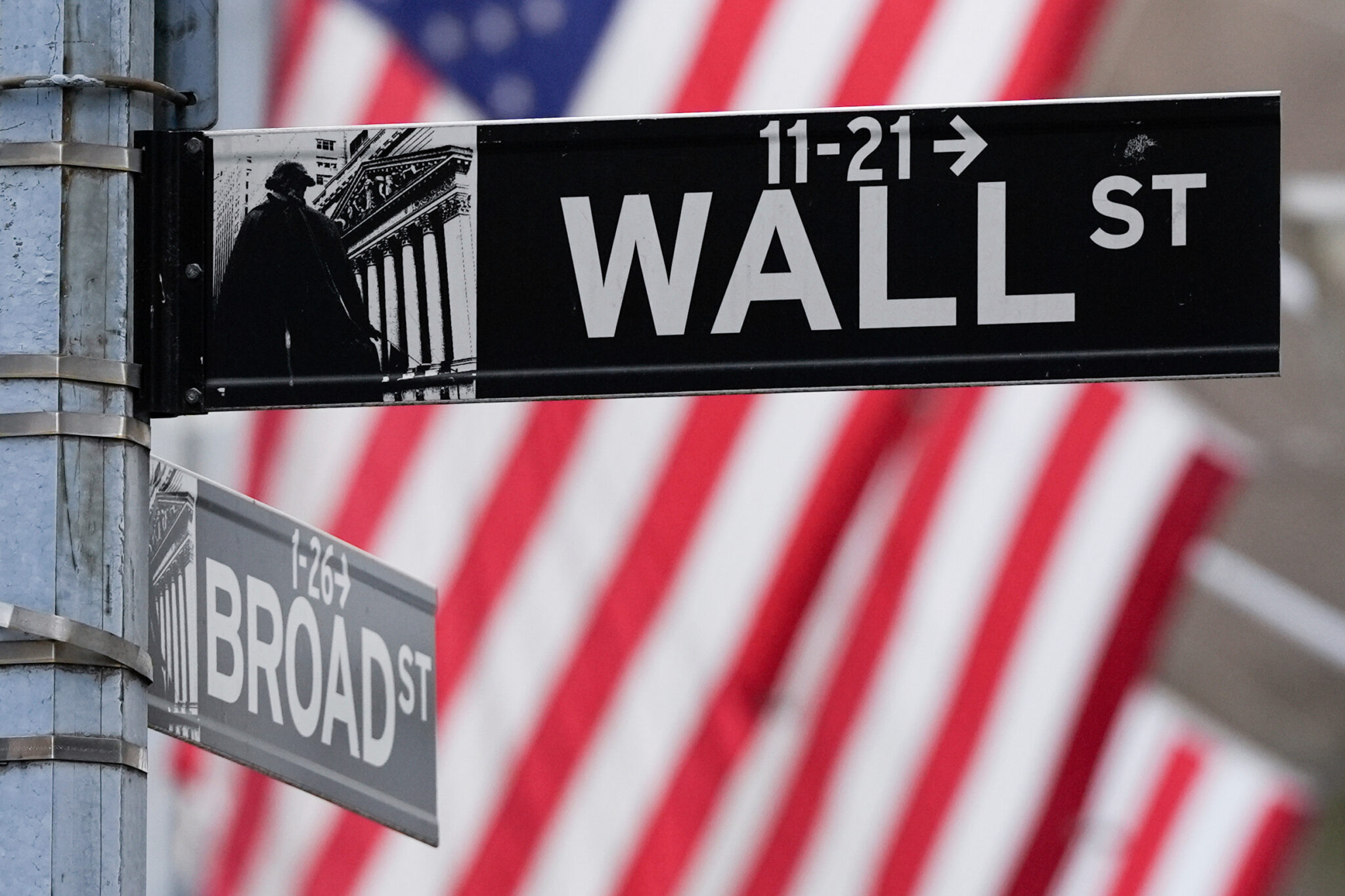
Wall Street Nears Record High While Oil Surges on Iran Tensions/ Newslooks/ WASHINGTON/ J. Mansour/ Morning Edition/ U.S. stocks moved closer to another record Wednesday as strong earnings from major companies like GE Vernova, Boston Scientific, and Boeing lifted Wall Street. At the same time, oil prices continued climbing as tensions around the U.S.-Iran conflict and shipping disruptions in the Strait of Hormuz created fresh uncertainty for global markets. Investors remain cautiously optimistic as strong corporate profits compete with fears of prolonged energy disruption and inflation pressure.
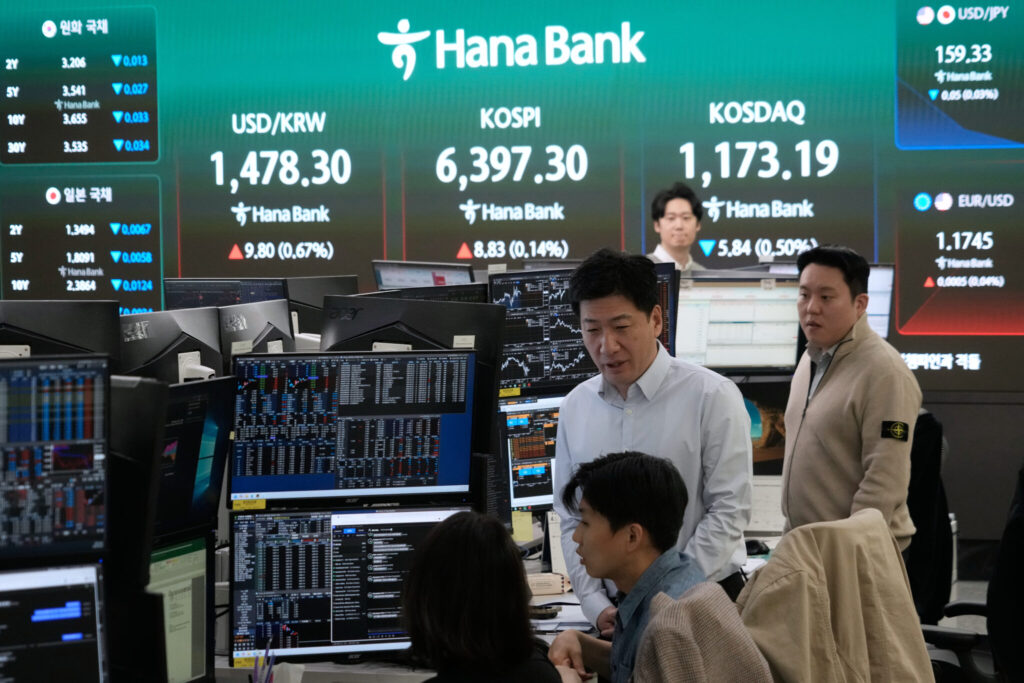
US Stocks Rise as Oil Prices Climb Amid Iran War Uncertainty Quick Looks
- The S&P 500 climbed 0.6% and neared another record high
- The Dow Jones Industrial Average rose 345 points
- GE Vernova surged 12.1% after strong earnings
- Boston Scientific and Boeing also posted strong results
- Brent crude rose 1.4% to nearly $100 per barrel
- Iran fired on three ships and seized two in the Strait of Hormuz
- President Donald Trump extended the ceasefire but kept the U.S. blockade
- Investors are watching both earnings and geopolitical risks closely
Deep Look
Wall Street Pushes Higher as Earnings Stay Strong
U.S. stocks climbed Wednesday as another round of stronger-than-expected corporate earnings pushed Wall Street closer to fresh record highs.
The S&P 500 rose 0.6% and was on track to move above the all-time high it set just days earlier.
The Dow Jones Industrial Average gained 345 points, or 0.7%, while the Nasdaq composite also advanced 0.7%.
The rally was driven largely by strong first-quarter results from major U.S. companies, reinforcing investor confidence that corporate America remains resilient despite global uncertainty.
Even with war in the Middle East, rising oil prices, and inflation concerns, most companies in the S&P 500 have continued to outperform analyst expectations.
That earnings strength has helped the market post gains in 13 of the last 16 trading sessions.
GE Vernova Leads the Charge Higher
GE Vernova was one of the strongest performers of the day, jumping 12.1% after reporting profits that far exceeded analyst forecasts.
The company, whose products help generate roughly a quarter of the world’s electricity, said demand for its equipment is accelerating globally.
Management also raised its full-year forecasts for revenue and other key financial measures, signaling continued strength ahead.
Investors viewed the results as a sign that industrial demand remains healthy even during global instability.
Because energy infrastructure remains central to both economic growth and energy security, GE Vernova’s performance drew significant attention across markets.
Its sharp rise helped lift broader investor sentiment early in the trading session.
Boston Scientific, Boeing and Philip Morris Also Gain
Several other major companies also posted stronger-than-expected quarterly results.
Boston Scientific rallied 6.5% after reporting better profits for the latest quarter.
Boeing climbed 4.1%, continuing its rebound as investors responded positively to earnings improvements and stronger operational performance.
Philip Morris International also rose 3.6% after beating Wall Street expectations.
The broad strength across healthcare, industrials, and consumer sectors shows that investor optimism is not limited to just one part of the economy.
It also supports the idea that the U.S. economy may be stronger than many feared despite ongoing geopolitical risks.
Oil Prices Rise Again as Iran Conflict Deepens
While stocks moved higher, oil prices also climbed as investors watched new developments in the war involving Iran.
Brent crude oil, the global benchmark, rose 1.4% to $99.88 per barrel.
That price reflects growing concern that disruptions in the Persian Gulf may continue longer than expected.
The biggest focus remains the Strait of Hormuz, the narrow waterway off Iran’s coast through which roughly 20% of the world’s oil typically passes.
On Wednesday, Iran fired on three ships in the strait and seized two of them, raising fears of deeper shipping disruptions.
Any threat to oil moving through Hormuz immediately affects global energy markets.
That risk continues to pressure fuel prices worldwide.
Trump Extends Ceasefire but Maintains Blockade
However, he also made clear that the American naval blockade of Iranian ports would remain in place.
That decision created a complicated situation for diplomacy.
While the ceasefire reduced fears of immediate military escalation, the continued blockade keeps major economic pressure on Tehran and limits progress toward a full peace agreement.
Iran has insisted that no new peace talks will happen unless the U.S. lifts the blockade.
The standoff over Hormuz and the blockade has left investors uncertain about whether the crisis is cooling—or simply being delayed.
That uncertainty continues to shape both stock and oil markets.
Oil Markets Less Volatile but Still Dangerous
Although oil prices remain elevated, market swings have become less extreme compared to earlier in the conflict.
Before the war began, Brent crude traded around $70 per barrel.
At the height of panic, prices briefly surged above $119 per barrel.
Similarly, the S&P 500 had dropped nearly 10% below its previous record high before recovering.
The more moderate market moves now suggest investors believe a worst-case scenario may still be avoided.
Still, no one is assuming the danger has passed.
A long-term closure of Hormuz or a collapse in diplomacy could quickly reverse recent market stability.
That keeps traders cautious even during strong stock rallies.
Best Buy Drops After CEO Departure
Not every company benefited from Wednesday’s optimism.
Best Buy fell 4.4% after announcing the departure of CEO Corie Barry.
She will be replaced by longtime company executive Jason Bonfig, who currently serves as chief customer, product, and fulfillment officer.
Leadership changes often create short-term uncertainty for investors, especially during a challenging retail environment shaped by inflation and shifting consumer demand.
The decline showed that even on strong market days, company-specific news can still drive sharp stock reactions.
Global Markets Show Mixed Performance
Markets outside the United States were more mixed.
European indexes slipped as investors remained cautious about energy costs and geopolitical risks.
In Asia, results were split.
Japan’s Nikkei 225 rose 0.4% after government data showed exports jumped nearly 11.7% in March.
That increase suggested Japanese manufacturers may be recovering from the impact of tariffs imposed after Trump returned to office last year.
Meanwhile, Hong Kong’s Hang Seng Index fell 1.2%, one of the sharper declines globally.
The uneven performance reflects how different economies are absorbing the effects of energy costs, tariffs, and war-related uncertainty.
Bond Yields Ease as Fed Debate Continues
In the bond market, Treasury yields moved slightly lower despite rising oil prices.
The yield on the 10-year Treasury fell to 4.28% from 4.30% late Tuesday.
That pullback followed renewed focus on Federal Reserve policy.
Trump’s nominee for Fed chair, Kevin Warsh, said Tuesday that he never promised Trump he would cut interest rates.
That statement mattered because Trump has repeatedly demanded lower rates to support stronger growth.
Investors are closely watching whether the next Fed leadership team will maintain independence or move more aggressively toward rate cuts.
With inflation risks tied to rising oil prices, that debate has become even more important.