Stocks, Oil Prices Hold Steady in Countdown to US-Iran Ceasefire Talks/ Newslooks/ WASHINGTON/ J. Mansour/ Morning Edition/ U.S. stocks and oil prices remained relatively steady Tuesday as investors watched corporate earnings and prepared for critical U.S.-Iran ceasefire talks in Pakistan. Strong earnings from major companies like UnitedHealth Group and Quest Diagnostics helped support Wall Street despite ongoing geopolitical risks. Markets remain focused on the Strait of Hormuz and whether diplomacy can prevent another major oil supply shock.
Stocks and Oil Stay Calm Ahead of US-Iran Talks Quick Looks
- The S&P 500 slipped just 0.1% Tuesday
- Oil prices remained relatively stable despite Iran war tensions
- Brent crude rose 1.3% to $96.72 per barrel
- Investors expect new U.S.-Iran ceasefire talks in Pakistan
- UnitedHealth Group jumped 7.7% after strong earnings
- Apple slipped after Tim Cook announced he will step down
- Amazon rose after a major Anthropic cloud deal
- Markets are watching the Federal Reserve nomination hearing for Kevin Warsh
Deep Look
Wall Street Stays Cautious Before Major Ceasefire Deadline
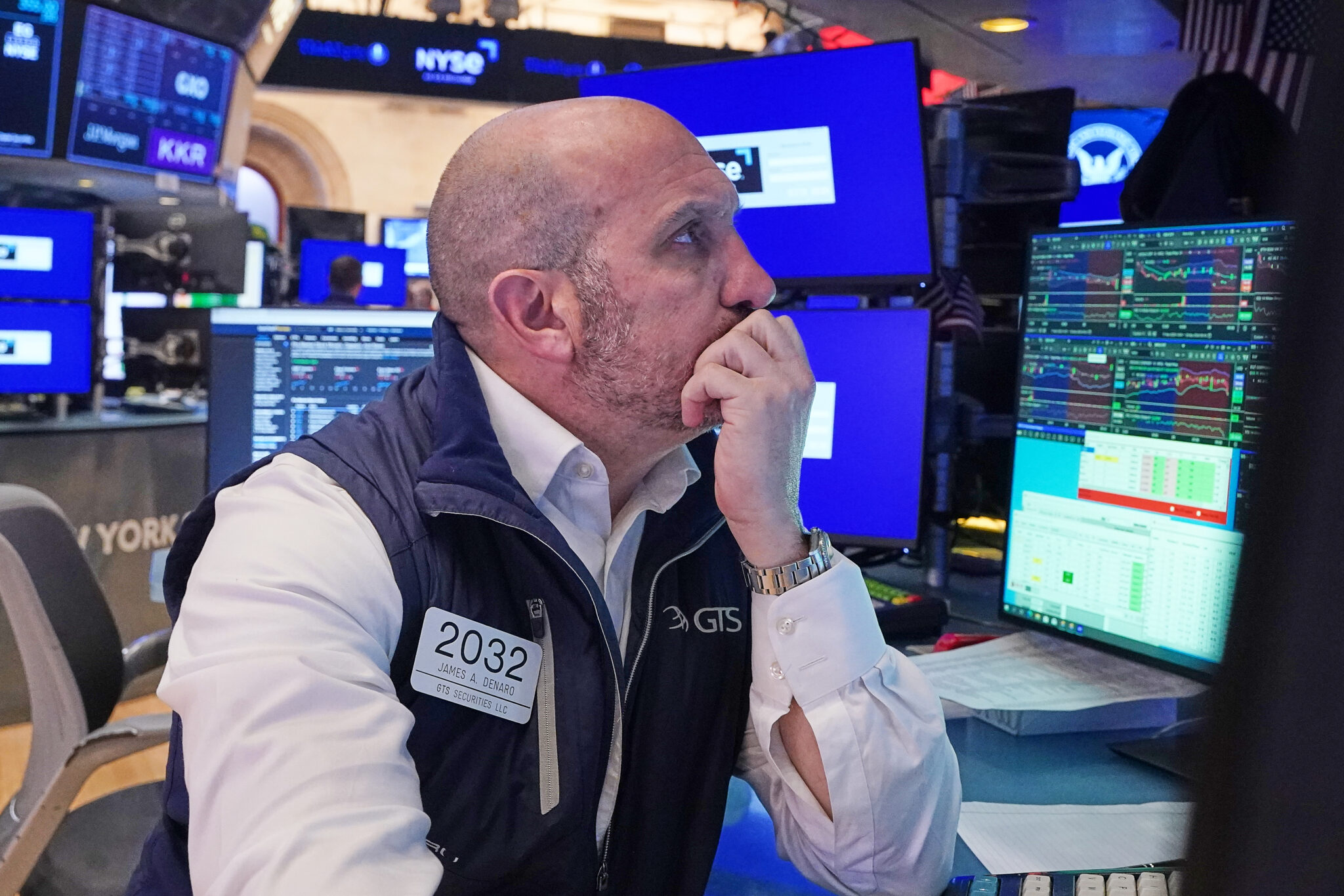
U.S. stocks moved only slightly Tuesday as investors balanced strong corporate earnings against the continuing uncertainty surrounding the war between the United States and Iran.
The S&P 500 dipped 0.1%, staying just below its all-time high after only its second decline in the last 14 trading sessions.
The Dow Jones Industrial Average was down just 14 points, or less than 0.1%, while the Nasdaq Composite remained mostly unchanged.
Oil prices also stayed relatively stable, suggesting investors still believe diplomacy may prevent the worst-case economic scenario tied to the Middle East conflict.
Markets are now focused heavily on Wednesday’s scheduled expiration of the fragile U.S.-Iran ceasefire agreement and the expected talks in Pakistan that could determine whether the truce survives.
Strong Corporate Earnings Support Investor Confidence
Several major companies helped keep Wall Street stable by delivering stronger profits than expected.
UnitedHealth Group led the gains, jumping 7.7% after reporting better-than-expected profit and revenue for the start of the year.
The company also raised its full-year 2026 profit forecast, giving investors another positive signal about the broader U.S. economy.
That matters because stock prices tend to follow corporate earnings over the long term.
When companies both beat analyst expectations and raise future guidance, it gives investors more confidence about market stability.
Quest Diagnostics also posted strong results, rising 4.2% after beating profit and revenue estimates and lifting its full-year forecast.
Those gains helped offset weaker results from Tractor Supply Company, which fell 8.3% after missing Wall Street expectations.
Retail Spending Shows Consumers Are Still Buying
Another encouraging sign came from U.S. consumer spending.
A fresh report showed that American retailers posted stronger-than-expected sales in March—the first full month after the Iran war began.
Retail sales rose sharply even after removing gasoline station purchases, showing that consumers were still spending beyond just higher fuel costs.
That data suggested the U.S. economy may be holding up better than some feared despite wild swings in oil prices and geopolitical tensions.
“It’s become cliched to say that the economic hit will depend on the duration of the Middle East conflict, but that cliché does ring true,” said Brian Jacobsen.
The spending report helped calm fears that higher gasoline prices alone were pushing the economy toward a sharp slowdown.
Oil Prices Remain Focused on the Strait of Hormuz
Energy markets remain centered on one key location: the Strait of Hormuz.
Brent crude, the global oil benchmark, rose 1.3% Tuesday to $96.72 per barrel.
The narrow waterway off Iran’s coast is one of the world’s most critical oil shipping routes, serving as the main exit point for tankers leaving the Persian Gulf.
If the strait were closed for an extended period, massive amounts of crude oil would remain trapped, causing global shortages and likely much higher fuel prices.
Before the war began, Brent crude traded near $70 per barrel.
At the height of fears surrounding a possible long-term closure, prices briefly surged above $119.
Tuesday’s calmer trading suggests markets still believe a negotiated reopening remains possible.
Still, investors know the situation could change quickly if ceasefire talks fail.
Apple CEO Transition and Amazon AI Deal Move Markets
On the corporate side, Apple shares fell 1.5% after Tim Cook announced he will step down as CEO on Sept. 1.
Cook will become executive chairman while longtime hardware leader John Ternus takes over leadership.
The leadership change marks the end of one of the most financially successful CEO runs in corporate history.
Meanwhile, Amazon rose 1.8% after Anthropic announced a major long-term cloud agreement.
Anthropic said it would commit more than $100 billion over the next 10 years to Amazon Web Services technology to train and operate its Claude AI chatbot.
The deal further strengthens Amazon’s position in the fast-growing artificial intelligence race.
Global Markets and Bond Yields Reflect Caution
International markets were mixed.
European indexes mostly moved lower, while Asian markets finished stronger.
South Korea’s KOSPI rose 2.7%, one of the strongest performances globally.
In the bond market, Treasury yields moved slightly higher.
The 10-year Treasury yield rose to 4.29% from 4.26% late Monday.
Higher bond yields often reflect investor expectations for persistent inflation and the possibility that the Federal Reserve may keep interest rates elevated for longer.
That concern is also shaping attention in Washington.
Kevin Warsh Faces Federal Reserve Independence Test
Investors are closely watching Kevin Warsh as he appeared on Capitol Hill Tuesday for his confirmation hearing to become the next Federal Reserve chair.
Warsh faces a delicate balancing act.
President Donald Trump has strongly pushed for lower interest rates, but investors want reassurance that the Fed will remain independent from political pressure.
During the hearing, Warsh pledged to continue fighting inflation and stressed that monetary policy must remain “strictly independent.”
That message matters because higher inflation usually leads the Fed to hold rates steady—or raise them—rather than cut them.
How Warsh handles inflation and political pressure could become one of the most important financial stories of the year.
Markets Wait for Diplomacy to Decide the Next Move
For now, markets are showing restraint rather than panic.
Strong earnings, steady consumer spending, and hopes for diplomacy are helping investors stay calm despite ongoing war risks.
But much depends on what happens next in Pakistan.
If U.S.-Iran ceasefire talks succeed, oil prices may ease further and markets could continue their rally.
If negotiations fail and tensions escalate around the Strait of Hormuz, investors may quickly face a much more volatile second half of 2026.
For Wall Street, diplomacy may be the single biggest market-moving force this week.