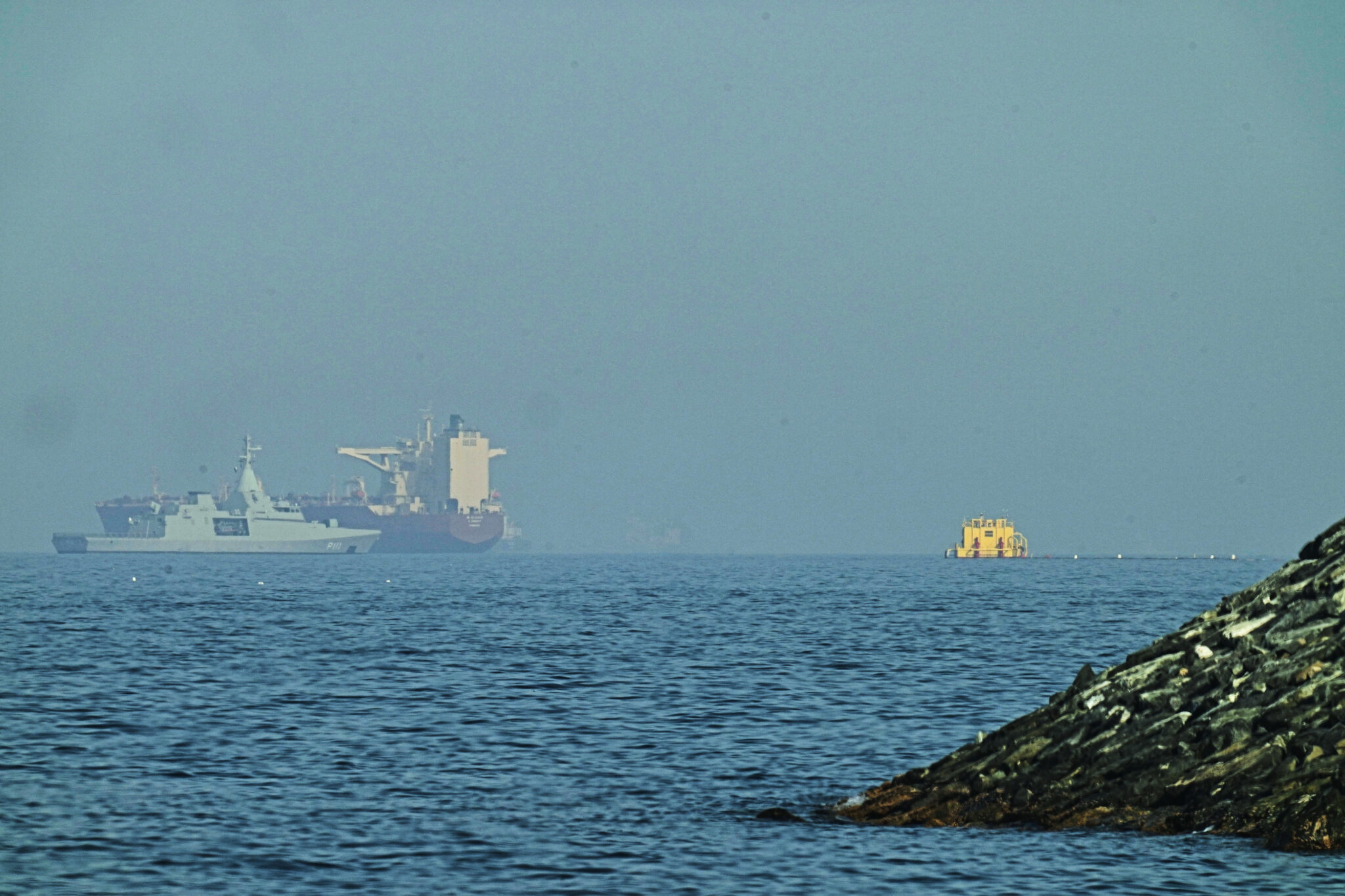
US Military Strikes Sites in Iran as Countries Exchange Fire/ Newslooks/ WASHINGTON/ J. Mansour/ Morning Edition/ U.S. forces struck multiple Iranian military sites Thursday after Iranian missiles, drones and small boats targeted American Navy destroyers near the Strait of Hormuz. CENTCOM described the operation as defensive and said no U.S. ships were damaged during the confrontation. The exchange raised fresh concerns about the fragile ceasefire between Washington and Tehran.
US Iran Strait Conflict Quick Looks
- U.S. destroyers intercepted Iranian missile and drone attacks
- CENTCOM struck Iranian military facilities in response
- Targets included Bandar Abbas and Qeshm Island
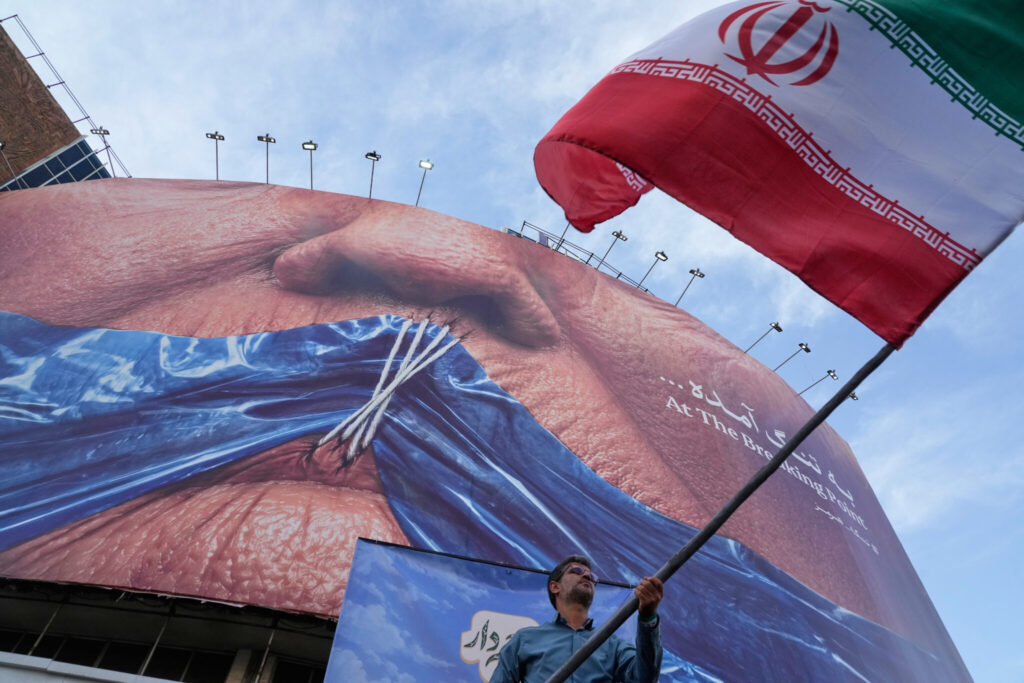
- Iran accused the U.S. of violating the ceasefire
- No American ships were reportedly hit
- Tensions continue despite ongoing diplomatic negotiations
Deep Look
US Forces Launch Strikes After Iranian Attacks
The United States launched strikes against Iranian military facilities Thursday after Iranian forces targeted U.S. Navy destroyers transiting the Strait of Hormuz, according to U.S. Central Command.
CENTCOM said the attacks involved missiles, drones and small boats aimed at the USS Truxtun, USS Rafael Peralta and USS Mason while the vessels moved through the strategic waterway into the Gulf of Oman.
The U.S. military described the Iranian attacks as “unprovoked” and said American forces responded with defensive strikes against facilities believed responsible for launching the assaults.
Iranian Military Sites Targeted
According to CENTCOM, the operation targeted:
- Missile launch facilities
- Drone launch sites
- Command-and-control centers
- Intelligence and surveillance infrastructure
A U.S. official told CNN that strikes occurred near:
- Bandar Abbas
- Qeshm Island
- Bandar Kargan naval facilities
Iranian officials later confirmed attacks in southern Hormozgan province and reported exchanges of fire near key coastal areas.
Iran Claims Civilian Areas Hit
Iran’s armed forces spokesperson accused the United States of striking civilian coastal regions near:
- Qeshm Island
- Bandar Khamir
- Sirik
Iran also claimed the U.S. violated the ongoing ceasefire by targeting an Iranian tanker attempting to move toward the Strait of Hormuz.
State media in Iran reported that facilities at Bahman Pier on Qeshm Island were damaged during the confrontation.
Fragile Ceasefire Faces New Pressure
The exchange marked the latest escalation despite a nearly month-old ceasefire between Washington and Tehran.
Chairman of the Joint Chiefs of Staff Dan Caine previously stated Iran had launched more than ten attacks against U.S. forces since the ceasefire began, though officials insisted those incidents had not crossed the threshold into renewed full-scale war.
Defense Secretary Pete Hegseth and military leaders have repeatedly said U.S. forces remain in a defensive posture while maintaining readiness to respond.
Project Freedom And Hormuz Tensions
The latest confrontation comes amid growing instability surrounding “Project Freedom,” the U.S. naval operation intended to guide commercial vessels safely through the Strait of Hormuz.
President Donald Trump temporarily paused the operation earlier this week, saying progress was being made toward a possible agreement with Iran.
However, the blockade of Iranian ports remains in effect, and military tensions continue to threaten global shipping routes and oil markets.
The Strait of Hormuz remains one of the world’s most critical energy chokepoints, carrying a major share of global crude oil shipments.
Iran Responds With ‘Reciprocal Action’
Iranian officials said Tehran responded to the U.S. strikes by attacking American military vessels east of the Strait of Hormuz and south of Chabahar.
Iranian media framed the action as retaliation for U.S. “aggression” and accused Washington of escalating tensions while negotiations were ongoing.
Despite the exchange, CENTCOM emphasized:
“CENTCOM does not seek escalation but remains positioned and ready to protect American forces.”
Regional Concerns Continue Growing
The renewed fighting has intensified concerns among Gulf allies and global markets already shaken by months of instability.
Saudi Arabia and Kuwait reportedly expressed frustration over U.S. military responses earlier this week, though cooperation with Washington has continued.
Meanwhile, oil markets remain volatile as investors watch for signs that negotiations between Washington and Tehran could either stabilize the region or collapse entirely.