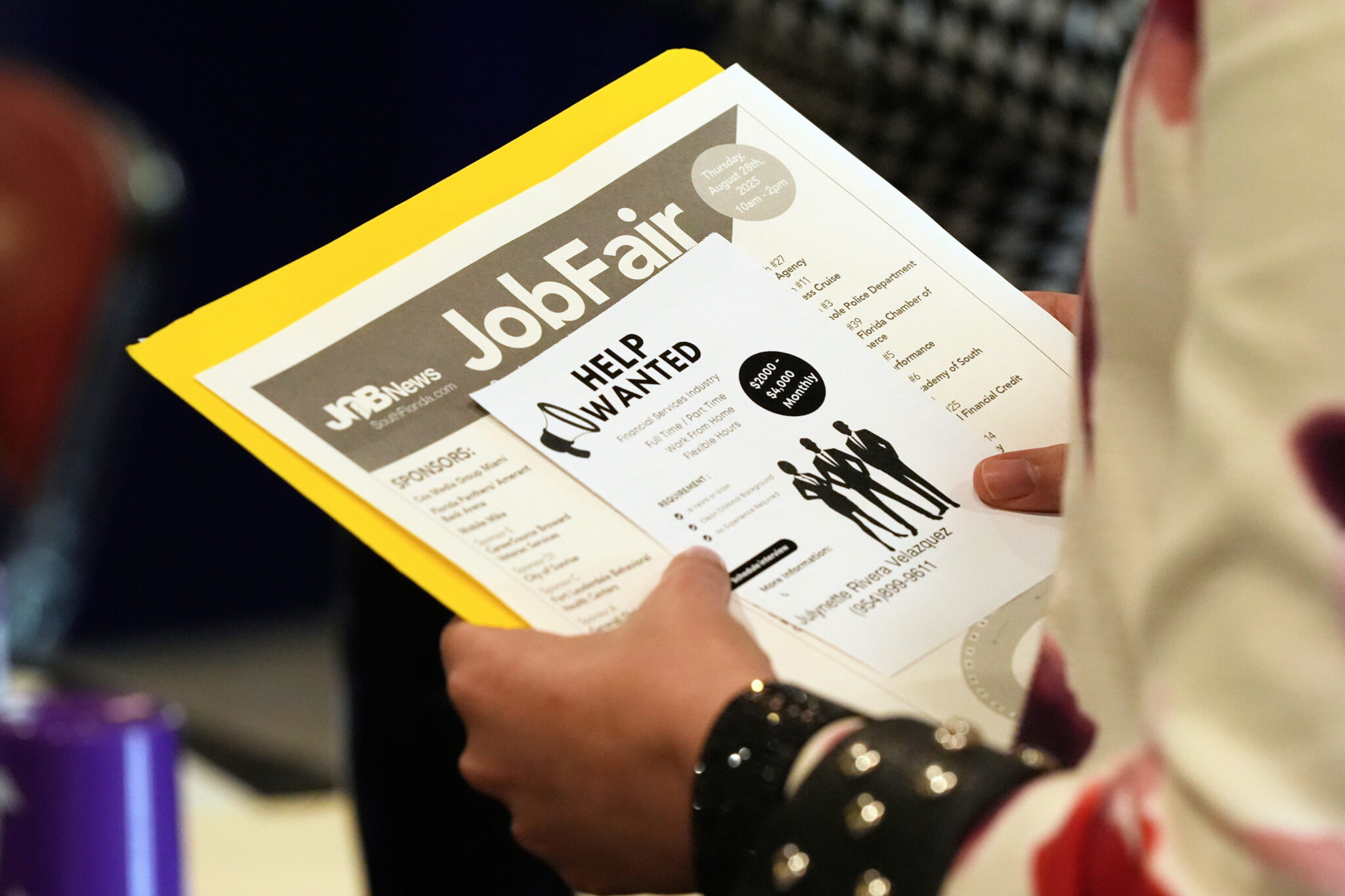
US Employers Add Strong 115,000 Jobs in April, Defy Iran War Economic Shock/ Newslooks/ WASHINGTON/ J. Mansour/ Morning Edition/ U.S. employers added a stronger-than-expected 115,000 jobs in April despite rising fuel prices and uncertainty tied to the Iran war. The unemployment rate remained low at 4.3%, while healthcare and transportation sectors led hiring gains. Economists say the labor market remains resilient, though elevated energy prices could still slow future growth.

US Jobs Report Quick Looks
- Employers added 115,000 jobs in April
- Hiring nearly doubled economist forecasts
- Unemployment held steady at 4.3%
- Healthcare and transportation led job growth
- Manufacturing continued losing jobs
- Fed less likely to cut interest rates soon
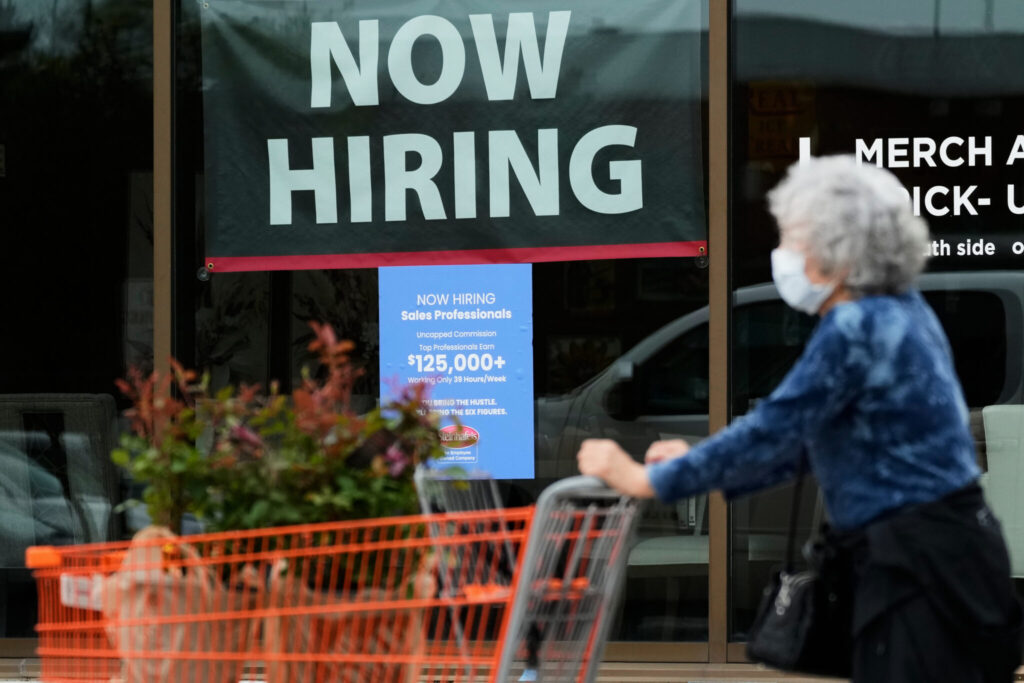
Deep Look
US Hiring Beats Expectations Despite Iran War
America’s labor market delivered another surprisingly strong performance in April as employers added 115,000 jobs despite economic uncertainty caused by the war involving Iran.
The Labor Department report exceeded economist expectations, which had projected only about 65,000 new jobs.
Although hiring slowed compared with March’s revised 185,000 jobs added, the results reinforced signs that the U.S. economy remains more resilient than many analysts feared.
The unemployment rate remained unchanged at:
still historically low by long-term standards.
Healthcare And Transportation Drive Hiring
The strongest hiring gains came from:
- Healthcare: +37,000 jobs
- Transportation and warehousing: +30,000 jobs
Healthcare has become one of the economy’s dominant job creators as the aging U.S. population increases demand for medical services.
Over the past year:
- Healthcare added 456,000 jobs
- All other sectors combined lost 205,000 jobs
Meanwhile, manufacturing continued to struggle despite President Donald Trump’s protectionist trade policies.
- 2,000 jobs in April
- 66,000 jobs over the past year
Economists See Resilient Labor Market
Economists said the labor market continues to withstand shocks from:
- Higher fuel prices
- Global uncertainty
- Earlier tariff concerns
“The labor market is not booming, but it is proving harder to break than many feared,” said economist Olu Sonola of Fitch Ratings.
Gus Faucher, chief economist at PNC Financial Services, said businesses appear to view the Iran conflict as temporary.
He pointed to:
- Strong AI investment
- Continued business spending
- Expanding economic activity
as factors helping sustain employment growth.
Still, Faucher warned prolonged energy price increases could eventually weaken consumer spending and economic growth.
Gas Prices And Consumer Pressure Remain Concerns
The Iran conflict has sharply disrupted global energy markets since fighting began on Feb. 28.
The closure of the:
- Strait of Hormuz
sent fuel prices surging worldwide.
Average U.S. gasoline prices climbed above:
this week.
Some small businesses already report weakening customer demand as households cut discretionary spending.
Michael Cramer, CEO of online retailer Adagio Teas, said rising costs are hurting lower-income shoppers.
“You only hire when you have more orders that you can fill,” Cramer said.
Signs Of Recovery Emerging
The March and April reports marked:
That improvement has fueled cautious optimism that the labor market may be emerging from the sluggish hiring environment seen last year.
Employers created only:
- 9,700 jobs per month on average during 2025
one of the weakest non-recession job markets in decades.
Economists now see early signs that hiring conditions are improving.
Heather Long, chief economist at Navy Federal Credit Union, said:
“America’s hiring recession appears to be over.”
AI Boom Continues Supporting Hiring
Technology and artificial intelligence investment also remain major drivers of economic growth.
Simbe Robotics, which builds robotic shelf-scanning systems for retailers, said job applications more than doubled over the past year.
The company now employs about 100 workers, many focused on:
- Software engineering
- Robotics
- Artificial intelligence systems
Federal Reserve Likely To Hold Rates Steady
The strong jobs report may also reduce pressure on the:
to cut interest rates soon.
Inflation remains elevated due largely to rising fuel costs.
well above the Fed’s 2% target.
Because hiring remains relatively strong, many analysts believe the Fed will keep rates unchanged while monitoring inflation and energy markets.