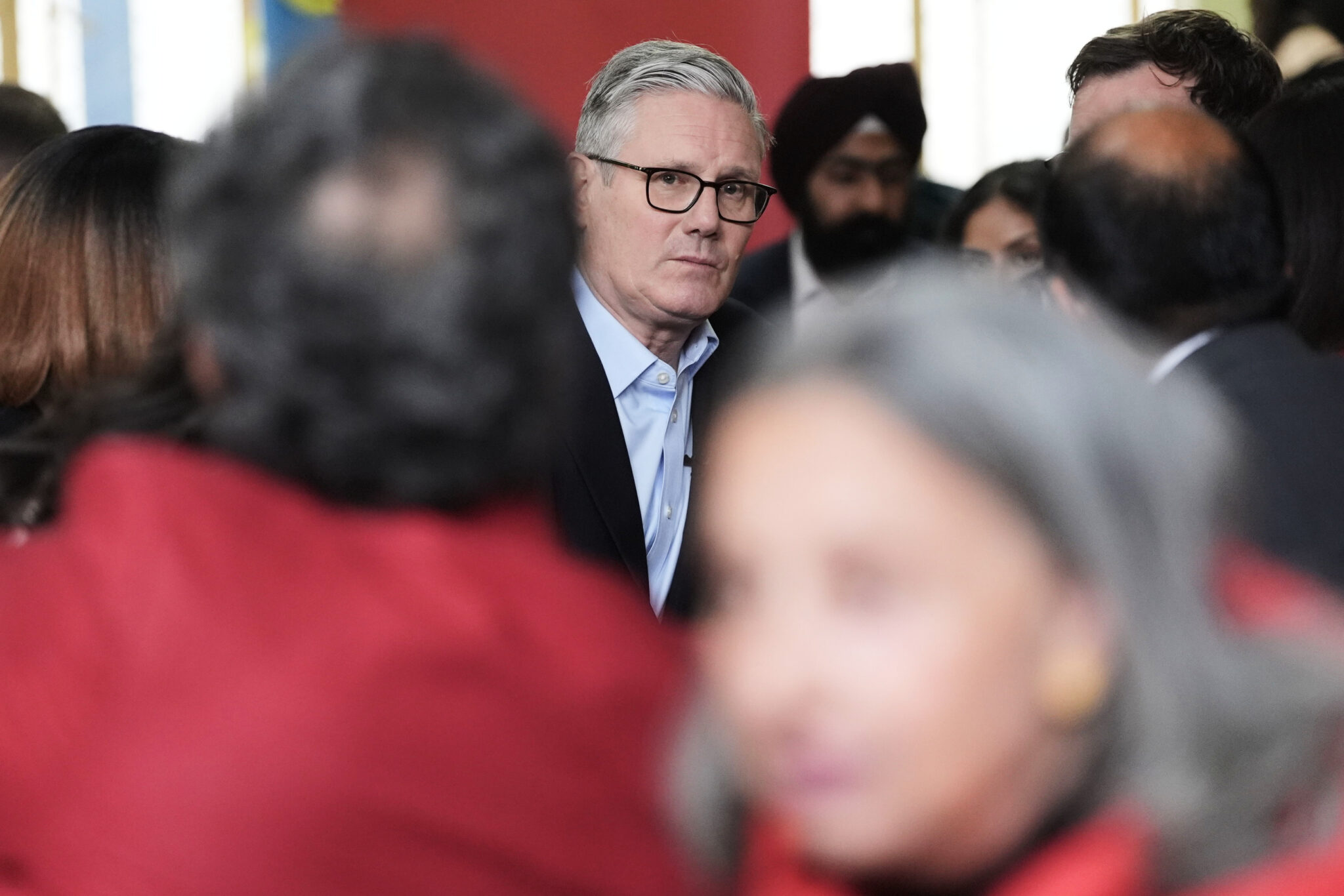
UK PM Starmer Refuses Resignation After Crushing Labour Election Losses/ Newslooks/ WASHINGTON/ J. Mansour/ Morning Edition/ British Prime Minister Keir Starmer refused to resign after Labour suffered major losses in local elections across England. Nigel Farage’s Reform UK gained hundreds of seats, capitalizing on anti-establishment and anti-immigration sentiment. The election results intensified pressure on Starmer as Labour lawmakers question his leadership ahead of the next national vote.
Keir Starmer Election Losses Quick Looks
- Labour suffered heavy local election defeats
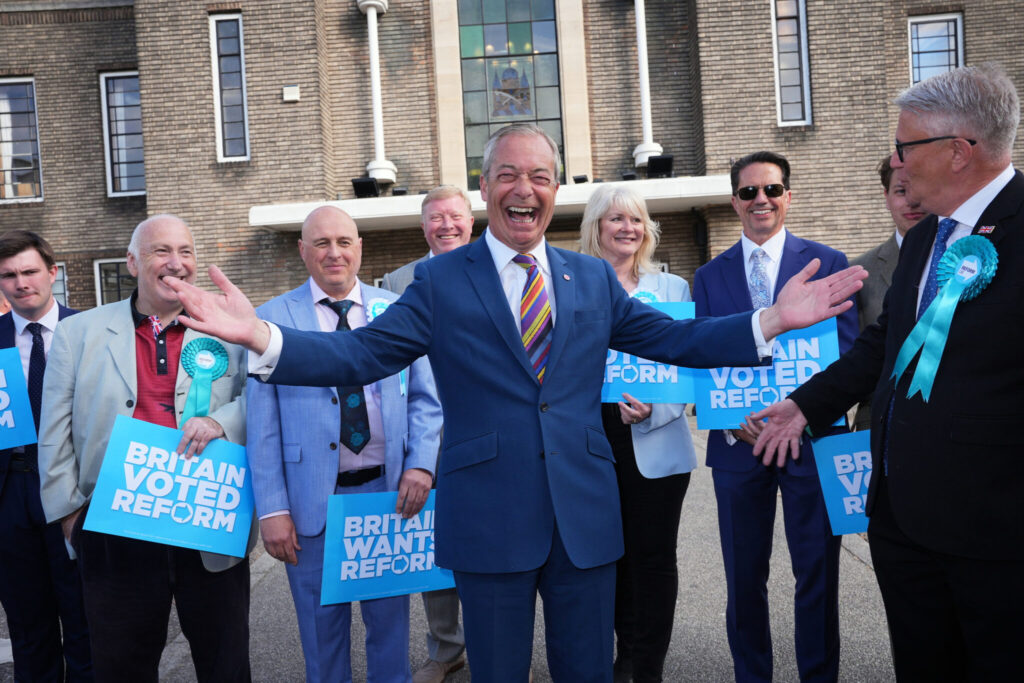
- Reform UK made major gains nationwide
- Starmer says he will not resign
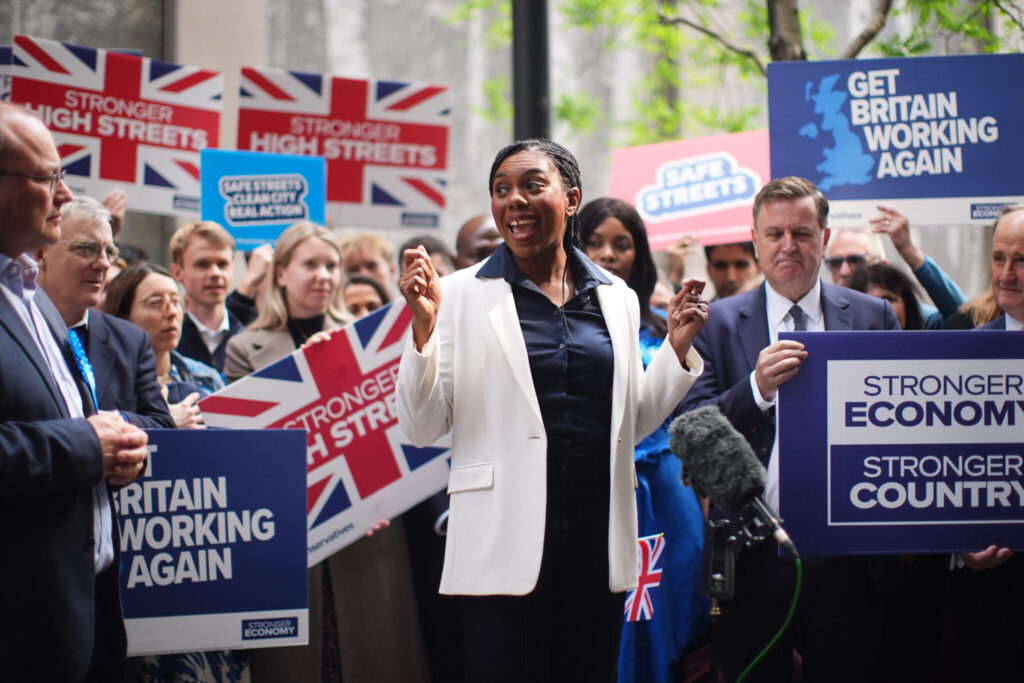
- Conservatives also lost support
- Green Party and Liberal Democrats gained seats
- Pressure grows on Starmer’s leadership future

Deep Look
Starmer Refuses To Quit After Labour Election Setback
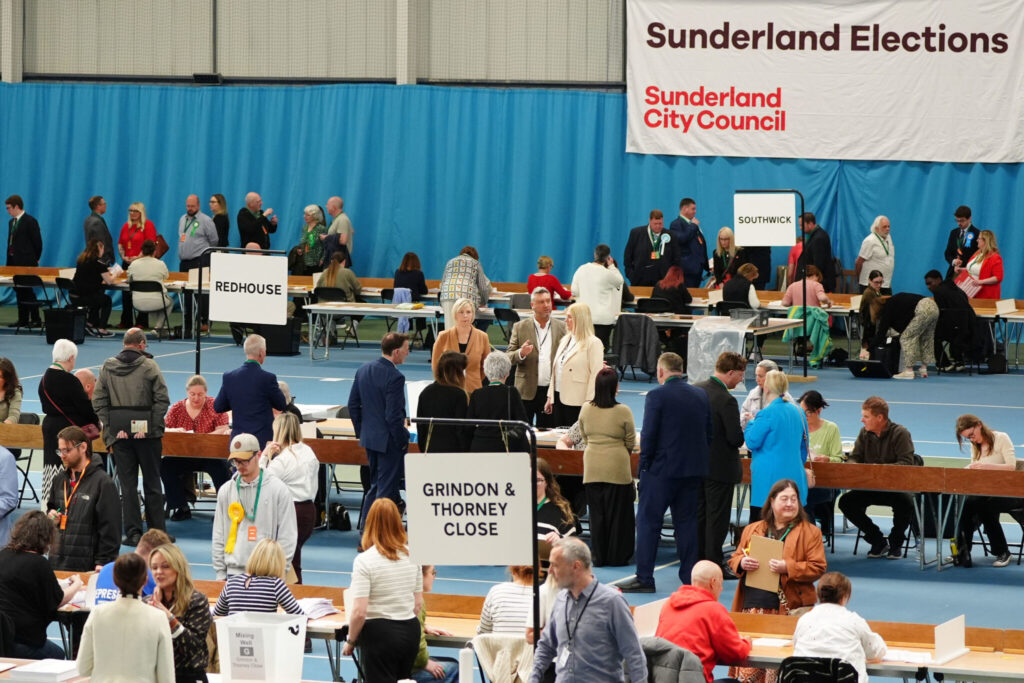
British Prime Minister Keir Starmer said Friday he would not resign despite heavy losses for his governing Labour Party in local and regional elections across England.
The elections were widely viewed as an informal referendum on Starmer’s leadership less than two years after Labour swept to power in the July 2024 general election.
The poor results exposed growing frustration among voters over:
- Slow economic growth
- Rising living costs
- Pressure on public services
- A lack of visible change after 14 years of Conservative rule
Starmer acknowledged voter anger but insisted he would continue leading the government.
“The voters have sent a message about the pace of change,” Starmer said. “I was elected to meet those challenges, and I’m not going to walk away.”
Reform UK Scores Major Breakthrough
The biggest winner of the elections was:
The hard-right nationalist party captured hundreds of local council seats in:
- Northern England
- Former Labour strongholds
- Conservative suburban districts near London
Farage called the results:
“A historic change in British politics.”
Reform UK’s anti-immigration and anti-establishment messaging resonated strongly with voters frustrated over economic stagnation and traditional party politics.
The party took votes from:
- Labour
- Conservatives
- Working-class communities previously loyal to Labour
Labour Faces Internal Pressure
The disappointing results intensified anxiety within Labour’s parliamentary ranks.
Some party lawmakers are openly questioning whether Starmer should remain leader heading toward the next national election, which must occur by 2029.
Potential rivals reportedly include:
- Angela Rayner
- Wes Streeting
- Andy Burnham
Labour MP Jonathan Brash said:
“We need new leadership in order to achieve that.”
Still, Deputy Prime Minister David Lammy urged party unity, warning:
“You don’t change the pilot during the flight.”
British Politics Becoming Increasingly Fragmented
The elections highlighted the collapse of Britain’s traditional two-party dominance.
- The Green Party expanded support in urban areas
- The Liberal Democrats gained seats from Conservatives
- Labour lost support on both left and right flanks
Political analysts said British politics is entering a more fractured era.
Professor John Curtice of the University of Strathclyde noted that:
“None of the parties are very big.”
Scotland And Wales Show Different Political Trends
The elections also revealed diverging political paths across the United Kingdom.
In:
the:
- Scottish National Party
remained dominant and is expected to continue governing in Edinburgh.
Meanwhile in:
Labour faces the prospect of losing long-standing dominance to:
- Plaid Cymru
- Reform UK
A Labour collapse in Wales would represent a historic shift after the party controlled Welsh politics for more than a century.
Economic Pressures Hurt Starmer Government
Starmer’s government has struggled to deliver on key promises:
- Economic growth
- Improved public services
- Lower living costs
The government also faces mounting economic pressure tied to the:
which disrupted global oil shipments through the:
- Strait of Hormuz
Higher fuel prices and inflation have damaged public confidence in the government.
Starmer additionally faced criticism over appointing:
as Britain’s ambassador to Washington because of Mandelson’s past association with convicted sex offender Jeffrey Epstein.