Georgia Republicans Head to Runoffs in Senate and Governor Races/ Newslooks/ WASHINGTON/ J. Mansour/ Morning Edition/ Georgia Republicans failed to produce outright winners in major statewide races, forcing Senate and governor contests into runoffs. The outcomes could significantly impact control of the U.S. Senate and the future political direction of Georgia. Democrats are positioning key candidates against Republicans in one of the nation’s top battleground states.
Georgia Republican Runoffs Quick Looks
- Georgia Republicans will hold runoff elections for governor and U.S. Senate.
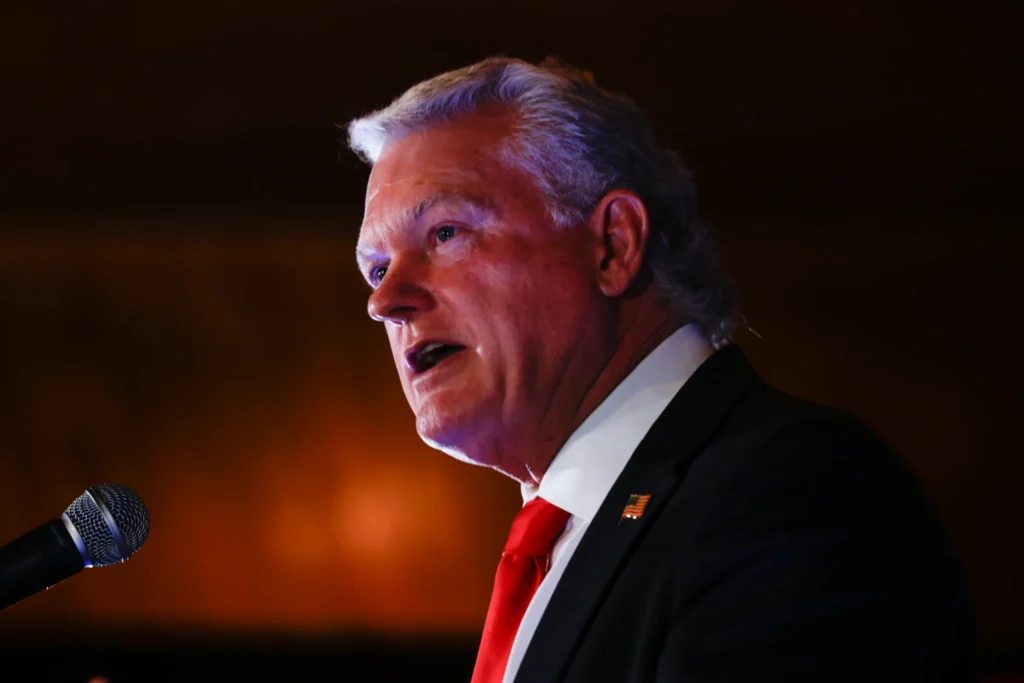
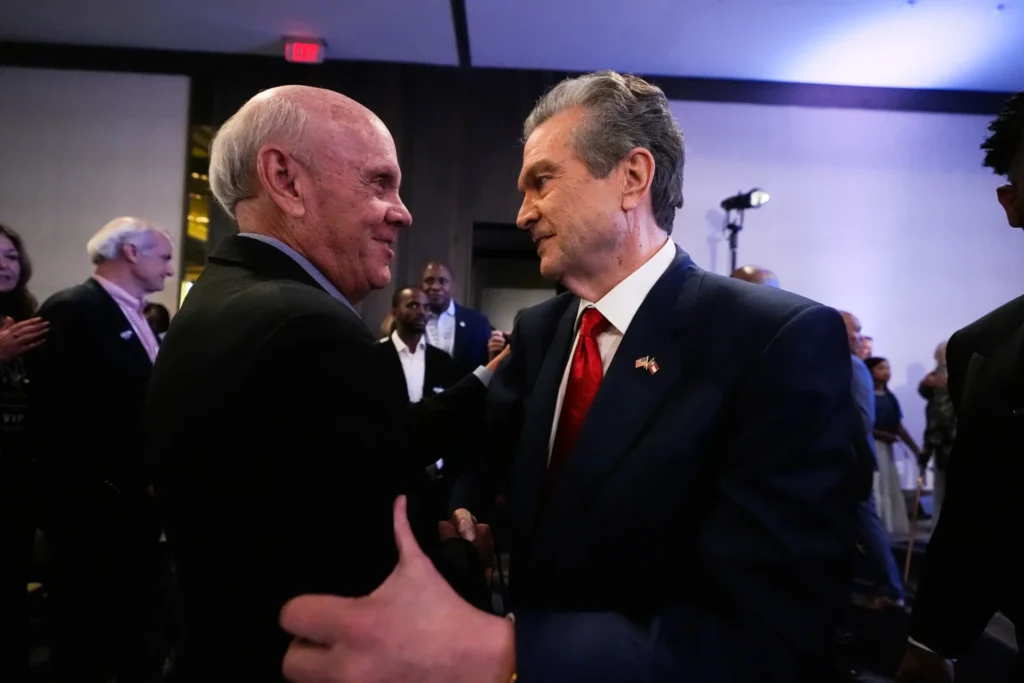
- Derek Dooley and Mike Collins advanced in the GOP Senate primary.
- Lt. Gov. Burt Jones and businessman Rick Jackson moved to the governor runoff.
- Democrat Keisha Lance Bottoms secured the Democratic nomination for governor.
- Sen. Jon Ossoff awaits the Republican Senate nominee in a major battleground race.
- Trump did not endorse a Senate candidate during the GOP primary.
- More than $125 million was spent in the Republican governor’s race.
- Republicans focused heavily on loyalty to Trump and conservative policies.
- Georgia judicial races also drew political attention tied to abortion rights.
- Congressional races across Georgia remain highly competitive heading into November.

Deep Look
Georgia Republicans Face Extended Primary Battles
Georgia Republicans are preparing for another month of intense campaigning after Tuesday’s primary elections failed to produce outright winners in key statewide races.
Runoff elections are now set for both the Republican gubernatorial primary and the Republican contest for U.S. Senate, extending expensive and hard-fought battles in one of the nation’s top political battleground states.
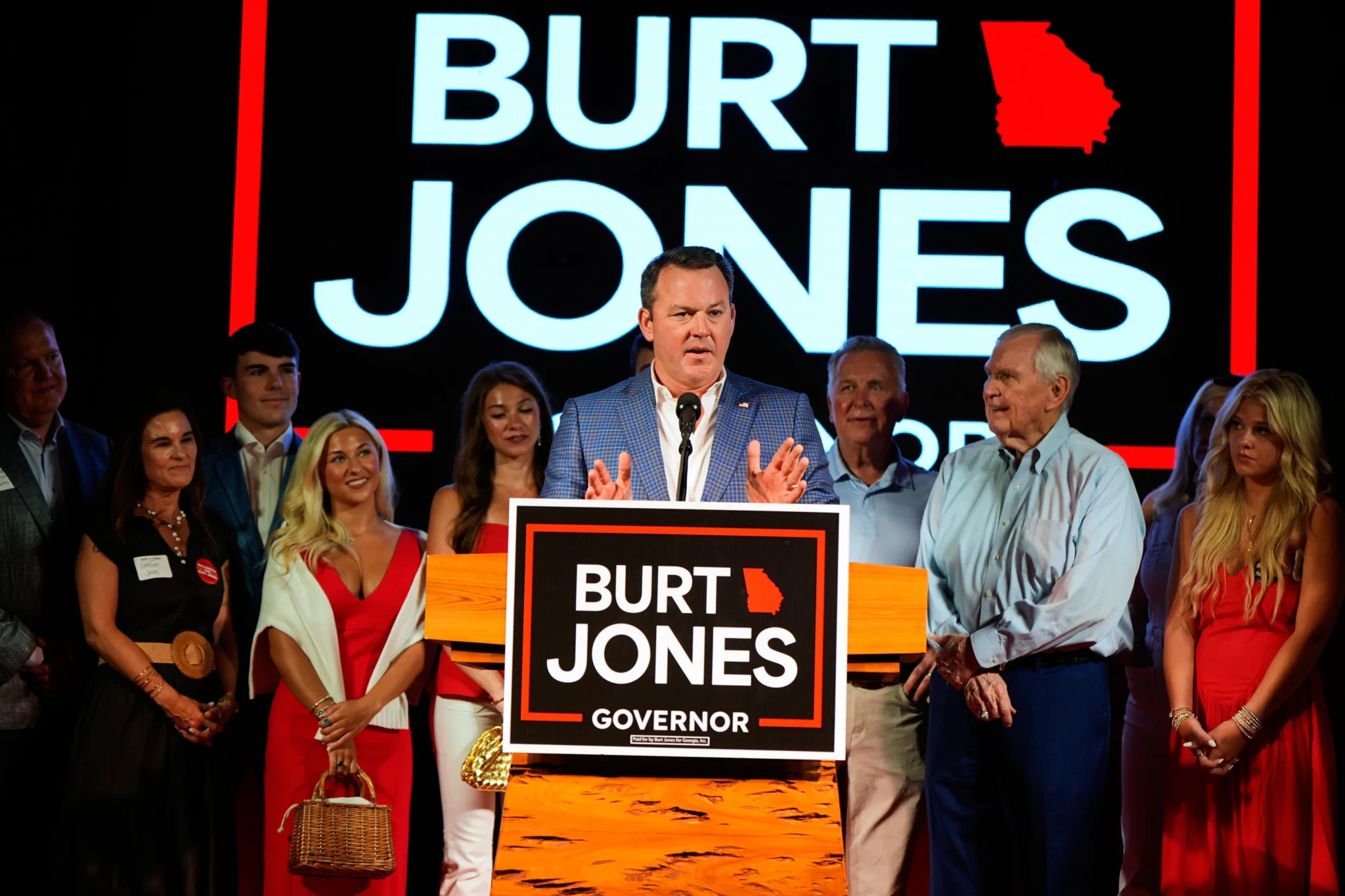
The Senate runoff will feature former college football coach Derek Dooley and Congressman Mike Collins after Congressman Buddy Carter failed to advance. Meanwhile, Lt. Gov. Burt Jones and healthcare billionaire Rick Jackson will continue battling for the Republican nomination for governor.
The winners will move on to highly competitive November elections expected to draw national attention and major financial support from both political parties.
Senate Race Could Shape Control of Congress
Georgia’s Senate race remains one of the most closely watched contests in the country because it could play a major role in determining control of the U.S. Senate.
Democratic Sen. Jon Ossoff, who faced no opposition in the Democratic primary, is seeking reelection in a state won by President Donald Trump during the last presidential election cycle.
Republicans view Ossoff as a vulnerable incumbent and hope to strengthen their Senate majority by flipping the seat.
Throughout the Republican primary, candidates competed heavily over who would best support Trump’s agenda in Washington.
Neither Collins nor Dooley secured enough votes Tuesday to avoid a runoff.
Collins, who sponsored the Laken Riley Act, campaigned aggressively on immigration and conservative priorities.
“You can replace a Democrat with an actual conservative,” Collins said Tuesday night.
The immigration-focused legislation became a central issue in the race because Ossoff initially opposed the bill before later supporting it after Trump returned to office.
Ethics Complaint Shadowed Collins Campaign
Congressman Mike Collins also faced scrutiny during the Republican primary because of a House ethics complaint involving alleged misuse of taxpayer funds.
The complaint accused Collins of improperly paying the girlfriend of a senior aide for work she allegedly did not perform. The matter was referred to the House Ethics Committee after an initial inquiry by the Office of Congressional Conduct.
Buddy Carter repeatedly raised the issue during debates.
“If taxpayers can’t trust you to properly steward their money, how can they trust you to be a U.S. senator?” Carter asked Collins during one exchange.
Collins dismissed the criticism during the debate.
“Buddy,” Collins replied, “I can tell through your voice that you know how the polling is going out there.”
Governor’s Race Draws Massive Spending
Georgia’s Republican governor’s race has become one of the most expensive statewide contests in the country.
According to ad-tracking firm AdImpact, more than $125 million has already been spent on advertising during the Republican primary campaign. Healthcare billionaire Rick Jackson alone spent more than $66 million supporting his campaign.
Lt. Gov. Burt Jones emphasized his conservative credentials and repeatedly highlighted Trump’s endorsement during the race.
“I think Georgia just spoke, y’all,” Jones told supporters on election night.
“I could not leave this stage without thanking President Donald J. Trump,” he added.
Jackson, however, framed himself as an outsider candidate challenging the political establishment.
“I cannot be bought, and I will not back down,” Jackson said after advancing to the runoff.
The continued runoff campaign means Republicans will spend additional weeks attacking one another before shifting focus toward Democrats in the general election.
Keisha Lance Bottoms Wins Democratic Nomination
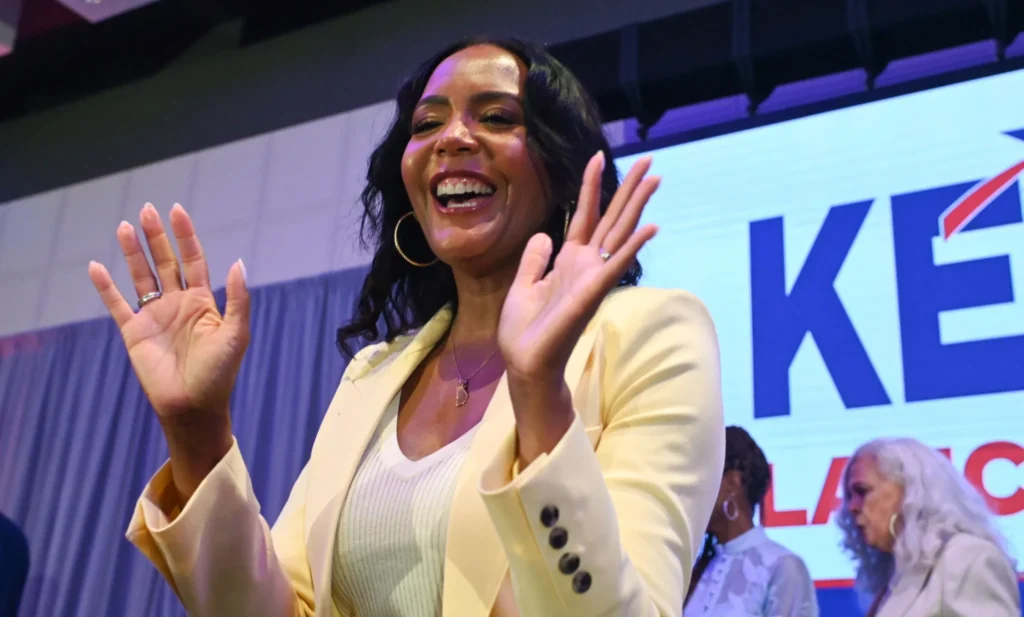
Former Atlanta Mayor Keisha Lance Bottoms secured the Democratic nomination for governor and now prepares to challenge whichever Republican emerges from the runoff.
Bottoms hopes to become the first Democrat elected governor of Georgia since 1998.
She received support from former President Joe Biden, whom she served under during his administration.
“It means stopping Donald Trump every time his policies hurt Georgia, and also taking action here to make life better for people across the state,” Bottoms said Tuesday night.
Democrats view Georgia as a critical battleground where shifting demographics and high voter turnout could help them remain competitive statewide.
Congressional and Judicial Races Also Draw Attention
Several congressional races across Georgia also produced notable results Tuesday.
Democrat Jasmine Clark won her party’s nomination to replace the late Congressman David Scott in Georgia’s 13th Congressional District. Clark, a microbiologist and Emory University lecturer, campaigned on science and healthcare priorities.
Meanwhile, Republican Congressman Andrew Clyde successfully defended his seat against multiple primary challengers in northeast Georgia.
Georgia’s judicial elections also carried political significance despite technically being nonpartisan.
Democrat-backed judicial challengers failed to unseat incumbent justices on the Georgia Supreme Court. The races drew controversy after the state Judicial Qualifications Commission accused candidates of violating judicial conduct rules through public political statements and endorsements.
State Democratic Party Chair Charlie Bailey criticized the commission’s actions, calling them politically motivated.
Georgia Remains Center of National Political Focus
The extended runoff battles ensure Georgia will remain a major national political focus heading into the summer and fall election season.
Both parties see the state as central to future control of Congress and an important test of Trump’s continuing influence over Republican politics.
With millions already spent and more campaign attacks expected before the June runoff elections, Georgia voters are likely to face months of nonstop political advertising and national attention.