Israeli Drone Strikes Near Beirut Kill 4, Southern Airstrikes Kill At Least 13/ Newslooks/ WASHINGTON/ J. Mansour/ Morning Edition/ Israeli drone strikes near Beirut and airstrikes across southern Lebanon killed at least 17 people Saturday. The attacks marked another escalation despite an ongoing ceasefire between Israel and Hezbollah. Lebanese officials accused Israel of violating international law after civilians, including children, were killed.
Lebanon Israel Conflict Quick Looks
- Israeli strikes kill at least 17 people
- Drone attacks hit roads south of Beirut
- Child among civilians killed in Nabatiyeh strike
- Hezbollah launches drone attacks into Israel
- Ceasefire violations continue despite April truce
- Lebanon and Syria discuss regional security cooperation
Deep Look
Israeli Drone Strikes Escalate Fighting Near Beirut
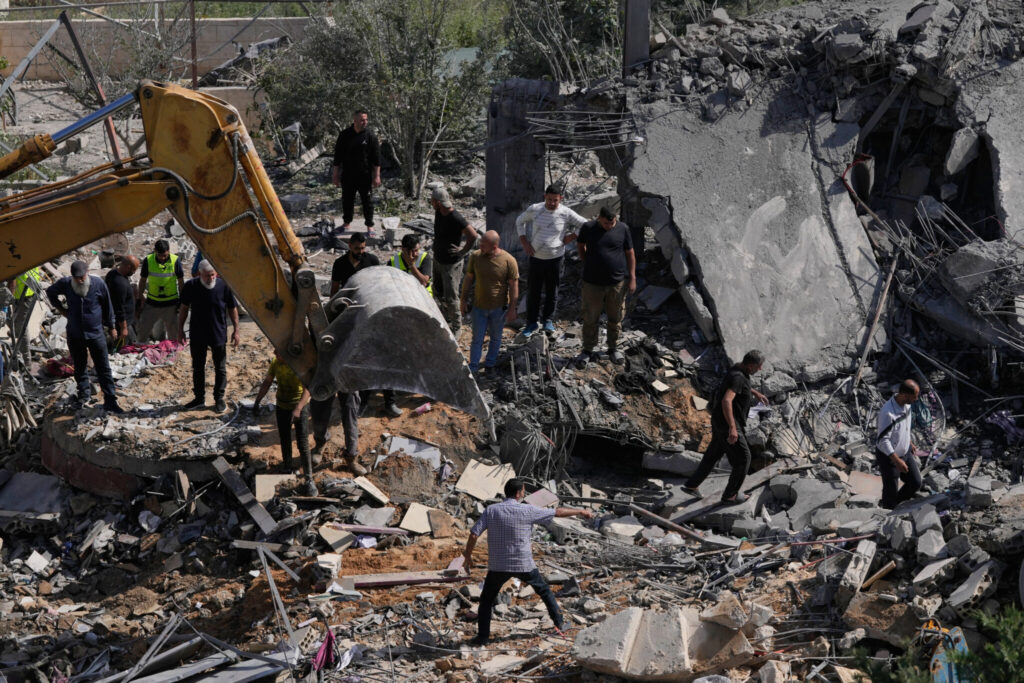
Israel launched multiple drone strikes near Beirut on Saturday, killing four people and signaling another major escalation in the fragile conflict with Hezbollah.
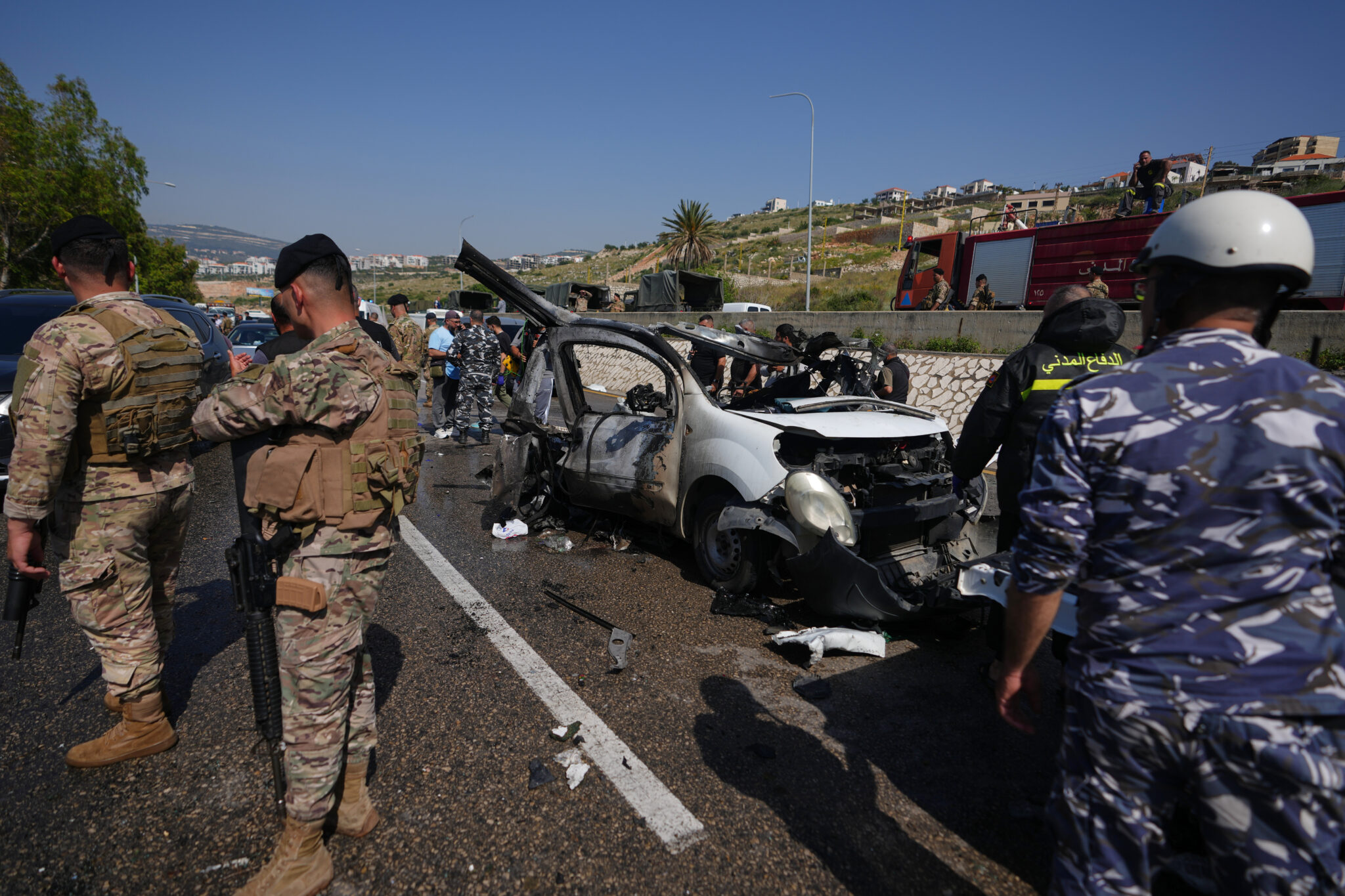
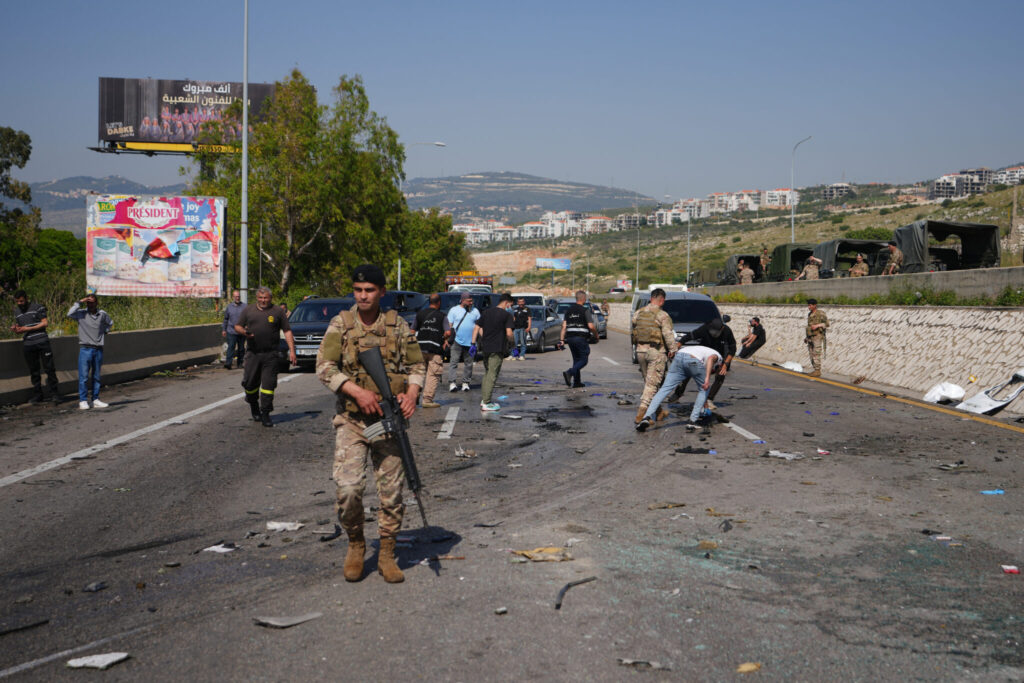
The strikes targeted vehicles south of the Lebanese capital, including attacks along the highway connecting Beirut with the southern port city of Sidon. Additional strikes hit roads leading toward Lebanon’s Chouf region. National News Agency reported that several people were wounded in the attacks.
An Associated Press journalist at the scene in Saadiyat observed a dead body near one of the destroyed vehicles following the strikes.
The attacks represent some of the most serious military activity near Beirut since a ceasefire between Israel and Hezbollah took effect on April 17.
Despite the truce, both sides have continued exchanging attacks almost daily.
Southern Lebanon Airstrikes Leave Heavy Civilian Casualties
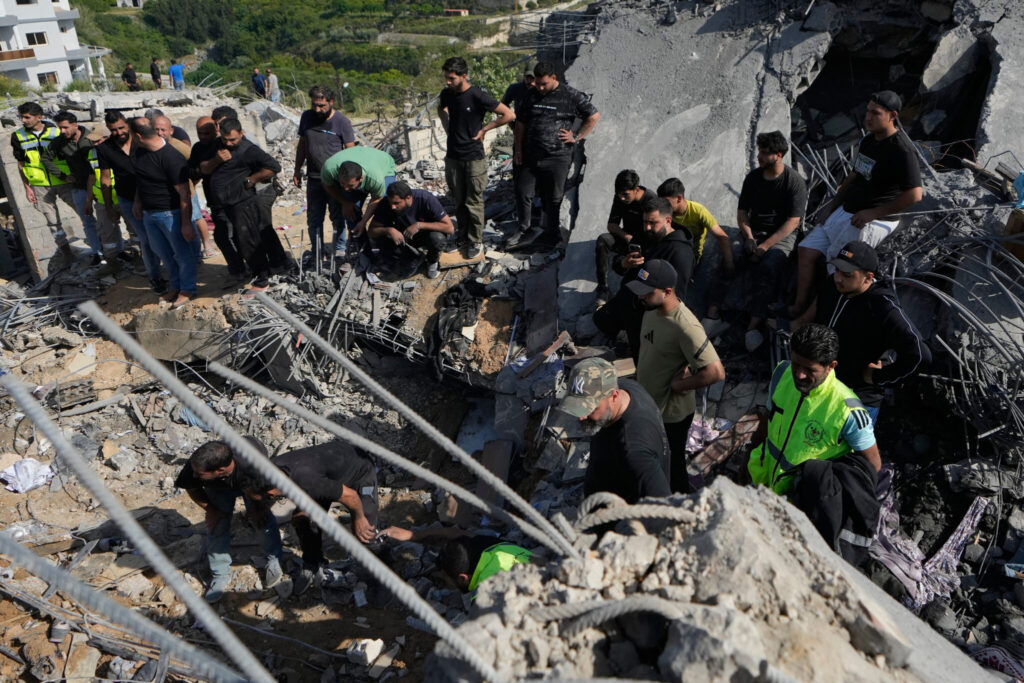
Israeli airstrikes across southern Lebanon killed at least 13 additional people Saturday, according to Lebanon’s Health Ministry.
One of the deadliest attacks struck the village of Saksakiyeh, where at least seven people, including a child, were killed and 15 others wounded.
Other strikes reportedly targeted:
- Bourj Rahhal, where three people were killed
- Maifadoun, where one person died
- Nabatiyeh, where drone strikes killed a Syrian man and his 12-year-old daughter
Lebanon’s Health Ministry strongly condemned the attack in Nabatiyeh, describing it as a deliberate assault on civilians.
According to the ministry, the father and daughter survived the initial strike and attempted to flee before being attacked again by the same drone.
“The Ministry of Public Health denounces this barbaric targeting and the deliberate violence against civilians and children in Lebanon,” the ministry said.
Officials accused Israel of committing “grave violations of International Humanitarian Law.”
Israel Says Hezbollah Launched Drone Attacks
The Israel Defense Forces said Hezbollah also launched explosive drones into northern Israel on Saturday.
Israeli officials stated that three soldiers were wounded during one of the attacks, including one seriously injured service member.
The military additionally said Hezbollah launched drones within Lebanese territory, including one strike against an Israeli vehicle that reportedly caused no casualties.
Hezbollah later claimed responsibility for several operations, including a drone strike targeting an Israeli military post near the northern Israeli town of Misgav Am.
The continuing exchanges underscore the growing instability despite repeated diplomatic attempts to preserve the ceasefire.
Conflict Expanded Following Iran War
The latest fighting is part of a broader regional conflict that intensified earlier this year.
The current Israel-Hezbollah war began March 2 after Hezbollah fired rockets into northern Israel shortly after the United States and Israel launched military operations against Iran, Hezbollah’s primary backer.
Israel has since carried out hundreds of airstrikes across Lebanon and launched a ground invasion into southern border regions.
The fighting displaced large numbers of civilians and heightened fears of a wider regional war involving multiple countries and armed groups.
A 10-day ceasefire brokered in Washington went into effect on April 17 and was later extended for an additional three weeks.
However, repeated strikes and retaliatory attacks have raised serious doubts about the durability of the agreement.
Diplomatic Talks Continue Amid Violence
Despite the violence, diplomatic negotiations between Lebanon and Israel are continuing.
The two countries recently held direct talks for the first time in more than 30 years despite technically remaining in a state of war since Israel’s founding in 1948.
Another round of negotiations is scheduled to begin Thursday in Washington.
Meanwhile, Lebanese Prime Minister Nawaf Salam traveled Saturday to Damascus for meetings with Syria’s interim president Ahmad al-Sharaa.
The discussions focused on strengthening regional security cooperation amid escalating Middle East tensions.
Speaking afterward, Salam stressed that Lebanon would no longer allow its territory to be used to threaten neighboring Arab states.
“Lebanon will not be used again to harm our Arab brothers, on top of them Syria,” Salam said.
The remarks appeared aimed at distancing the Lebanese government from Hezbollah’s extensive involvement in Syria’s civil war, where the group fought for years in support of the Assad government before its collapse in late 2024.