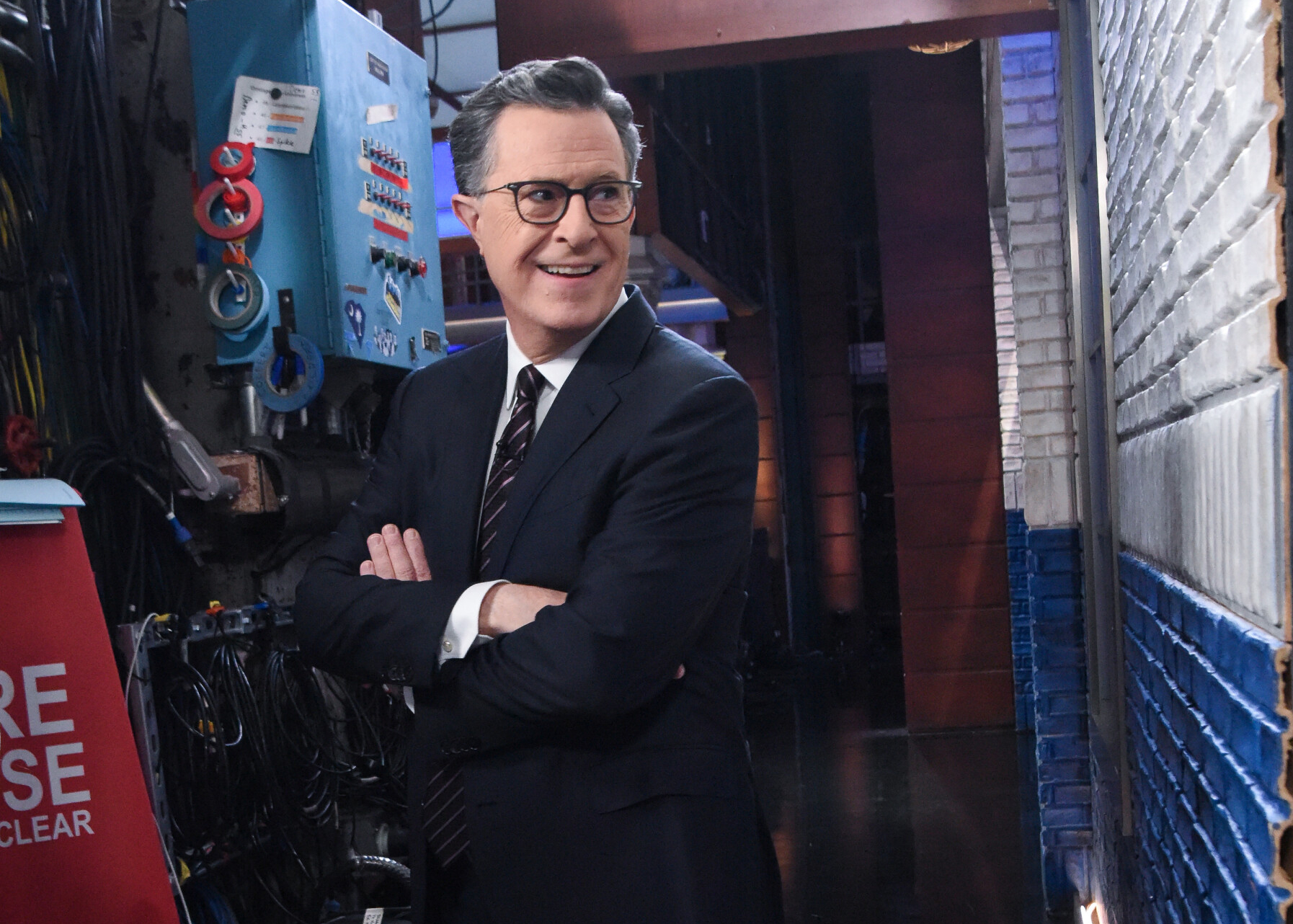
Stephen Colbert Says Goodbye to ‘The Late Show’ After 11 Seasons on CBS/ Newslooks/ WASHINGTON/ J. Mansour/ Morning Edition/ Stephen Colbert officially ends his run as host of “The Late Show” Thursday night after 11 seasons on CBS. The finale closes a 33-year franchise that became one of the most influential programs in late-night television. Questions continue surrounding whether politics played a role in CBS’ decision to cancel the ratings-leading show.
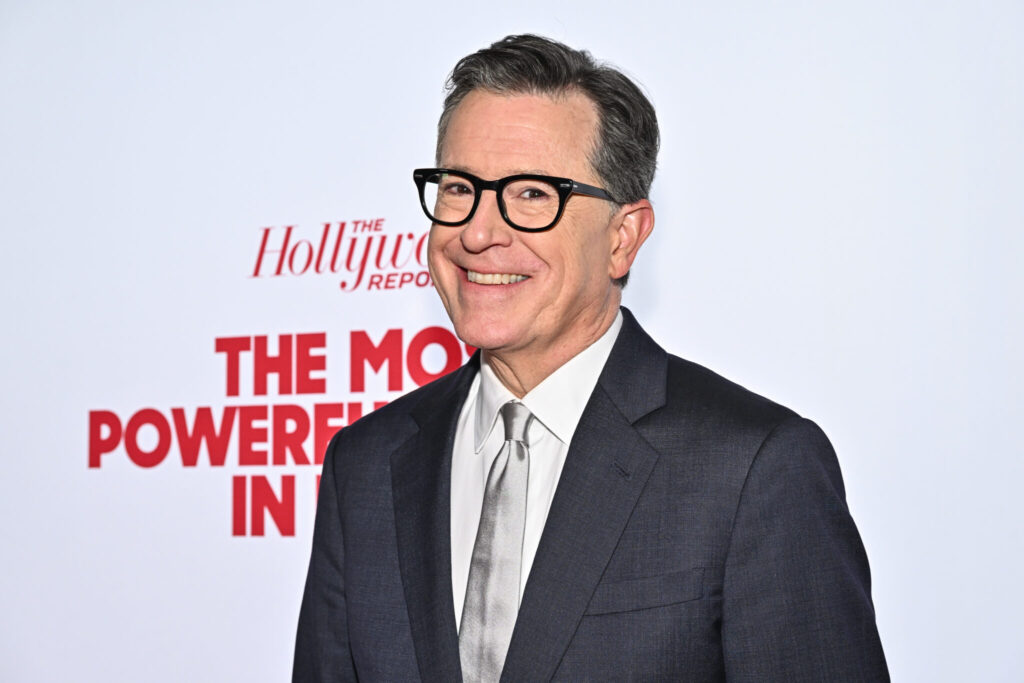
Stephen Colbert Final Show Quick Looks
- Stephen Colbert hosts his final “Late Show” Thursday night.
- CBS previously announced the show would end after 11 seasons.
- The network cited economic reasons for canceling the franchise.
- Colbert remained the ratings leader in late-night television.
- Critics and supporters questioned whether politics influenced the decision.
- Final-week guests included Bruce Springsteen and Steven Spielberg.
- Colbert criticized Paramount’s settlement with President Trump.
- CBS plans to replace the show with “Comics Unleashed.”
- Byron Allen’s new show promises to avoid political content.
- “The Late Show” franchise lasted 33 years on CBS.
Deep Look
Stephen Colbert Ends Historic Run on ‘The Late Show’
The finale closes not only Colbert’s 11-season run but also ends the entire “Late Show” franchise after 33 years on the network.
CBS has kept details about the final episode largely secret, though the show’s final week featured a lineup of major celebrity guests and emotional moments celebrating Colbert’s impact on television and political comedy.
Among the guests appearing during Colbert’s final week were Michael Keaton, Jon Stewart, Julia Louis-Dreyfus, Steven Spielberg, David Byrne, and Bruce Springsteen.
The show also embraced its trademark absurd humor, including a parody musical number transforming “It’s Raining Men” into “It’s Raining Fish.”
CBS Ends Ratings-Leading Show
CBS announced last summer that “The Late Show with Stephen Colbert” would end, officially citing financial pressures and changing economics in the late-night television business.
The announcement surprised many industry observers because Colbert remained the ratings leader in late-night television.
Despite declining advertising revenue and shifting viewing habits across television overall, “The Late Show” continued outperforming major rivals including NBC’s “The Tonight Show Starring Jimmy Fallon” and ABC’s “Jimmy Kimmel Live!”
The decision immediately sparked speculation that factors beyond economics may have influenced the cancellation.
Political Questions Surround Cancellation
Many critics — including Colbert himself — publicly questioned whether President Donald Trump’s repeated attacks on the show contributed to CBS’ decision.
The controversy intensified after Paramount Global, CBS’ parent company, reached a $16 million settlement with Trump involving a lawsuit connected to a “60 Minutes” interview.
At the time, Paramount was also seeking federal approval from the Trump administration for a planned merger with Skydance Media.
Colbert sharply criticized the settlement on-air, describing it as “a big fat bribe.”
Political analysts and media experts have since debated whether corporate concerns about government relations influenced the network’s handling of the show.
Experts Say Politics Cannot Be Ignored
Some media scholars argue the cancellation cannot be explained solely through business concerns.
Dustin Kidd, a sociology professor at Temple University, said Colbert’s continued popularity makes the cancellation highly unusual.
“I would argue that it’s answerable, frankly, through politics,” Kidd said.
“There’s been a lot of political pressure levied against this show and a lot of political pressure at work within CBS more generally.”
Kidd and other analysts pointed to Colbert’s outspoken criticism of Trump and his administration as potentially creating corporate tensions behind the scenes.
CBS has denied political motivations played any role in the decision.
Colbert Leaves at Height of Influence
Colbert exits late-night television while still considered one of the medium’s most influential personalities.
Since taking over “The Late Show” in 2015 following David Letterman’s retirement, Colbert transformed the program into a politically driven comedy platform blending satire, interviews, and sharp monologues.
His approach became especially prominent during Trump’s presidency, when political commentary increasingly dominated late-night television.
Colbert’s monologues frequently generated viral online clips and became central talking points in national political discussions.
Over time, he emerged not only as a comedian but also as one of the most visible liberal voices in mainstream television entertainment.
Rivals Stay Silent During Final Episode
In an unusual move, both NBC’s “The Tonight Show” and ABC’s “Jimmy Kimmel Live!” aired reruns Thursday night during Colbert’s farewell broadcast.
The scheduling decision effectively avoided direct competition with Colbert’s final show and was widely viewed as a gesture of professional respect.
Colbert maintained strong relationships with many fellow late-night hosts despite fierce competition for ratings and advertising revenue.
CBS Plans Dramatically Different Replacement
CBS plans to replace “The Late Show” time slot with “Comics Unleashed,” a comedy program hosted by Byron Allen.
Unlike Colbert’s politically charged format, Allen has publicly promised his new show will avoid politics entirely.
The programming shift reflects broader changes across television as networks reconsider the future of late-night entertainment in an era increasingly dominated by streaming platforms, podcasts, YouTube, and social media.
Industry analysts say the end of “The Late Show” may signal the decline of the traditional network late-night format that once dominated American television culture.
End of an Era for Late-Night Television
“The Late Show” originally debuted in 1993 with David Letterman after his departure from NBC.
Over three decades, the program became a defining part of American television and helped shape modern political satire and celebrity interview culture.
For many viewers, Colbert’s final episode represents more than just the end of a television show — it symbolizes the closing chapter of a major era in network late-night comedy.