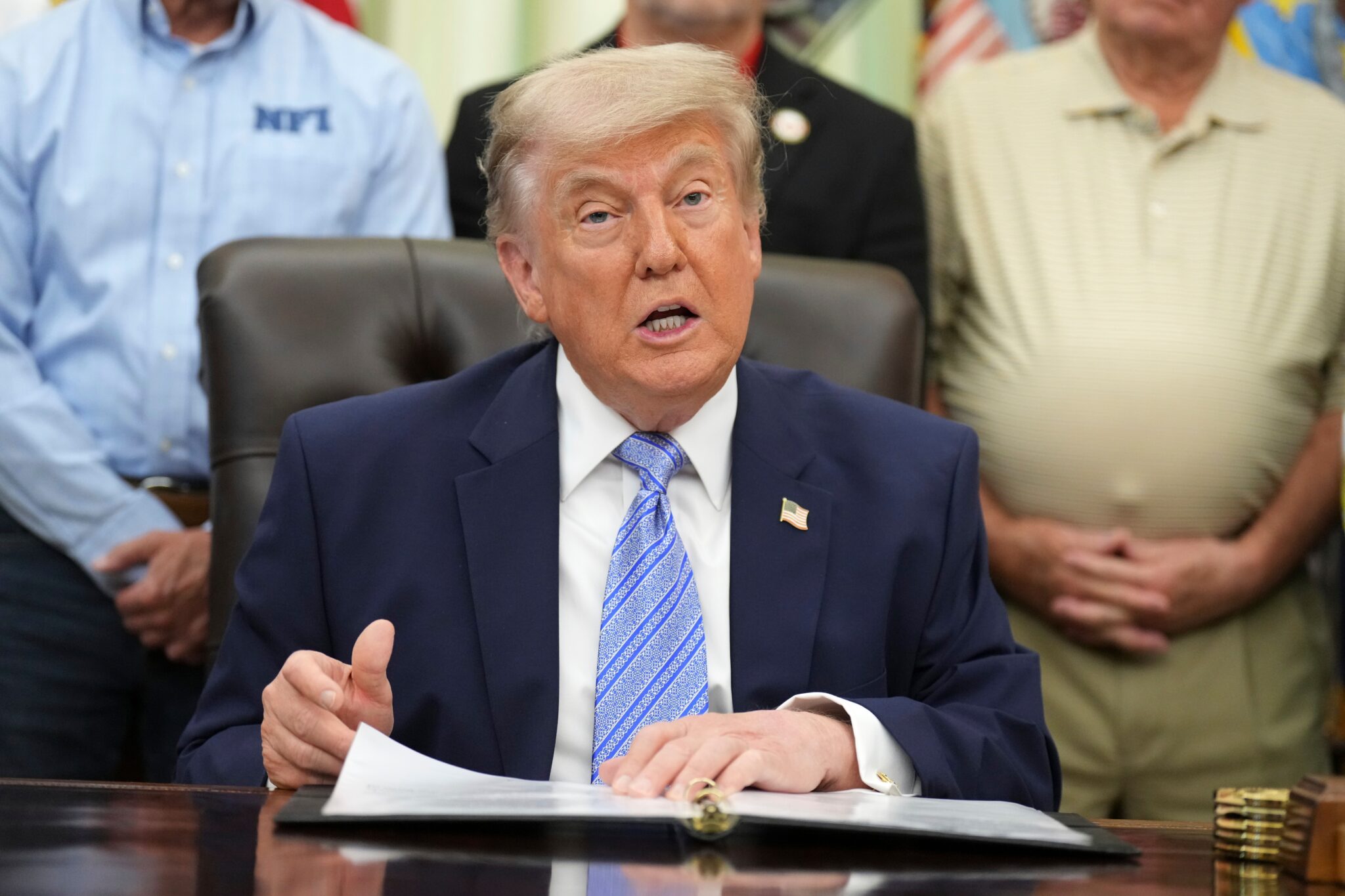
Trump Eases Refrigerant Rules to Combat Rising Grocery Prices/ Newslooks/ WASHINGTON/ J. Mansour/ Morning Edition/ The Trump administration loosened federal refrigerant regulations Thursday, arguing the move could help lower grocery and consumer costs. The rollback delays Biden-era restrictions on climate-warming refrigerants used in cooling systems and appliances. Critics warn the policy change could increase climate pollution and create market uncertainty for manufacturers.
Trump Refrigerant Rule Quick Looks
- Trump loosened EPA refrigerant regulations Thursday.
- The administration said the move would reduce grocery costs.
- The rollback delays restrictions on HFC refrigerants.
- Inflation has risen to 3.8% amid oil price spikes and tariffs.
- Grocery chains supported the administration’s announcement.
- HVAC manufacturers warned the move could raise prices instead.
- Trump previously signed a bipartisan law phasing out HFCs in 2020.
- Environmental groups criticized the rollback as harmful to climate goals.
- EPA Administrator Lee Zeldin defended the rule changes.
- The decision highlights Trump’s broader environmental deregulation agenda.
Deep Look
Trump Administration Loosens Refrigerant Rules
The Trump administration announced Thursday it is relaxing federal regulations requiring grocery stores, refrigeration companies, and air-conditioning manufacturers to phase out certain greenhouse gases used in cooling systems.
President Donald Trump said the Environmental Protection Agency’s action would help lower grocery prices and reduce costs for businesses and consumers struggling with inflation.
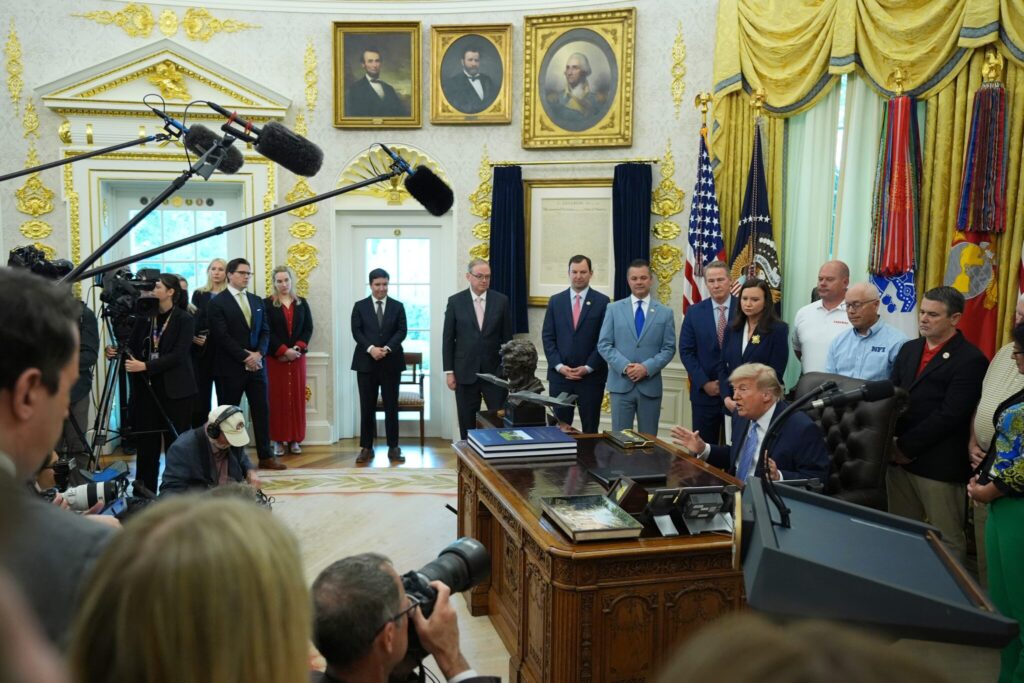
Speaking during a White House event alongside executives from major grocery chains including Kroger and Piggly Wiggly, Trump argued the Biden-era restrictions created unnecessary costs and operational problems.
“The action will substantially lower costs for consumers,” Trump said.
Refrigerant Rollback Targets HFC Restrictions
The rule change delays implementation of restrictions on hydrofluorocarbons, commonly known as HFCs.
HFCs are widely used in refrigerators, freezers, and air-conditioning systems but are also considered extremely potent greenhouse gases that contribute heavily to global warming.
The Biden administration finalized stricter HFC limits in 2023 as part of a broader climate policy effort designed to accelerate the transition toward cleaner refrigerants.
Under those rules, companies faced steep restrictions beginning in 2026.
The Trump administration now argues businesses need additional time to adapt.
EPA Administrator Lee Zeldin said the previous timeline imposed unrealistic burdens on companies and contributed to shortages and higher prices for cooling equipment.
Inflation and Iran Conflict Increase Political Pressure
The rollback comes as inflation continues rising across the United States.
Annual inflation climbed to 3.8% in April amid higher oil and gasoline prices tied to the Iran conflict and ongoing tariffs imposed by the Trump administration.
Rising grocery prices have become a major political concern heading into November elections.
The White House has increasingly focused on policies designed to address cost-of-living frustrations among voters.
Trump argued the refrigerant restrictions not only increased prices but also reduced equipment performance.
The EPA action, he claimed, would save Americans more than $2 billion annually while protecting hundreds of thousands of jobs.
Industry Groups Warn Rollback Could Backfire
Not everyone in the business community supported the administration’s move.
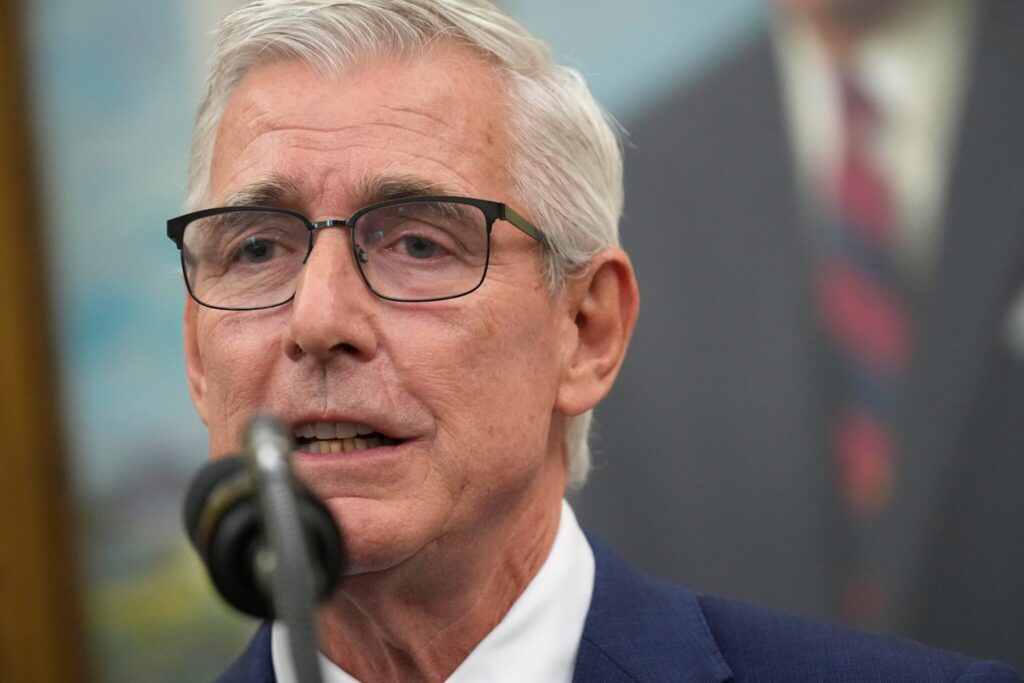
The Air-Conditioning, Heating and Refrigeration Institute, representing more than 330 manufacturers and commercial refrigeration companies, warned the delayed phaseout could actually increase costs and disrupt the market.
“This rule works against basic supply and demand,” said Stephen Yurek, the organization’s president and CEO.
Manufacturers have already invested heavily in redesigning products, updating factories, and training workers for next-generation refrigerant systems.
According to the group, nearly 90% of residential and light commercial air-conditioning systems already use alternative refrigerants rather than traditional HFCs.
Industry leaders fear the policy reversal may create confusion and instability after years of transition planning.
Trump Reverses Position on Refrigerant Policy
The administration’s latest action represents a notable reversal from Trump’s first term.
In 2020, Trump signed the bipartisan American Innovation and Manufacturing Act, which established a national framework to phase out HFC refrigerants.
The law aligned the United States with international climate agreements targeting ozone-depleting and planet-warming chemicals.
At the time, the legislation received support from environmental organizations, chemical manufacturers, and major business groups.
Companies including Chemours and Honeywell invested heavily in developing and producing alternative refrigerants under the expectation of long-term regulatory certainty.
Environmental Groups Condemn Rollback
Environmental organizations sharply criticized Thursday’s decision.
Critics argued delaying the HFC phaseout would worsen climate pollution while undermining years of industry progress toward cleaner technologies.
Hydrofluorocarbons are considered thousands of times more potent than carbon dioxide in contributing to global warming.
The rollback also aligns with broader efforts by the Trump administration to weaken environmental regulations viewed as climate-focused.
EPA Administrator Lee Zeldin previously described the administration’s deregulatory campaign as putting a “dagger through the heart of climate change religion.”
Grocery Industry Welcomes Delayed Compliance
Some sectors of the food and grocery industry praised the administration’s move.
The Food Industry Association, representing grocery stores and suppliers nationwide, had previously argued the Biden administration’s compliance timelines were unrealistic and financially burdensome.
Grocery companies have faced growing pressure from rising energy costs, inflation, supply chain disruptions, and labor expenses.
Supporters of the rule change believe delaying costly equipment upgrades may provide temporary financial relief for retailers and food suppliers.
Climate Policy Fight Continues Intensifying
The refrigerant rollback reflects the broader political battle surrounding climate policy, energy costs, and economic growth in the United States.
Supporters of deregulation argue businesses need flexibility to control costs and remain competitive during periods of economic uncertainty.
Critics warn weakening environmental rules may create long-term climate and economic risks while slowing investment in cleaner technologies.
The debate over HFC regulations is likely to continue as industries, environmental groups, and federal agencies clash over balancing affordability, innovation, and environmental protection.