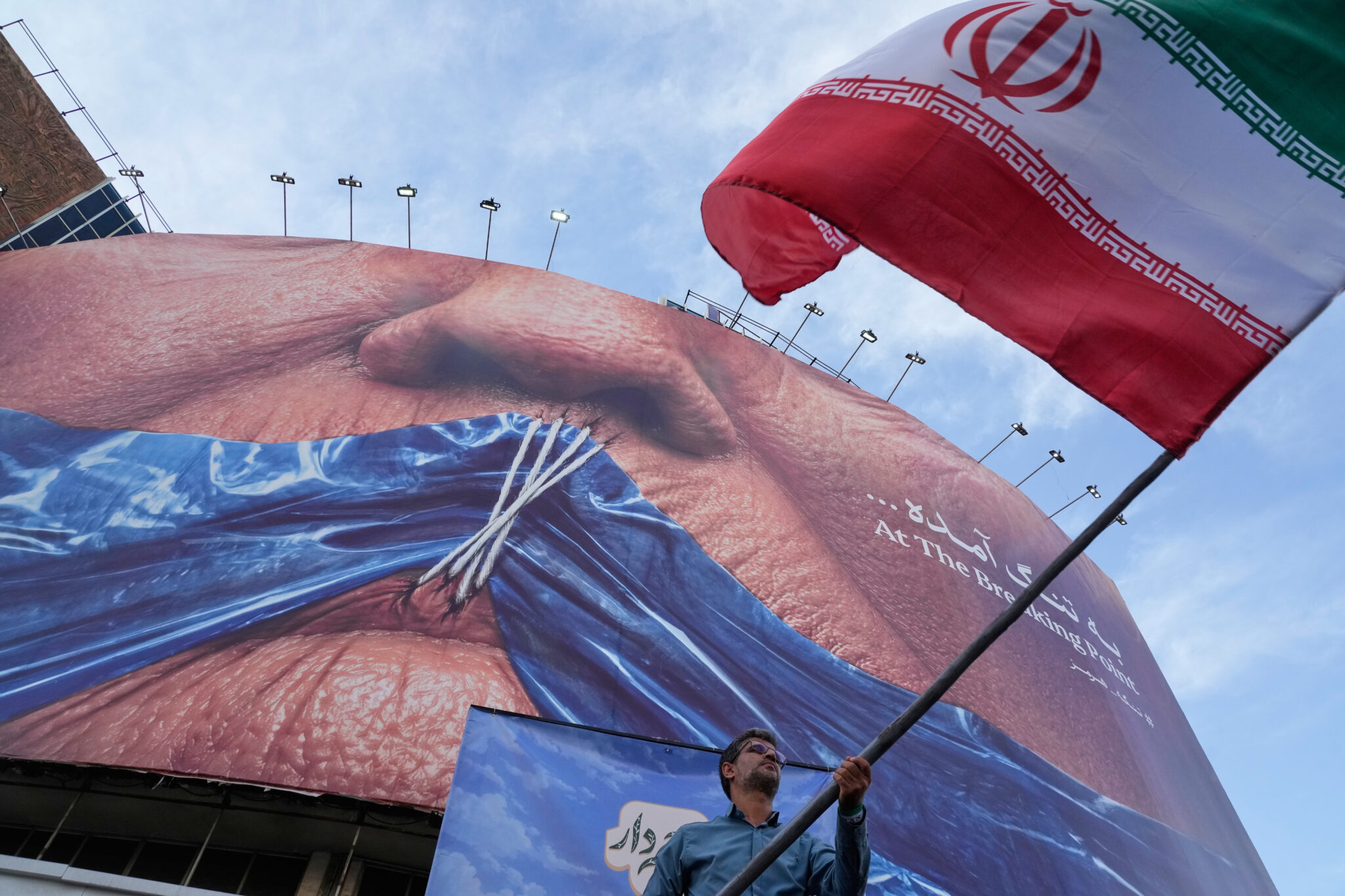
Iran Reviews US Proposal as Trump Pressures To Reopen Strait Of Hormuz/ Newslooks/ WASHINGTON/ J. Mansour/ Morning Edition/ Iran is reviewing a new U.S. proposal aimed at ending the war and reopening the Strait of Hormuz. President Donald Trump warned Tehran that renewed bombing would begin if negotiations fail. Global markets reacted positively as hopes for a ceasefire and restored oil shipments increased.
Iran US Proposal Quick Looks
- Iran reviewing latest American ceasefire proposal
- Trump threatens intensified bombing without agreement
- Strait of Hormuz remains largely blocked
- Pakistan mediating ongoing diplomatic negotiations
- Global oil markets reacting to peace prospects
- U.S. blockade continues despite ceasefire holding
Deep Look
Iran Reviews New US Proposal To End War
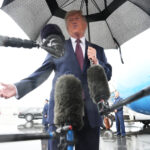
Iran said Thursday it is reviewing the latest American proposal to end the ongoing war, while President Donald Trump escalated pressure on Tehran with warnings of renewed military strikes if negotiations fail.
The diplomatic developments come amid a fragile ceasefire that has largely held since April 8, following two months of conflict between Iran, the United States and Israel.
Trump suggested on social media that the war could soon end if Iran agrees to terms reportedly involving:
- Reopening the Strait of Hormuz
- Limiting uranium enrichment
- Lifting certain sanctions
- Releasing frozen Iranian assets
“If they don’t agree, the bombing starts,” Trump warned in a post that rattled international observers.
Strait Of Hormuz Remains Global Economic Flashpoint
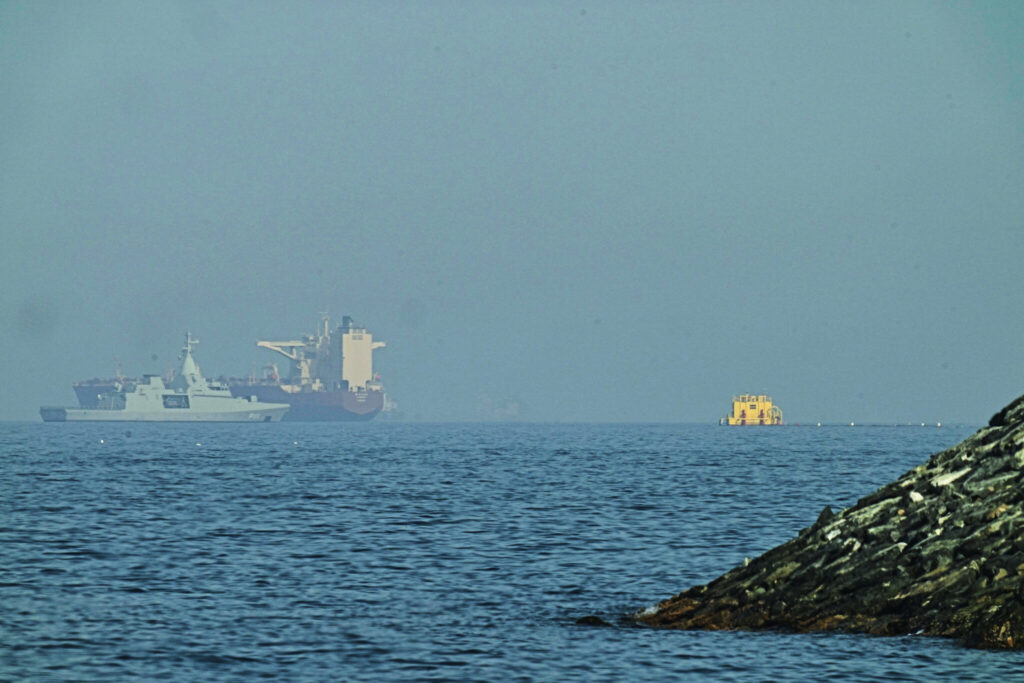
The central issue remains the Strait of Hormuz, one of the world’s most important maritime oil chokepoints.
Iran has effectively closed the waterway during the conflict, while the U.S. maintains a naval blockade targeting Iranian ports.
The disruption has:
- Bottled up hundreds of commercial ships
- Sent oil prices sharply higher
- Increased insurance and shipping costs
- Added inflationary pressure worldwide
Brent crude stabilized around $100 per barrel Thursday after fears of further escalation eased slightly.
Shipping giant Hapag-Lloyd estimated the crisis is costing the company nearly $60 million weekly because of rerouted cargo, fuel expenses and insurance increases.
Pakistan Continues Key Mediation Role
Pakistan has emerged as a central diplomatic intermediary between Washington and Tehran.
Pakistani Foreign Ministry spokesperson Tahir Andrabi said officials remain optimistic that an agreement can be reached “sooner rather than later.”
Prime Minister Shehbaz Sharif said Islamabad remains in constant contact with both sides “day and night” to preserve the ceasefire and secure a lasting settlement.
Despite the optimism, Pakistani officials declined to discuss details of the ongoing negotiations or any timeline for a final deal.
US Military Pressure Continues Despite Ceasefire
Although the ceasefire remains technically in place, military tensions continue.
According to U.S. Central Command, an American fighter jet disabled an Iranian oil tanker in the Gulf of Oman after it allegedly attempted to breach the U.S. blockade.
The incident highlights the contradictory nature of the current situation:
- Diplomacy continues publicly
- Military pressure continues operationally
- Naval tensions remain high
- Commercial shipping remains heavily disrupted
Earlier this week, the Trump administration suspended “Project Freedom,” a short-lived naval operation intended to escort commercial vessels through the Strait of Hormuz.
Only two American-flagged ships reportedly used the route before the mission was paused.
Iran Rejects Parts Of Reported Deal
Iranian Foreign Ministry spokesperson Esmaeil Baghaei said Tehran strongly rejected elements of a reported U.S. proposal published by Axios.
According to reports, the framework under discussion could include:
- A moratorium on uranium enrichment
- Sanctions relief
- Access to frozen Iranian financial assets
- Maritime reopening agreements
Iran says it continues reviewing revised proposals while maintaining opposition to conditions it considers unacceptable.
China Emerges As Influential Diplomatic Player
China has increasingly become a critical player in negotiations because of its close economic relationship with Iran.
Iranian Foreign Minister Abbas Araghchi traveled to Beijing this week for talks with Chinese officials ahead of a planned Trump visit to China later this month.
Chinese Foreign Minister Wang Yi called for a “comprehensive ceasefire” after meeting Araghchi.
China remains heavily dependent on Middle Eastern oil shipments and has significant influence over Tehran through trade and diplomatic partnerships.
The Trump administration is reportedly urging Beijing to pressure Iran into reopening the Strait of Hormuz.
Europe Prepares Possible Maritime Security Mission
European leaders are also preparing contingency plans in case diplomacy fails.
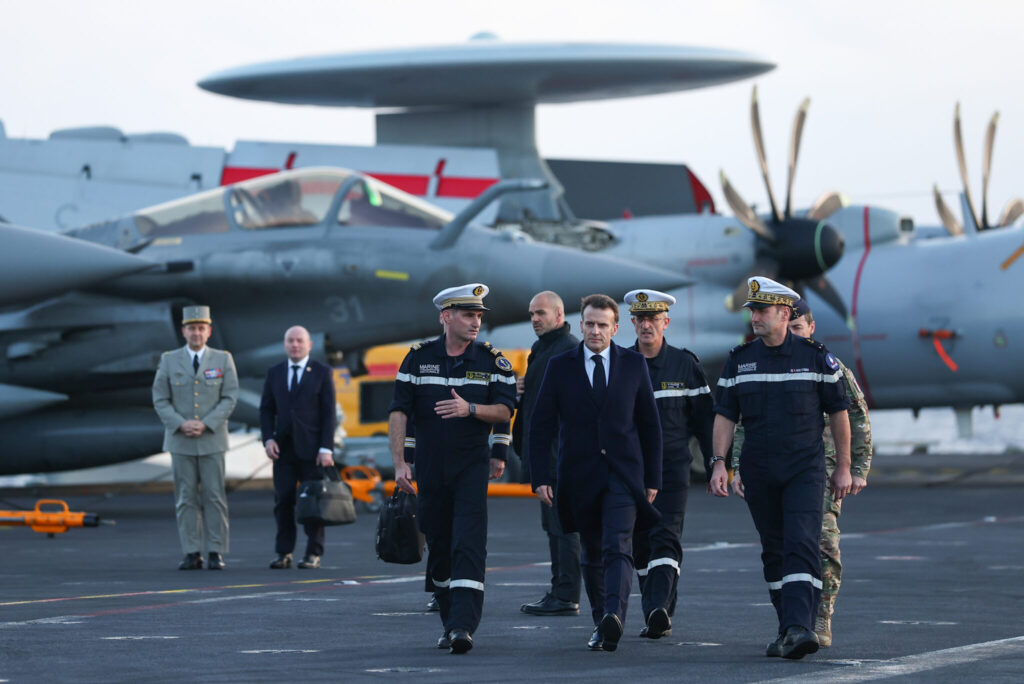
French President Emmanuel Macron announced that France’s aircraft carrier strike group is moving into the Red Sea to support potential French-British maritime security operations if conditions permit.
European governments remain deeply concerned about:
- Global energy security
- Economic fallout
- Regional instability
- Escalation risks involving NATO allies
Markets React Positively To Peace Hopes
Despite ongoing military tensions, global financial markets reacted positively to signs that negotiations may progress.
Investors welcomed:
- Stabilizing oil prices
- Continued ceasefire conditions
- Diplomatic engagement by Pakistan and China
- Reduced immediate risk of expanded conflict
Still, analysts warn that the situation remains highly volatile because both sides continue military operations while simultaneously negotiating peace terms.