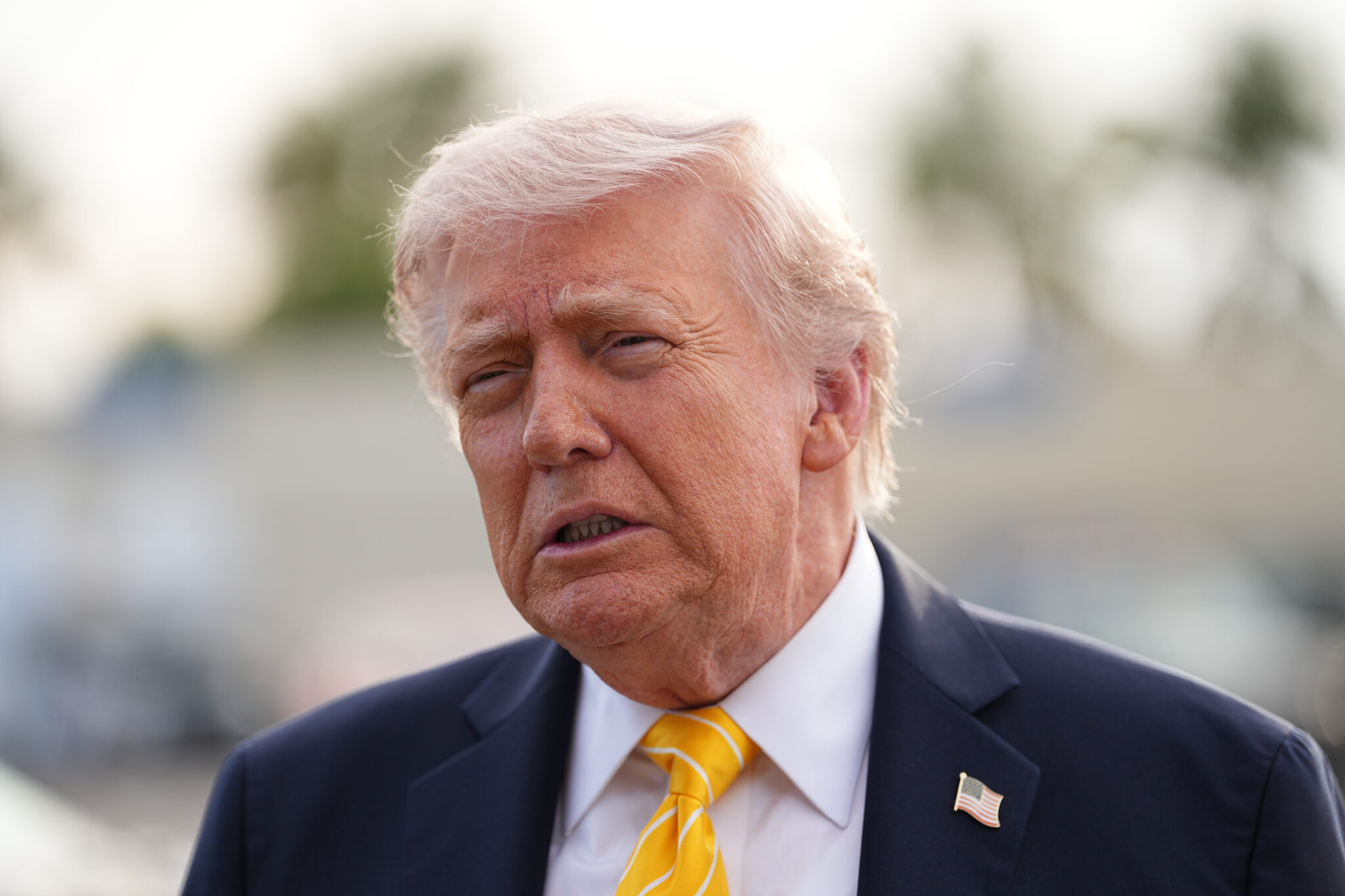
Trump Administration Overhauls ICE Recruit Training After Political Backlash/ Newslooks/ WASHINGTON/ J. Mansour/ Morning Edition/ The Trump administration is ending accelerated training for new ICE recruits after criticism from lawmakers and whistleblowers. DHS plans to restore expanded instruction and deploy veteran officers to oversee field training nationwide. The policy shift follows concerns that shortened programs weakened constitutional and law enforcement preparation.
ICE Training Overhaul Quick Looks
- DHS ending fast-track ICE recruit training
- New officers to receive expanded instruction
- Veteran agents assigned as field training mentors
- Democrats criticized shortened training standards
- ICE leadership promised reforms during funding negotiations
- Changes follow immigration enforcement backlash nationwide
Deep Look
Trump Administration Reverses ICE Training Acceleration
The Trump administration is abandoning the accelerated training model used to rapidly deploy thousands of new Immigration and Customs Enforcement recruits hired during the administration’s immigration enforcement expansion.
According to administration officials and sources familiar with the matter, the Department of Homeland Security is now overhauling ICE’s training system by restoring more extensive instruction and strengthening field supervision.
The changes represent a notable shift after months of criticism from lawmakers, whistleblowers and immigration advocates who warned that shortened training programs risked weakening standards for federal immigration enforcement officers.
Fast-Track Program Reduced Training Time
Democrats and former ICE officials alleged that recruits hired under last year’s immigration funding expansion completed dramatically shortened training programs.
Previous ICE Enforcement and Removal Operations basic training reportedly lasted:
- 72 days
- Approximately 584 hours of instruction
Under the accelerated system, some recruits allegedly completed:
- Roughly 42 days of training
- Around 336 instructional hours
Whistleblowers argued the cuts reduced instruction in:
- Constitutional law
- Firearms training
- Use-of-force standards
- Lawful arrest procedures
- Detention protocols
DHS publicly denied removing core training requirements, insisting that the curriculum had simply been condensed into longer training days.
Veteran Officers To Oversee New Recruits
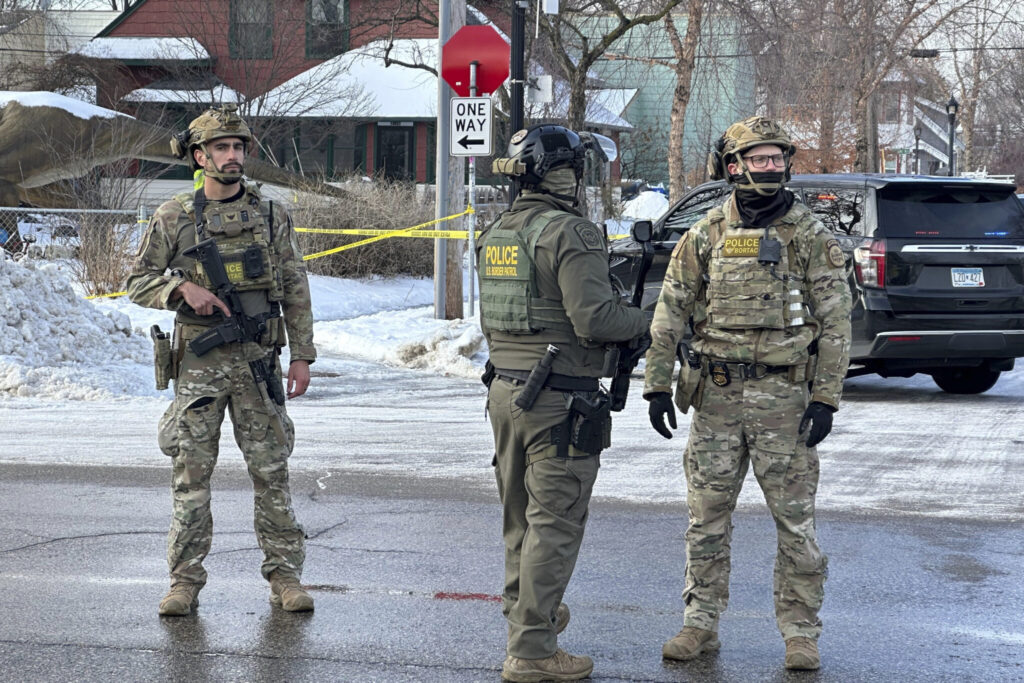
Under the revised approach, ICE plans to certify experienced officers and assign them to field offices specifically to mentor newer recruits.
Officials say the goal is to:
- Standardize training nationwide
- Improve oversight
- Expand on-the-job instruction
- Reinforce constitutional enforcement procedures
One administration official described the effort as an acknowledgment that the agency must ensure quality standards while continuing aggressive immigration enforcement.
“We’re actually doing something good here,” the official said.
Political Pressure Forced Reassessment
The policy reversal comes amid growing political backlash over the administration’s hard-line immigration tactics.
The Trump administration has faced:
- Declining public support for ICE
- Congressional scrutiny
- Criticism over deportation practices
- Concerns about officer preparedness
The changes reportedly emerged during funding negotiations between acting ICE Director Todd Lyons, border czar Tom Homan and lawmakers on Capitol Hill.
Officials said Lyons and Homan agreed to revisit the training standards after bipartisan concerns intensified.
Whistleblowers Raised Alarm
Former ICE instructor Ryan Schwank became one of the most visible critics of the accelerated training system.
During congressional testimony earlier this year, Schwank argued that ICE had dismantled critical instructional components necessary for lawful and safe federal policing.
“For the last five months, I watched ICE dismantle the training program,” Schwank testified.
Democrats released internal training documents they said demonstrated the reduction in classroom instruction and practical exercises.
DHS Defends ICE Standards
Despite the criticism, DHS continues defending the agency’s training process.
A DHS spokesperson stated that ICE recruits still complete:
- Federal Law Enforcement Training Center coursework
- Rigorous field mentoring
- Online monitoring and evaluations
- Real-world operational instruction
The department insists ICE remains “one of the most elite law enforcement agencies” globally.
Officials also argue that practical field experience remains central to immigration enforcement preparation.
Broader Immigration Strategy Continues
The training changes do not signal a retreat from the administration’s broader immigration agenda.
Trump administration priorities still include:
- Mass deportation operations
- Expanded detention capacity
- Border enforcement expansion
- Increased ICE staffing
- Aggressive cartel targeting
However, the administration appears increasingly focused on improving operational discipline and reducing political vulnerabilities surrounding ICE tactics.
Congressional Battles Shaped The Shift
The overhaul also follows a prolonged political fight over DHS funding.
Democrats attempted to include stricter immigration enforcement requirements in legislation, including:
- Expanded training mandates
- Restrictions on masked enforcement operations
- Judicial warrant requirements for private property entries
Negotiations collapsed several times before lawmakers finally resolved a 76-day Department of Homeland Security shutdown last week.
Future ICE Training Still Being Finalized
Officials caution the revised curriculum is still under development and may change further before full implementation.
The administration now faces the challenge of balancing:
- Rapid staffing needs
- Political pressure
- Public scrutiny
- Constitutional safeguards
- Aggressive enforcement goals
How successfully ICE executes the new training strategy could significantly shape public confidence in immigration enforcement ahead of the 2026 midterm elections.