Kevin Warsh Sworn in as Federal Reserve Chair Amid Rising Inflation Fears/ Newslooks/ WASHINGTON/ J. Mansour/ Morning Edition/ Kevin Warsh officially became Federal Reserve chair Friday as inflation concerns and global economic pressures intensify. The former Fed governor now faces difficult decisions over interest rates amid rising oil prices, tariffs, and AI-driven economic changes. Markets are increasingly expecting the Fed may consider additional rate hikes later this year.
Kevin Warsh Fed Chair Quick Looks
- Kevin Warsh was sworn in as Federal Reserve chair Friday.
- Warsh inherits mounting inflation concerns.
- Oil prices above $100 are fueling economic pressure.
- AI expansion is reshaping the US economy.
- Fed Governor Christopher Waller suggested possible rate hikes.
- Markets are increasingly pricing in tighter monetary policy.
- Trump previously criticized the Fed over interest rates.
- Warsh has criticized past Fed policies and leadership.
- The next Fed meeting is scheduled for June 16-17.
- Investors are closely watching Warsh’s first policy signals.
Deep Look
Kevin Warsh Takes Control of the Federal Reserve
Kevin Warsh officially took over Friday as chair of the Federal Reserve, stepping into one of the most difficult economic environments the central bank has faced in years.
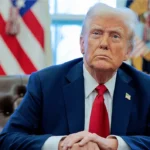
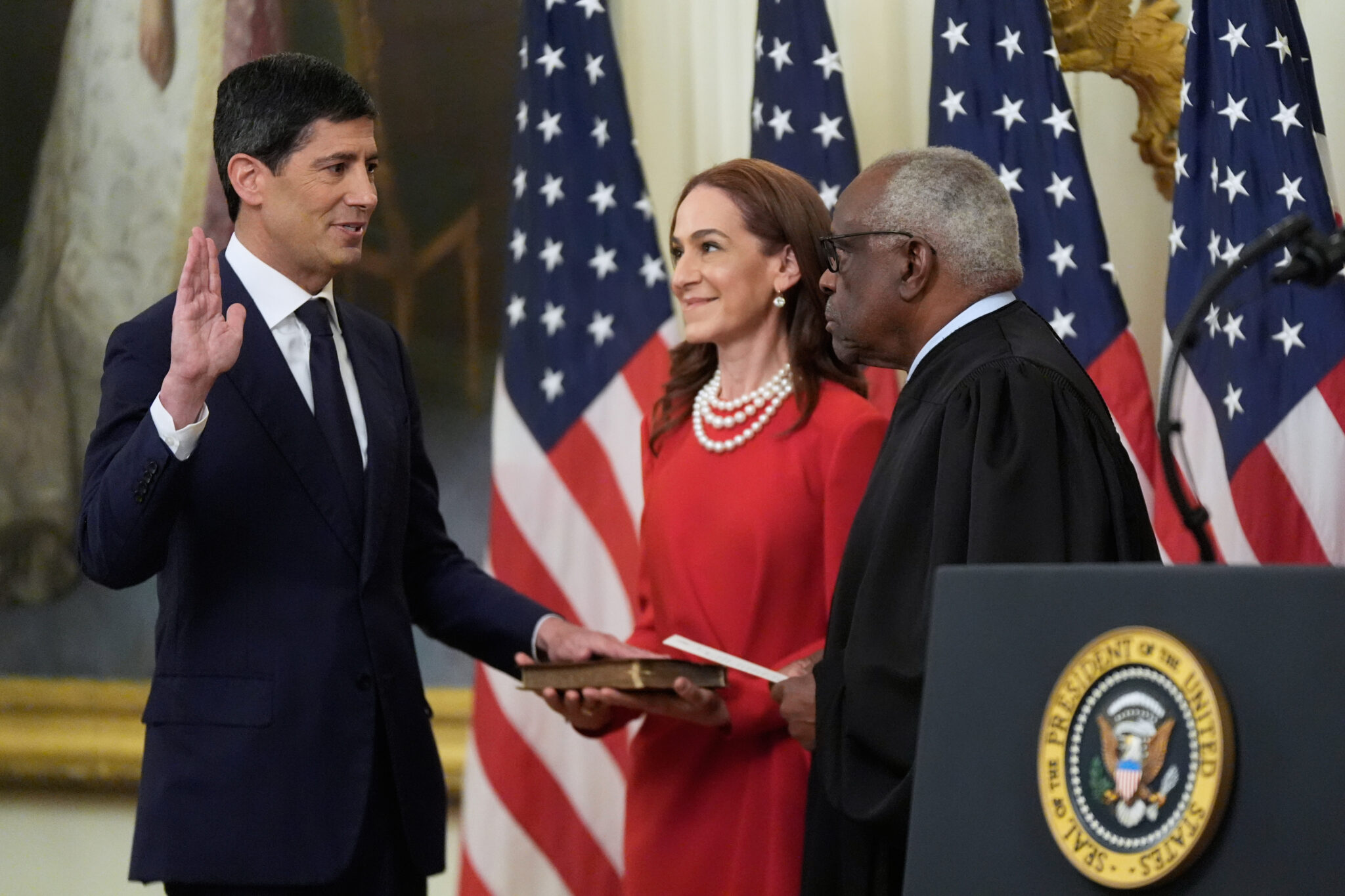
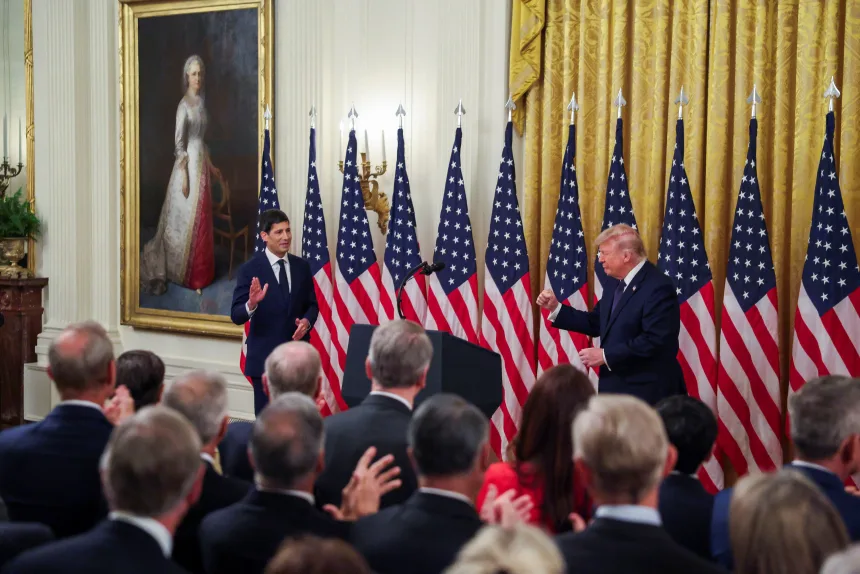
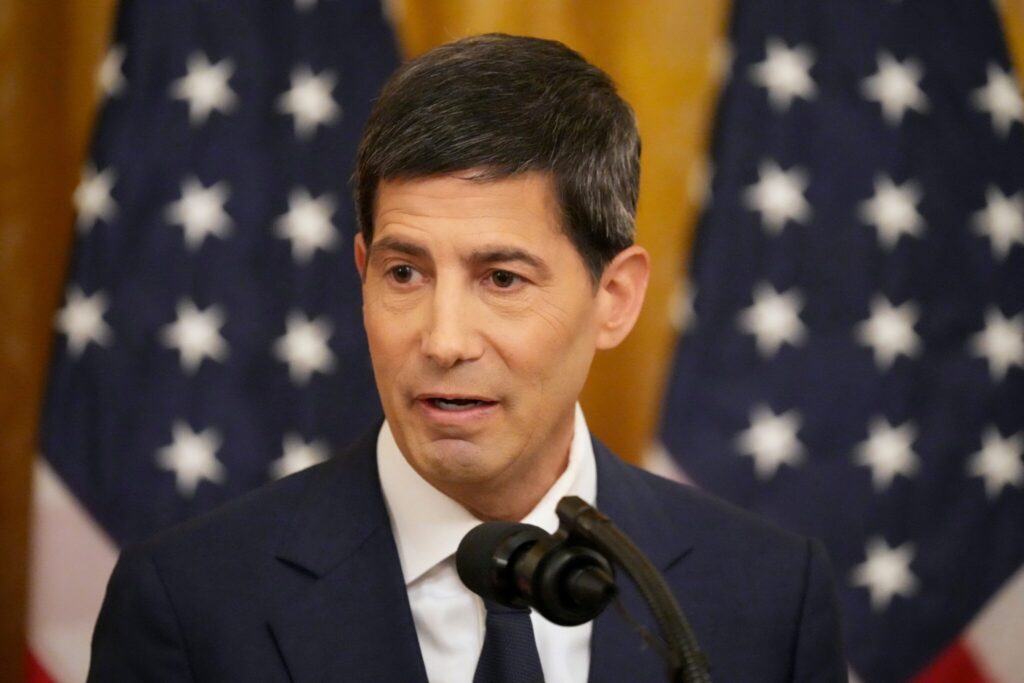
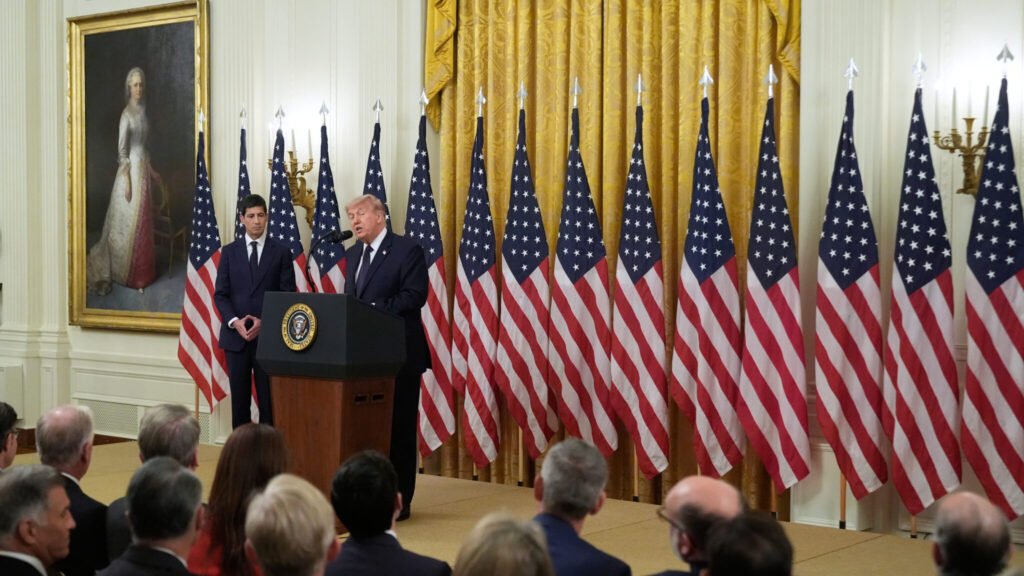
Warsh was sworn in at the White House alongside President Donald Trump as inflation concerns, global market volatility, and geopolitical uncertainty continue pressuring the US economy.
The new Fed chair immediately faces a high-stakes dilemma: whether to continue fighting inflation through tighter monetary policy or avoid further slowing economic growth during a politically sensitive election cycle.
Warsh, steps into the four-year role at a time of mounting uncertainty over inflation, geopolitical conflicts and volatile financial markets, alongside rising political pressure on the central bank’s independence.
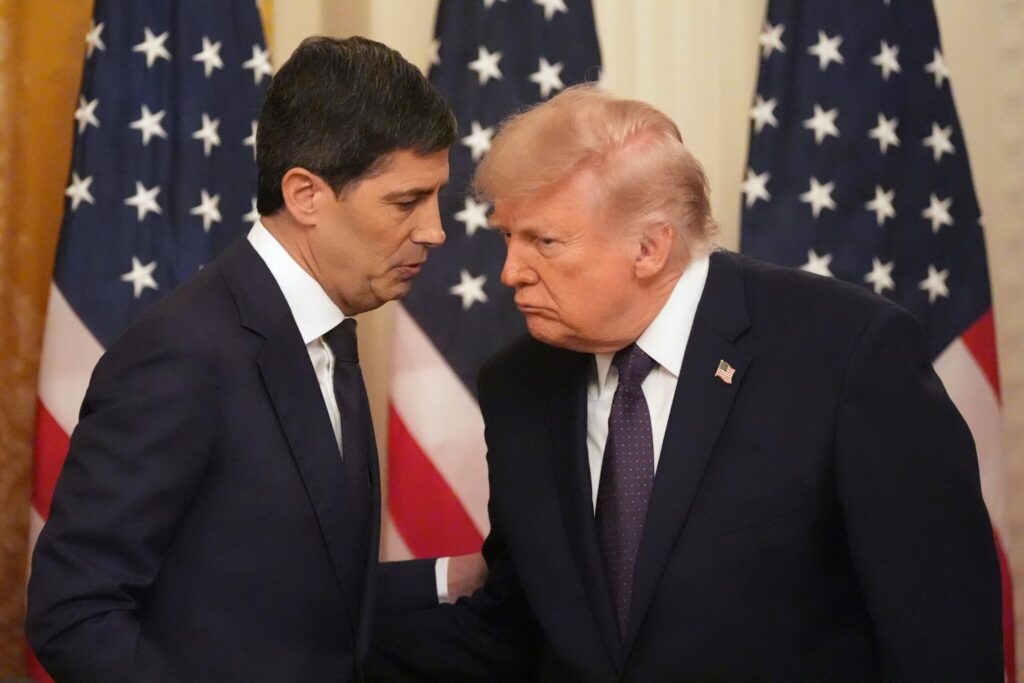
“I expect he will go down as one of the truly great chairmen of the Federal Reserve that we’ve ever had, I really believe that,” President Donald Trump said during remarks from the East Room, marking his first public appearance with Warsh since he nominated him earlier this year. “He’s got abilities that very few people have, covers a lot of territory, and he’s respected by everybody.”
Warsh has not been shy about the significant changes he envisions for the Fed, which he emphasized in brief remarks after being sworn in.
“I will lead a reform-oriented Federal Reserve, learning from past successes and mistakes, both escaping static frameworks and models and upholding clear standards of integrity and performance,” Warsh said.
But Trump said Friday he wants Warsh “to be totally independent.”
“Don’t look at me, don’t look at anybody, just do your own thing and do a great job,” Trump added. However, he repeatedly berated Powell for not lowering rates quickly enough, calling him a “numbskull” and an “average mentally person” and even threatened to fire him.
Warsh has also been a strong proponent of keeping the Fed out of issues that don’t have direct connections to core responsibilities. That’s in line with Trump’s thinking.
“The Fed lost its way in recent years,” Trump said.
“It became distracted by concerns far removed from its core mission and mandate, drifting into matters such as climate policy and DEI initiatives, with the Fed straying from its mandate.”
Trump said he had faith that Warsh would prioritize a strong economy.
“Thankfully, unlike some of his predecessors, Kevin understands that when the economy is booming, it is, that’s a good thing,” the president said. Trump said it was not necessary “to go crazy. Just let it go. We want it to boom.”
Supreme Court Justice Clarence Thomas administered the oath of office. Also on hand were House Speaker Mike Johnson, R-La., Justice Brett Kavanaugh, CIA Director John Ratcliffe and Cabinet members.
Inflation and AI Boom Complicate Fed Decisions
The economic backdrop confronting Warsh is unusually complex.
Federal Reserve officials say rapid advances in artificial intelligence are beginning to reshape labor markets, corporate investment, consumer behavior, and productivity across the economy.
However, policymakers admit the real-time economic impact of AI remains difficult to measure.
At the same time, inflation continues running above the Fed’s long-standing 2% target.
Several factors are contributing to ongoing price pressures, including:
- Oil prices above $100 per barrel
- Higher utility costs
- Import tariffs
- Increased infrastructure spending tied to AI expansion
- Supply disruptions connected to the Iran conflict
The combination has created growing concern inside financial markets that inflation could remain elevated much longer than expected.
Fed Officials Shift Toward Tougher Policy Tone
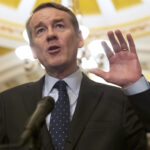
Just hours before Warsh’s swearing-in ceremony, Federal Reserve Governor Christopher Waller delivered remarks signaling a more aggressive stance on inflation.
Waller said the Fed should remove its “easing bias” and make clear that future rate hikes are now just as possible as rate cuts.
“With recent data showing inflation broadening and intensifying across the economy, the Fed should make it clear that a rate cut is no more likely in the future than a rate increase,” Waller said.
The comments added to growing market expectations that the central bank could raise interest rates again later this year.
Bond markets have already reacted by pushing long-term Treasury yields higher.
Warsh Built Reputation Criticizing Fed Leadership
Warsh, 56, emerged as Trump’s preferred candidate after a lengthy public selection process.
During that period, Warsh repeatedly criticized the Federal Reserve’s recent leadership and policy decisions.
He argued the central bank lost focus after years of aggressive stimulus policies and large-scale bond purchases.
Warsh previously served as a Fed governor before resigning in 2011 over disagreements involving quantitative easing.
In recent speeches and Senate testimony, he emphasized the importance of restoring credibility on inflation.
“Inflation is the Fed’s choice,” Warsh said during his confirmation hearing.
The comment reflected his belief that central bank policy plays the primary role in controlling long-term price stability.
Trump Relationship Adds Political Pressure
Warsh’s close ties to President Trump also add another layer of scrutiny.
Trump has repeatedly attacked the Federal Reserve in recent years for maintaining higher borrowing costs and slowing economic growth.
He sharply criticized outgoing Fed Chair Jerome Powell for refusing to cut interest rates aggressively.
Now, Warsh enters office while balancing:
- Inflation concerns
- Financial market expectations
- White House political pressure
- Questions surrounding Fed independence
Investors and economists are already closely watching whether Warsh will maintain the Fed’s traditional independence from political influence.
Fed Independence Debate Intensifies
One early test may involve the administration’s legal fight surrounding Federal Reserve Governor Lisa Cook.
The Supreme Court is considering Trump’s effort to remove Cook from the Fed board — a move many economists argue could undermine central bank independence.
Warsh’s response to the dispute will likely become a major signal regarding how he intends to lead the institution.
His approach is expected to be compared heavily with Powell, who frequently defended the Fed’s autonomy from political pressure during his tenure.
June Meeting Already Looms Large
Warsh’s first major policy test arrives quickly.
The Federal Reserve’s next meeting is scheduled for June 16-17, when officials will vote on interest rates and release updated economic projections.
One key question is whether Warsh will submit his own interest-rate forecast — known as a “dot” — alongside other policymakers.
That projection could immediately reveal whether his views align with existing Fed officials or signal a dramatic policy shift.
Analysts warn that any major divergence could create additional volatility in already nervous financial markets.
Americans Feeling Impact of Higher Prices
The inflation debate is not only affecting Wall Street.
Americans continue experiencing rising costs in everyday life, particularly at gas stations, grocery stores, and housing markets.
Gasoline prices around $4.50 per gallon have become a visible reminder of Trump’s campaign promise to “end inflation and make America affordable again.”
Mortgage rates have also climbed sharply as bond yields increased in response to inflation fears.
The Fed’s future decisions will directly affect:
- Home loan rates
- Credit card borrowing
- Auto financing
- Business investment costs
- Consumer spending
Warsh Faces Immediate Credibility Challenge
Warsh now begins his tenure under intense pressure from financial markets, politicians, businesses, and consumers alike.
His first months may ultimately define whether investors view him as:
- An aggressive inflation fighter
- A politically aligned Fed chair
- A market stabilizer
- Or a disruptor willing to reshape Fed policy
With inflation still elevated, geopolitical risks rising, and AI rapidly transforming the economy, Warsh enters office facing one of the most complicated monetary policy environments in decades.