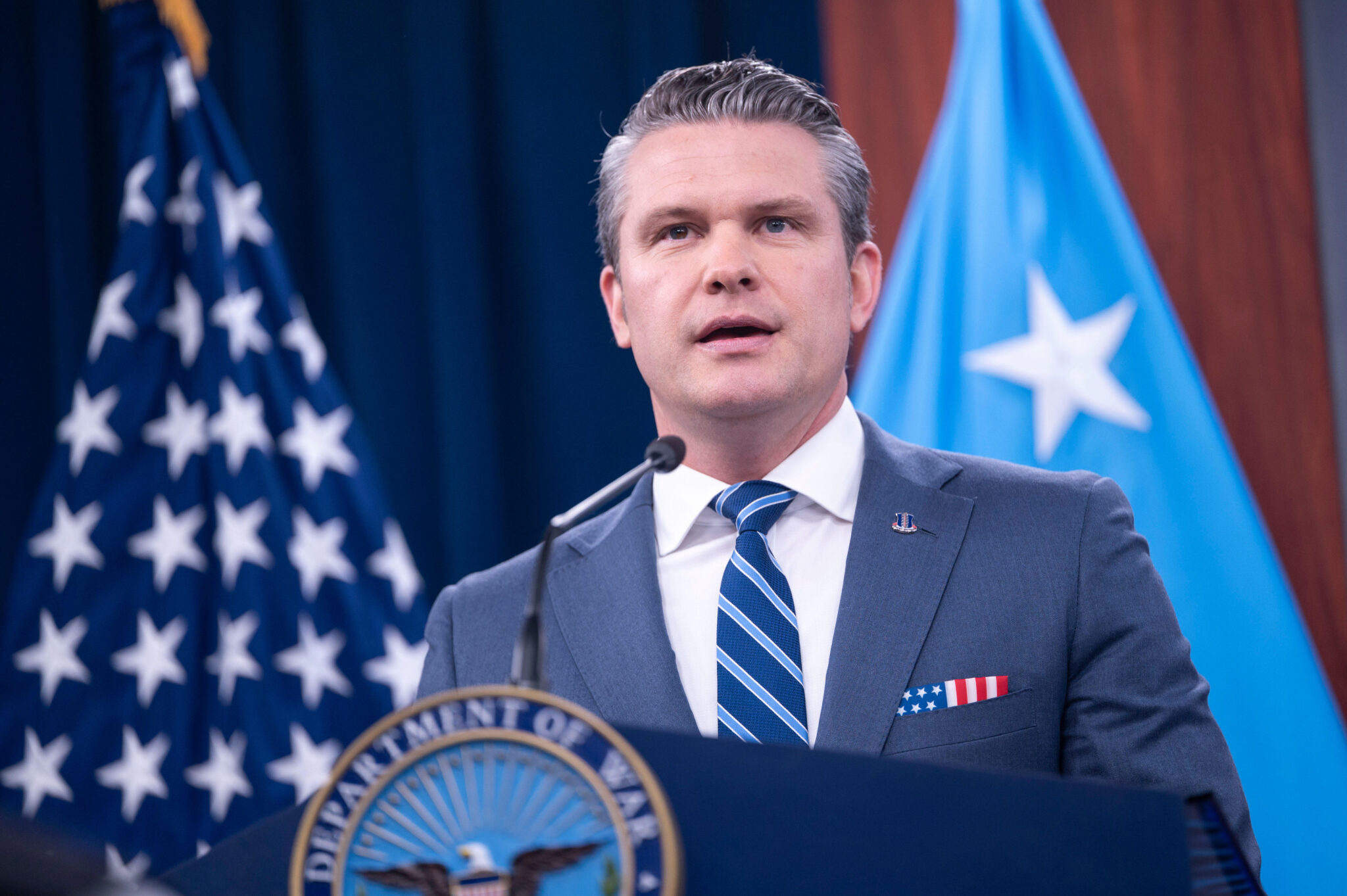
Pentagon Ends Mandatory Flu Vaccine for US Troops/ Newslooks/ WASHINGTON/ J. Mansour/ Morning Edition/ Defense Secretary Pete Hegseth announced that U.S. troops will no longer be required to receive the annual flu vaccine, citing medical autonomy and religious freedom. The Pentagon said service members may still choose to get vaccinated, while military branches can request exemptions to keep the mandate in place. The decision follows broader Trump administration efforts to roll back vaccine requirements and recommendations across government institutions.
Pentagon Ends Mandatory Flu Vaccine for US Troops Quick Looks
- Pete Hegseth ended the military-wide flu vaccine mandate
- Troops can still voluntarily receive the annual flu shot
- Military branches have 15 days to request keeping the requirement
- Hegseth cited “medical autonomy” and religious freedom
- The move follows earlier reversal of the COVID-19 vaccine mandate
- More than 8,400 troops were discharged over the 2021 COVID vaccine order
- 153 service members have since been reinstated or re-accessed
- Public health experts continue recommending annual flu vaccines for everyone over 6 months old
Deep Look
Pentagon Removes Mandatory Flu Shot Requirement for Service Members
The change marks a major shift in longstanding military vaccination policy and reflects the Trump administration’s broader effort to reduce federal vaccine mandates.
In a video posted on social media, Hegseth said the decision was based on protecting individual medical freedom and religious liberty within the armed forces.
“The notion that a flu vaccine must be mandatory for every service member, everywhere, in every circumstance at all times is just overly broad and not rational,” Hegseth said.
He added that troops remain free to receive the flu vaccine voluntarily, but they will no longer be forced to take it.
“Because your body, your faith and your convictions are not negotiable,” he said.
The Pentagon memo implementing the new policy allows each branch of the military to request permission to keep the requirement in place if operational needs demand it.
Those requests must be submitted within 15 days.
Military Vaccination Programs Have Long History
Vaccination requirements in the U.S. military date back to the American Revolution.
According to the Congressional Research Service, the military’s first organized vaccine program began in 1777 when Gen. George Washington ordered inoculations to protect the Continental Army from smallpox.
Modern military vaccine programs have remained a central part of readiness and deployment planning.
A 2021 Congressional Research Service report listed eight mandatory vaccines for service members, including protection against influenza, polio, tetanus, measles, and hepatitis A and B.
The military has long argued that widespread vaccination helps protect troops during deployments, especially in close living conditions and overseas operations where disease outbreaks can quickly spread.
Still, vaccine mandates became far more politically charged during the coronavirus pandemic.
COVID-19 Vaccine Mandate Sparked Major Controversy
The Pentagon’s flu vaccine decision follows years of debate surrounding the military’s 2021 COVID-19 vaccine requirement.
More than 8,400 troops were separated from service after refusing to comply with the COVID vaccine mandate introduced under the Biden administration.
Thousands of others requested religious or medical exemptions.
At the time, the Pentagon reported that nearly all active-duty troops in the Navy, Air Force, and Marine Corps—around 99%—had received the vaccine, while Army compliance reached roughly 98%.
Reserve and National Guard vaccination rates were slightly lower but generally remained above 90%.
Congress later voted to rescind the mandate, and the Pentagon officially dropped it in January 2023.
That decision became a major political issue for Republicans, especially former President Donald Trump and his allies.
Trump Administration Restores Some Discharged Troops
After returning to office, the Trump administration created a policy allowing service members who were removed for refusing the COVID vaccine to return to military service with back pay.
Although only a small number have chosen to return, the Pentagon has continued publicly highlighting those cases.
In March, the Department of Defense said 153 previously separated service members had been reinstated or “re-accessed.”
Hegseth’s team has used those cases to emphasize what it calls fairness for troops whose careers were disrupted by earlier vaccine mandates.
The end of the flu shot requirement is seen by many as an extension of that same policy direction.
It reinforces the administration’s position that mandatory vaccinations should be limited unless absolutely necessary for military readiness.
Public Health Experts Still Support Annual Flu Vaccination
The Pentagon’s announcement comes after what health officials described as a particularly severe flu season in the United States.
Influenza infections surged nationwide, increasing pressure on hospitals and public health systems.
Medical experts, including the Centers for Disease Control and Prevention, continue to recommend annual flu vaccination for everyone aged 6 months and older.
They argue that flu shots reduce severe illness, hospitalizations, and deaths, particularly among vulnerable populations.
The Trump administration, however, has been moving to reduce universal vaccine recommendations.
Earlier this year, officials said the federal government would no longer automatically recommend flu shots and some other vaccines for all children.
Instead, they said parents and patients should make those decisions with their doctors.
A federal judge has temporarily blocked that policy while a legal challenge moves through the courts.
Religious Exemptions Already Existed
Even before Tuesday’s announcement, service members could request exemptions from required vaccines based on religious beliefs.
The Congressional Research Service noted that commanders were required to review those requests with input from both medical professionals and religious representatives.
Troops were also counseled on how refusing vaccination could affect their ability to deploy or serve in certain operational environments.
Military physicians were responsible for explaining the health risks and benefits of declining required vaccines.
The new flu vaccine policy changes that process by removing the broad requirement itself rather than relying mainly on individual exemptions.
That shift may reduce administrative burdens while also creating new questions about how individual branches will handle force readiness during future flu outbreaks.
Readiness vs. Personal Freedom Debate Continues
The decision reflects an ongoing national debate over the balance between public health protections and personal freedom.
Supporters argue the change restores individual choice and protects religious rights for service members who felt unfairly pressured under previous vaccine policies.
Critics warn that reducing vaccination requirements could weaken force readiness, especially during severe flu seasons or overseas deployments where illness can disrupt operations quickly.
The Pentagon now faces the challenge of maintaining troop health while honoring the administration’s push for greater medical autonomy.
Whether military branches request to keep flu shot mandates in place may offer the first sign of how that balance will be managed.
For now, one of the oldest military health policies in American history has entered a new chapter.