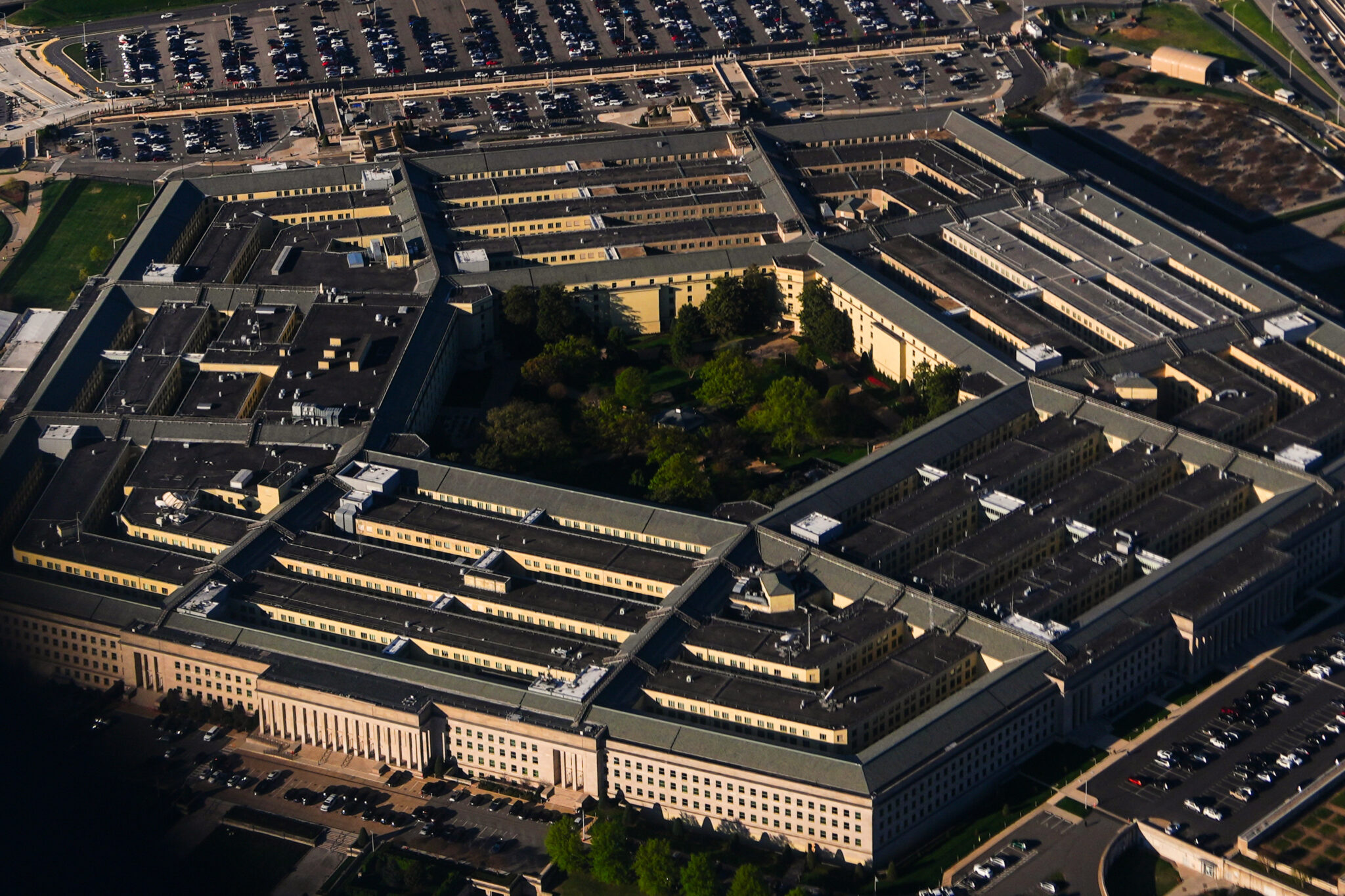
US Military to Boost 2027 Spending on Drones, Air Defenses Used in Iran War/ Newslooks/ WASHINGTON/ J. Mansour/ Morning Edition/ The Pentagon is seeking major increases in drone warfare, missile defense, and fighter jet spending as part of President Donald Trump’s proposed $1.5 trillion defense budget for 2027. Military officials say lessons from the Iran war have highlighted the urgent need for more drones, stronger air defenses, and larger missile stockpiles. The plan also includes troop growth, border operations funding, and the largest U.S. shipbuilding request in more than six decades.

Pentagon Seeks Major Drone and Missile Budget Boost Quick Looks
- The Pentagon wants defense spending raised to $1.5 trillion for 2027
- Drone and counter-drone funding would rise to more than $74 billion
- Missile defense and munitions would receive over $30 billion
- Patriot and THAAD systems are under major strain from the Iran war
- The budget includes long-range Precision Strike Missiles
- The military plans to add 44,500 troops in 2027
- More than $2 billion would go toward U.S.-Mexico border operations
- Shipbuilding would see the biggest funding request since 1962
Deep Look
Pentagon Pushes Historic Defense Spending Increase for 2027
The Pentagon is preparing a major expansion of military spending for 2027, with drones, missile defense systems, and fighter jets at the center of its new budget strategy.
As part of President Donald Trump’s push to raise total defense spending to $1.5 trillion, military leaders are asking Congress to approve tens of billions of dollars in new funding for technologies that have become essential during the ongoing Iran war.
The proposal would triple spending on drones and related systems while also sharply increasing investment in missile interceptors and long-range weapons whose stockpiles have been heavily strained by combat operations.
Military officials said the blueprint was created before the latest escalation in the Middle East, but acknowledged that battlefield lessons from Iran have made those priorities even more urgent.
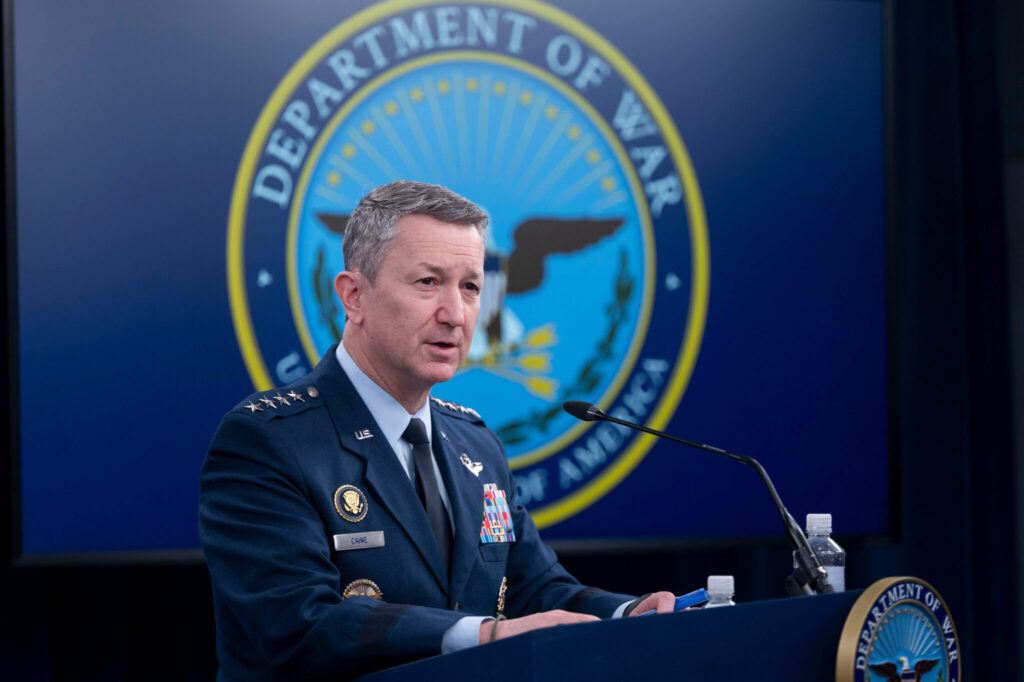
“This budget is the largest investment in drone warfare and counter drone technology in U.S. history,” said Jules Hurst III.
“Drone warfare is rapidly reshaping the modern battlefield.”
Drone Warfare Becomes Pentagon’s Top Priority
The Pentagon wants to spend nearly $54 billion on military drones and related unmanned systems, along with another $21 billion for weapons designed to destroy enemy drones.
That would bring total drone and counter-drone spending to more than $74 billion.
Officials say the shift reflects how quickly drones have transformed modern warfare.
Cheap Iranian drones, often used in swarms, have forced the U.S. and its allies to spend expensive interceptor missiles just to defend airspace and military bases.
Similar lessons have also emerged from the war in Ukraine, where drones have become one of the most important battlefield tools for surveillance, strikes, and defense.
Top Pentagon leaders argue the U.S. must rapidly scale up both offensive drone capabilities and defensive systems to avoid falling behind.
The goal is not only to prepare for current conflicts, but also future military competition with countries like China and Russia.
Patriot and THAAD Missile Stockpiles Running Low
A major part of the new spending request focuses on rebuilding U.S. missile defense inventories.
The Pentagon wants more than $30 billion for munitions, including missile interceptors for the Patriot and THAAD air defense systems.
Those stockpiles have been heavily depleted during operations tied to the Iran war.
The THAAD system is designed to stop medium-range ballistic missiles, while the Patriot system is used to intercept short-range ballistic missiles and crewed aircraft.
However, both systems have also been used to destroy low-cost Iranian drones, forcing the military to use expensive high-end interceptors against much cheaper threats.
That imbalance has raised major concerns inside the Pentagon.
“The overlap, you’ll see is the request for munitions, which is something we always need,” Hurst said.
“We always need to increase our magazine depth.”
Officials said no direct Iran war operational costs are included in the 2027 proposal, meaning any emergency war funding would be requested separately.
Long-Range Strike Weapons Also Receive Major Funding
The $30 billion munitions package would also include purchases of advanced long-range missile systems used by the U.S. Army.
Among them are Precision Strike Missiles and Mid-Range Capability missile systems designed to improve U.S. strike options against distant targets.
These systems are increasingly viewed as essential for future conflicts involving both regional threats like Iran and larger strategic competitors such as China.
Military planners say long-range strike weapons are necessary to maintain deterrence and allow faster responses without requiring immediate troop deployments.
The budget reflects a broader Pentagon shift away from older force structures and toward precision-guided systems, drones, and distributed strike capabilities.
Pentagon Also Plans Troop Growth and Border Spending
The 2027 defense proposal extends far beyond battlefield technology.
The Pentagon plans to increase the size of the U.S. military by 44,500 troops, representing growth of more than 2%.
That expansion comes after years of recruiting challenges across multiple branches.
The budget would also allocate more than $2 billion for operations along the U.S.-Mexico border, another major Trump administration priority.
Border security funding has become increasingly tied to national defense policy under Trump’s second administration.
Supporters argue military logistics and surveillance are necessary to support immigration enforcement and border operations.
Critics question whether those missions distract from core military readiness.
Still, the White House has made border operations a major part of its national security strategy.
Largest Shipbuilding Request Since 1962
Another major part of the budget is naval expansion.
The Pentagon says the 2027 request would include the largest shipbuilding proposal since 1962, signaling a major effort to strengthen U.S. naval power.
While specific ship numbers were not immediately released, the move reflects growing concerns about global competition at sea, especially in the Indo-Pacific and the Persian Gulf.
Naval readiness has become increasingly important as maritime security challenges grow in the Strait of Hormuz and South China Sea.
The U.S. military sees shipbuilding as critical not only for deterrence, but also for securing trade routes and responding to future crises.
Combined with drone warfare, missile defense, and troop growth, the naval investment points to one of the most aggressive Pentagon budget strategies in decades.
Iran War Lessons Reshape Future Military Planning
Although officials insist the budget was developed before the latest Middle East escalation, the Iran war clearly reinforces the Pentagon’s priorities.
The conflict has exposed how quickly missile defense stockpiles can be drained, how important drones have become, and how vulnerable global energy and shipping routes remain during regional warfare.
It has also shown that even limited conflicts can produce enormous demands on U.S. military resources.
The Pentagon’s 2027 request is designed to respond to that new reality.
Rather than treating drones and missile defense as secondary programs, the military is now placing them at the center of future war planning.
Congress will ultimately decide how much of that spending survives.
But the message from defense leaders is clear: the battlefield has changed, and the Pentagon believes the budget must change with it.