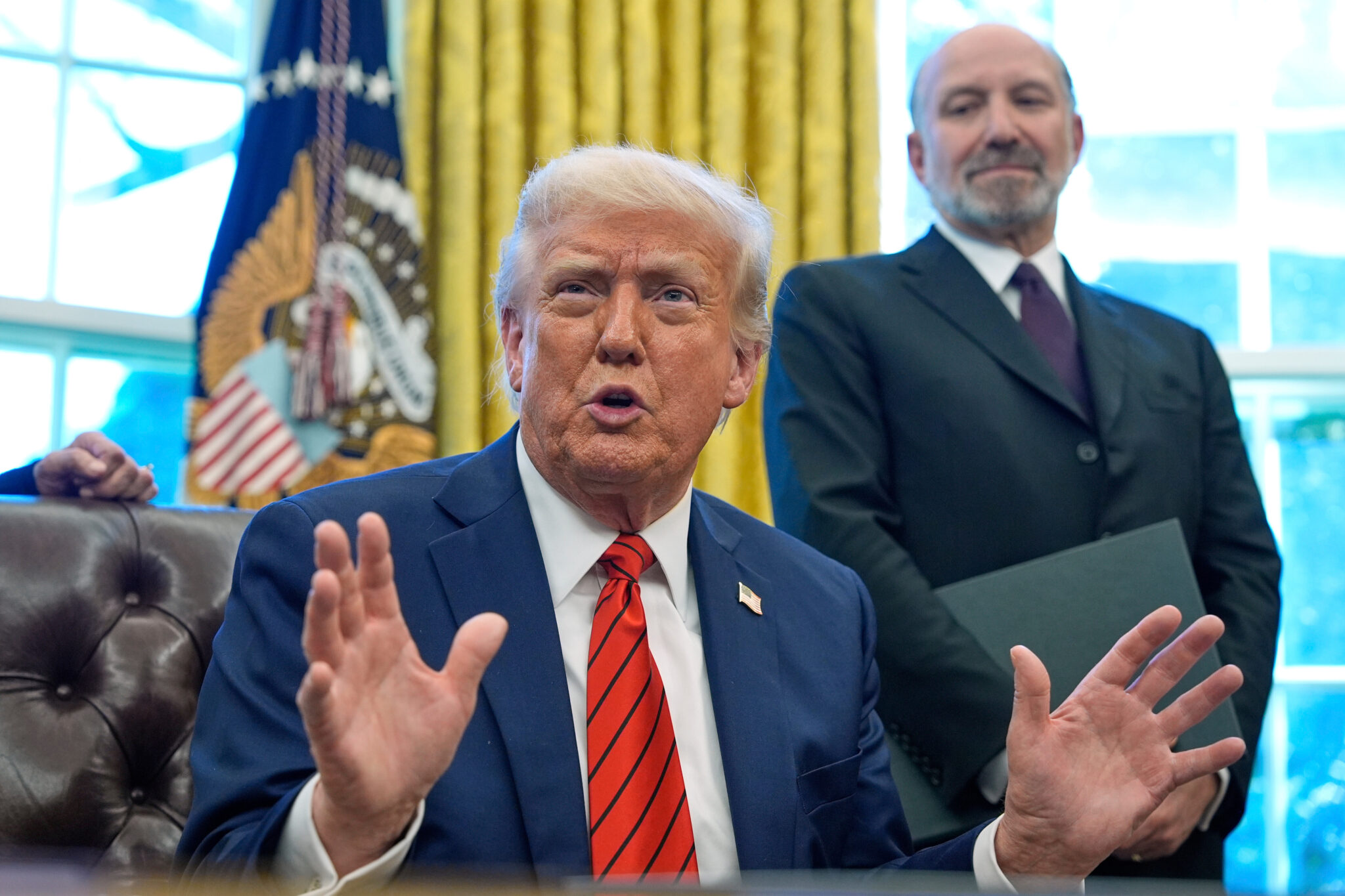
US And Iran Edge Closer Toward End of War Agreement/ Newslooks/ WASHINGTON/ J. Mansour/ Morning Edition/ The U.S. and Iran appear closer to a potential agreement ending their war. President Donald Trump warned Iran of intensified bombing if talks collapse. Shipping disruptions in the Strait of Hormuz continue damaging global trade.
US Iran War Talks Quick Looks
- Trump threatens renewed bombing against Iran
- White House reportedly nearing preliminary agreement
- Strait of Hormuz remains partially disrupted
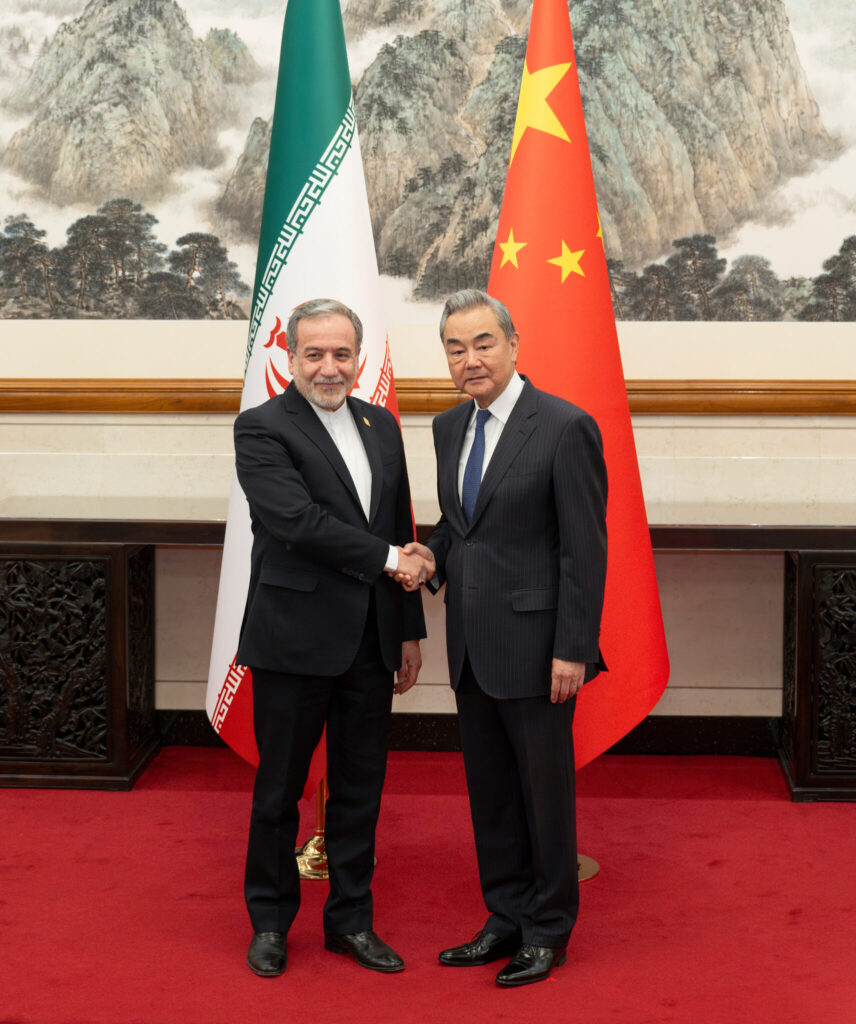
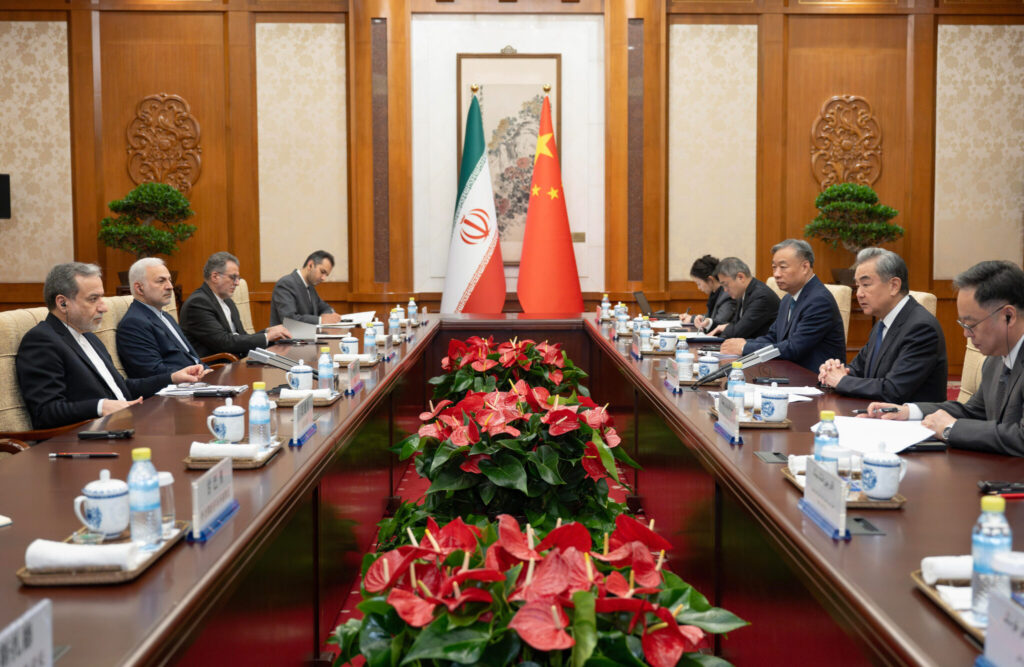
- China increases diplomatic involvement in negotiations
- Global shipping firms report major financial losses
- Oil prices ease slightly as optimism grows
Deep Look
US And Iran Move Closer To Potential Agreement
United States and Iran appeared Wednesday to move closer toward a possible framework agreement to end their months-long conflict.
President Donald Trump suggested negotiations were advancing but warned Tehran that military action could intensify dramatically if no agreement is reached.
“If they don’t agree, the bombing starts,” Trump wrote on social media.
The comments added fresh uncertainty to already fragile ceasefire efforts.
White House Reportedly Near Preliminary Deal
According to reports cited by Axios, the White House believes negotiators are nearing agreement on a one-page memorandum that could lay groundwork for ending the war.
Reported provisions include:
- A moratorium on Iranian uranium enrichment
- Partial lifting of U.S. sanctions
- Release of frozen Iranian assets
- Reopening of the Strait of Hormuz
The White House has not officially confirmed the details.
Trump acknowledged any agreement still depends on Iranian approval.
“It will be, sadly, at a much higher level and intensity than it was before,” Trump warned if negotiations collapse.
Strait Of Hormuz Remains Global Pressure Point
The conflict has centered heavily on the Strait of Hormuz, one of the world’s most important shipping corridors.
Before the war, roughly one-fifth of global oil and natural gas shipments passed through the narrow waterway.
Iran’s effective closure of the strait has:
- Disrupted global shipping
- Increased oil prices
- Raised fuel costs worldwide
- Pressured international supply chains
Hundreds of merchant ships remain trapped inside the Persian Gulf awaiting safer passage.
Trump Suspends Naval Escort Operation
Trump recently paused “Project Freedom,” a U.S. military effort designed to escort commercial vessels safely through the strait.
The operation had only briefly begun before being suspended to allow negotiations more time.
The administration says the blockade around Iranian ports remains in effect despite the operational pause.
Only a small number of American-flagged ships have successfully transited the guarded shipping corridor so far.
Shipping Industry Faces Mounting Costs
Major global shipping companies say the disruption is causing severe economic damage.
Hapag-Lloyd reported the strait shutdown is costing roughly $60 million per week because of:
- Rising fuel prices
- Insurance increases
- Delayed shipments
- Limited alternative routes
A cargo vessel operated by CMA CGM was also damaged while traveling through the strait Tuesday, injuring multiple crew members.
China Emerges As Key Diplomatic Player
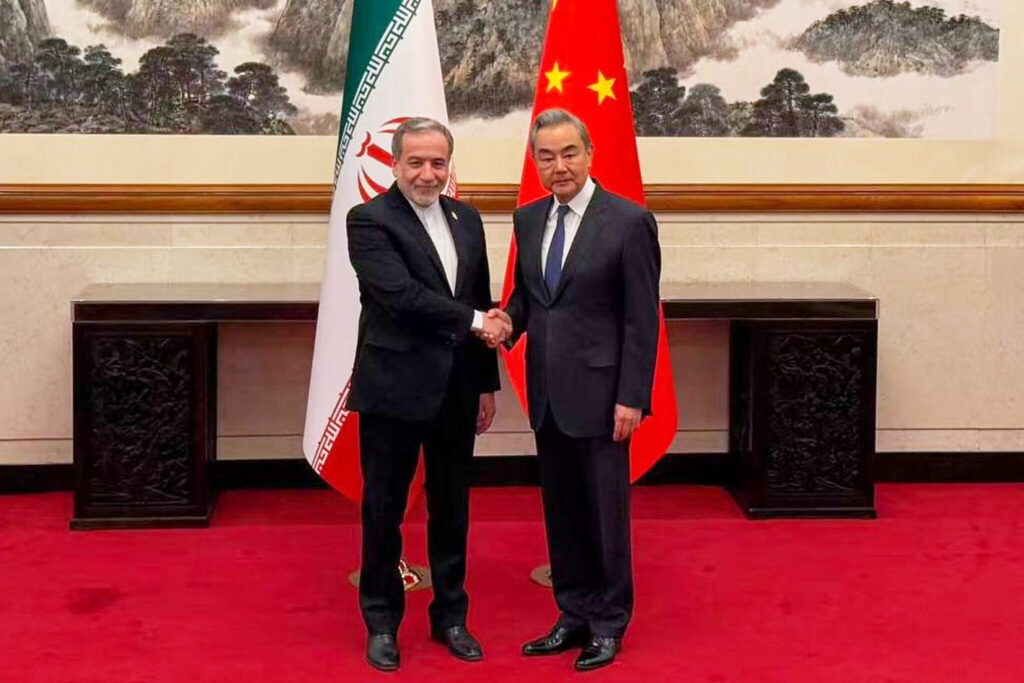
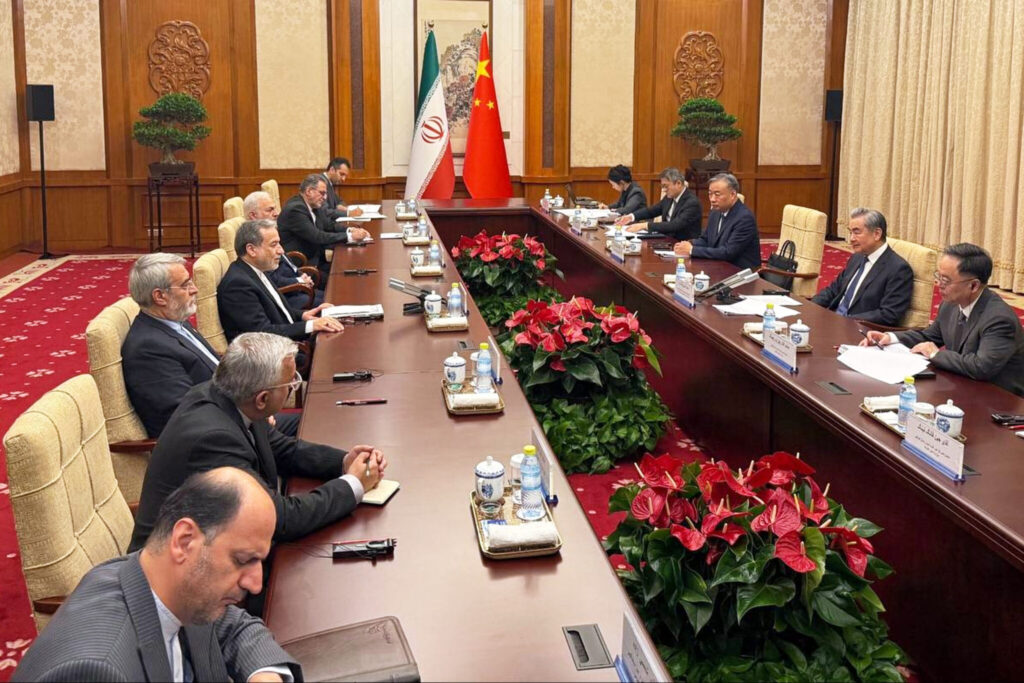
China is increasingly positioning itself as a major diplomatic player in negotiations involving Iran.
China publicly called for:
- A comprehensive ceasefire
- Restoration of shipping traffic
- Continued diplomatic negotiations
Beijing’s influence matters because China remains Iran’s largest oil customer and one of its most important international partners.
Trump And Xi Summit Adds New Diplomatic Dimension
The negotiations are unfolding just before Trump’s planned summit next week with Chinese President Xi Jinping in Beijing.
The summit is expected to focus heavily on:
- Iran
- Global energy markets
- Regional stability
- Trade disruptions
Secretary of State Marco Rubio has urged Beijing to pressure Tehran into reopening the Strait of Hormuz.
Oil Prices Ease But Remain Elevated
Financial markets reacted positively to signs of possible diplomatic progress.
Brent crude prices fell to roughly $100 per barrel Wednesday after previously climbing above $115 earlier in the week.
Still, prices remain far above prewar levels near $70 per barrel.
Analysts warn markets could remain volatile until a lasting agreement is finalized and commercial shipping resumes safely.
Analysts Warn Risks Remain High
Energy and shipping experts caution that even a ceasefire may not immediately restore confidence.
Kaho Yu of Verisk Maplecroft said:
“Refiners, shippers and commodity traders will remain cautious until there is clearer evidence that Hormuz disruptions will not re-escalate.”
The situation remains highly sensitive as military threats and diplomatic negotiations continue simultaneously.
Outlook: Deal Possible But Fragile
The coming days may determine whether negotiations evolve into a formal peace framework or collapse into renewed military escalation.
The stakes remain enormous for:
- Global energy markets
- International shipping
- Inflation
- Regional security
- U.S.-China diplomacy
For now, investors and governments worldwide are closely watching whether diplomacy can finally stabilize one of the world’s most strategically vital regions.