Trump Defends White House Ballroom After Senate Funding Blow/ Newslooks/ WASHINGTON/ J. Mansour/ Morning Edition/ President Donald Trump defended his planned White House ballroom after Senate rules blocked related Secret Service funding. Trump insisted the ballroom itself is being financed entirely by private donations and his own money. The Senate parliamentarian ruled that the proposed funding violated reconciliation rules, creating a setback for Republicans.
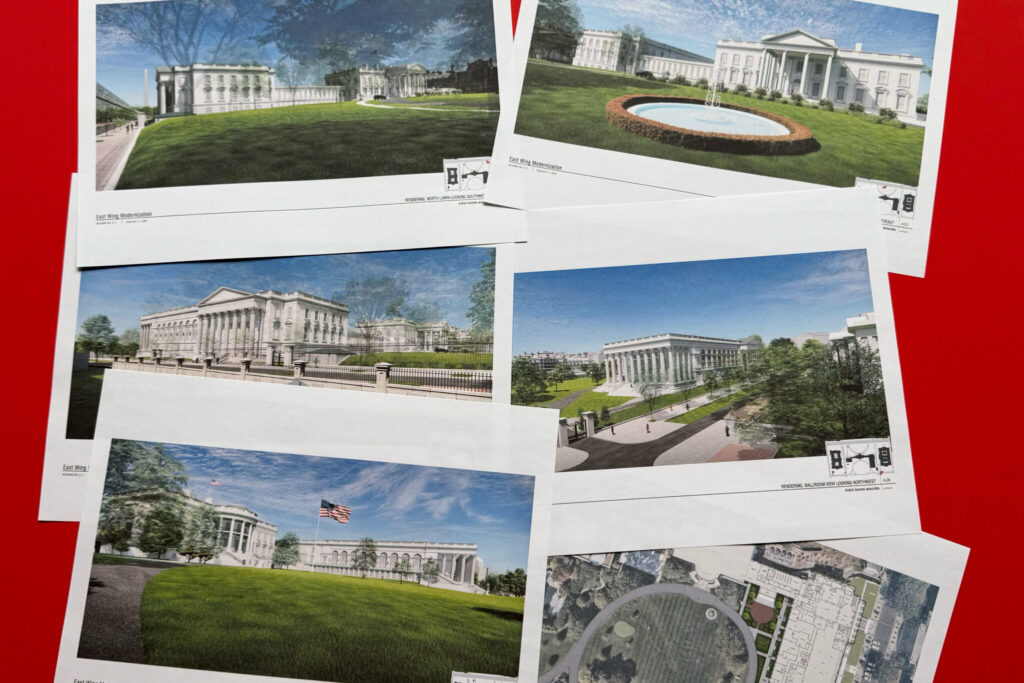
Trump White House Ballroom Quick Looks
- Trump defended the White House ballroom project Tuesday
- Senate parliamentarian blocked related Secret Service funding
- Republicans sought roughly $1 billion in security funding
- The administration estimated $220 million could support ballroom security
- Trump said private donors would finance construction
- Senate reconciliation rules complicated the funding effort
- Trump reportedly urged Senate Republicans to remove the parliamentarian
- Critics questioned potential taxpayer involvement in the project
- Trump described the ballroom as “a gift” to the White House
- The project remains politically controversial in Congress
Deep Look
Trump Defends Ballroom Project Amid Senate Setback
President Donald Trump forcefully defended his proposed White House ballroom Tuesday after Senate officials blocked a major portion of Republican-backed funding connected to the project.
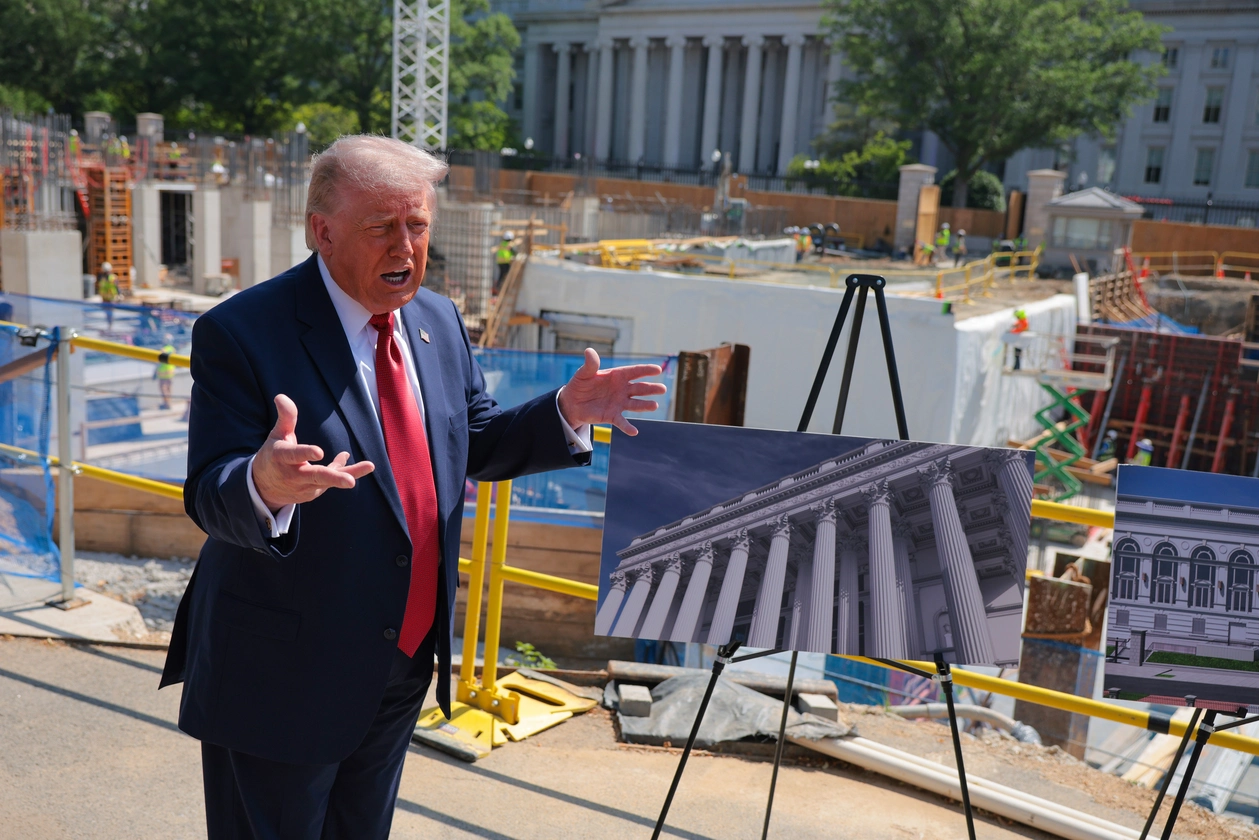
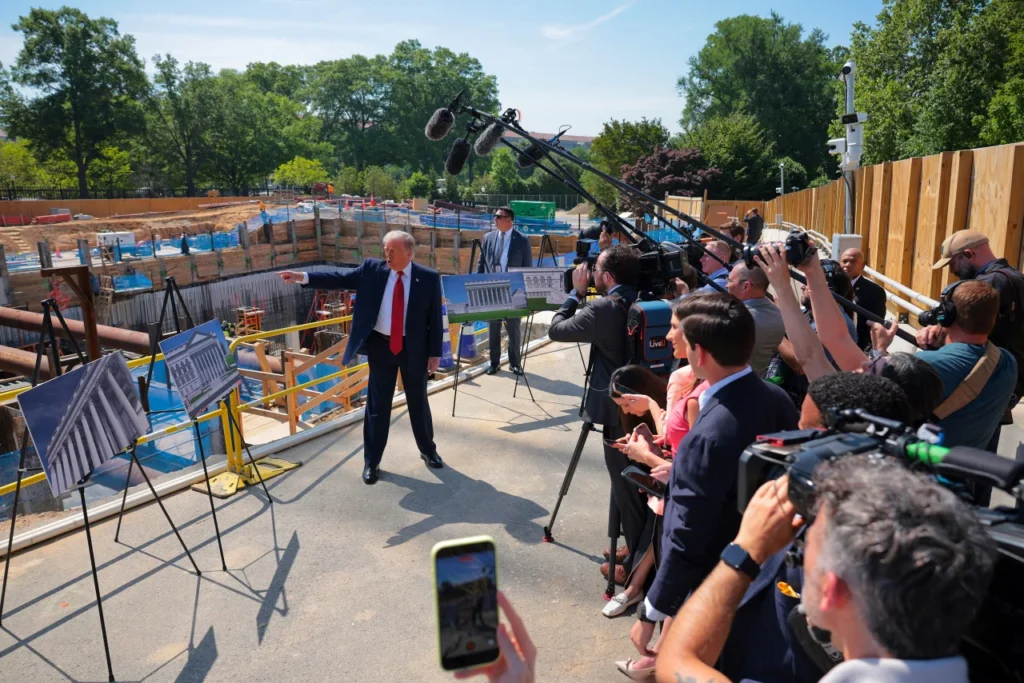
Speaking outside the construction site while standing beside large renderings of the planned ballroom, Trump pushed back against criticism that taxpayers could end up financing the controversial expansion effort.
“This is all my money and donors’ money,” Trump told reporters. “This is tax free.”
The president repeatedly insisted the ballroom itself would not be funded through federal taxpayer dollars.
Instead, Trump argued Congress was only being asked to support additional security needs tied to the project.
Senate Parliamentarian Blocks Funding Provision
The controversy intensified after Senate Parliamentarian Elizabeth MacDonough ruled that a provision included in a broader Republican legislative package violated Senate reconciliation rules.
The funding proposal involved approximately $1 billion designated for Secret Service-related security improvements.
According to administration estimates, roughly $220 million of that amount could have gone toward security measures connected to the ballroom project.
MacDonough determined the provision could not remain in the Senate package because portions of the funding fell outside the jurisdiction of the Judiciary Committee, which had included the language as part of a larger immigration enforcement bill.
The ruling created a major setback for Senate Republicans attempting to move the measure through Congress without Democratic support.
Trump Insists Taxpayers Are Not Funding Construction
Trump sought to separate the ballroom’s actual construction costs from the federal security funding dispute.
“All of this is paid for by myself,” Trump said during his remarks.
“We are making a gift. This is a gift. This is not going to be paid for by the taxpayer,” he added.
The president framed the project as a patriotic contribution to the White House and repeatedly emphasized the role of private donors supporting the expansion.
He also downplayed questions about whether some government security funding could still indirectly support the project.
“Congress is approving money for security. Some of it may go here for additional security. I don’t know,” Trump said.
The ballroom proposal has become one of the administration’s most unusual and politically charged White House projects.
Republicans Face Complications in Senate
The parliamentarian’s decision complicated Republican efforts to pass the funding through the budget reconciliation process, which allows legislation to advance in the Senate with a simple majority vote rather than the normal 60-vote threshold.
Under Senate rules, provisions included in reconciliation bills must directly relate to budgetary matters within the jurisdiction of the relevant committees.
MacDonough’s ruling means Republicans may now need Democratic support or alternative legislative strategies if they want to restore the funding.
The decision also reignited tensions between Trump allies and Senate procedural officials.
Trump Reportedly Pressured GOP Leadership
Reports surfaced Monday that Trump urged Senate Majority Leader John Thune to remove Parliamentarian Elizabeth MacDonough after her ruling blocked the funding provision.
Trump did not directly address those reports Tuesday but suggested criticism surrounding the ballroom project was politically motivated.
“We have a judge that thinks it’s a terrible thing that we’re making a gift,” Trump said.
“He said it was terrible that we are making a gift, it should be paid for by the taxpayer.”
The president portrayed opposition to the project as unfair attacks against what he described as a privately funded improvement to the White House complex.
Ballroom Project Sparks Political Debate
The White House ballroom project has generated debate since Trump first proposed it.
Supporters argue the current White House facilities are inadequate for hosting large state dinners, formal receptions, and international diplomatic events.
Critics, however, question the symbolism, timing, and potential taxpayer involvement associated with the project.
Some ethics experts and Democratic lawmakers have raised concerns about private donor influence tied to construction on federal property.
Others argue the administration’s attempts to secure government-funded security enhancements effectively blur the line between private and public financing.
The administration maintains the ballroom itself remains entirely privately funded.
Security Costs Remain Key Issue
Even as Trump insists construction is privately financed, security remains one of the project’s largest logistical and financial questions.
Expanding the White House complex typically requires significant Secret Service upgrades, perimeter adjustments, surveillance systems, and staffing resources.
Administration officials estimated approximately $220 million of the proposed security funding package could relate directly to the ballroom project.
The Senate parliamentarian’s ruling now leaves uncertainty over how those security costs will ultimately be addressed.
Republicans may attempt to revive portions of the funding in separate legislation later this year.
Trump Continues Framing Project as Legacy Item
Trump has increasingly framed the ballroom as part of his long-term presidential legacy.
During Tuesday’s appearance, he repeatedly referred to the structure as a “gift” to the country and emphasized that private money — not taxpayer dollars — would finance construction.
The project also reflects Trump’s longtime interest in architecture, luxury properties, and large-scale event spaces dating back to his years in the real estate business.
Despite the Senate setback, construction activity at the White House site appeared to continue Tuesday as the administration pushes forward with the highly scrutinized project.