Trump Orders US Military to ‘Shoot and Kill’ Iranian Small Boats Choking Strait of Hormuz/ Newslooks/ WASHINGTON/ J. Mansour/ Morning Edition/ President Donald Trump ordered the U.S. Navy to “shoot and kill” Iranian small boats allegedly placing mines in the Strait of Hormz. The U.S. also seized another tanker accused of smuggling Iranian oil, escalating tensions with Tehran. The growing confrontation has disrupted global shipping, raised oil prices, and deepened fears of a wider regional conflict.
Trump Orders US Military to Shoot and Kill Iranian Boats Quick Looks
- President Donald Trump ordered the U.S. Navy to “shoot and kill” Iranian small boats placing mines in the Strait of Hormuz
- The U.S. military increased mine-clearing operations and tripled sweeping efforts in the strategic waterway
- American forces seized the tanker Majestic X linked to Iranian oil smuggling in the Indian Ocean
- Iran had earlier attacked three cargo ships and captured two vessels in the Strait of Hormuz
- Nearly 20% of global traded oil passes through the Strait of Hormuz during peacetime
- Rising tensions have severely disrupted exports, raised shipping insurance costs, and pushed gas prices higher
- Exiled Iranian Crown Prince Reza Pahlavi criticized the ceasefire and called for stronger pressure on Tehran
Deep Look
Trump Orders Immediate Military Action in Strait of Hormuz
DUBAI, United Arab Emirates — U.S. President Donald Trump dramatically escalated tensions with Iran on Thursday by publicly ordering the U.S. Navy to take lethal action against Iranian small boats suspected of laying mines in the Strait of Hormuz.
In an early morning social media post, Trump directed American forces to act without delay.
“I have ordered the United States Navy to shoot and kill any boat, small boats though they may be…that is putting mines in the waters of the Strait of Hormuz,” Trump posted.
“There is to be no hesitation. Additionally, our mine ‘sweepers’ are clearing the Strait right now. I am hereby ordering that activity to continue, but at a tripled up level!”
The statement signaled a major escalation in the already dangerous standoff between Washington and Tehran, as the strategic shipping lane faces mounting threats.
US Seizes Another Tanker Linked to Iranian Oil Trade
The announcement came shortly after the U.S. military confirmed it had seized another oil tanker allegedly tied to Iranian crude smuggling operations.
The Defense Department released footage showing U.S. personnel boarding the Guinea-flagged tanker Majestic X in the Indian Ocean. Officials said the vessel was being used to help bypass American sanctions imposed on Iran.
“We will continue global maritime enforcement to disrupt illicit networks and interdict vessels providing material support to Iran, wherever they operate,” a Pentagon statement said.
Tracking data showed the Majestic X operating between Sri Lanka and Indonesia, near the same region where U.S. forces had previously seized another tanker, the Tifani.
The ship had reportedly been heading toward Zhoushan, China. It was previously known as Phonix and had already been sanctioned by the U.S. Treasury Department in 2024 for allegedly transporting Iranian crude in violation of sanctions.
Iran did not immediately respond to the latest seizure.
Strait of Hormuz Crisis Deepens
The seizure followed a sharp rise in maritime attacks across the region.
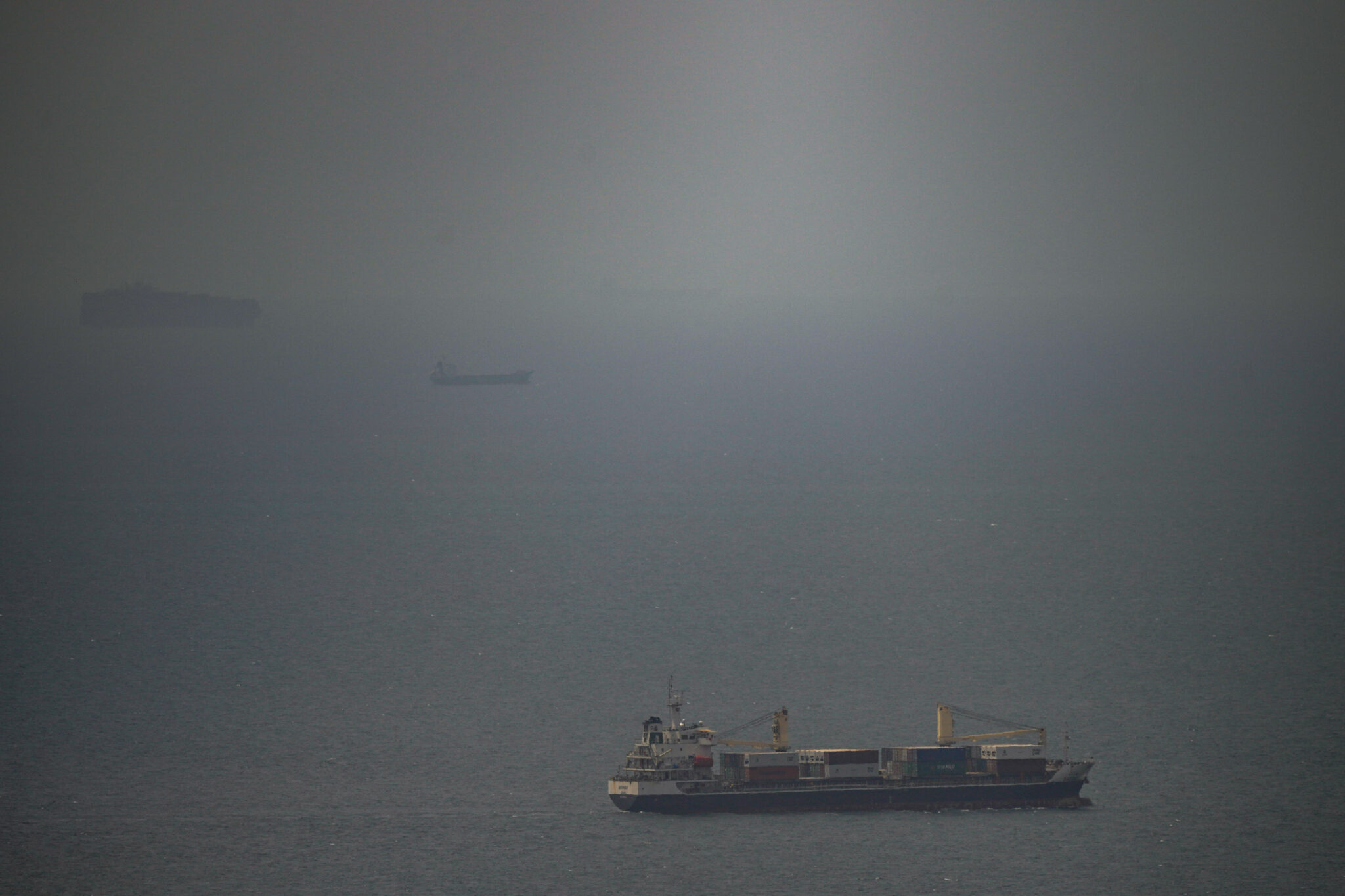
Just one day earlier, Iranian forces reportedly attacked three cargo ships moving through the Strait of Hormuz and captured two of them. The action further intensified pressure on one of the world’s most important shipping routes.
The Strait of Hormuz handles nearly 20% of the world’s traded oil during peacetime, making it one of the most strategically vital waterways on the planet.
With both sides increasing military pressure, exports through the strait have been severely restricted, creating major concerns for global energy markets.
Shipping companies are facing rising insurance costs, while many vessels are avoiding the route entirely due to security fears.
Iran’s control over access to the narrow passage has become one of its strongest strategic advantages in the conflict.
Ceasefire Remains Fragile Despite Diplomatic Efforts
Earlier this week, Trump extended a ceasefire while continuing an American blockade of Iranian ports.
However, the ceasefire remains highly unstable.
There is still no clear indication whether peace talks, previously facilitated by Pakistan, will resume. Diplomats had been attempting to organize further negotiations in Islamabad, but both sides remain deeply divided.
The continuing U.S. seizures of Iranian-linked ships and Iran’s retaliatory attacks on commercial vessels have made diplomatic progress increasingly difficult.
Officials in Pakistan continue trying to bring both governments back to the negotiating table in hopes of reaching a broader diplomatic agreement.
Reza Pahlavi Criticizes Ceasefire
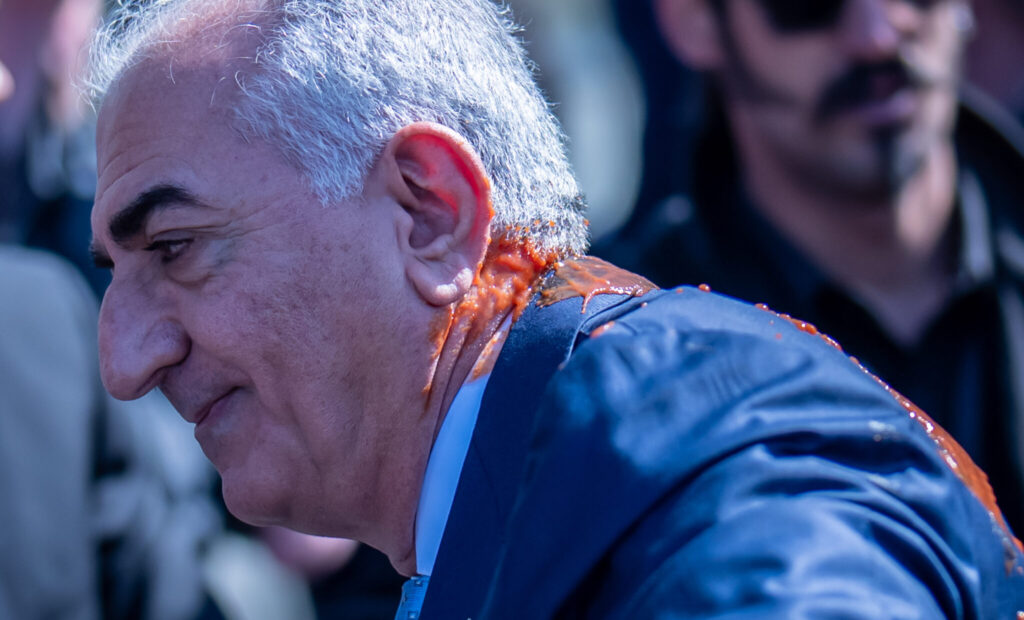
Meanwhile, Iran’s exiled Crown Prince Reza Pahlavi made headlines in Berlin after being splashed with red liquid while leaving a building following a press conference. Police quickly detained the suspected attacker.
During the event, Pahlavi sharply criticized the U.S.-Iran ceasefire, arguing that it wrongly assumes Tehran’s leadership is willing to change.
He said the agreement assumes the Iranian government’s behavior will change and that “you’re going to deal with people who all of a sudden have become pragmatists.”
Pahlavi, now 65, has lived in exile for nearly five decades since the 1979 Iranian Revolution forced his father, the shah, from power.
Although his father’s rule ended amid massive public anger, Pahlavi continues trying to position himself as a figure in Iran’s political future.
Global Economic Impact Continues to Grow
Since the war between Iran, Israel, and the United States began on Feb. 28, more than 30 ships have come under attack across the Persian Gulf, the Strait of Hormuz, and the Gulf of Oman.
The disruption has already triggered major global economic consequences.
Gas prices have surged sharply, and the cost of food, transportation, and many imported goods has increased in multiple countries far beyond the Middle East.
Economists and government officials have warned that the longer the shipping crisis continues, the more severe the long-term effects could become for businesses, consumers, and national economies.
With no immediate diplomatic breakthrough in sight, the Strait of Hormuz remains one of the world’s most dangerous flashpoints.