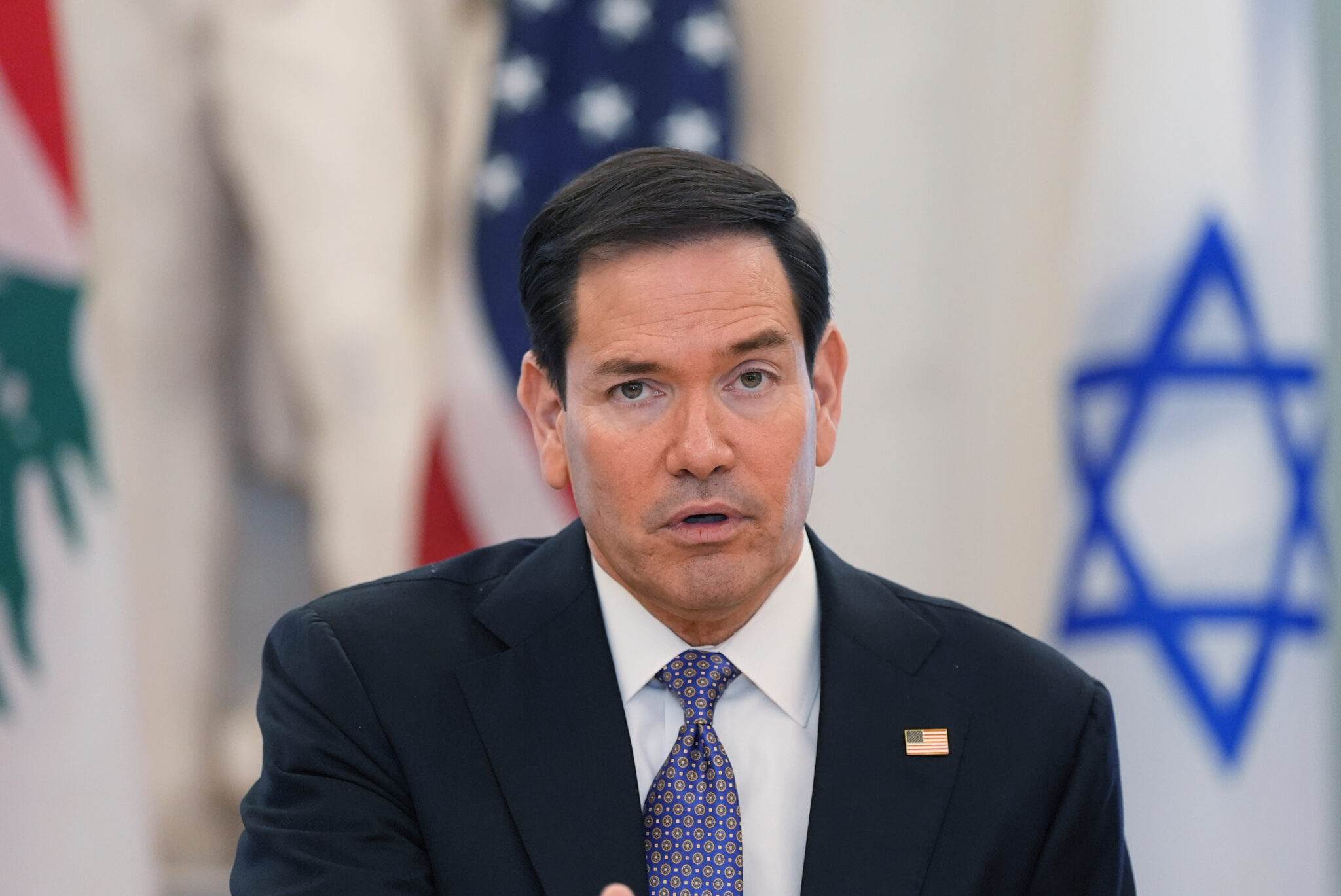
Lebanon and Israel Resume Rare Direct Talks in Washington/ Newslooks/ WASHINGTON/ J. Mansour/ Morning Edition/ Lebanon and Israel are resuming rare direct talks in Washington to discuss extending the current ceasefire between Israel and Hezbollah. The negotiations focus on ending Israeli attacks, troop withdrawals, prisoner releases, and rebuilding southern Lebanon after months of war. Despite Hezbollah’s opposition, both governments are pushing for diplomatic progress amid a fragile truce and ongoing violations.
Lebanon Israel Direct Talks Quick Looks
- Lebanon and Israel are holding a second round of direct talks in Washington
- The goal is to extend the current 10-day ceasefire between Israel and Hezbollah
- Lebanese officials want Israeli troop withdrawal and an end to home demolitions
- Israel is calling for Hezbollah to be disarmed before broader peace efforts
- Hezbollah has rejected the talks and says it will not honor any agreements made
- The latest war displaced over 1 million people in Lebanon
- The talks are the first direct diplomatic contacts between the countries in decades

Deep Look
Lebanon and Israel Return to Rare Face-to-Face Diplomacy
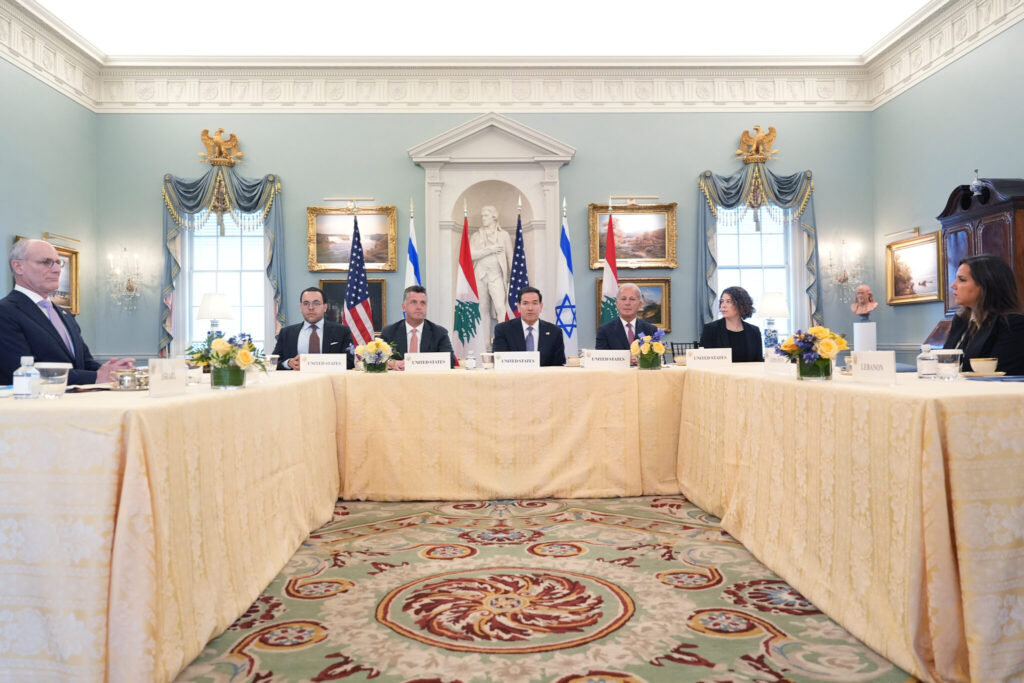
BEIRUT — Lebanon and Israel are preparing for a second round of rare direct talks in Washington as both sides attempt to extend the fragile ceasefire between Israel and the Hezbollah militant group and lay the groundwork for broader negotiations.
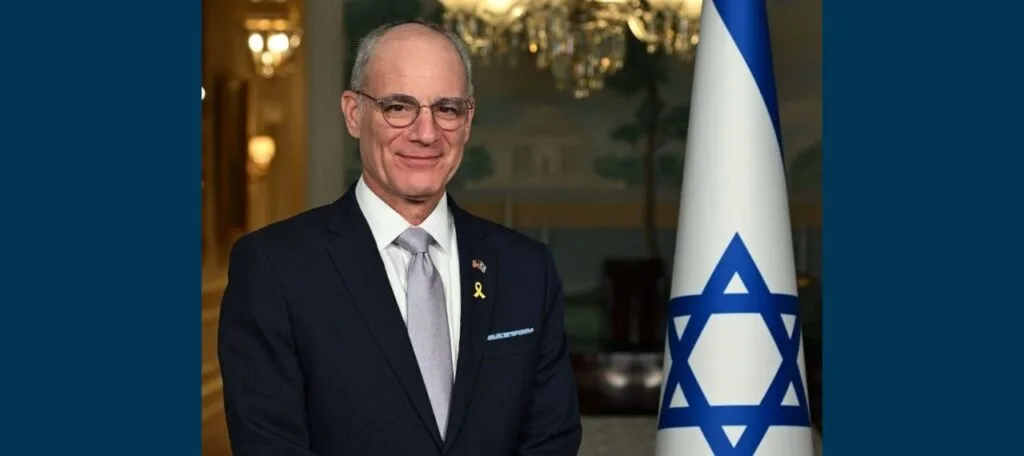
The Thursday meeting will bring together Lebanese Ambassador to the United States Nada Hamadeh Moawad and Israeli Ambassador Yechiel Leiter. It follows their first direct meeting just days earlier — the first formal face-to-face talks between Lebanese and Israeli officials in nearly 30 years.
The diplomatic effort comes during a highly unstable ceasefire that began Friday after weeks of intense fighting across southern Lebanon and northern Israel.
Lebanese President Joseph Aoun said Wednesday that active contacts are continuing to secure an extension of the current 10-day truce.
Lebanon Pushes for Ceasefire Extension and Israeli Withdrawal
During the Washington meeting, Ambassador Hamadeh is expected to formally request an extension of the ceasefire and demand an immediate halt to Israeli home demolitions in Lebanese towns and villages occupied after the latest war began on March 2.
According to statements released by Aoun’s office, Lebanon wants the talks to move beyond temporary calm and create a pathway toward a lasting political and military settlement.
The broader goals include a “fully” complete stop to Israeli attacks, the withdrawal of Israeli troops from Lebanese territory, the release of Lebanese prisoners held in Israel, deployment of Lebanese troops along the border, and the start of reconstruction efforts in southern Lebanon.
These steps are seen by Beirut as essential for preventing a return to full-scale war.
Israel Says Hezbollah Is the Main Obstacle
Israel, however, is placing heavy focus on Hezbollah’s role in the conflict.
Israeli Foreign Minister Gideon Saar urged Lebanon to work with Israel to disarm the Iranian-backed militant group before broader negotiations can move forward.
“We don’t have any serious disagreements with Lebanon. There are a few minor border disputes that can be solved,” Saar said during Independence Day remarks to Israel’s ambassadors and diplomatic corps.
“The obstacle to peace and normalization between the countries is one: Hezbollah,” he said.
Saar also described Lebanon as a “failed state” and said the country could have “a future of sovereignty, independence and freedom from the Iranian occupation.”
His comments reflect Israel’s broader strategy of linking future peace efforts directly to Hezbollah’s military status.
How the Latest War Began
The current conflict began after Hezbollah launched rockets into northern Israel, just two days after Israel and the United States launched attacks on Iran.
Hezbollah said the strikes were carried out in solidarity with Iran.
Israel responded with widespread airstrikes across Lebanon followed by a ground invasion into the country’s south.
Israeli forces captured dozens of border towns and villages and now maintain control of a buffer zone extending up to 10 kilometers, or about 6 miles, inside southern Lebanon.
Israeli officials say the goal is to eliminate threats from Hezbollah’s short-range rockets and anti-tank missiles aimed at northern Israeli communities.
Hezbollah Rejects the Direct Talks
Despite the diplomatic momentum, Hezbollah has openly rejected the negotiations.
Wafiq Safa, a senior member of Hezbollah’s political council, told The Associated Press that the group would not recognize or follow any agreements resulting from the direct talks.
This creates a major challenge for any long-term settlement, as Hezbollah remains one of the most powerful armed and political forces inside Lebanon.
Still, Lebanon’s government is continuing to pursue diplomacy independently, insisting that Beirut will represent its own national interests rather than allowing Iran to dictate the process.
Iran has reportedly made ending the wars in Lebanon and across the region a condition for restarting broader talks with the United States.
Ceasefire Violations Continue on Both Sides
Although the ceasefire officially took effect last week, multiple violations have already been reported from both Israel and Hezbollah.
The fragile truce remains under constant pressure, raising fears that fighting could quickly resume if negotiations fail.
The latest Israel-Hezbollah war has caused severe humanitarian and economic damage across Lebanon.
Around 2,300 people have been killed, including hundreds of women and children, and more than 1 million people have been displaced from their homes.
Large parts of southern Lebanon remain heavily damaged, making reconstruction a major national priority.
Historic Significance of the Talks
The current diplomatic effort is significant because Lebanon and Israel have no formal diplomatic relations and have officially remained at war since Israel’s founding in 1948.
Direct talks between the two countries are extremely rare.
Last week’s meeting marked the first direct discussions since 1993.
For decades, communication between the two governments has largely been indirect, usually handled through U.S. mediation or through the United Nations peacekeeping mission in southern Lebanon known as UNIFIL.
Lebanon’s political leadership, which criticized Hezbollah’s decision to launch rockets toward Israel on March 2, quickly proposed direct talks in hopes of stopping further escalation before Israel launched its ground invasion.
Now, both sides are trying to determine whether diplomacy can succeed where military pressure has failed.
The outcome of these Washington talks could shape not only the future of the Israel-Hezbollah ceasefire, but also the broader stability of the Middle East.