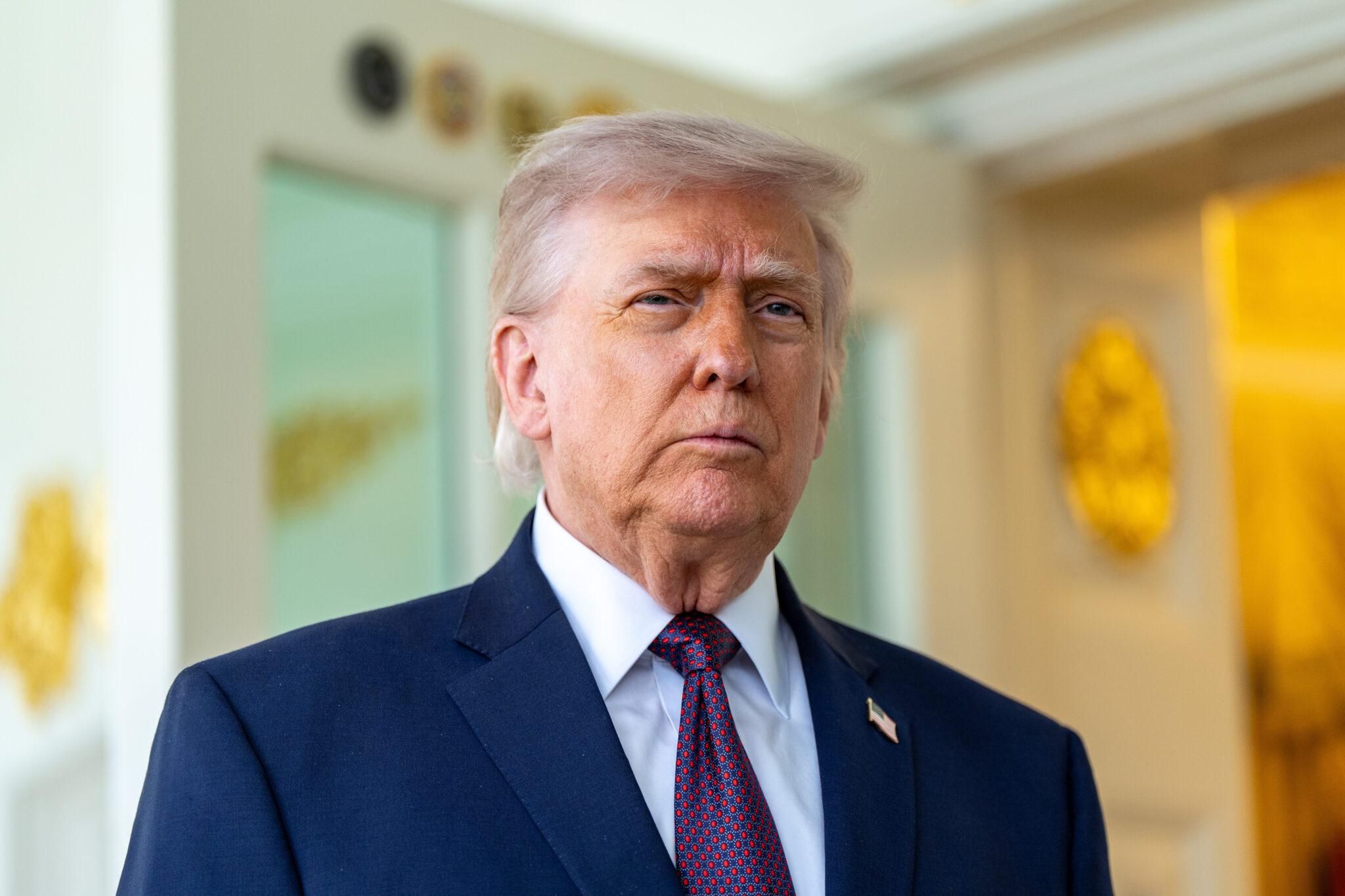
Trump Pushes Surveillance Renewal Amid Congress Privacy Concerns Debate/ Newslooks/ WASHINGTON/ J. Mansour/ Morning Edition/ Congress is racing to renew a controversial foreign surveillance program. Trump supports extending the law, citing national security benefits. Critics demand stronger protections for Americans’ privacy rights.
FISA Surveillance Renewal Debate Quick Looks
- Section 702 allows warrantless collection of foreign communications
- Americans’ data can be incidentally captured in surveillance
- Program set to expire unless Congress acts quickly
- Trump calls for an 18-month extension
- Lawmakers push for warrant requirements and stricter oversight
- FBI misuse concerns fuel bipartisan criticism
- Reform efforts face challenges due to time constraints
Deep Look: Trump Pushes Surveillance Renewal Amid Congress Privacy Concerns Debate
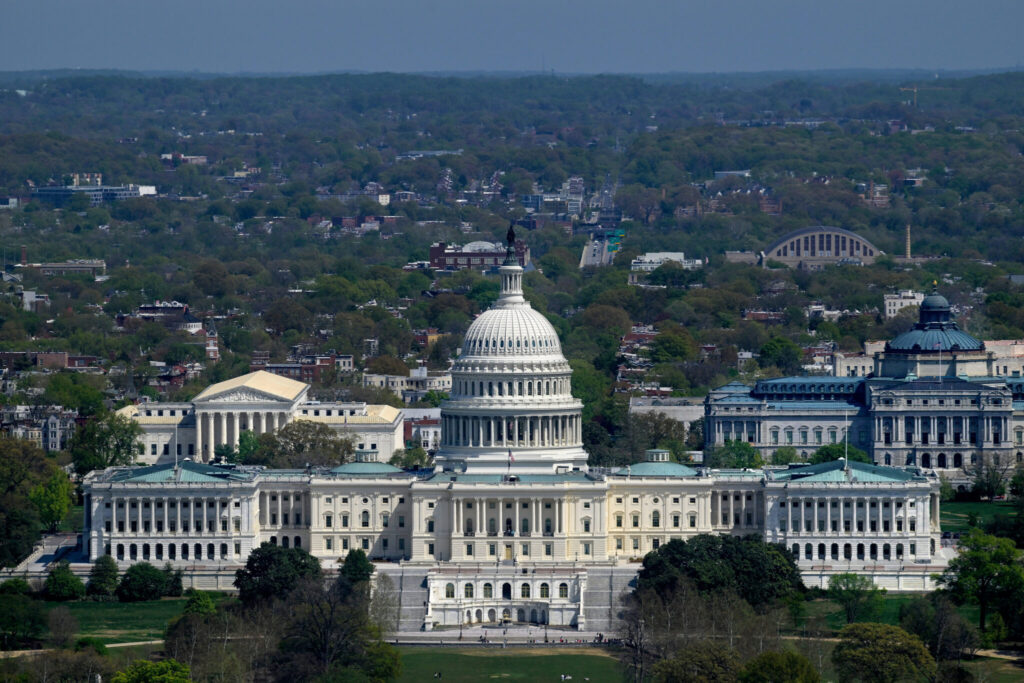
A high-stakes debate is unfolding in Washington as Congress prepares to decide the future of a controversial U.S. surveillance program that has long balanced national security priorities against civil liberties concerns.
At the center of the discussion is Section 702 of the Foreign Intelligence Surveillance Act (FISA), a provision that permits U.S. intelligence agencies to collect and analyze communications of foreign individuals located outside the United States without obtaining a warrant. While the program is designed to monitor overseas threats, it often captures communications involving Americans who interact with foreign targets, raising persistent privacy concerns.
The law is set to expire within days, leaving lawmakers scrambling to determine whether to renew it as-is or implement reforms aimed at increasing oversight and protecting civil rights.
President Donald Trump has thrown his support behind renewing the program, arguing that it plays a crucial role in safeguarding national security. He has credited the surveillance authority with helping U.S. operations abroad, including actions tied to geopolitical tensions in regions such as Venezuela and Iran.
“The fact is, whether you like FISA or not, it is extremely important to our military,” Trump said, emphasizing the program’s value in gathering intelligence that could prevent threats and save lives.
Trump is advocating for an 18-month extension, despite his past criticisms of U.S. intelligence agencies. He has previously argued that elements of FISA were misused to monitor his 2016 presidential campaign. Still, he now maintains that reforms implemented in recent years have improved safeguards while preserving the program’s effectiveness.
Support for the program also comes from intelligence officials who argue that Section 702 is indispensable for tracking terrorist networks, cyber threats, and foreign adversaries. They say the ability to quickly access global communications without the delays of court approval is critical in time-sensitive situations.
However, critics from both political parties remain deeply concerned about the program’s impact on Americans’ privacy. They argue that the incidental collection of domestic communications amounts to a loophole that allows authorities to bypass constitutional protections against unreasonable searches.
Lawmakers pushing for reform want to introduce a requirement that agencies obtain a warrant before accessing communications involving U.S. citizens. They also seek stricter limits on how agencies search and store collected data, as well as greater transparency about how often Americans’ information is accessed.
Sen. Ron Wyden has been among the most vocal critics, warning that ordinary Americans — including journalists, aid workers, and individuals with family abroad — could have their communications swept up without their knowledge. He and others argue that stronger safeguards are necessary to prevent abuse and ensure accountability.
Concerns have been amplified by past findings that the FBI misused surveillance tools in certain instances. A 2024 court order revealed that the bureau violated its own standards while searching for intelligence related to the January 6 Capitol riot and racial justice protests in 2020. Civil liberties advocates say such incidents underscore the need for tighter controls.
“National security and civil liberties are not mutually exclusive,” said Rep. Andy Biggs, reflecting a growing sentiment among lawmakers that reforms can strike a balance between protecting the country and preserving individual rights.
Recent data from the Office of the Director of National Intelligence shows that surveillance activity is expanding. In 2025, the number of foreign targets under surveillance rose significantly, while searches involving Americans declined slightly. Still, experts caution that the figures may not fully capture the extent of data access, as some agencies can retrieve information without publicly reporting those searches.
Elizabeth Goitein of the Brennan Center for Justice has warned that gaps in reporting requirements could allow authorities to access Americans’ communications without sufficient oversight, likening the situation to past abuses of surveillance power.
Despite widespread concerns, the path to reform is complicated by time constraints and political realities. With the expiration deadline looming, lawmakers have limited opportunity to negotiate and pass changes.
Rep. Jim Himes has proposed a compromise that would require the Department of Justice to obtain court approval before the FBI can review search results involving Americans. He argues that renewing the program with added protections is the most practical solution, given its importance to national security.
Still, Trump’s endorsement of a clean extension has reduced the likelihood that enough Republicans will support major reforms. Key figures like Rep. Rick Crawford have backed the president’s call, suggesting that oversight improvements can be addressed without fundamentally altering the program.
The coming days will be critical as Congress weighs whether to prioritize speed or reform. Allowing the program to lapse could disrupt intelligence operations, while renewing it without changes risks prolonging concerns about privacy and government overreach.
As the debate continues, the future of Section 702 will serve as a defining moment in the ongoing struggle to balance security with civil liberties in the digital age.