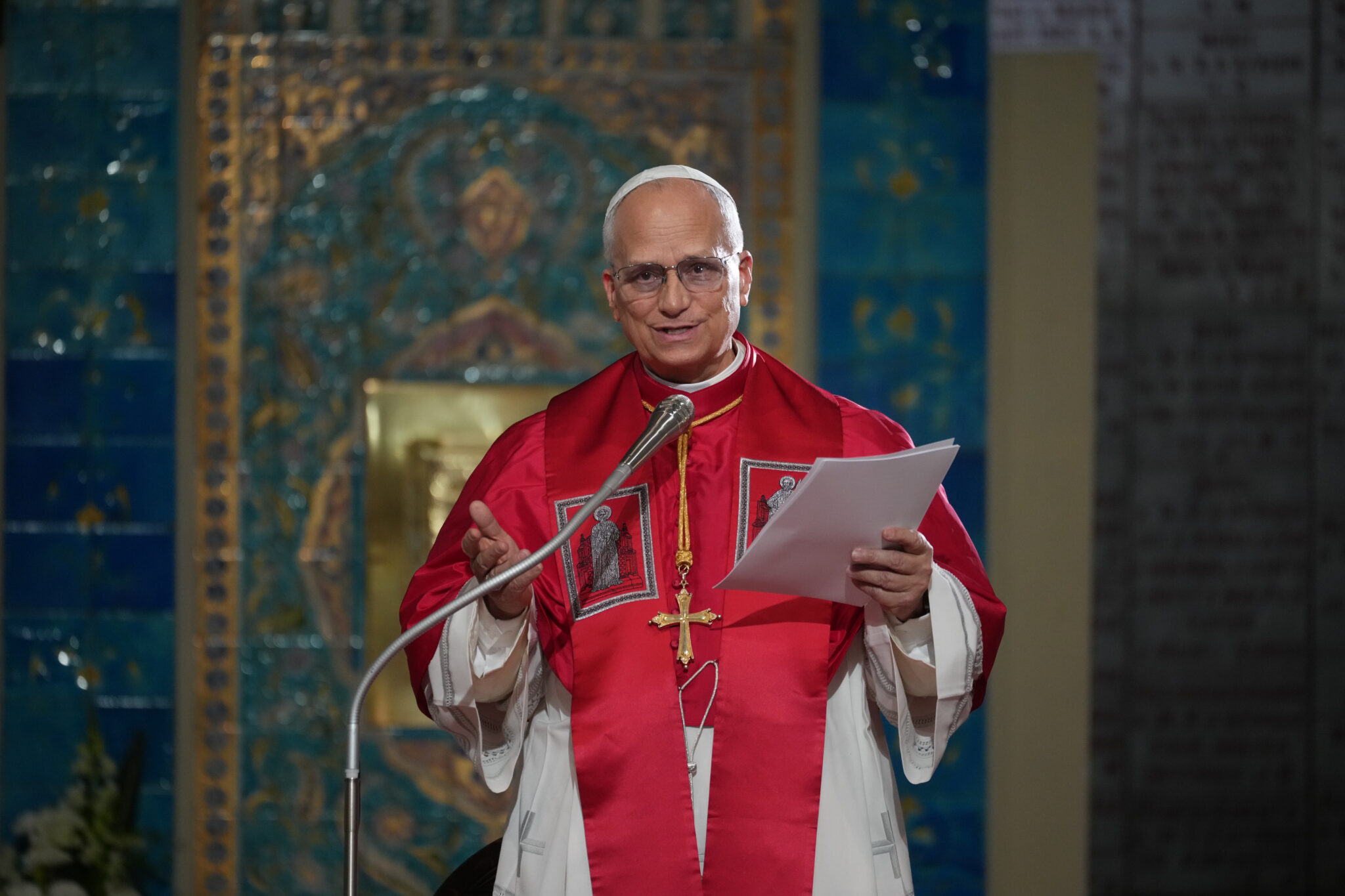
US Catholics Dismayed After Trump Attacks First American Pope/ Newslooks/ WASHINGTON/ J. Mansour/ Morning Edition/ Many U.S. Catholics are expressing concern after President Donald Trump publicly criticized Pope Leo XIV, the first American pope. The dispute has drawn criticism from bishops, evangelical leaders, and religious scholars. The controversy comes as Trump prepares for midterm elections and faces declining approval ratings.
Trump Pope Clash Quick Looks
- Trump criticizes Pope Leo XIV publicly
- First American pope faces presidential criticism
- Catholic bishops call remarks disrespectful
- Evangelicals criticize Trump’s Christ-like image
- Trump refuses to apologize for comments
- Vice President JD Vance defends Trump
- Religious leaders warn of political fallout
- Catholics divided ahead of midterm elections
- Polls show Catholics less supportive of Trump
- Dispute tied to Iran war criticism
Deep Look: US Catholics Dismayed After Trump Attacks First American Pope
A growing number of U.S. Catholics are expressing alarm and disappointment after President Donald Trump launched an unprecedented public attack on Pope Leo XIV, the first American-born pontiff in the history of the Catholic Church.
The clash has reverberated across religious and political communities, with Catholic leaders, conservative evangelicals, and religious scholars weighing in on the dispute. While many Catholics supported Trump during the 2024 election, the confrontation with Pope Leo has introduced new tensions within a key segment of the president’s political base.
The controversy began after Pope Leo criticized attitudes fueling the ongoing war with Iran, urging global leaders to pursue peace and warning against what he described as a “delusion of omnipotence.” Although the pope did not directly name Trump, the remarks were widely interpreted as criticism of U.S. policy.
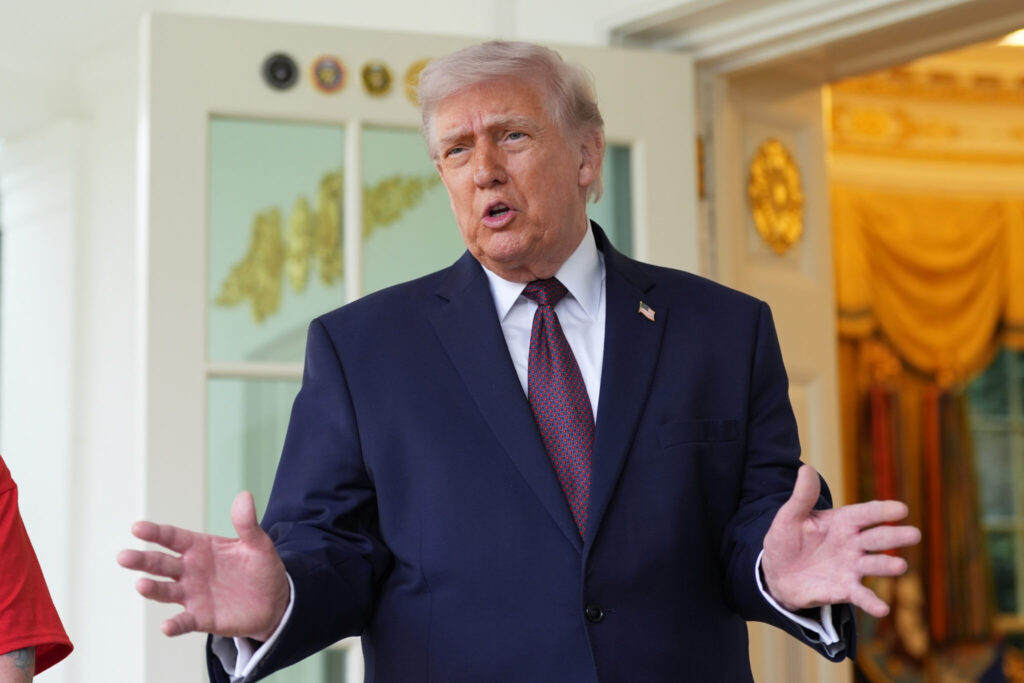
Trump responded forcefully, criticizing the pope and rejecting calls to apologize. He maintained that he had done nothing wrong and insisted that the pontiff’s position was misguided.
“There’s nothing to apologize for. He’s wrong,” Trump said, doubling down on the confrontation.
Catholic Leaders Express Concern
The president’s comments prompted swift reactions from Catholic leadership in the United States. Archbishop Paul Coakley, who heads the U.S. Conference of Catholic Bishops, expressed concern about the tone of Trump’s remarks. Minnesota Bishop Robert Barron also criticized the president’s comments, calling them inappropriate and urging an apology.
The criticism was notable given that Barron had recently praised Trump following an Easter event at the White House, highlighting how unusual the dispute appeared within religious circles.
Religious scholars also emphasized the unprecedented nature of the exchange. Experts in church-state relations said that while U.S. presidents have historically disagreed with popes on policy matters, direct personal criticism of a pope by a sitting president is extremely rare.
David Campbell, a political science professor at the University of Notre Dame, described the dispute as unprecedented in American political history. He noted, however, that it remains unclear whether the conflict will significantly shift Catholic voter support.
Evangelicals Also Voice Discomfort
The controversy expanded beyond Catholic communities after Trump posted an image on social media depicting himself as a Christ-like figure. The image drew immediate backlash from conservative Christian leaders who typically support the president.
David Brody of the Christian Broadcasting Network publicly urged Trump to remove the image, calling it inappropriate and crossing a line. The post was later removed, and Trump said the image was intended to portray him as a doctor helping people rather than a religious figure.
Despite the explanation, criticism continued. Prominent evangelical voices said that even supporters of Trump’s policies found the imagery troubling.
Pastor Willy Rice, a candidate for president of the Southern Baptist Convention, described the image as wrong despite broader support for Trump’s leadership. Conservative commentator Megan Basham also criticized the meme as blasphemous, while still expressing agreement with Trump’s policy criticisms of the pope.
Political Implications Ahead of Midterms
The dispute comes at a politically sensitive time, just months before midterm elections. Trump faces declining approval ratings and divisions within his base over foreign policy decisions, particularly the war involving Iran.
Religious voters have historically played a crucial role in Trump’s political coalition. In the 2024 election, white evangelical Protestants accounted for a significant portion of Trump’s support, with a large majority voting in his favor.
However, polling data suggests Catholics are less supportive. A February AP-NORC survey found that only about four in ten Catholics approved of Trump’s performance, a figure similar to overall national approval ratings.
Some political analysts believe the pope dispute could influence Catholic voters, while others argue partisan loyalty is unlikely to shift dramatically.
Vice President Vance Weighs In
Vice President JD Vance, a Catholic convert, defended Trump and downplayed the controversy. Speaking in a television interview, Vance described the controversial image as a joke and suggested disagreements between political leaders and religious authorities are normal.
Vance also suggested that the Vatican should focus on religious and moral issues rather than political matters, adding another layer to the debate over church-state boundaries.
Broader Historical Context
Historians noted that while global leaders have historically clashed with popes, the dynamic in the United States has traditionally been different. In earlier eras, many Americans viewed the papacy with suspicion, but recent decades have seen stronger alignment between Catholic leaders and American political institutions.
Some scholars argued that the current dispute represents a reversal of historical patterns, with the pope now advocating for peace and humanitarian values while facing criticism from U.S. political leadership.
Meanwhile, Pope Leo has maintained a measured tone. He reiterated calls for peace and emphasized that his message is rooted in religious teachings rather than political opposition.
Observers say the contrast between Trump’s aggressive rhetoric and the pope’s calm response has further intensified attention on the dispute.
Religious Voters Watching Closely
With midterm elections approaching, political strategists are closely monitoring how religious voters respond. While Trump maintains strong support among evangelical voters, the reaction from Catholic leaders and communities could shape the political landscape.
For now, many religious leaders are urging restraint and dialogue, emphasizing unity during a time of global conflict.
Whether the dispute fades quickly or evolves into a larger political issue remains uncertain. But the confrontation between Trump and the first American pope has already created a historic moment in the intersection of religion and American politics.