US Consumer Sentiment Hits Record Low as Gas Prices Surge/ Newslooks/ WASHINGTON/ J. Mansour/ Morning Edition/ US consumer sentiment plunged to a record low in May as Americans struggled with soaring gas prices and persistent affordability pressures. The University of Michigan survey found Americans now feel worse about the economy than during the Great Recession, Covid-19, or the 1970s oil crisis. Economists warn that rising inflation expectations tied to the Iran conflict and fuel costs could further strain the US economy.
Consumer Sentiment Crisis Quick Looks
- US consumer sentiment hit an all-time low in May.
- The University of Michigan index fell to 44.2.
- Americans cited high prices as their top concern.
- Gas prices remain near record highs.
- The Iran conflict continues disrupting oil markets.
- Inflation expectations increased again this month.
- Lower-income Americans reported the sharpest decline.
- Consumers feel worse than during Covid-19 or 2008.
- Economists warn affordability pressures are worsening.
- Strong stock markets are not improving public sentiment.
Deep Look
Americans Growing Increasingly Pessimistic About Economy
Americans are feeling worse about the economy than at any point in modern history, according to a closely watched new survey released Friday.
The University of Michigan’s consumer sentiment index fell to 44.2 in May, setting a new all-time low since the survey began in 1952.
The figure marks the third consecutive monthly decline and falls below the previous record low of 49.8 recorded just one month earlier.
The data suggests many Americans remain deeply frustrated by persistent affordability pressures, rising fuel costs, and fears that inflation will continue worsening.
Gas Prices and Iran Conflict Fuel Economic Anxiety
One of the biggest drivers behind collapsing sentiment is the ongoing global energy crisis tied to the conflict involving Iran.
Oil markets remain heavily disrupted after the Strait of Hormuz — a crucial shipping route for global oil supplies — has effectively remained choked off for nearly three months.
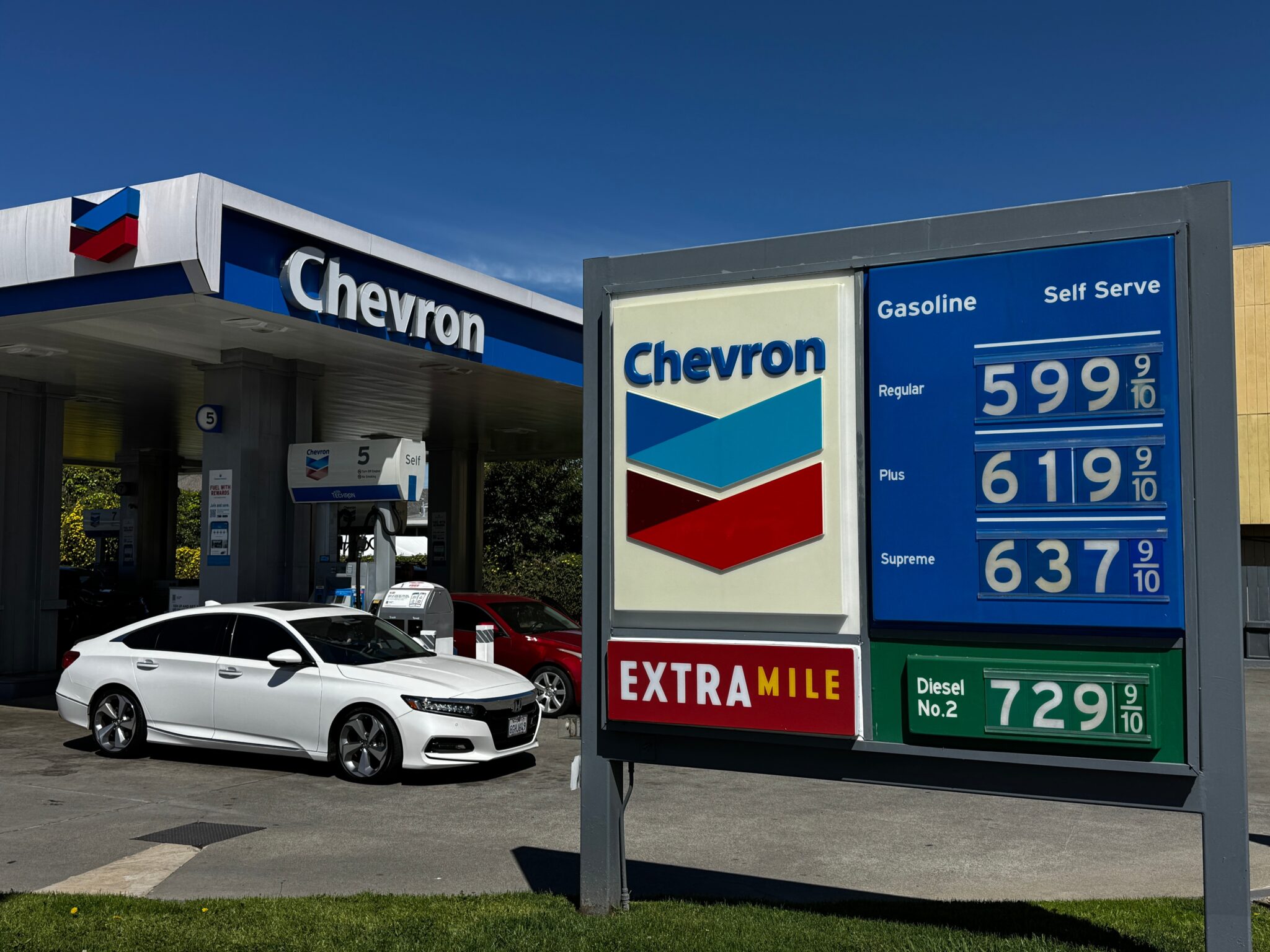
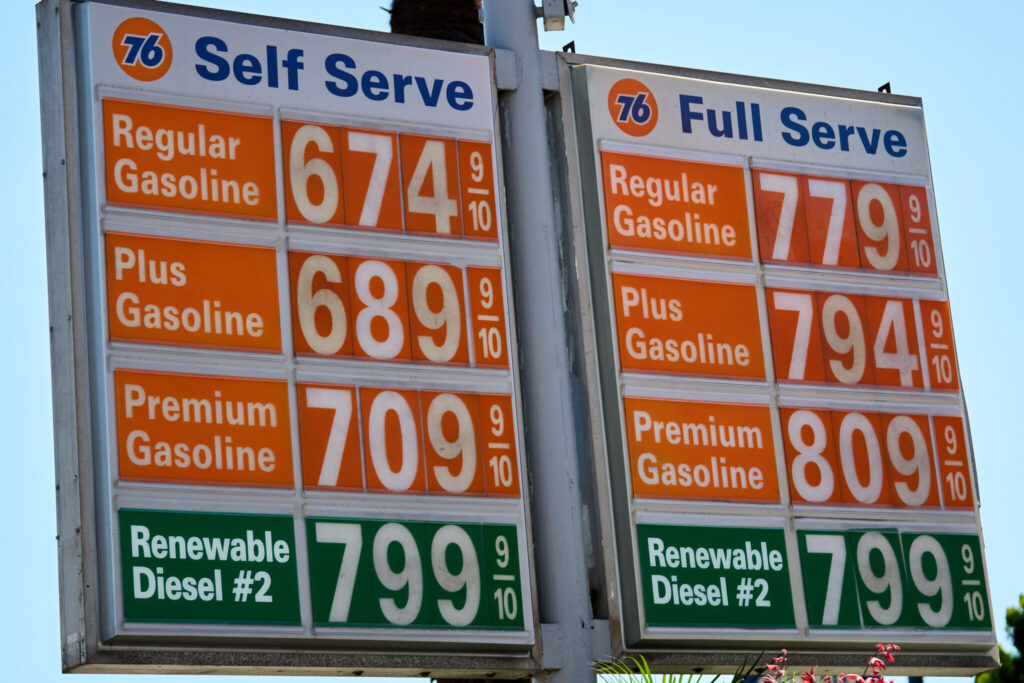
As a result, US gasoline prices are approaching all-time highs heading into the busy summer travel season.
“Three months into the conflict, consumers appear to be worried that supply disruptions are unlikely to be resolved quickly,” said Joanne Hsu, director of the University of Michigan’s Surveys of Consumers.
Consumers increasingly fear elevated oil prices will spread throughout the broader economy by driving up transportation, food, utility, and manufacturing costs.
Americans Cite Cost of Living as Top Concern
The survey showed affordability remains the dominant issue weighing on households.
“The cost of living continues to be a first-order concern,” Hsu said.
According to the report:
- 57% of respondents spontaneously mentioned high prices damaging their finances
- Personal financial conditions dropped 13% in May
- Lower-income households reported especially sharp declines
- Consumers without college degrees were hit hardest
The findings highlight how essential goods like fuel, groceries, and housing continue straining household budgets despite broader economic growth indicators remaining relatively stable.
Worse Than Covid, 9/11 and Great Recession
The historic nature of the survey results stunned many economists.
The University of Michigan sentiment survey dates back more than 70 years, meaning Americans now report feeling worse about the economy than during:
- The Great Recession
- The Covid-19 pandemic
- The post-pandemic inflation surge
- The 1970s oil crisis
- The September 11 attacks
- Previous wars and recessions
The data reflects a disconnect between official economic indicators and how many households actually experience the economy day to day.
Inflation Expectations Continue Rising
The report also showed Americans increasingly expect inflation to remain elevated for years.
Consumers’ year-ahead inflation expectations rose to 4.8% in May from 4.7% in April.
Long-term inflation expectations jumped even more sharply:
- Five-year inflation expectations rose to 3.9%
- Up from 3.5% one month earlier
The increases are particularly concerning for Federal Reserve officials because inflation expectations can become self-reinforcing.
If consumers expect prices to keep rising:
- Workers may demand higher wages
- Businesses may raise prices preemptively
- Spending patterns may accelerate inflation further
Republicans and Independents Show Sharp Shift
The survey found some of the largest increases in inflation fears came from Republicans and political independents.
“For the latter group, long-run inflation expectations are currently more than double their February 2025 reading,” Hsu noted.
The shift may reflect growing frustration among voters who expected inflation to improve after the 2024 election cycle.
President Donald Trump campaigned heavily on promises to reduce prices and restore affordability.
Instead, energy prices linked to the Iran conflict have created new inflationary pressures across the economy.
Strong Stock Market Not Helping Most Americans
The sharp deterioration in sentiment comes despite continued strength in financial markets.
US stock indexes have recently reached record highs, and many economic indicators still point to:
- Strong corporate profits
- Low unemployment
- Stable consumer spending
- Ongoing business investment
However, economists say many Americans feel disconnected from Wall Street gains.
“The stock market record highs are having no effect whatsoever on cheering consumers up,” said Christopher Rupkey, chief economist at FwdBonds.
Rupkey argued many households either lack major stock investments or cannot easily access retirement savings to offset rising living costs.
Affordability Crisis Continues Across Economy
For many Americans, rising costs continue affecting nearly every part of daily life.
Consumers are currently facing:
- Expensive gasoline
- Elevated grocery prices
- High mortgage rates
- Costly rent
- Increased utility bills
- Rising insurance costs
Although inflation overall has slowed from its post-pandemic peak, prices remain significantly higher than they were several years ago.
That cumulative increase continues fueling public frustration.
Federal Reserve Closely Watching Sentiment Data
The latest sentiment report arrives at a sensitive moment for the Federal Reserve.
Fed officials are already debating whether inflation pressures tied to oil prices and global instability could require additional interest rate increases later this year.
Consumer sentiment and inflation expectations are closely monitored because they can heavily influence future economic behavior.
If Americans increasingly believe inflation is becoming permanent, it may complicate the Fed’s efforts to stabilize prices without triggering an economic slowdown.
Economic Frustration Becoming Political Challenge
The growing pessimism also presents a political challenge heading into the 2026 midterm elections.
Despite positive economic headlines in some sectors, many voters continue judging the economy based on everyday affordability rather than stock market performance.
As fuel prices remain elevated and inflation concerns persist, consumer frustration is likely to remain a central issue dominating both economic policy and political debate.