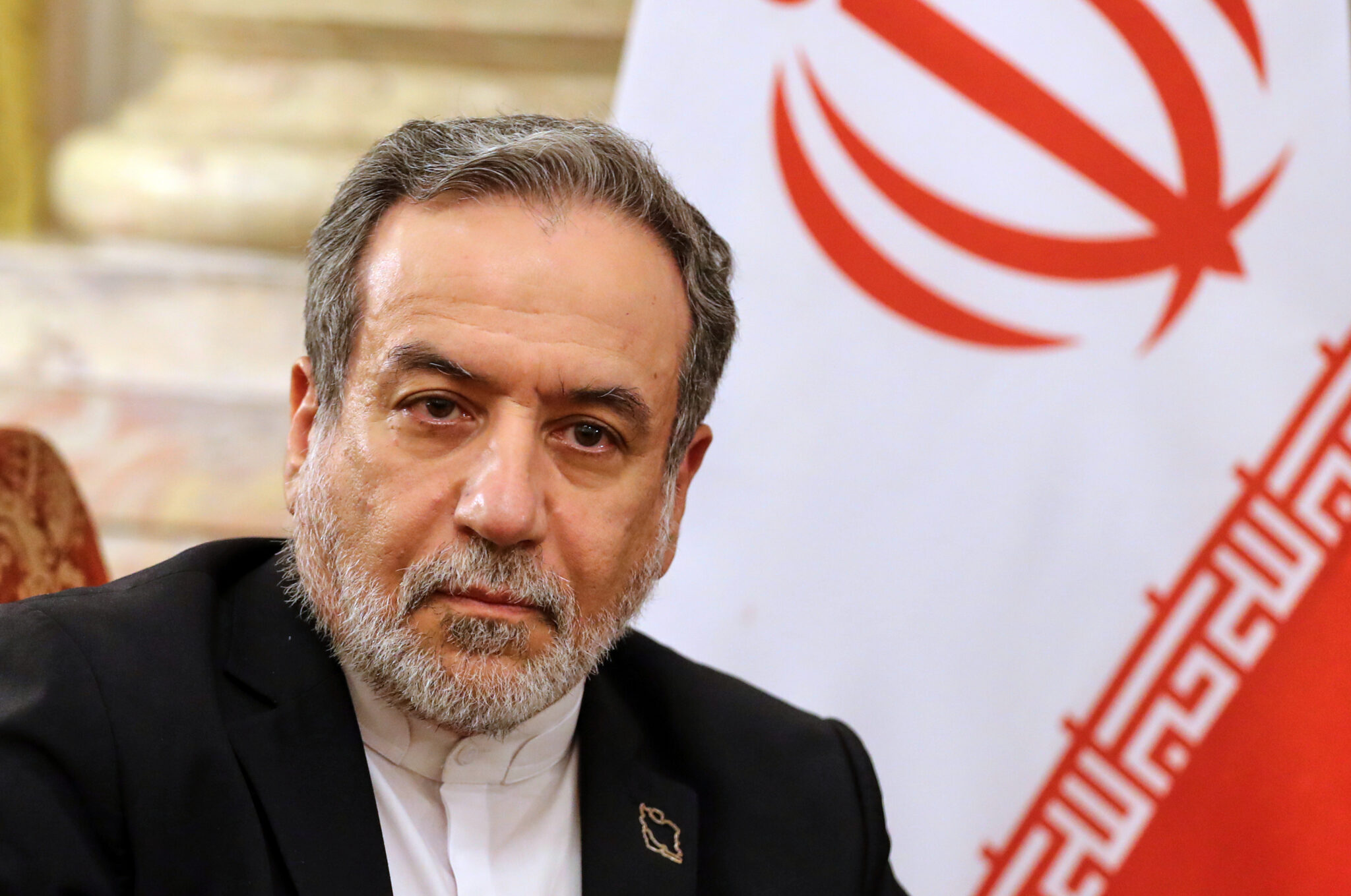
Iran FM Calls Regime Change ‘Mission Impossible’/ Newslooks/ WASHINGTON/ J. Mansour/ Morning Edition/ Iran’s foreign minister rejected claims that Tehran is developing missiles capable of striking the U.S. He also dismissed the possibility of regime change, calling it unrealistic. The remarks came amid escalating military exchanges and regional instability.
Quick Look
- Iran denies building long-range missiles targeting U.S.
- Missile range capped below 2,000 kilometers, FM says.
- Tehran calls regime change efforts unrealistic.
- Internet connectivity in Iran nearly shut down.
- Former U.S. intelligence official predicts prolonged conflict.
- Explosions reported in UAE after retaliatory strikes.
- European leaders urge de-escalation and diplomacy.
- U.N. chief condemns military escalation.
Deep Look: Iran FM Calls Regime Change ‘Mission Impossible’
Iran’s foreign minister disputed President Donald Trump’s claim that Tehran is developing missiles capable of reaching the United States, insisting the country has deliberately limited its missile range for defensive purposes.
In an interview with NBC News, Foreign Minister Abbas Araghchi said Iran has intentionally kept its missile capabilities below 2,000 kilometers (about 1,250 miles).
“We don’t want to do that because we don’t have any hostility against the United States people or Europeans,” Araghchi said. He added that Iran’s missile program exists “in order to defend ourselves against our enemies.”
“Our missiles have proved to be the most reliable means of defense for us,” he said. “We cannot compromise on our missiles, because our security depends on them.”
Trump said during his recent State of the Union address that Iran was working to develop missiles that could “soon” strike U.S. territory.
‘Mission Impossible’
Araghchi also rejected suggestions that Iran’s political system could be overthrown through outside pressure, calling regime change a “mission impossible.”
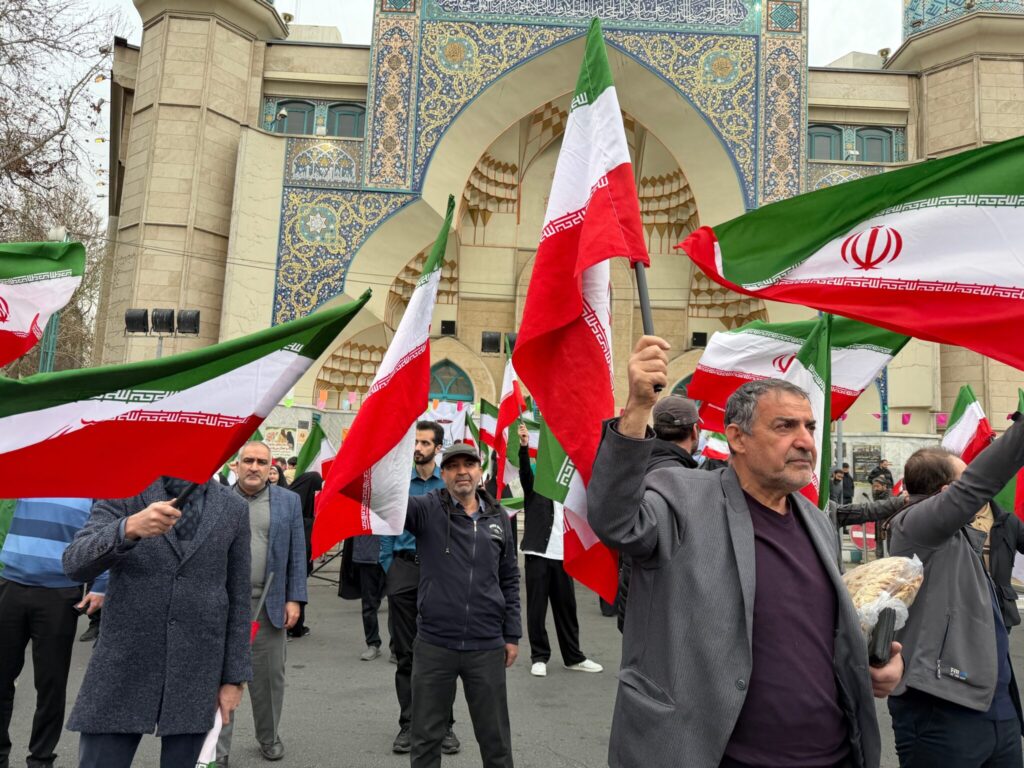
“You cannot do regime change while millions of people are supporting the so-called regime,” he said, referencing large crowds that recently marked the anniversary of the 1979 Islamic Revolution.
He acknowledged that some Iranians have voiced complaints but maintained that many remain supportive of the government and that the country has “a very well-established political structure.”
Addressing earlier protests this year, Araghchi claimed peaceful demonstrations had initially been tolerated. Without presenting evidence, he alleged that armed elements supported by Israel escalated the unrest by attacking security forces, prompting a crackdown.
Human rights groups estimate that thousands were killed during the government’s response to the protests, with many more arrested.
Internet Blackout
Meanwhile, internet access inside Iran has nearly collapsed following the latest strikes. Doug Madory, director of internet analysis at Kentik, told NBC News that the country is “99% down,” with only minimal connectivity remaining.
Iran has previously imposed nationwide internet shutdowns during periods of unrest, including a blackout that began in early January and was never fully restored.
Broader Escalation
Jeremy Bash, former chief of staff at the CIA and the Department of Defense, described the scale of the current operation as unprecedented compared with earlier Trump administration actions.
“This is an extensive, coordinated, probably multiweek campaign,” Bash said, contrasting it with previous “one-and-done” operations.
Residents in the United Arab Emirates reported hearing explosions across parts of Dubai, including Barsha and Motor City neighborhoods. Iranian officials said retaliatory strikes targeted U.S. bases in the region.
International Reaction
Leaders of the United Kingdom, Germany and France issued a joint statement condemning Iranian strikes across the region and calling for renewed negotiations over Tehran’s nuclear program.
“We reiterate our commitment to regional stability and to the protection of civilian life,” the statement said, urging Iran to seek a diplomatic solution.
United Nations Secretary-General António Guterres also condemned the escalating use of force by both sides, warning it undermines international peace and security.
The unfolding confrontation — now spanning missile exchanges, cyber disruptions and diplomatic fallout — has intensified fears of a broader regional war with global consequences.