Trump Triumphal Arch Gains Federal Approval Amid Design Debate/ Newslooks/ WASHINGTON/ J. Mansour/ Morning Edition/ Donald Trump’s Triumphal Arch proposal in Washington advanced after initial federal approval. The design will undergo further revisions before a final vote. Other White House-area projects, including renovations and security upgrades, are also under review.
Trump Triumphal Arch Approval Quick Looks
- Federal panel approves arch concept design
- Monument planned at entrance to Washington, D.C.
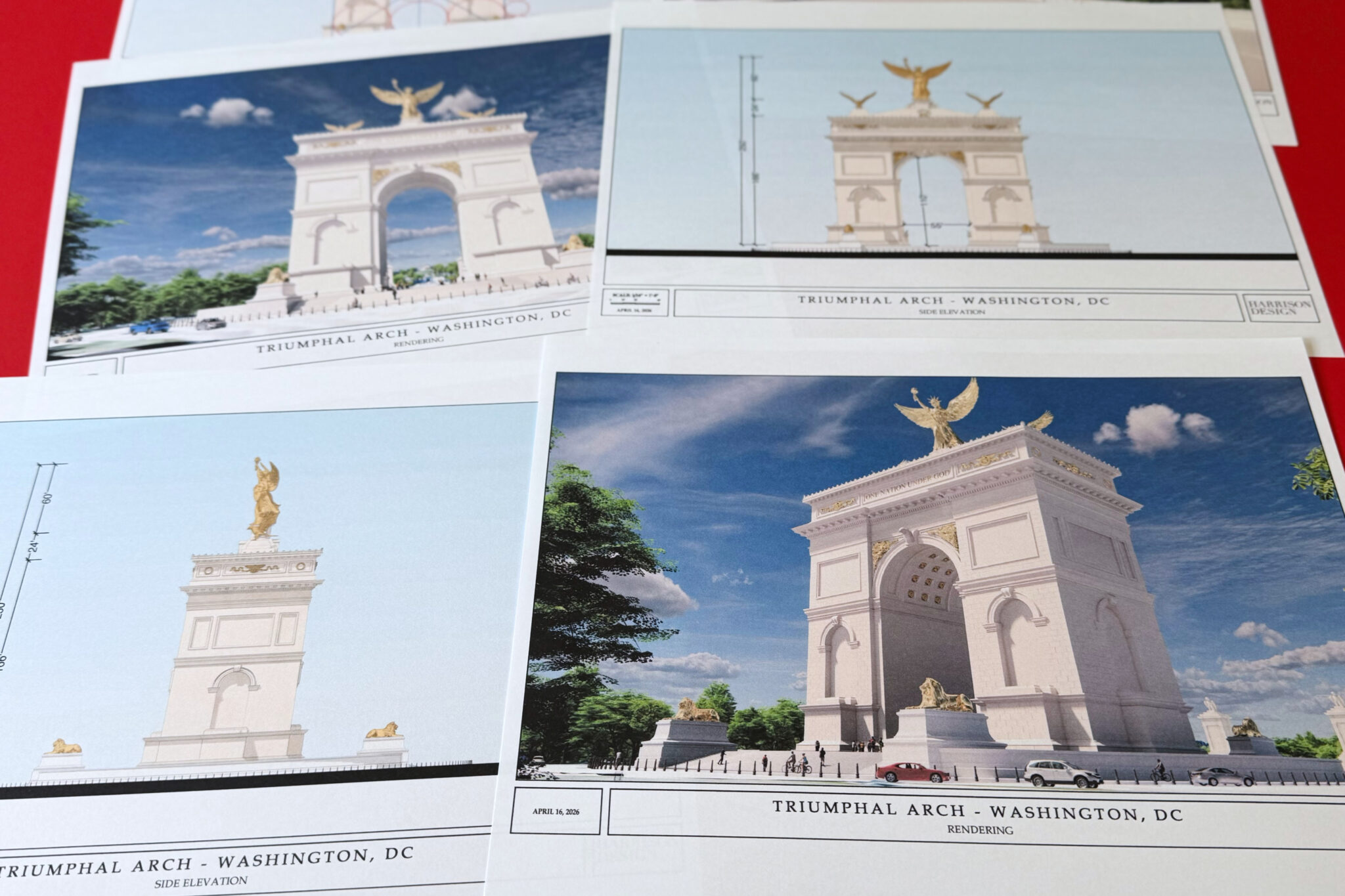
- Design includes statue, eagles, and lion sculptures
- Commissioners suggest removing decorative elements
- Legal challenges already filed against project
- Additional White House projects under review
Deep Look
Federal Approval Moves Arch Plan Forward
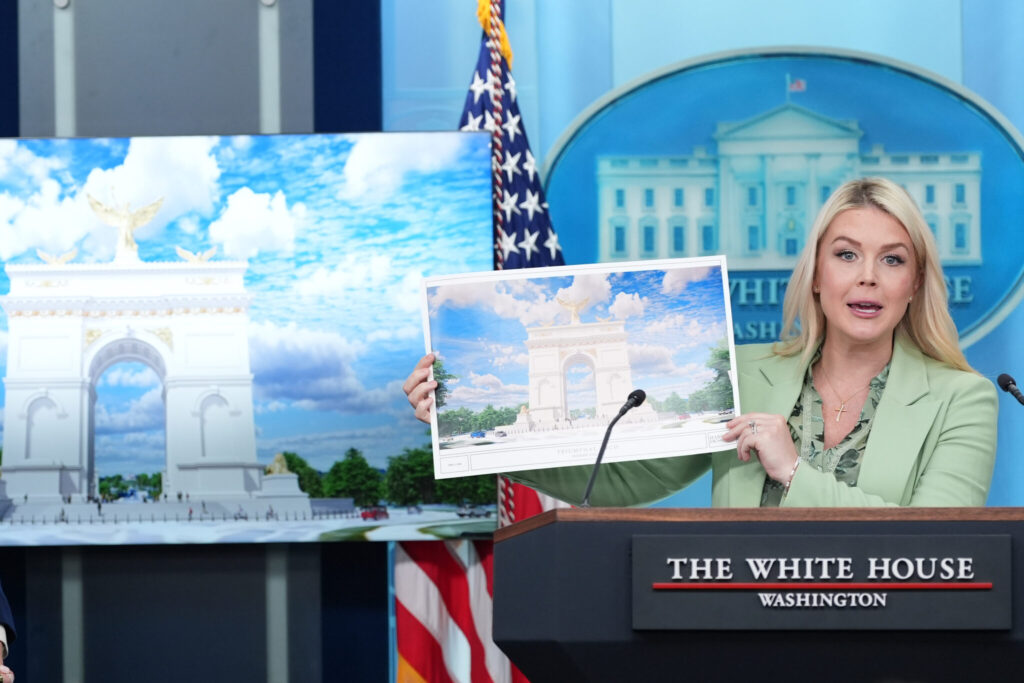
President Donald Trump’s proposal to build a massive Triumphal Arch in Washington, D.C., has taken a significant step forward after receiving initial approval from the U.S. Commission of Fine Arts.
The panel voted to approve the overall concept design, allowing the project to proceed to its next phase. However, the commission will review revised plans before making a final decision, signaling that changes are still expected.
Design Sparks Debate Among Commissioners
While the concept was approved, not all elements of the design were universally supported. One commissioner recommended removing key decorative features, including a statue resembling Lady Liberty and a pair of eagles positioned at the top of the structure.
Additional concerns were raised about the inclusion of lion statues at the base. These critiques highlight ongoing debates over the monument’s visual impact and symbolism as designers refine the proposal.
Monument Scale and Symbolism
The proposed arch would stand approximately 250 feet tall, making it significantly larger than nearby landmarks such as the Lincoln Memorial and roughly half the height of the Washington Monument.
Planned inscriptions include patriotic phrases such as “One Nation Under God” and “Liberty and Justice for All,” reinforcing the monument’s symbolic purpose. The height is intended to commemorate the nation’s 250th anniversary, according to the White House.
The structure would be built on a man-made island near Memorial Bridge along the Potomac River, positioning it as a prominent gateway to the capital.
Legal Challenges Already Underway
Despite its progress, the project faces legal hurdles. A group of veterans and a historian have filed a lawsuit seeking to block construction, arguing that the arch would disrupt historic sightlines between key landmarks, including Arlington National Cemetery.
These challenges could delay or reshape the project, depending on how the courts rule in the coming months.
White House Visitor Center Plans Advance
Alongside the arch proposal, officials are advancing plans for an underground visitor screening center near the White House. The facility would improve security for tourists and guests while streamlining entry procedures.
The project is expected to include multiple screening lanes to reduce wait times, with construction potentially beginning soon and completion targeted before the end of Trump’s term.
Debate Over Historic Building Redesign
Another proposal under review involves repainting the Eisenhower Executive Office Building, a landmark structure adjacent to the White House.
Trump has criticized the building’s gray exterior, suggesting it should be repainted white to better align with surrounding architecture. Officials are considering options ranging from a full repaint to a partial redesign that preserves some original features.
However, the plan has drawn criticism from preservation advocates and is also facing legal challenges, reflecting broader concerns about altering historic landmarks.
Balancing Vision and Oversight
The Triumphal Arch and related projects are part of a broader effort by the Trump administration to reshape the visual and functional landscape of Washington, D.C. Supporters view the initiatives as a bold vision for modernization and national pride.
At the same time, federal oversight bodies, legal challenges, and public debate are playing a critical role in shaping how—and whether—these plans ultimately move forward.