
House Republicans Block Bill To Withdraw Troops From Iran, Stick with Trump/ Newslooks/ WASHINGTON/ J. Mansour/ Morning Edition/ The House narrowly rejected a resolution to force U.S. troop withdrawal from the Iran war. Donald Trump retains strong Republican backing for ongoing military operations. Democrats warn of escalating conflict and vow continued legislative challenges.
House Vote Iran War Quick Looks
- House rejects troop withdrawal resolution by one vote
- Republicans largely support Trump’s military strategy
- Democrats warn of prolonged Middle East conflict
- War Powers Act deadline approaching in April
- Rising costs and casualties fuel opposition
- Debate highlights deep divisions in Congress
Deep Look
House Rejects Effort to Limit Military Action
The U.S. House of Representatives narrowly voted down a resolution that would have required President Donald Trump to withdraw American forces from the ongoing conflict with Iran unless Congress formally authorized the military action.
The measure failed by a razor-thin margin, underscoring the deep divisions within Congress over the war. The vote follows a similar unsuccessful attempt in the Senate, signaling continued legislative gridlock on the issue.
Democrats Warn of Escalating Conflict
Democratic lawmakers voiced strong concerns that the United States is becoming increasingly entangled in another prolonged conflict in the Middle East. They argued that without clear congressional authorization, the administration risks overstepping its authority and drawing the country into a war without a defined end.
Leading Democrats pledged to continue introducing war powers resolutions in the coming weeks, emphasizing the need for oversight and accountability.
Republicans Defend Trump’s Strategy
Republicans, however, largely stood behind Trump’s decision to engage militarily with Iran. They framed the resolution as politically motivated and criticized Democrats for what they described as inconsistent positions on presidential war powers.
Some GOP lawmakers pointed to past military actions under previous administrations, arguing that similar operations did not face the same level of scrutiny. They defended the current approach as necessary to counter threats posed by Iran and maintain regional stability.
War Powers Deadline Approaches
The debate comes as the timeline set by the War Powers Act of 1973 nears a critical deadline. Under the law, Congress must authorize military action within 60 days of its initiation, a deadline expected at the end of April.
Lawmakers from both parties have indicated they want the administration to outline a clearer strategy for the conflict, including objectives and an eventual exit plan.
Costs and Consequences Fuel Debate
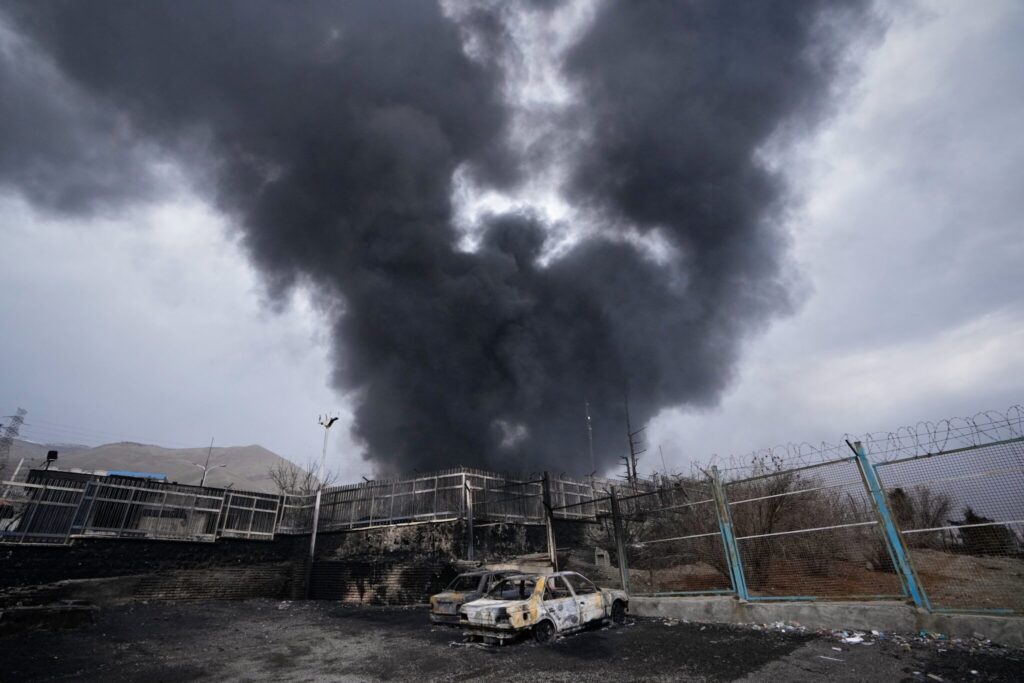
Opponents of the war highlighted its growing human and economic toll. Lawmakers cited rising military expenditures, the deaths of U.S. service members, and the broader economic impact, including higher fuel prices affecting American families.
Critics also pointed to strained relationships with international allies, some of whom have expressed opposition to the U.S. approach.
Supporters Emphasize Security Concerns
Supporters of the military campaign argued that decisive action is necessary to counter Iran’s influence in the region. They maintained that the administration’s strategy sends a clear message that threats against the United States and its allies will be met with force.
This perspective has helped solidify Republican support, even as questions remain about the long-term implications of the conflict.
Ongoing Political Battle Ahead
Although the resolution failed, the vote highlights a continuing political battle over U.S. involvement in the Iran war. Democrats are expected to keep pressing the issue, while Republicans remain aligned with the administration.
As the War Powers deadline approaches, the pressure on Congress and the White House to define the future of the conflict is likely to intensify.