White House: Trump Monitored Iran Strikes From Mar-a-Lago, Spoke With Netanyahu/ Newslooks/ WASHINGTON/ J. Mansour/ Morning Edition/ President Trump monitored U.S. strikes on Iran from Mar-a-Lago and spoke with Israeli Prime Minister Benjamin Netanyahu during the operation. Secretary of State Marco Rubio briefed congressional leaders before the attacks. Iran’s retaliatory missile strikes shook Gulf cities like Dubai, disrupting daily life and prompting emergency measures.
Quick Look
- Trump oversaw operations overnight from Mar-a-Lago
- Phone call held with Netanyahu during strikes
- Rubio briefed seven members of the Gang of Eight
- Iran targeted U.S. military sites across Gulf states
- UAE residents received rare missile threat alerts
- Airspace closures and supermarket stockpiling reported
- Smoke seen over parts of Dubai skyline
- Regional stability concerns intensify
White House Says Trump Monitored Iran Strikes From Mar-a-Lago, Spoke With Netanyahu
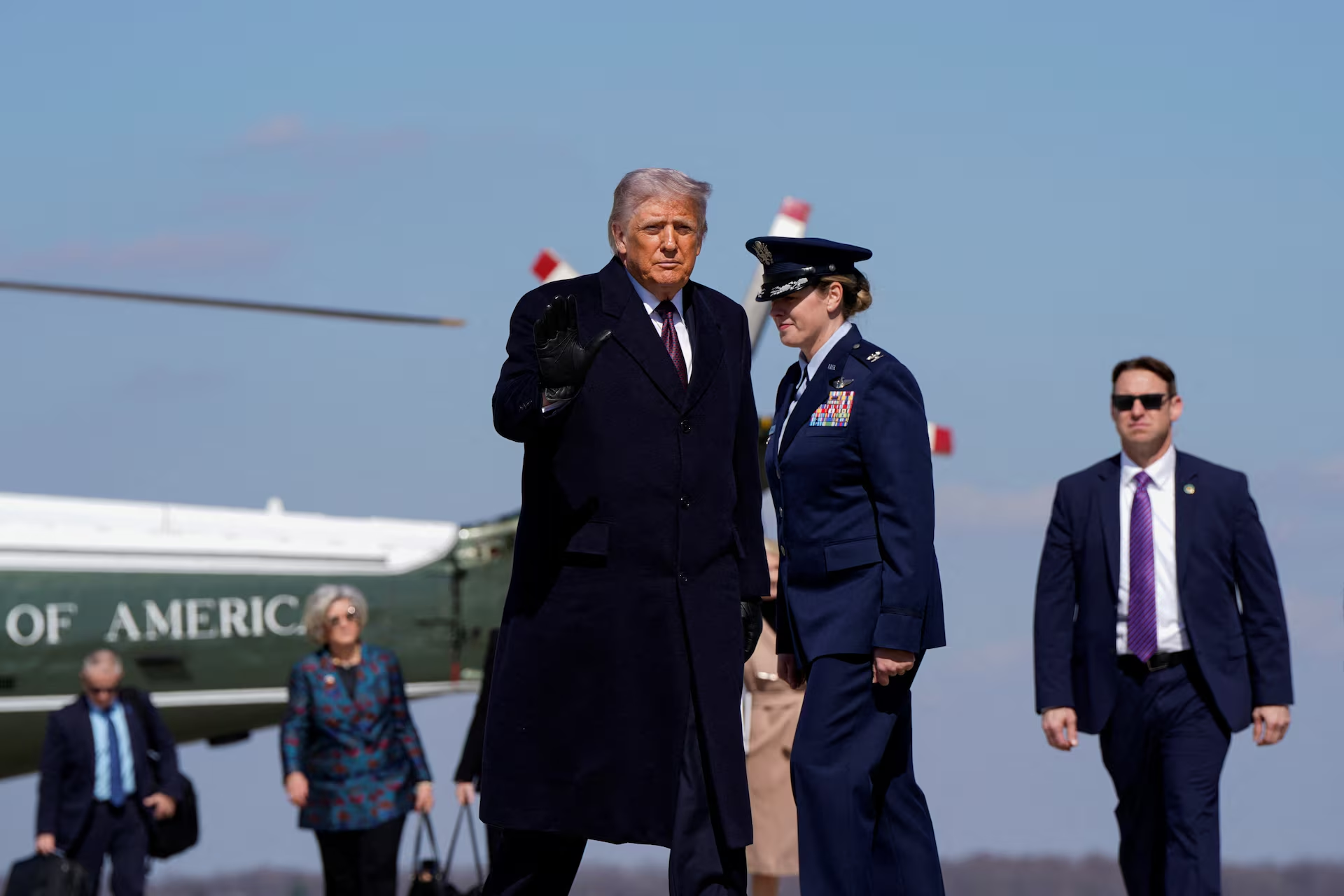
President Donald Trump monitored overnight U.S. military operations against Iran from his Mar-a-Lago residence in Florida, conferring with senior national security officials as strikes unfolded, the White House confirmed Saturday.
Press Secretary Karoline Leavitt said Trump oversaw developments alongside members of his national security team as the United States began what he described as “major combat operations” targeting Iran.
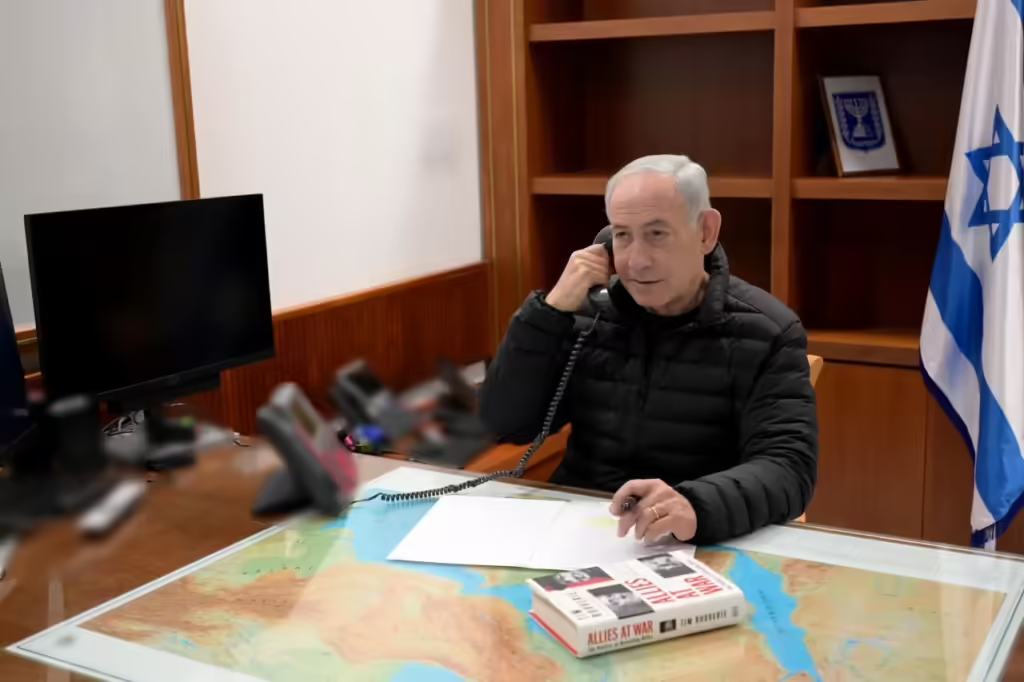
Trump also spoke by phone with Israeli Prime Minister Benjamin Netanyahu while the strikes were underway, Leavitt said, confirming coordination between the two allies as Israel conducted its own attacks.
“President Trump monitored the situation overnight at Mar-a-Lago alongside members of his national security team. The President spoke with Prime Minister Netanyahu by phone,” Leavitt wrote on social media.
According to the White House, Secretary of State Marco Rubio notified congressional leadership ahead of the operation. Rubio contacted members of the bipartisan “Gang of Eight” — top congressional leaders and intelligence committee chairs — and was able to brief seven of the eight members.
Leavitt added that the president and his advisers would continue closely monitoring developments throughout the day.
Iran Strikes Rattle Gulf Cities Long Seen as Safe Havens
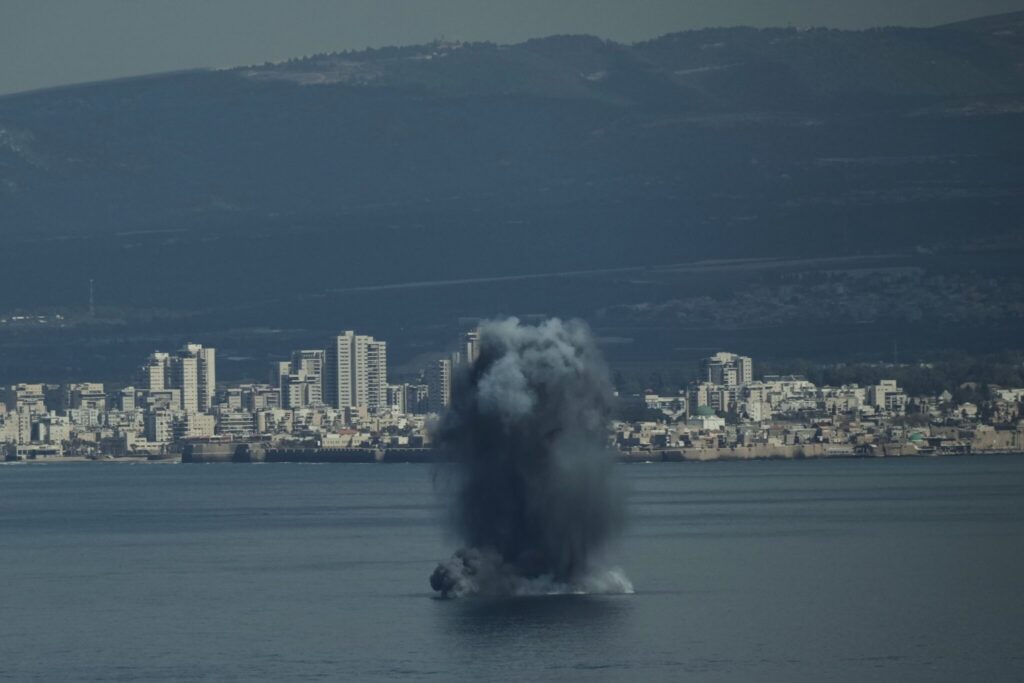
As Iran launched retaliatory missile and drone strikes across the Gulf region, images of smoke rising above Dubai’s skyline spread rapidly online, shaking the long-held perception of Gulf Arab cities as secure oases in a volatile region.
Cities such as Dubai, Abu Dhabi and Doha have built reputations as stable financial and tourism hubs, attracting millions of expatriates drawn by economic opportunity, low crime rates and tax-free income. In many of these cities, foreign nationals make up the majority of the population.
But Iran’s retaliation — targeting U.S. military interests in the United Arab Emirates, Kuwait, Bahrain, Qatar, Saudi Arabia and Jordan — sent shockwaves through the region.
In the UAE, residents received emergency mobile alerts warning of potential missile threats — an unprecedented measure in a country where such notifications are typically limited to severe weather or traffic incidents.
With no public bomb shelters available, some residents sheltered in underground parking garages or stairwells as air defense systems intercepted incoming projectiles. Loud explosions echoed across neighborhoods as missiles were shot down overhead.
By evening, smoke was visible across parts of Dubai. A fire was reported at an international hotel on Palm Jumeirah, the man-made island known for luxury residences and resorts.
The UAE temporarily closed its airspace, and supermarkets saw a surge in shoppers stocking up on essentials. Authorities issued statements reassuring residents that the country maintains robust strategic reserves and urging the public not to panic-buy.
“We urge the public to remain reassured and not to be driven by unfounded concerns, excessive purchasing or stockpiling,” officials said.
Residents described heightened anxiety.
A 34-year-old Abu Dhabi resident said friends were packing emergency bags “in case they have to leave.” Zeina, a 52-year-old Lebanese mother of seven living in Dubai, said the strikes brought back painful memories of conflict in her home country.
“In Lebanon we had shelters, but here we don’t know where to go,” she said.
The strikes mark one of the most direct spillovers of the escalating U.S.-Israel-Iran conflict into Gulf Arab states, raising concerns about regional stability and the safety of millions of expatriates living in the region.