World Leaders React to US-Israeli Strikes, Death of Iran’s Supreme Leader Khamenei/ Newslooks/ WASHINGTON/ J. Mansour/ Morning Edition/ World leaders expressed fear, anger, and diplomatic caution after U.S. and Israeli strikes killed Iran’s Supreme Leader Ayatollah Ali Khamenei. Western allies urged renewed negotiations, while Russia, China, and Spain condemned the military action. Oil markets, regional security, and global diplomacy face uncertainty as the Middle East conflict widens.
World Leaders React to Iran Strikes Quick Looks
- U.S.-Israeli strikes kill Ayatollah Ali Khamenei
- President Donald Trump calls for Iranian uprising
- Iran retaliates with regional missile attacks
- UK, France, Germany urge diplomatic talks
- Russia, China condemn U.S. and Israeli actions
- Gulf states denounce Iranian missile strikes
- Canada and Australia voice support for U.S.
- Arab League condemns Iranian sovereignty violations
- Oil supply concerns ripple through Asia
Deep Look: World Leaders React to US and Israeli Strikes, Death of Iran’s Supreme Leader Khamenei
TOKYO — Governments across the globe reacted Monday with a mix of alarm, condemnation, cautious diplomacy, and strategic restraint after U.S. and Israeli forces launched major strikes on Iran that killed Supreme Leader Ayatollah Ali Khamenei.
As the conflict escalated rapidly across the Middle East, world capitals weighed in on what could become one of the most consequential geopolitical turning points in decades. The killing of Khamenei — Iran’s top authority since 1989 — has reshaped regional dynamics overnight and raised fears of a broader, prolonged war.
President Donald Trump described the operation as “the single greatest chance for the Iranian people to take back their Country,” urging citizens of Iran to rise against the Islamic theocracy that has governed since 1979.
Iran responded with missile and drone attacks targeting Israel, U.S. military bases, and facilities across the Gulf region.
European Powers Push for Diplomacy
Several European leaders stopped short of endorsing the strikes but called urgently for renewed diplomatic engagement.
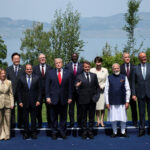
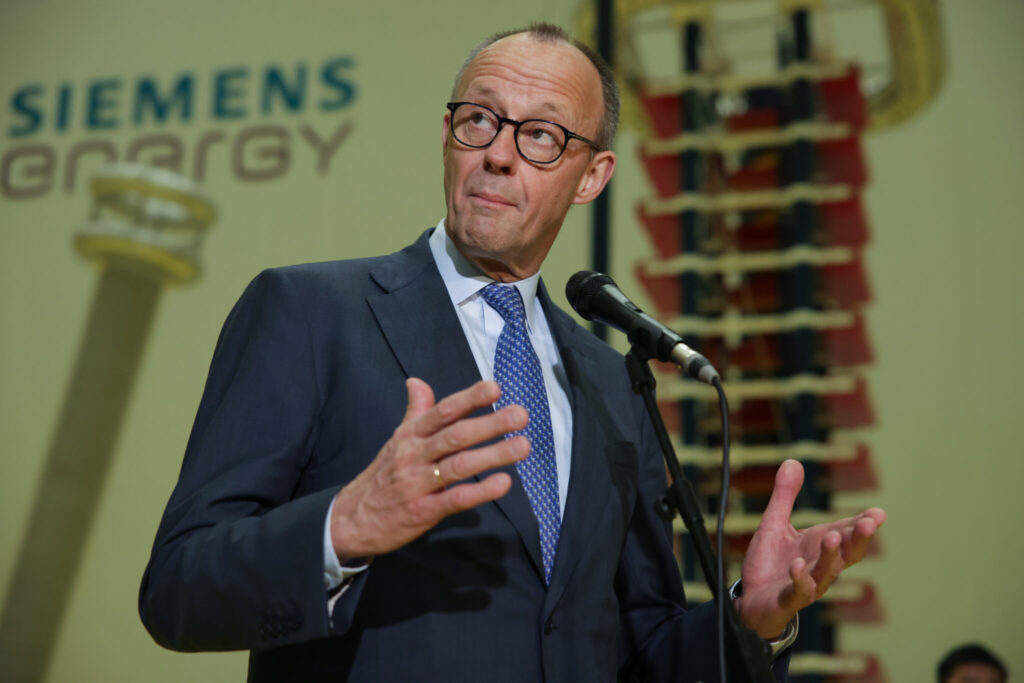
British Prime Minister Keir Starmer, French President Emmanuel Macron, and German Chancellor Friedrich Merz issued a joint appeal for Washington and Tehran to return to negotiations. The three nations have long been central to diplomatic efforts aimed at containing Iran’s nuclear program.
European Union officials echoed calls for restraint, emphasizing the need to protect nuclear facilities and prevent civilian harm.
Norway’s foreign minister warned that the collapse of U.S.-Iran talks could ignite a “new, extensive war in the Middle East,” reflecting anxiety across Europe about potential economic and security fallout.
Gulf States Condemn Iranian Retaliation
In the Gulf, reactions focused primarily on Iran’s retaliatory strikes, which hit U.S. bases and civilian infrastructure in several Arab nations.
Foreign ministers from Qatar, Saudi Arabia, the United Arab Emirates, Kuwait, Oman, and Bahrain convened an emergency virtual meeting following Iranian missile launches that struck airports, hotels, and residential areas.
Saudi Arabia condemned what it called “treacherous Iranian aggression” and violations of sovereignty. The 22-member Arab League similarly described Iran’s actions as a “blatant violation” of the sovereignty of states seeking stability.
Oman, which has historically mediated nuclear negotiations between the United States and Iran, criticized the U.S. strikes as violations of international law. Yet Oman’s foreign minister emphasized that “the door to diplomacy remains open,” signaling hopes for de-escalation.
Russia and China Deliver Strong Rebukes
Russia issued one of the strongest condemnations of the U.S.-Israeli action. The Russian Foreign Ministry labeled the strikes “a pre-planned and unprovoked act of armed aggression” against a sovereign United Nations member state.
Kremlin officials accused Washington and Israel of using nuclear concerns as a pretext for regime change.
China also expressed “high concern,” urging an immediate cessation of military activity and a return to diplomatic talks. Beijing warned that escalating violence could destabilize global markets and undermine regional peace.
Spain’s prime minister similarly criticized the strikes and called for immediate de-escalation.
Allies Support Washington
Despite broader diplomatic caution, some U.S. allies voiced clear support for the military action.
Canadian Prime Minister Mark Carney stated that Iran has been a principal source of instability and terrorism in the Middle East, backing Washington’s position.
Australia’s Senate passed a motion welcoming the death of Khamenei, though lawmakers declined to formally congratulate the United States and Israel.
Japan, heavily dependent on Middle Eastern oil imports, sought to calm economic concerns. Prime Minister Sanae Takaichi said Japan maintains strategic petroleum reserves sufficient to last several months if energy flows are disrupted.
Regional Realignment and Political Calculations
In Syria, whose previous government maintained close ties with Tehran, the new leadership condemned Iran rather than Israel — a notable diplomatic shift reflecting Damascus’ effort to rebuild ties with Western and Gulf powers.
The Palestinian Authority criticized Iran’s missile strikes on Arab states but avoided mentioning the U.S.-Israeli bombardment, reflecting the delicate financial and political balancing act it faces.
India’s Prime Minister Narendra Modi expressed concern over escalating tensions and called for dialogue, highlighting fears that the conflict could ripple across global trade networks and energy supplies.
Germany indicated it would not actively join military operations against Iran but would defend its troops stationed at multinational bases in Jordan and Iraq if necessary.
Fears of a Wider War
Across continents, leaders voiced concern that the killing of Khamenei — combined with expanding military operations — could trigger an unpredictable power struggle within Iran and embolden regional militias aligned with Tehran.
The Nobel Peace Prize-winning International Campaign to Abolish Nuclear Weapons condemned the strikes, warning that attacks on nuclear-related facilities heighten the risk of catastrophe.
Energy markets remain volatile as investors weigh the risk of disruptions in the Strait of Hormuz, a vital chokepoint for global oil shipments.
As governments calibrate their responses, a common theme has emerged: fear of uncontrolled escalation.
While some nations openly side with Washington, others tread carefully, wary of damaging relations with the United States or provoking Iran.
With missiles still flying and diplomatic channels strained, the international community faces mounting pressure to prevent the conflict from spiraling into a full-scale regional war.