Trump Says the ‘Big Wave’ is Yet to Come in War with Iran/ Newslooks/ WASHINGTON/ J. Mansour/ Morning Edition/ President Donald Trump told CNN that the U.S. military campaign against Iran is intensifying, warning the “big wave” of strikes is still ahead. He said the conflict could last around four weeks and expressed surprise at Iran’s retaliation against Arab nations. Trump defended the operation as necessary after failed nuclear negotiations and decades of Iranian hostility.
Trump Warns ‘Big Wave’ Coming in Iran War Quick Looks
- Trump says U.S. “knocking the crap” out of Iran
- Warns major escalation still to come
- Predicts conflict may last about four weeks
- Surprised by Iran attacks on Gulf states
- Claims 49 Iranian leaders killed in strikes
- Says nuclear talks failed over enrichment demands
- Defends prior strike on Qasem Soleimani
- Dismisses need for new agreements
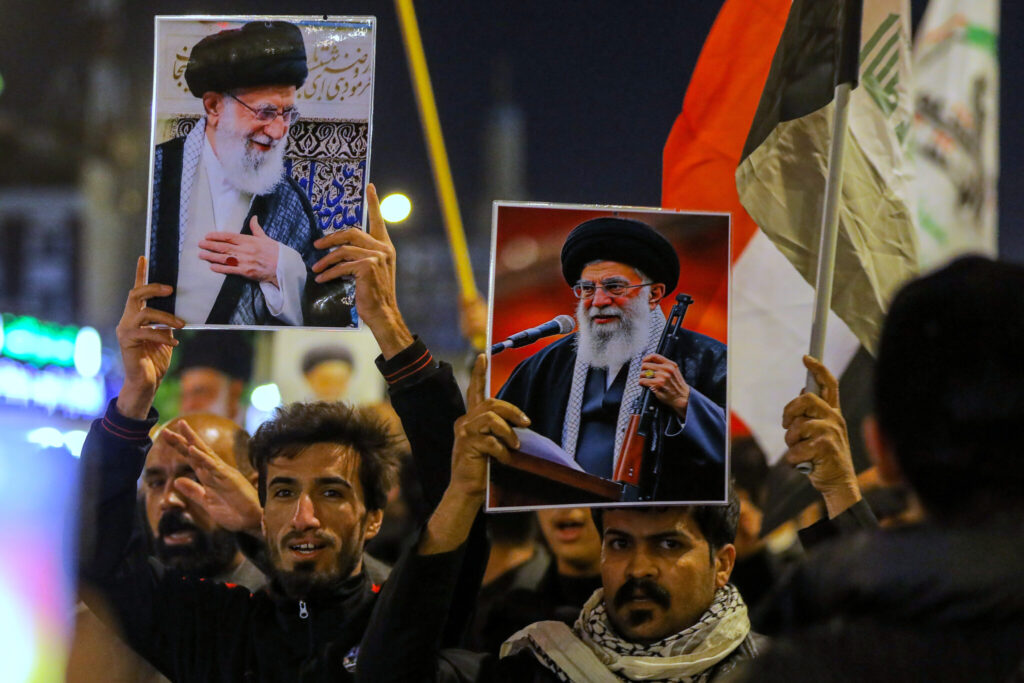
Deep Look: Trump Tells CNN the ‘Big Wave’ Is Yet to Come in War With Iran
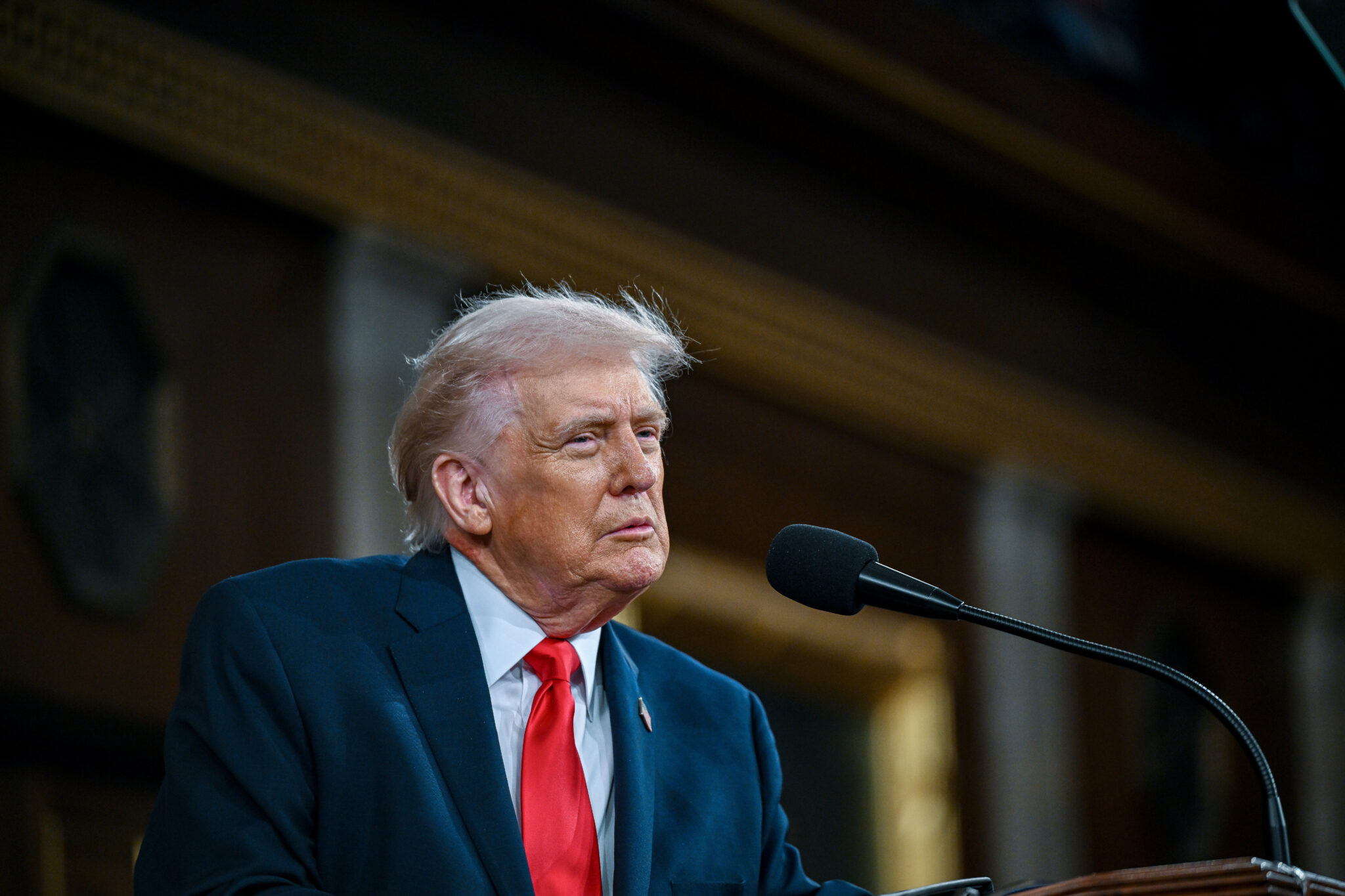
WASHINGTON — President Donald Trump signaled further escalation in the U.S. military campaign against Iran, telling CNN in a phone interview Monday that while American forces are already delivering powerful blows, the “big wave” of action has yet to begin.
“We’re knocking the crap out of them,” Trump said during the nine-minute conversation. “It’s going very well. It’s very powerful. We’ve got the greatest military in the world and we’re using it.”
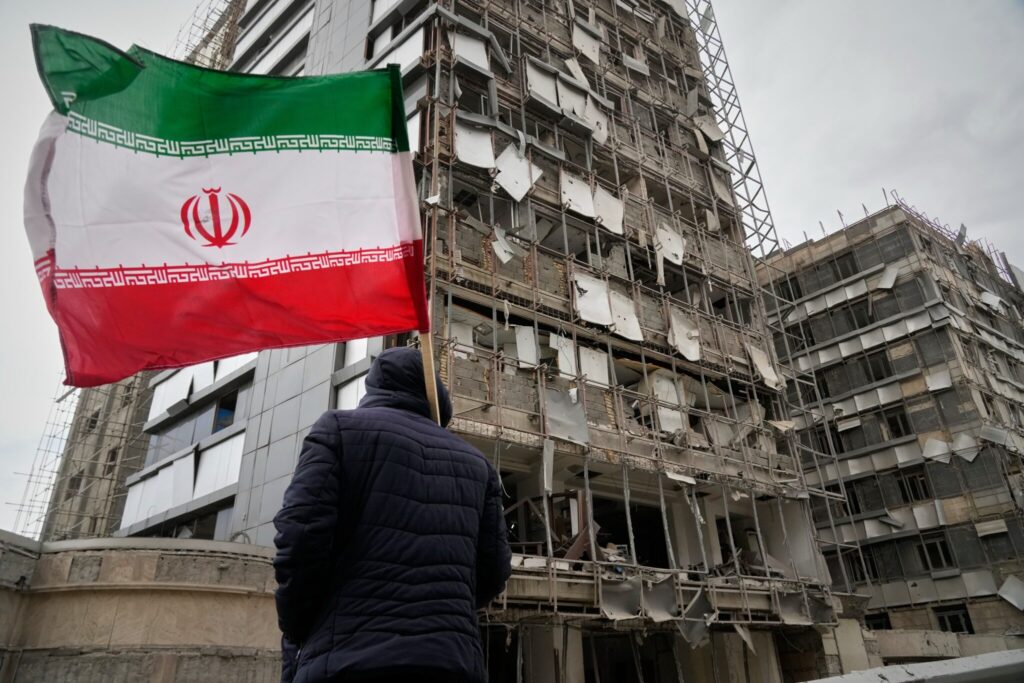
The president’s remarks come as the conflict widens across the Middle East, with missile exchanges, retaliatory strikes, and rising casualties fueling global concern.
“We Haven’t Even Started Hitting Them Hard”
Trump made clear that he believes the current operations represent only part of a broader strategy.
“We haven’t even started hitting them hard,” he said. “The big wave hasn’t even happened. The big one is coming soon.”
While he declined to provide operational specifics, the warning suggests additional strikes or expanded military actions may be imminent.
On the expected duration of the war, Trump said he hopes it will not drag on.
“I don’t want to see it go on too long. I always thought it would be four weeks. And we’re a little ahead of schedule,” he said.
Surprise at Iran’s Regional Retaliation
Trump said the “biggest surprise” so far has been Iran’s attacks against several Arab nations, including Bahrain, Jordan, Kuwait, Qatar and the United Arab Emirates.
“We were surprised,” Trump said. “We told them, ‘We’ve got this,’ and now they want to fight. And they’re aggressively fighting.”
He suggested that Iranian strikes on civilian targets, including hotels and apartment buildings, angered regional governments that had initially sought limited involvement.
“They love us, but they were watching,” Trump said of Arab leaders. “There was no reason for them to be involved.”
The president described Gulf leaders as “tough and smart,” while emphasizing that the Iranian nuclear threat has long cast a shadow over the region.
“You have to understand, they were living under that dark cloud for years,” he said.
Leadership Vacuum in Tehran
Trump also addressed uncertainty about who now leads Iran following the initial U.S.-Israeli strikes.
“We don’t know who the leadership is. We don’t know who they’ll pick,” he said. “Maybe they’ll get lucky and get someone who knows what they’re doing.”
He claimed that 49 Iranian leaders were killed in the opening wave of attacks, describing the strike as “amazing” and saying officials had been overly confident in their security.
“They thought they were undetectable. They weren’t undetectable,” Trump said.
The president suggested Iran’s leadership structure is now in disarray.
“They don’t even know who’s leading them now,” he said.
Failed Negotiations and Nuclear Dispute
Trump defended the military action by arguing that diplomatic efforts had failed.
“We couldn’t make a deal with these people,” he said, accusing Iranian negotiators of repeatedly backing away from commitments.
According to Trump, Iran refused to halt uranium enrichment — a central demand of U.S. negotiators.
“They had all that enriched stuff,” he said, claiming previous strikes had severely damaged enrichment facilities.
He dismissed the need for further agreements, saying military force was now the appropriate response.
“This is the way,” Trump said. “We don’t have to worry about agreements.”
Framing the Conflict as Long-Term Strategy
The president placed the current campaign within a broader historical context, citing decades of Iranian hostility toward the United States and its allies.
He referenced the January 2020 drone strike that killed Iranian general Qasem Soleimani, calling it a decisive moment.
“He was an unbelievably violent, vicious general,” Trump said.
Trump also mentioned “Midnight Hammer,” referring to U.S. strikes last year on Iranian nuclear facilities, which he claimed delayed Tehran’s nuclear ambitions.
Criticizing the Obama-era nuclear deal, Trump called it “a pathway to a bomb” and argued that without intervention, Iran would already possess nuclear weapons.
What Comes Next
Trump ended the interview expressing confidence in the operation’s trajectory.
“So it’s going good,” he said before concluding the call.
As the administration prepares for what Trump describes as a coming “big wave,” global markets, regional governments, and American lawmakers are closely watching the next phase of the conflict — and its potential consequences for stability in the Middle East and beyond.