Trump Awards Medal of Honor to 3 US Army Service Members in White House Ceremony/ Newslooks/ WASHINGTON/ J. Mansour/ Morning Edition/ President Donald Trump will award the Medal of Honor to three U.S. Army soldiers in a White House ceremony. Two of the awards will be presented posthumously for heroism in Afghanistan and World War II. The third honors Vietnam War valor credited with saving 85 fellow service members.
Trump to Award Medal of Honor Monday Quick Looks
- Three U.S. Army soldiers honored
- Two awards presented posthumously
- Ceremony held at White House
- Vietnam War hero saved 85 soldiers
- Afghanistan soldier died shielding ally
- WWII POW resisted Nazi segregation order
- Medal recognizes valor beyond call of duty
- Award given in name of Congress
Deep Look
Trump to Award Medal of Honor to Three U.S. Army Service Members at White House Ceremony
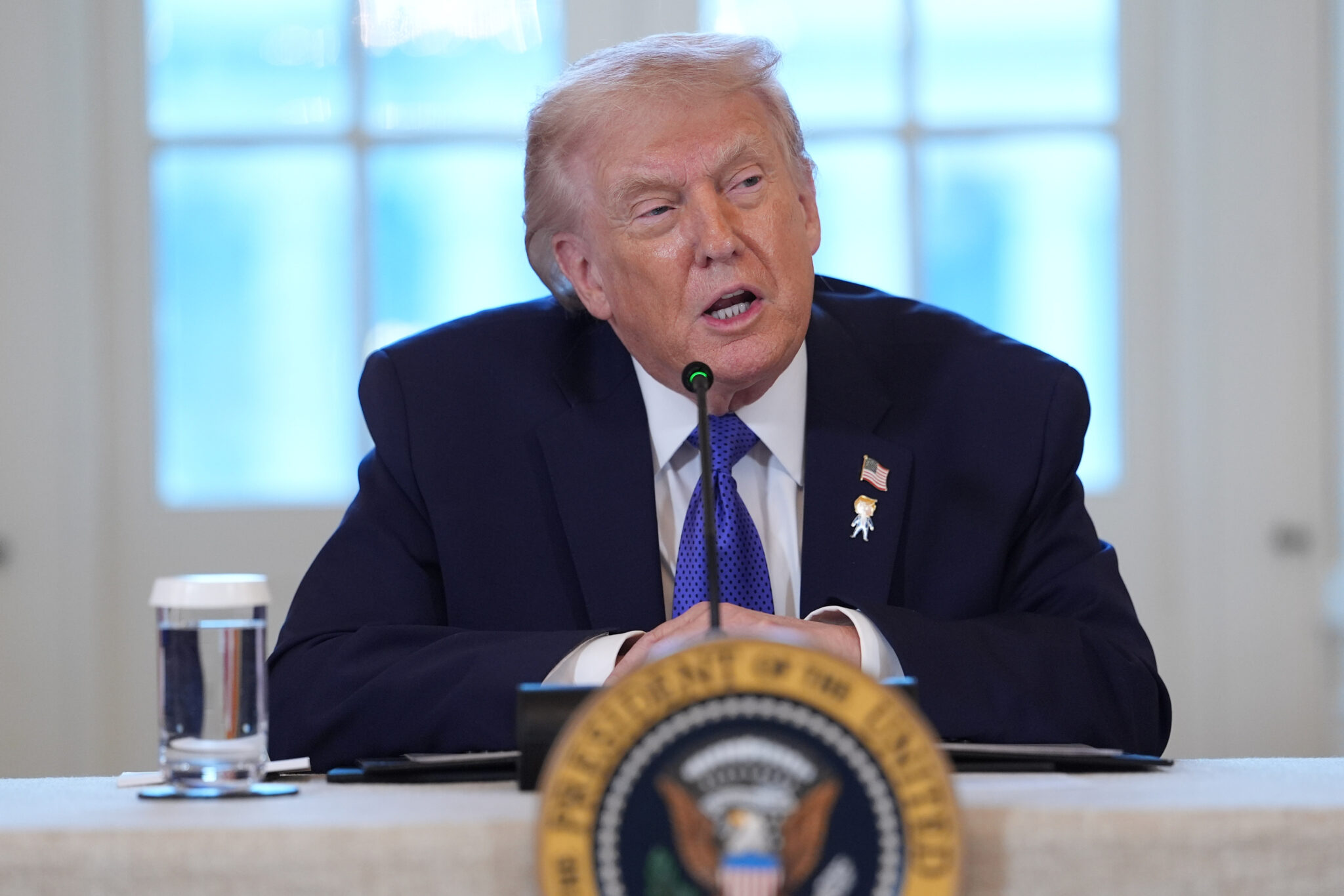
WASHINGTON — President Donald Trump will present the Medal of Honor to three U.S. Army soldiers during a White House ceremony on Monday, recognizing acts of extraordinary valor spanning three wars and multiple generations of service.
Two of the nation’s highest military decorations will be awarded posthumously, honoring soldiers whose actions cost them their lives or whose heroism was recognized decades later. The third recipient, a Vietnam War veteran, will be honored for battlefield leadership credited with saving dozens of fellow troops.
The Medal of Honor is the United States’ highest military award for valor in combat. It is presented by the president in the name of Congress to service members who go above and beyond the call of duty, often at great personal risk.
Vietnam War Hero: Command Sgt. Maj. Terry P. Richardson
Retired Command Sgt. Maj. Terry P. Richardson will be recognized for his actions during a reconnaissance mission on September 14, 1968, near Loc Ninh in the Republic of Vietnam.
At the time a staff sergeant serving as a platoon leader, Richardson came under intense fire from the North Vietnamese Army, including heavy machine gun and sniper attacks. According to his citation, he repeatedly exposed himself to enemy fire to rescue three wounded soldiers.
After completing the rescues, Richardson continued leading his unit to a designated hilltop intended for directing airstrikes. The position turned out to be part of an enemy encampment, yet Richardson held the location for approximately seven hours while directing aerial attacks — even after being wounded by sniper fire.
Enemy forces eventually withdrew. When U.S. reinforcements arrived, Richardson reportedly declined medical evacuation so he could remain with his troops.
The White House credited his “gallant and selfless actions” with saving the lives of 85 fellow service members.
Afghanistan: Staff Sgt. Michael H. Ollis
Staff Sgt. Michael H. Ollis will be honored posthumously for valor during a deadly attack on Forward Operating Base Ghazni in Afghanistan on August 28, 2013.
Ollis, 24 at the time, first directed fellow soldiers to safety inside a bunker as insurgents breached the base perimeter. He then returned to check for others who might still be in danger.
He encountered a wounded Coalition Forces officer from Poland and joined other allied troops engaging enemy fighters.
During the firefight, an insurgent wearing a suicide vest approached. According to the citation, Ollis placed himself between the wounded officer and the attacker.
“With complete disregard for his own safety,” the commendation reads, Ollis fired on the insurgent and disabled him. As he approached, the attacker detonated the explosive vest, mortally wounding Ollis.
His actions shielded the allied officer and exemplified extraordinary courage under fire.
World War II: Master Sgt. Roderick W. Edmonds
Master Sgt. Roderick W. Edmonds, who died in 1985, will also receive the Medal of Honor posthumously for his leadership as a prisoner of war in Germany during World War II.
In January 1945, Edmonds was the senior-ranking American noncommissioned officer at a German POW camp. German authorities ordered that only Jewish-American prisoners report for roll call the following morning, threatening execution for noncompliance.
Recognizing that segregation would likely lead to torture or death for approximately 200 Jewish-American soldiers, Edmonds instructed all 1,200 American POWs to stand in formation.
When confronted by the German commandant, Edmonds invoked protections under international law and refused to identify Jewish prisoners. The commandant ultimately backed down and made no further attempts to separate them.
Weeks later, as Allied forces advanced, German troops ordered prisoners to prepare for evacuation. Edmonds organized resistance, and the Germans ultimately abandoned the camp, leaving the American prisoners behind.
The White House praised Edmonds for “gallantly” leading a relentless stand against Nazi oppression without regard for his own life.
Honoring Valor Across Generations
The ceremony highlights acts of courage spanning World War II, Vietnam, and the war in Afghanistan — underscoring the enduring tradition of service and sacrifice within the U.S. Army.
By awarding the Medal of Honor, the president formally recognizes not only battlefield heroism but also the moral courage and leadership that define the nation’s highest military values.
Monday’s ceremony will add three more names to the distinguished roll of Medal of Honor recipients — service members whose actions, across decades and conflicts, exemplified extraordinary bravery in defense of others.