SAVE Act Voting Rules Could Burden US Voters/ Newslooks/ WASHINGTON/ J. Mansour/ Morning Edition/ A Republican-backed election bill would require Americans to prove citizenship when registering to vote. Supporters say the SAVE Act strengthens election integrity, while critics warn it could block millions from voting. Obtaining required documents like passports or birth certificates may create new barriers for voters.
SAVE Act Voting Requirements Quick Looks
- Major election change: The SAVE Act would require proof of citizenship to register for federal elections.
- Supporters’ argument: Republicans say the measure protects election integrity.
- Critics’ concerns: Voting rights advocates warn millions could struggle to obtain qualifying documents.
- Document requirements: Passports, certified birth certificates, or specific IDs would be needed.
- Limited transition time: The bill includes no major phase-in period before implementation.
- Potential voter impact: Married women, rural voters, and younger voters may face added challenges.
Deep Look: SAVE Act Voting Rules Could Burden US Voters
A major provision in a Republican-backed election bill moving through Congress could significantly change how Americans register to vote, requiring documentary proof of citizenship and potentially creating new hurdles for millions of eligible voters.
The proposed legislation, known as the Safeguard American Voter Eligibility (SAVE) Act, recently passed the U.S. House of Representatives largely along party lines. The bill now heads to the Senate for debate and a possible vote.
Supporters, including President Donald Trump and many congressional Republicans, argue the measure would strengthen election security by ensuring that only U.S. citizens participate in federal elections. Critics say the new rules could make it harder for many legitimate voters to register and cast ballots.
A Voter’s Experience in New Hampshire
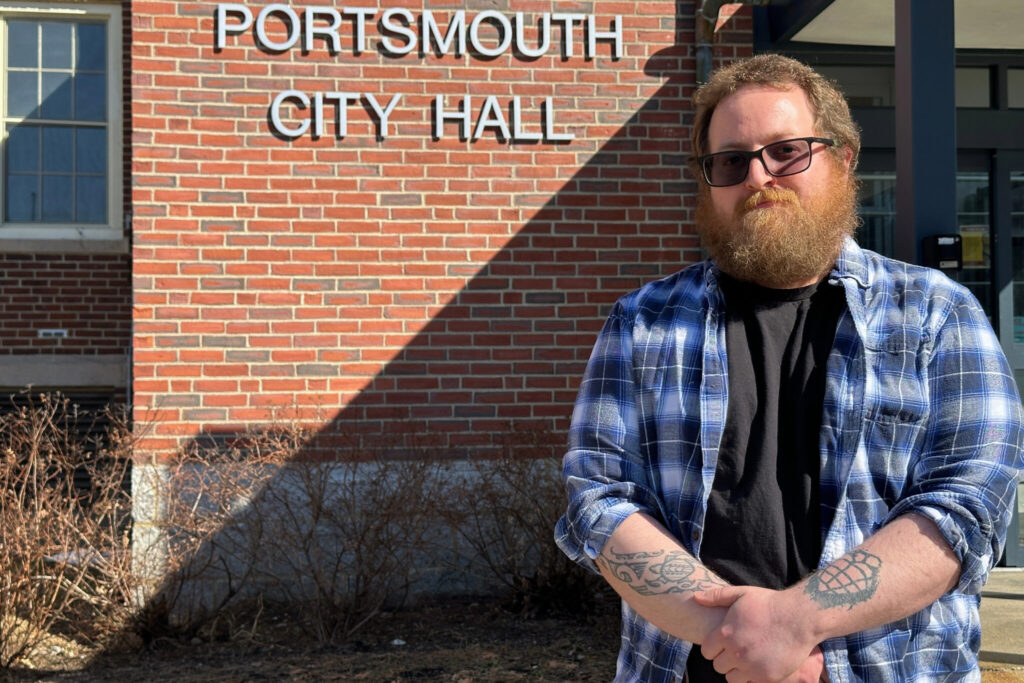
For Joshua Bogdan, a 31-year-old New Hampshire resident, proving his citizenship during a recent local election proved unexpectedly complicated.
Bogdan was born in the United States and has rarely traveled abroad. The only time he left the country was a brief middle school trip to Canada.
Yet when he arrived at his polling place in Portsmouth last fall, his standard driver’s license was no longer sufficient to register at his new address.
Under New Hampshire’s recently enacted proof-of-citizenship voting law, poll workers told him he needed either a passport or a birth certificate to complete his registration before voting.
The sudden requirement triggered a stressful scramble.
Bogdan said the experience transformed what had always been an enjoyable civic ritual into a frustrating race against time to find the necessary paperwork.
“I didn’t know anything had changed,” he said. “Being told I needed documents I’d never used for voting before was frustrating.”
National Push for Proof-of-Citizenship Rules
Bogdan’s experience could become more common if the SAVE Act becomes federal law.
While Republicans have emphasized provisions requiring voters to show photo identification, the most consequential change in the legislation is the requirement that people provide official documentation proving citizenship when registering to vote in federal elections.
Noncitizens are already barred from voting in federal elections, and cases of illegal voting by noncitizens are extremely rare.
Nevertheless, Republican lawmakers say stronger safeguards are necessary to maintain public confidence in election integrity.
Lessons From Kansas
Critics point to a similar policy implemented in Kansas roughly a decade ago.
That proof-of-citizenship requirement prevented more than 30,000 eligible voters from registering before courts ultimately struck the law down.
Voting rights groups warn the SAVE Act could create similar problems on a much larger scale.
Rebekah Caruthers, president and CEO of the Fair Elections Center, said the measure could undermine democratic participation.
“If this bill passes, millions of eligible Americans could be denied their fundamental right to vote,” she said.
She noted that the groups most likely to face difficulties include married women whose names have changed, voters in rural communities, and people with limited access to official records.
Complicated Document Requirements
The SAVE Act lists several documents that could prove citizenship, but many come with restrictions.
For example, the bill allows REAL ID-compliant driver’s licenses as proof only if the license specifically indicates that the holder is a U.S. citizen.
However, most states do not include citizenship status on driver’s licenses.
Only a handful—Michigan, Minnesota, New York, Vermont, and Washington—currently issue enhanced licenses that explicitly confirm citizenship.
Military identification cards are also listed as acceptable documentation in the legislation, but they cannot be used alone.
Instead, they must be accompanied by additional military records that indicate the holder’s birthplace was in the United States. The commonly used DD214 military discharge form does not include birthplace information, making it insufficient under the proposed rules.
The Passport Challenge
For many Americans, a passport would be the easiest document to satisfy the requirement.
However, only about half of U.S. adults currently have a valid passport.
Obtaining one can also be time-consuming and costly.
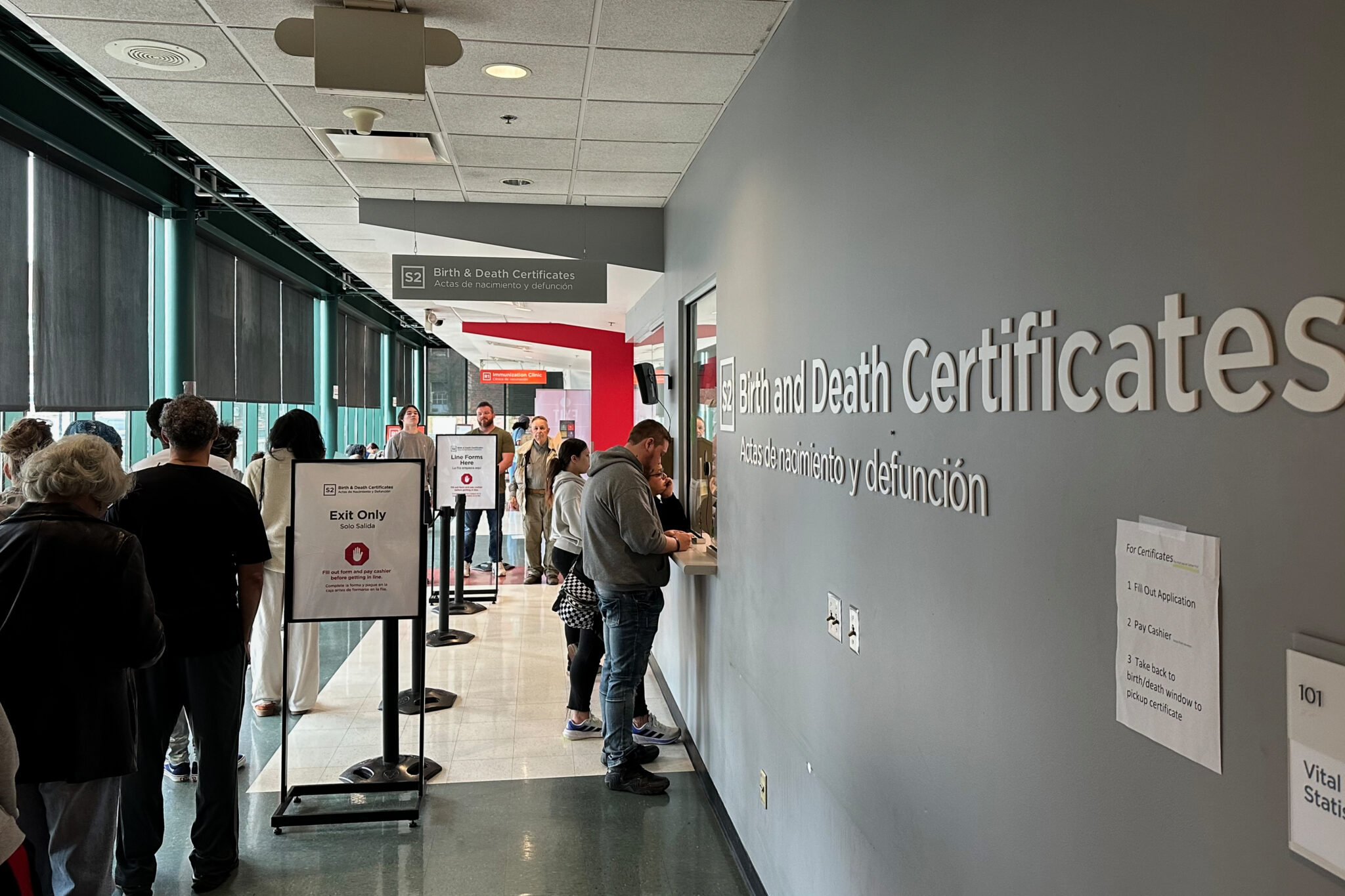
According to the State Department, standard passport processing takes four to six weeks, not including mailing time. A new passport costs $165, while renewals cost $130. Expedited service can add at least $60 more, pushing the cost above $250 for the fastest processing.
In addition, the SAVE Act would require the passport to be current—expired passports would not qualify.
Birth Certificates and Name Changes
A certified birth certificate may offer a cheaper alternative, but it also presents challenges.
The bill specifies that only official certified copies issued by government authorities would qualify. The hospital-issued certificate many parents receive at birth would not meet the requirement.
Obtaining certified copies can also take weeks or months depending on state processing times. For example, officials in New York say requests for birth certificates can take up to four months.
The issue becomes even more complex for people whose names have changed since birth.
According to Pew Research Center, about 80% of women in heterosexual marriages adopt their spouse’s last name. Under the SAVE Act, these voters may need additional documentation, such as marriage certificates, to reconcile differences between their birth records and current identification.
Millions May Lack Documentation
Research suggests a large number of Americans could face difficulties meeting the documentation requirements.
A 2025 study from the University of Maryland estimated that roughly 21.3 million voting-age citizens either lack proof-of-citizenship documents or cannot easily access them.
The study found that the issue affects voters across the political spectrum, including Democrats, Republicans, and independents.
Implementation Challenges
Another concern raised by election officials is the lack of funding in the legislation.
The SAVE Act does not allocate federal money to help states implement the new documentation rules or educate voters about them.
Local election offices could face increased administrative burdens if large numbers of voters attempt to obtain documents shortly before registration deadlines.
Bogdan believes clearer communication would help voters prepare.
He was ultimately able to vote in New Hampshire because he had recently retrieved his birth certificate from his parents’ home while applying for a REAL ID.
But he worries other voters—especially younger Americans—may not have easy access to such records.
“Young voters don’t usually carry around birth certificates or Social Security cards,” he said. “A lot of people might show up thinking they’re ready to vote and find out they aren’t.”