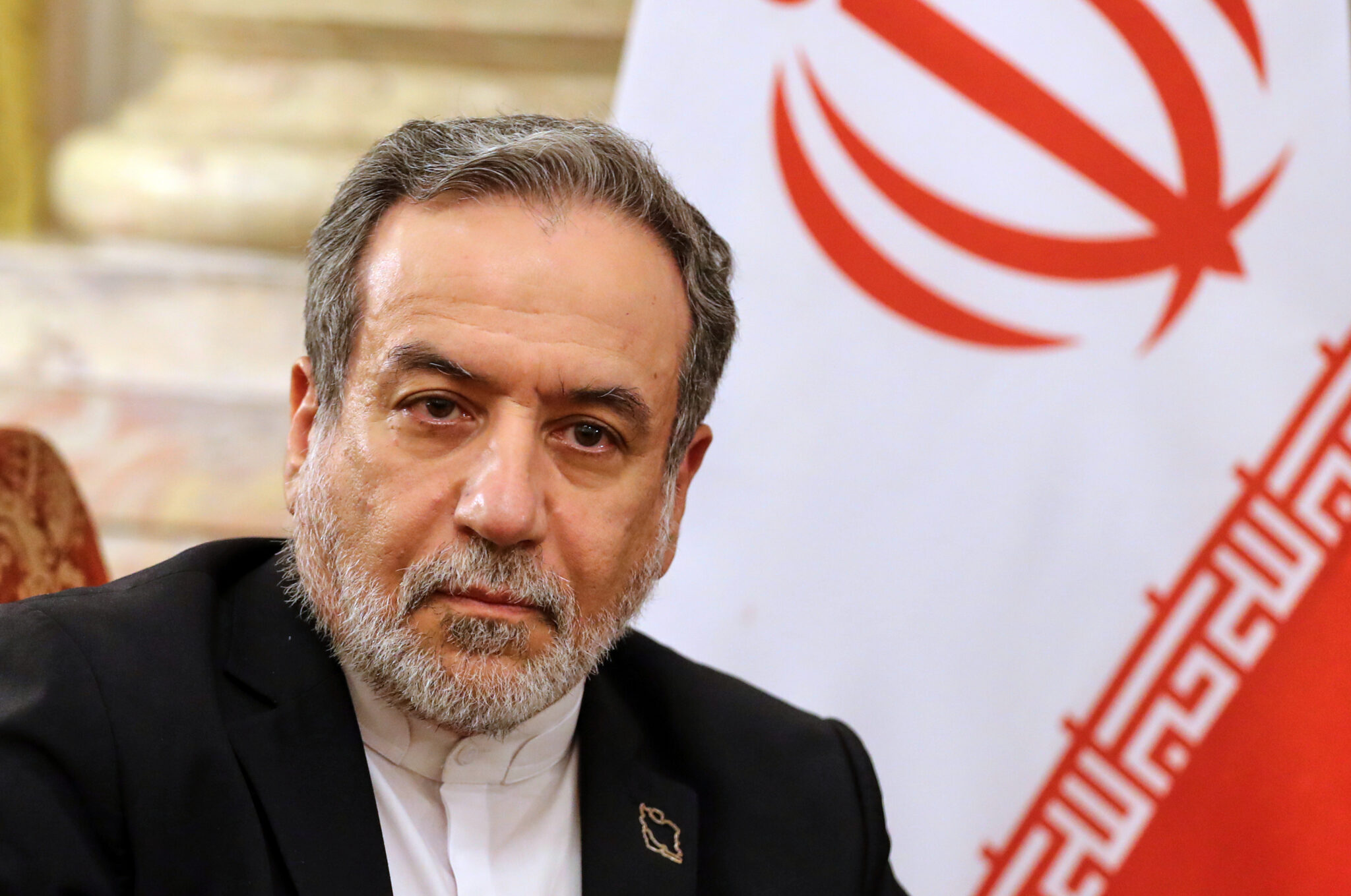
Iran’s Foreign Minister Heads to Pakistan for US Ceasefire Talks/ Newslooks/ WASHINGTON/ J. Mansour/ Morning Edition/ Iran’s Foreign Minister Abbas Araghchi is traveling to Pakistan as Islamabad works to restart ceasefire negotiations between Tehran and Washington. The trip comes as the U.S. blockade of Iranian ports expands, tensions remain high in the Strait of Hormuz, and three U.S. aircraft carriers operate in the region. Even with ceasefires holding, thousands have been killed across Iran, Lebanon, Israel, and the wider Middle East conflict.
Iran Pakistan Ceasefire Talks Quick Looks
- Iran’s Foreign Minister Abbas Araghchi is heading to Pakistan
- Pakistan is trying to restart US-Iran ceasefire negotiations
- Trump extended the ceasefire with Iran indefinitely this week
- The U.S. blockade of Iranian ports remains active during talks
- Three U.S. aircraft carriers are now operating in the region
- Trump also extended the Jones Act waiver for 90 days
- More than 3,300 people have been killed in Iran since the war began
Deep Look
Iran’s Top Diplomat Travels to Pakistan for New Ceasefire Push
ISLAMABAD — Iran’s Foreign Minister Abbas Araghchi was heading to Pakistan on Friday as Islamabad stepped up efforts to bring the United States and Iran back to the negotiating table for a second round of ceasefire talks.
Iran’s state-run IRNA news agency confirmed that Araghchi was traveling with a small government delegation and described the visit as focused on “bilateral consultations” and broader regional developments.
The foreign minister is also expected to travel to Oman and Russia as part of his diplomatic tour.
Pakistani officials say Islamabad has been working quietly to rebuild momentum after previously scheduled talks between Washington and Tehran failed to take place this week.
The White House did not immediately comment on whether a U.S. delegation would also travel to Pakistan for direct discussions.
Pakistan Tries to Restart Fragile Diplomacy
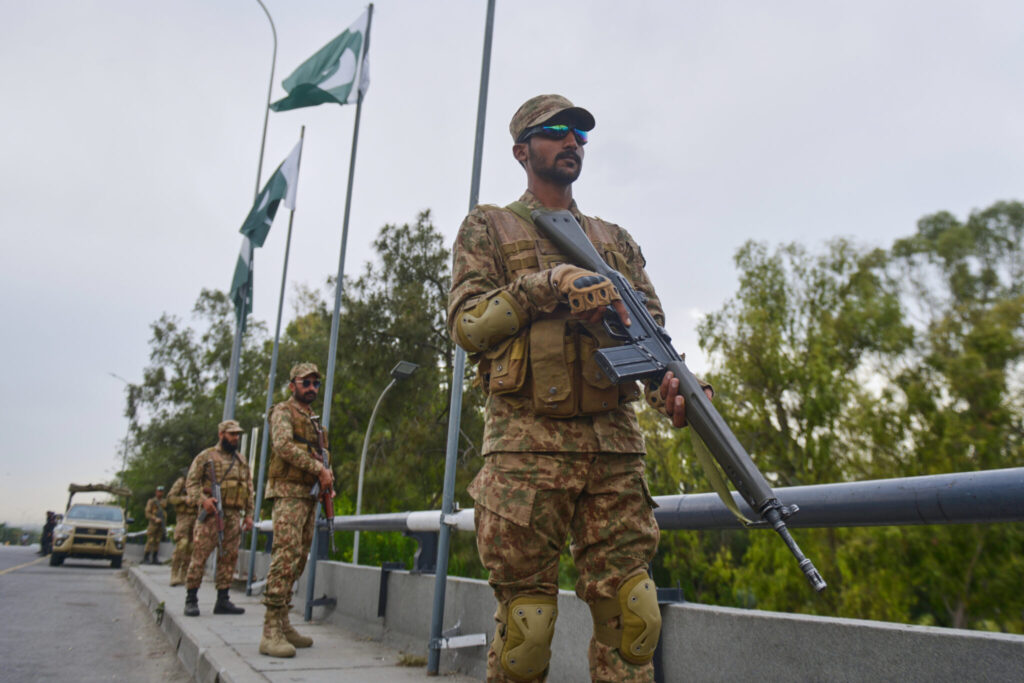
Pakistan has emerged as one of the key diplomatic players trying to prevent the U.S.-Iran conflict from escalating again.
Earlier this week, President Donald Trump announced an indefinite extension of the ceasefire with Iran, a move that came after Islamabad requested more time for diplomatic outreach.
Pakistan hopes that extension can create enough space for a second formal round of negotiations.
The first phase of diplomacy slowed as military actions continued in the Strait of Hormuz and both sides intensified pressure on commercial shipping.
Islamabad is now trying to use the temporary calm to pull both sides back toward direct talks.
The outcome could shape whether the region moves toward peace or returns to full military confrontation.
Trump Extends Jones Act Waiver to Ease Energy Pressure
Separately on Friday, the White House announced that Trump issued a 90-day extension of the Jones Act waiver to help stabilize energy supplies following disruptions caused by the war.
The waiver makes it easier for non-American ships to transport oil and natural gas to U.S. ports.
Trump first introduced the temporary waiver in mid-March for 60 days after the effective shutdown of the Strait of Hormuz created major shipping problems.
According to the White House, new supply data showed the original waiver allowed significantly more energy shipments to reach U.S. ports faster.
The administration sees the extension as a way to protect consumers from higher fuel prices while the conflict continues.
Oil markets reacted quickly.
Brent crude prices dropped to around $104 per barrel after the announcement, retreating from earlier highs above $107.
Even with the decline, prices remain nearly 50% higher than they were on Feb. 28, when the U.S. and Israel launched strikes on Iran that began the war.
Strait of Hormuz Still Under Heavy Pressure
Despite the ceasefire, tensions remain extremely high in the Strait of Hormuz, one of the world’s most important shipping lanes.
The narrow waterway handles roughly one-fifth of global oil and natural gas shipments during peacetime.
Iran has continued exerting heavy control over traffic through the strait and attacked three ships earlier this week.
At the same time, the United States has maintained its naval blockade of Iranian ports and President Trump ordered the military to “shoot and kill” small boats suspected of placing mines.
The economic consequences have spread worldwide as shipping slows, insurance costs rise, and oil markets remain unstable.
The standoff has become both a military and global economic crisis.
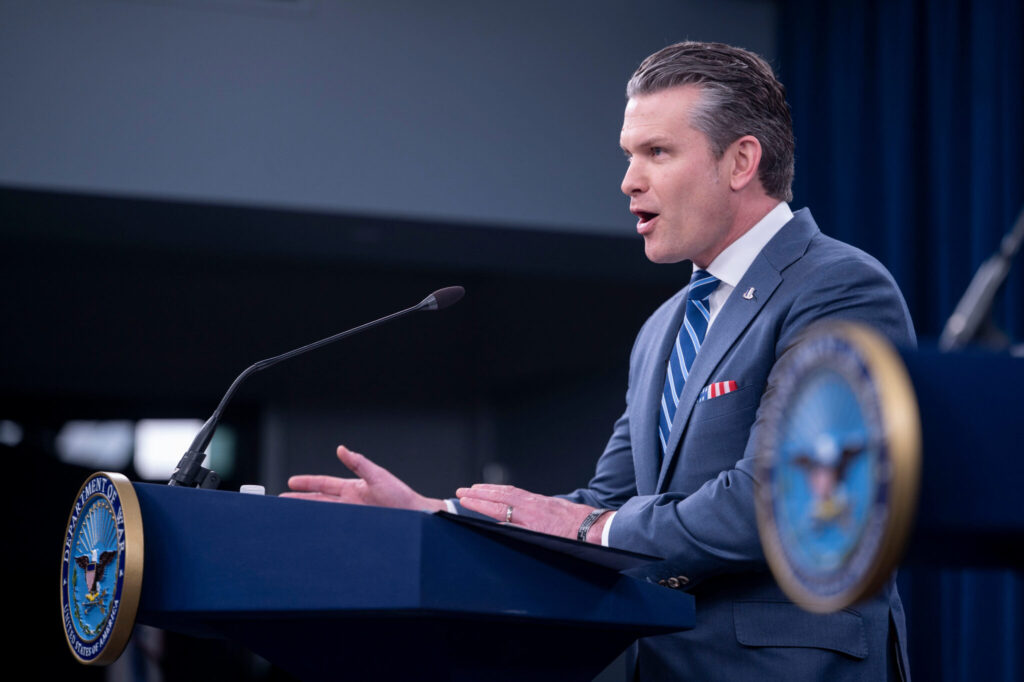
Hegseth Says Iran Must Choose Diplomacy
Defense Secretary Pete Hegseth reinforced Friday that the United States will continue maximum pressure until Iran agrees to meaningful nuclear concessions.
“Iran has an important choice, a chance to make a deal, a good deal, a wise deal,” Hegseth told reporters.
He said Iran must abandon its nuclear ambitions in “meaningful and verifiable ways” or face continued economic collapse under American pressure.
Hegseth also confirmed that a second U.S. aircraft carrier will soon join blockade operations.
That will increase the already massive American military presence in the region.
Three US Aircraft Carriers Now in the Region
Washington now has three aircraft carriers operating across the Middle East for the first time since 2003.
U.S. Central Command said the force includes 200 aircraft and approximately 15,000 sailors and Marines.
This is one of the largest U.S. military deployments in the region in decades.
The Pentagon says the goal is deterrence, protection of commercial shipping, and support for continued negotiations from a position of strength.
Human Cost Continues to Grow
Even as ceasefires remain in place, the war has already caused devastating casualties across the region.
Authorities say at least 3,375 people have been killed in Iran since the conflict began.
In Lebanon, more than 2,290 people have died after Israel and Hezbollah resumed fighting two days after the war started.
Israel has reported 23 deaths, while more than a dozen people have died in Gulf Arab states.
Fifteen Israeli soldiers have been killed in Lebanon, and 13 U.S. service members have died across the region.
The United Nations peacekeeping force in southern Lebanon has also suffered losses.
UNIFIL confirmed Friday that an Indonesian peacekeeper died from wounds suffered during an attack on his base in March, bringing total peacekeeper deaths to six since the war began.
Lebanon Ceasefire Holds but Tensions Remain
The situation in Lebanon remains unstable despite Trump’s announcement Thursday that Israel and Lebanon agreed to extend their ceasefire with Hezbollah by three weeks.
Hezbollah has not participated directly in the U.S.-brokered diplomacy and has rejected agreements made without its involvement.
On Friday, the Israeli military ordered residents of the southern Lebanese village of Deir Aames to evacuate, saying Hezbollah was using the area to launch attacks.
Israel also said it shot down a drone over Lebanon after Hezbollah launched a surface-to-air missile.
Hezbollah responded by claiming it had shot down an Israeli drone near the southern port city of Tyre.
These exchanges show how fragile the ceasefire remains.
Diplomacy Faces a Narrow Window
With military pressure rising and diplomatic efforts continuing, the region now faces a critical moment.
Pakistan is trying to preserve the ceasefire and prevent the war from expanding again, but success depends on whether Washington and Tehran are willing to move beyond military leverage.
For now, Araghchi’s trip to Pakistan represents one of the most important diplomatic openings in weeks.
The world is watching closely to see whether talks can resume — or whether the conflict will move back toward open war.