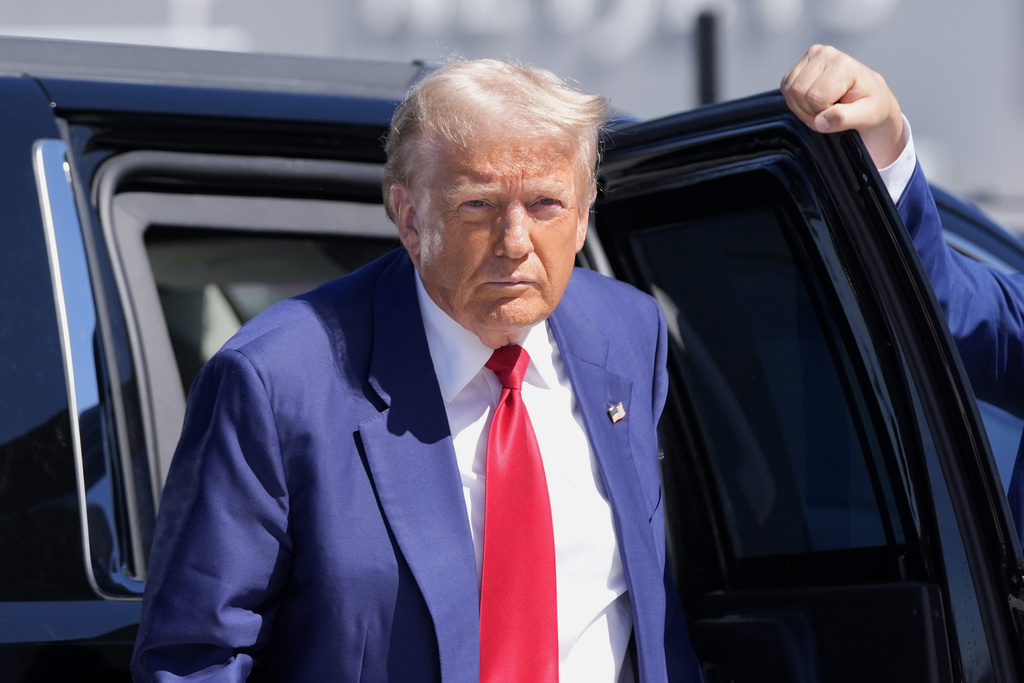
Trump Asked 7 Countries to Join Coalition to Police Iran’s Strait of Hormuz/ Newslooks/ WASHINGTON/ J. Mansour/ Morning Edition/ President Donald Trump says he asked about seven countries to help patrol the Strait of Hormuz during escalating tensions with Iran. Key allies including the United Kingdom, Japan, and South Korea have not yet committed forces. Meanwhile, missile attacks across the Persian Gulf and rising oil prices intensify concerns over global energy security.
Trump Strait of Hormuz Coalition Quick Looks
- Trump seeks naval coalition of roughly seven countries to patrol the Strait of Hormuz.
- The waterway normally carries about 20% of the world’s traded oil.
- Trump argues nations reliant on Gulf oil should help secure the route.
- Countries approached reportedly include China, Britain, Japan, France, and South Korea.
- Governments remain cautious, offering dialogue but no military commitments.
- Oil prices surged as shipping risks increased.
- Iran warns U.S. and allied ships could face restrictions in the strait.
- Missile and drone attacks across Gulf states continue amid the war.

Deep Look: Trump Asked 7 Countries to Join Coalition to Police Iran’s Strait of Hormuz
President Donald Trump says his administration is urging several countries to join a naval coalition aimed at protecting the strategic Strait of Hormuz, a critical maritime passage for global oil shipments, as the war involving Iran escalates.
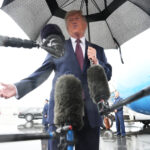
Speaking to reporters aboard Air Force One while returning to Washington from Florida, Trump said he had asked “about seven” nations to deploy naval forces to safeguard the shipping lane. Despite the appeals, he acknowledged that none of the countries have formally committed ships or military support.
The narrow waterway between Iran and Oman remains one of the most important energy chokepoints in the world. Roughly one-fifth of the global oil supply transported by sea typically passes through the strait, making any disruption a major concern for international markets.
Trump said the United States is urging countries that rely heavily on Middle Eastern crude to take a leading role in securing the shipping corridor.
“I’m demanding that these countries come in and protect their own territory,” Trump said, suggesting the United States is less dependent on oil moving through the strait than many other nations.
Pressure on Oil-Dependent Nations
Trump has previously called on several key U.S. partners — including China, France, Japan, South Korea, and the United Kingdom — to contribute ships or support to an international maritime patrol.
The president noted that China receives a significant portion of its oil imports through the strait, saying Beijing has a major stake in keeping the route open. However, Trump declined to say whether China had agreed to participate.
“It would be nice to have other countries police that with us,” Trump said. “We’ll help and work with them.”
Iran Signals Limited Cooperation
Meanwhile, Abbas Araghchi, Iran’s foreign minister, said Tehran has been contacted by several governments seeking assurances that their ships can travel safely through the strait.
In an interview with CBS, Araghchi said Iran has allowed vessels from some countries to pass through but emphasized that decisions ultimately rest with Iran’s military leadership.
Iran has also warned that ships linked to the United States or its allies could face restrictions or risks in the waterway.
Araghchi blamed the conflict on coordinated attacks by the United States and Israel, which he said began during diplomatic discussions about Iran’s nuclear program earlier this year.
Allies Show Caution
Despite Washington’s push for a coalition, U.S. partners appear hesitant to deploy forces into the increasingly volatile region.
British officials confirmed that Prime Minister Keir Starmer spoke with Trump about reopening the strait and stabilizing global shipping routes. However, London has not committed naval assets.
Trump suggested Starmer initially resisted sending British aircraft carriers into potential combat zones.
Elsewhere, governments have responded carefully.
China’s embassy in Washington said all countries share responsibility for maintaining stable energy supplies and indicated Beijing is working diplomatically with regional stakeholders to reduce tensions.
South Korea’s Foreign Ministry also acknowledged Trump’s request but said Seoul would closely review the situation in coordination with Washington before making any decisions.
Japan may face additional pressure later this week when Prime Minister Sanae Takaichi meets Trump at the White House.
Energy Markets Under Pressure
The instability in the Gulf has already affected global energy markets.
The International Energy Agency announced plans to release more than 400 million barrels of emergency oil reserves to stabilize supply and reduce price spikes.
Asian member countries are expected to release oil stocks immediately, while reserves from Europe and the Americas could begin entering markets later in March.
Trump predicted that oil prices would eventually fall once the conflict subsides.
“The prices are going to come tumbling down as soon as it’s over,” he said.
Missile and Drone Attacks Continue
Meanwhile, military tensions across the Persian Gulf have intensified.
Several Gulf states — including the United Arab Emirates, Saudi Arabia, Kuwait, and Bahrain — reported missile or drone attacks over the weekend.
In Dubai, a drone strike hit a fuel tank near the city’s international airport, temporarily halting flights at the world’s busiest hub for international travel. Authorities said firefighters quickly contained the blaze and no injuries were reported.
Iran has accused the UAE of allowing U.S. forces to launch strikes from its territory — an allegation Emirati officials have strongly denied.
Human Toll of the War
The ongoing war has taken a growing toll across the region.
Iranian authorities say more than 1,300 people have been killed in Iran, including hundreds of women and children, according to figures released by the Iranian Red Crescent Society.
Missile attacks have also killed civilians in Gulf countries, many of them migrant workers.
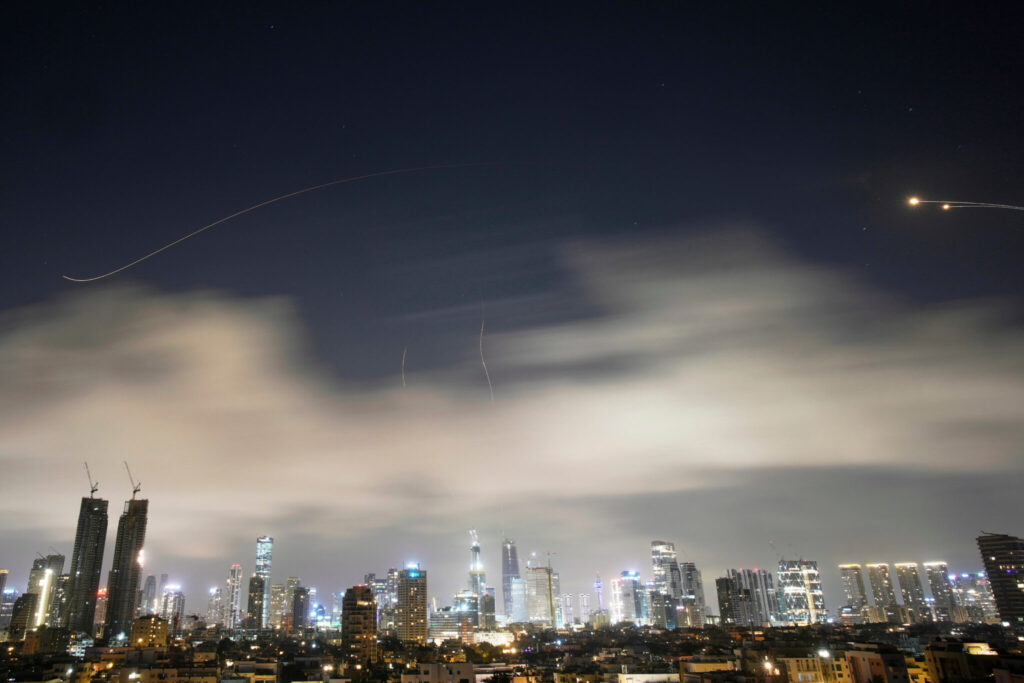
In Israel, Iranian missile strikes have killed at least 12 people and injured dozens more. Several attacks targeted the Tel Aviv metropolitan area, causing damage to buildings and infrastructure.
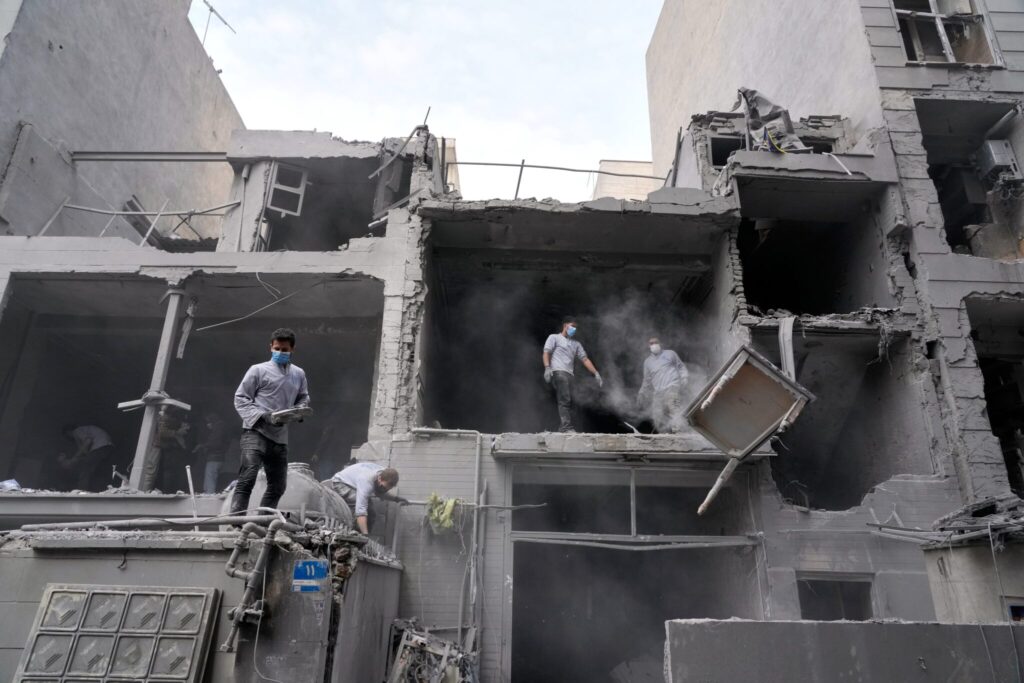
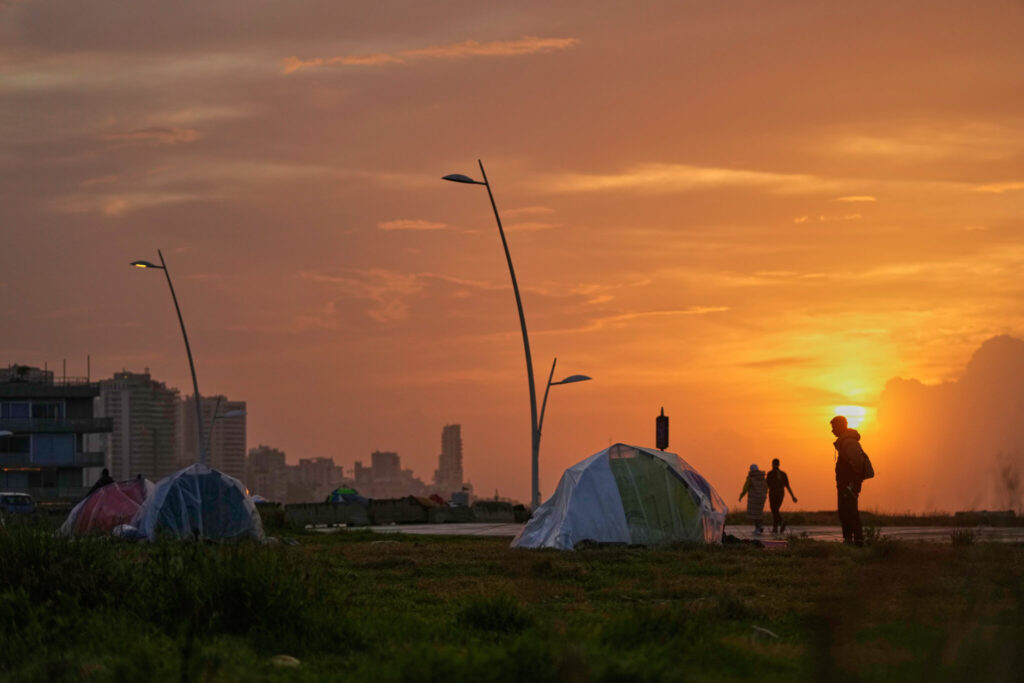
Regional tensions have also spread into Lebanon, where fighting between Israeli forces and Hezbollah has displaced hundreds of thousands of people.
Risk of Wider Conflict
As missile exchanges continue and diplomatic efforts stall, analysts warn the conflict could expand into a broader regional war.
The strategic importance of the Strait of Hormuz, combined with the involvement of multiple countries, means any prolonged disruption could have far-reaching consequences for global trade, energy markets, and international security.
For now, Trump continues to push for a multinational effort to safeguard the waterway, arguing that nations most dependent on Gulf oil should share the responsibility for keeping the shipping route open.