Snow, Wind Hit Eastern US, Midwest, Blocking Roads & Grounding 2,000 Flights/ Newslooks/ WASHINGTON/ J. Mansour/ Morning Edition/ A powerful storm system swept across the United States Monday, bringing blizzards, high winds, and severe storms affecting more than 100 million people. Over 2,000 flights were canceled and thousands delayed as major airports in Washington, New York, Chicago, and Atlanta faced disruptions. Forecasters warn the system could produce damaging winds, tornadoes, and heavy snow across parts of the Midwest and East Coast.
US Severe Weather Flight Cancellations Quick Looks
- Massive storm system impacts over 100 million Americans.
- More than 2,000 flights canceled nationwide with thousands delayed.
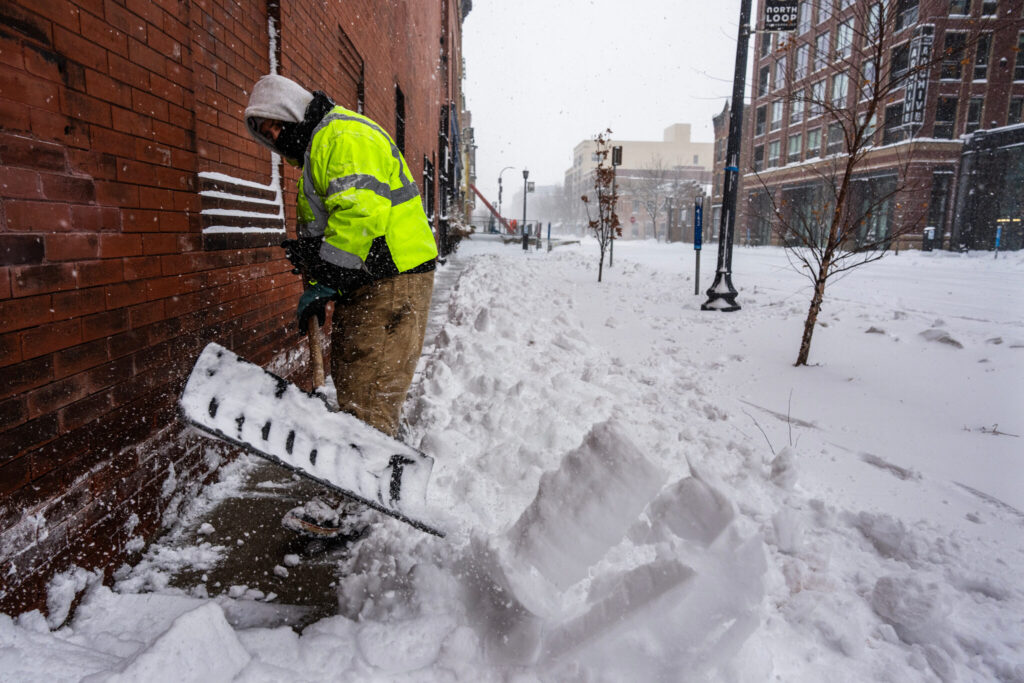
- Blizzards dump up to 2 feet of snow across Midwest states.
- Severe storms bring 70 mph winds and tornado risks to the Mid-Atlantic.
- Major travel disruptions hit airports in Washington, New York, Chicago, and Atlanta.
- Schools closed early across several Mid-Atlantic communities.
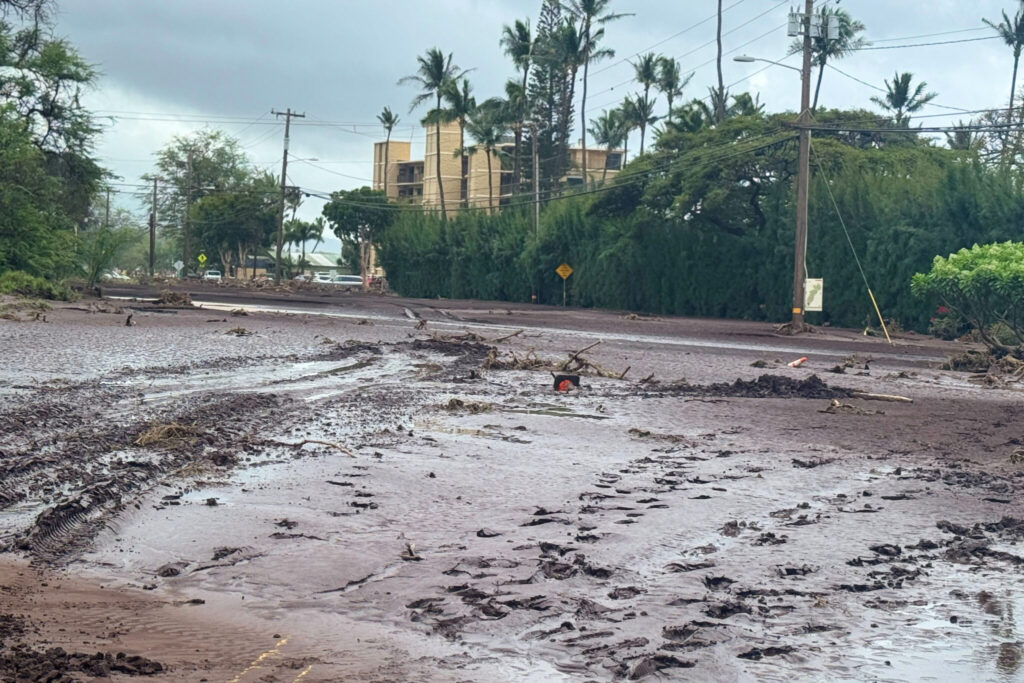
- Heavy rain in Hawaii triggers flooding and landslides.
- Colder temperatures expected across the East Coast after storms pass.
Deep Look: Snow, Wind Hit Eastern US, Midwest, Blocking Roads & Grounding 2,000 Flights
A sweeping and chaotic weather system stretching across the United States disrupted air travel, blocked roads, and threatened communities from the Midwest to the East Coast on Monday.
The storm system brought blizzards, damaging winds, and severe thunderstorms that placed more than 100 million people under some form of weather alert, according to forecasters.
The widespread disruptions forced airlines to cancel more than 2,000 flights nationwide, with thousands more delayed as weather conditions worsened across several major aviation hubs.
Airports in Washington, New York City, and Chicago experienced significant delays as powerful winds and heavy precipitation moved eastward across the country.
Storms Impact Travel and Government Operations
The severe weather also disrupted government activity in the U.S. capital. The United States House of Representatives postponed scheduled votes Monday because lawmakers faced difficulty traveling during the dangerous conditions.
Meteorologists say the widespread storm system reflects a seasonal transition period when winter and spring air masses collide.
“This is what happens in March and April,” said National Weather Service meteorologist Brian Hurley.
The clash between lingering cold northern air and warmer southern temperatures creates unstable atmospheric conditions capable of producing severe storms.
Threat of Damaging Winds and Tornadoes
As the storm moves toward the East Coast, forecasters warned of potentially dangerous weather across parts of the Southeast and Mid-Atlantic.
Meteorologists cautioned that the system could produce strong wind gusts, severe thunderstorms, and even tornadoes capable of traveling long distances.
Northern Illinois University meteorology professor Victor Gensini said wind posed the most immediate threat Monday.
“Today, it’s the wind that’s really the threat,” he said.
Weather forecasters identified a corridor stretching from Raleigh to Richmond and northward toward Washington as areas likely to see the strongest gusts.
In North Carolina, Governor Josh Stein urged residents to enable emergency alerts on their mobile phones as wind gusts potentially exceeding 70 mph (112 km/h) were forecast.
Blizzards Slam Midwest
Meanwhile, parts of the Upper Midwest experienced intense winter conditions.
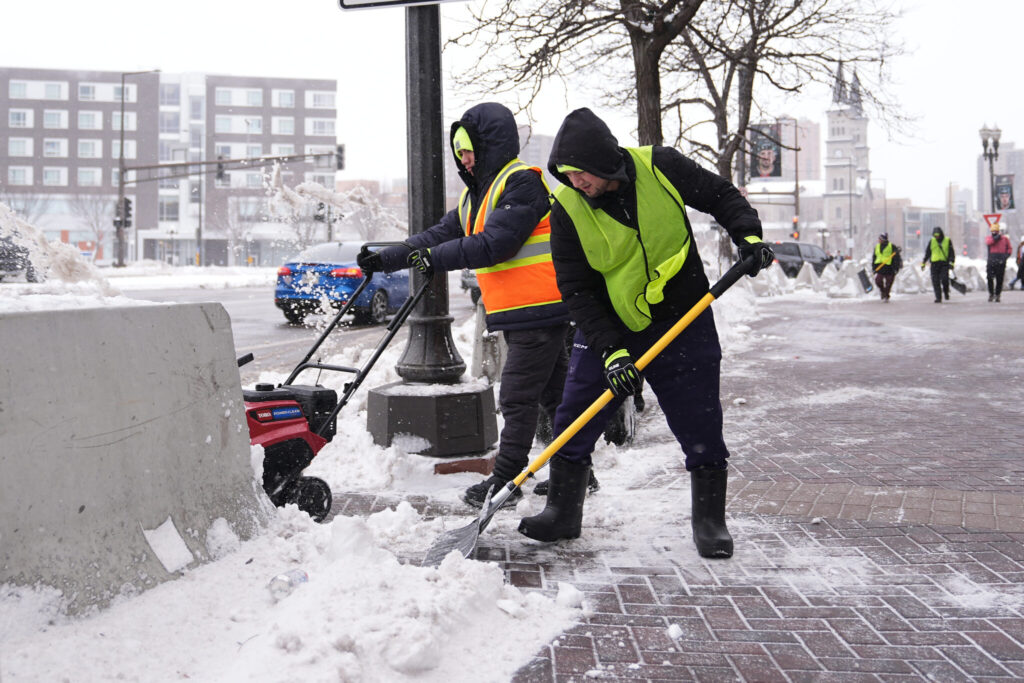
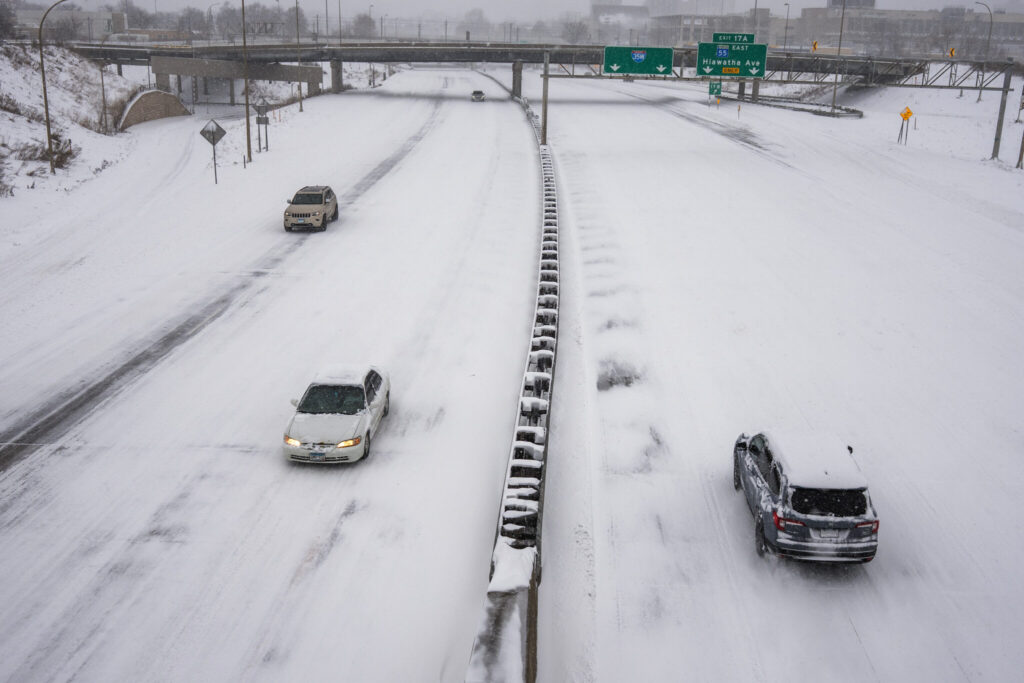
Blizzard conditions continued Monday across sections of Wisconsin, Michigan, and Minnesota, where snowfall totals reached as high as two feet (61 centimeters) in some areas.
Forecasters predicted additional snowfall ranging from 12 to 20 inches in parts of Michigan’s Upper Peninsula.
Schools closed in numerous communities across the region, including those in Milwaukee and Marquette, as dangerous road conditions and heavy snow made travel difficult.
Even areas expecting lighter snowfall totals, including Chicago and Milwaukee, were forecast to experience major commuting disruptions due to icy roads and strong winds.
Residents in the hardest-hit areas prepared to ride out the storm at home.
Jim Allen, a resident of Michigan’s Upper Peninsula, said his family stocked up on supplies ahead of the worst conditions.
“We’re basically prepared to just kind of hunker down for a few days if we need to,” he said.
Thousands of Flights Canceled Nationwide
The severe weather had an immediate impact on air travel across the country.
Flight tracking service FlightAware reported that more than 2,000 flights were canceled nationwide Monday, including hundreds at some of the country’s busiest airports.
More than 350 flights were canceled at Chicago O’Hare International Airport, while about 200 cancellations were reported at Hartsfield-Jackson Atlanta International Airport.
In addition, more than 2,500 flights were delayed nationwide early Monday.
Those disruptions followed a difficult travel day Sunday, when more than 3,200 flights were canceled as the storm system began moving across the country.
Flooding and Landslides in Hawaii
While much of the continental United States dealt with snow and wind, the storm system also triggered extreme rainfall in Hawaii.
Heavy rains over the weekend caused flooding and landslides across parts of Maui, where some areas received more than 20 inches of rain.
Maui County Mayor Richard Bissen said emergency crews responded to flooded homes and damaged farmland.
Local resident Jesse Wald, who recorded video showing sections of a coastal road collapsing into the ocean, said the rainfall was unprecedented during his two decades living on the island.
“In the 20 years I’ve been here, I’ve never seen this much rain,” he said.
Colder Weather Ahead
Forecasters say the storm will leave a blast of colder air in its wake as it moves off the East Coast.
By Tuesday morning, wind chills below freezing are expected to reach parts of the Gulf Coast and the Florida Panhandle.
Weather warnings remain in effect across large portions of the Southeast, including parts of Arkansas, Oklahoma, Louisiana, and Texas.
Meanwhile, forecasters say rain across the Mid-Atlantic could turn into snow behind the storm’s cold front, with heavy snowfall possible in parts of Appalachian Mountains, particularly in West Virginia.
Meteorologists say the rapidly shifting weather highlights the volatile nature of late-winter storms in the United States.