China Warns Trump Tariffs Could Damage Trade Relations/ Newslooks/ WASHINGTON/ J. Mansour/ Morning Edition/ China warned that new tariff actions by Donald Trump could undermine trade stability between China and the United States. The warning came after high-level economic talks in Paris aimed at stabilizing relations after a tariff war. Officials from both countries said they are working to prevent retaliation and maintain stable trade ties.
China Trump Tariffs Trade Warning Quick Looks
- China warns new U.S. tariff moves could harm trade relations.
- Concerns raised during high-level economic talks in Paris.
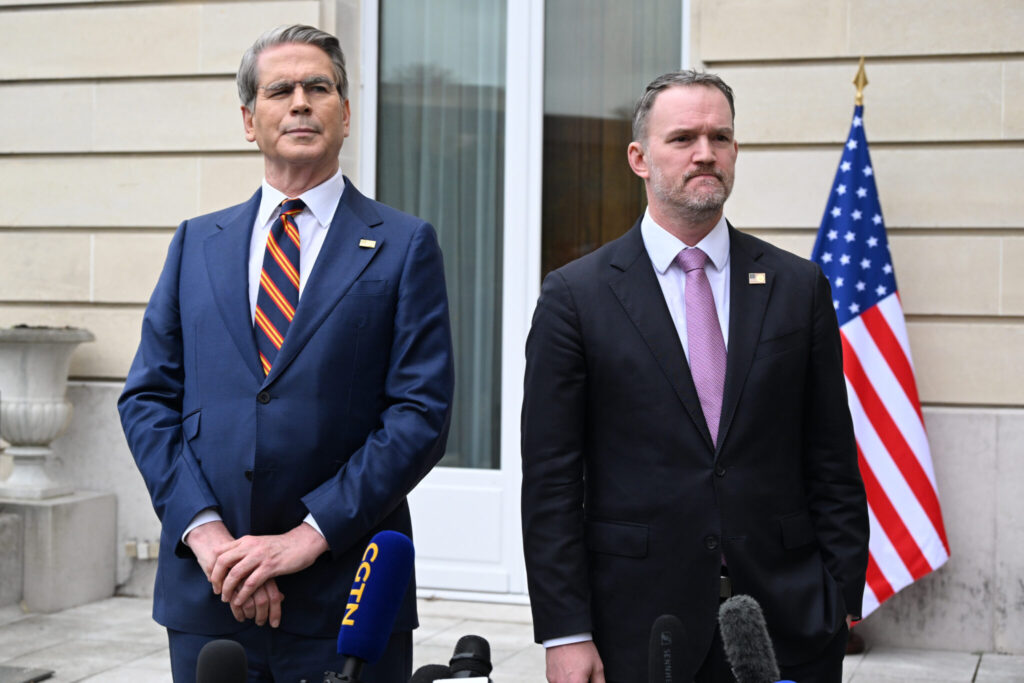
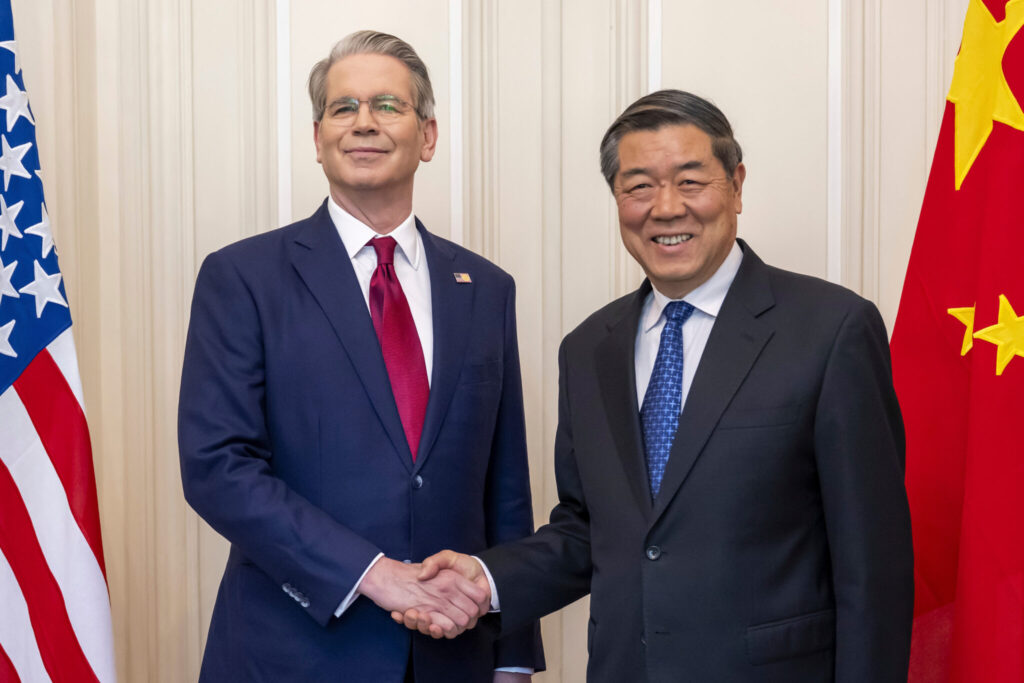
- Trade discussions led by Scott Bessent and Chinese officials.
- Beijing worries U.S. trade investigations may lead to new tariffs.
- Both sides aim to keep tariffs stable and avoid retaliation.
- Talks intended to prepare for potential Trump visit to China.
- Trade tensions previously escalated into a tariff war.
- Iran conflict adds new geopolitical pressure on U.S.–China relations.
Deep Look: China Warns Trump Tariffs Could Damage Trade Relations
China warned Monday that new tariff measures proposed by U.S. President Donald Trump could undermine economic ties between China and the United States, raising fresh concerns about the stability of one of the world’s most important trading relationships.
The warning came after senior officials from both countries concluded high-level economic discussions in Paris, where they sought to manage tensions following a previous tariff dispute between the two economic superpowers.
China Voices Concern Over U.S. Trade Investigations
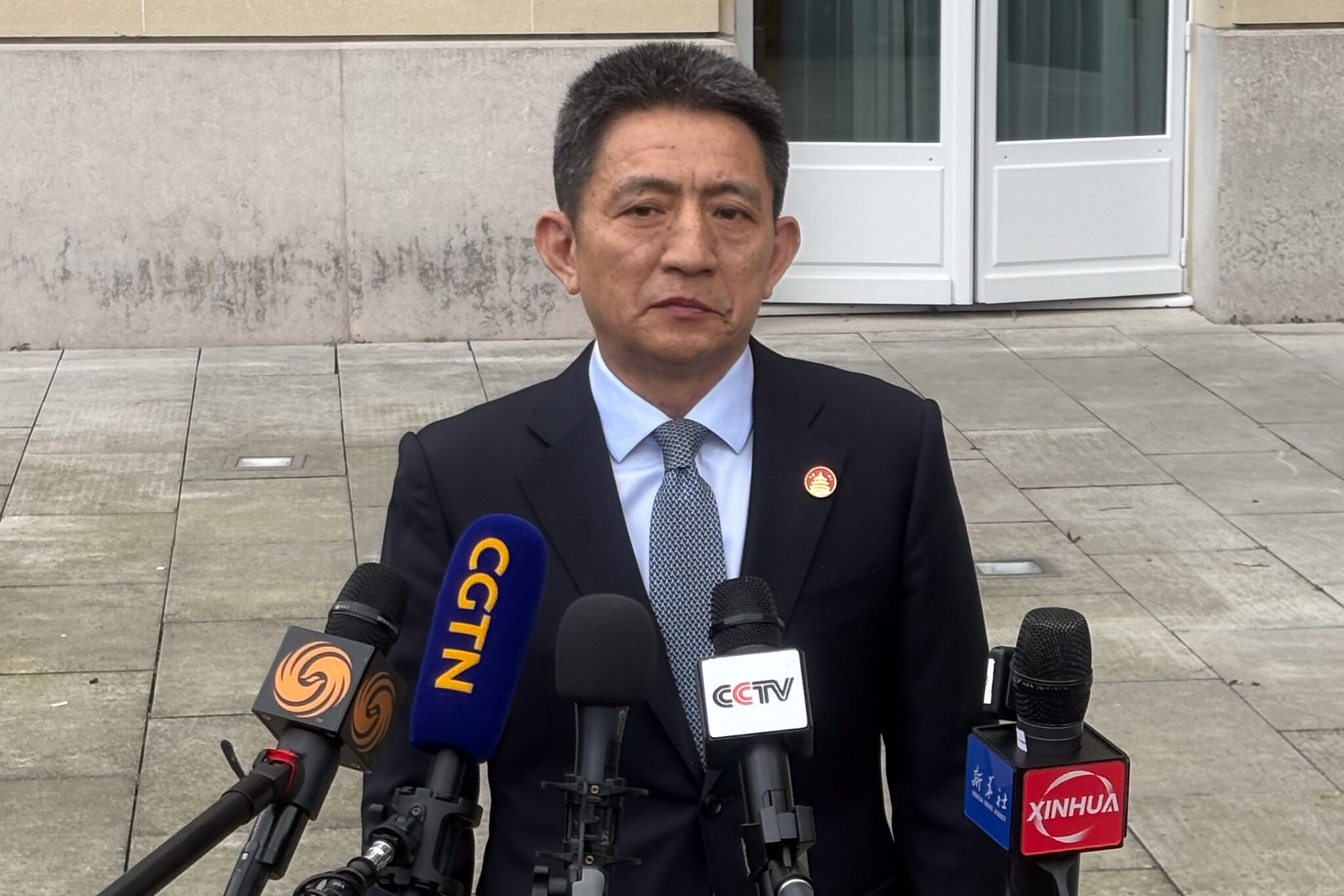
Speaking after the talks, China’s international trade representative Li Chenggang said Beijing had raised “serious concerns” about investigations launched by the Trump administration into manufacturing operations abroad.
The investigations were initiated after the Supreme Court of the United States struck down earlier tariffs imposed by the administration.
Chinese officials worry the new probes could eventually lead to additional tariffs or other trade restrictions.
“We are concerned that the possible results of such investigations may interfere with or damage the hard-won and stable China-U.S. economic and trade relations,” Li told journalists following the discussions.
Li added that negotiators discussed the possibility of both tariff and non-tariff measures being extended on either side if tensions escalate.
However, he said both countries agreed to try to maintain stability in their trade policies.
Talks Aimed at Preventing Escalation
The meetings in Paris were designed to ease tensions and prepare for a potential visit by Trump to China later this month.
Although the visit has not yet been finalized, it would mark the first time Trump travels to China since his earlier presidency, when he visited Beijing in 2017.
Trump also met Chinese President Xi Jinping just five months ago during a summit in Busan.
Despite lingering tensions, both governments have attempted to stabilize relations following a damaging tariff war that saw import duties between the two countries surge to triple-digit levels before a temporary truce was reached.
U.S. Officials Emphasize Stability
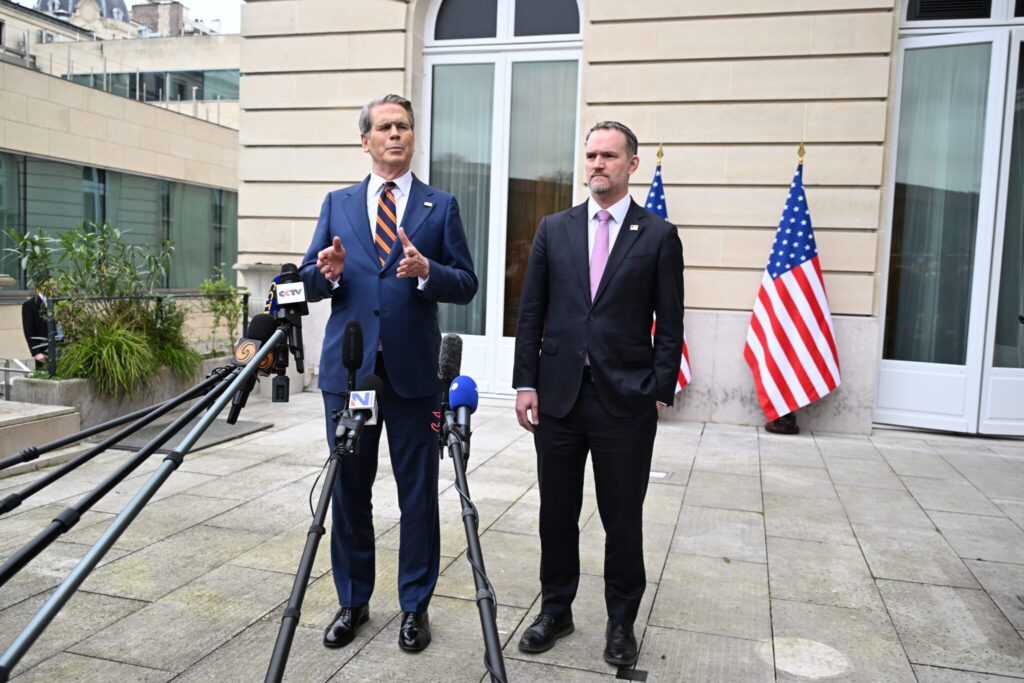
U.S. Treasury Secretary Scott Bessent, who led the American delegation at the Paris talks, described the discussions as productive.
“The talks were constructive and they show the stability in the relationship,” Bessent said.
He emphasized that the primary goal of the negotiations was to prevent retaliation that could spark another escalation in trade restrictions.
“The purpose of these meetings is to prevent any retaliation,” he added.
Trade Strategy Under Review
The Trump administration is currently reviewing its trade tools following the Supreme Court ruling that struck down earlier tariff measures.
U.S. Trade Representative Jamieson Greer said the administration briefed Chinese officials about its evolving trade strategy.
“We started these talks by giving them a preview of what we’re doing on U.S. trade policy as we adjust to the Supreme Court,” Greer explained.
He stressed that while the administration’s trade goals remain unchanged, the methods used to pursue those policies could evolve.
“The president’s trade policy hasn’t changed. Our tools may change,” Greer said.
Iran Conflict Adds Complications
The ongoing conflict involving Iran has added a new layer of complexity to U.S.-China relations.
The war has disrupted global energy markets and heightened diplomatic tensions worldwide, including around the strategically important Strait of Hormuz.
Trump has suggested that China could play a role in helping stabilize shipping routes through the strait, which carries about one-fifth of global oil supplies.
At the same time, the president has hinted that his trip to China could be postponed as the United States focuses on the conflict.
Trip Delay Not Meant as Pressure
Despite those comments, Bessent said any delay to the planned China visit would not be intended as leverage to force Beijing into assisting with reopening the Strait of Hormuz.
“If the president’s visit is postponed, it would have nothing to do with the Chinese making a commitment to the strait,” he said.
Bessent explained that Trump might decide to remain in Washington while the war continues because of his role as commander in chief.
“The postponement, if it happens, would be because the president believes he should stay in the United States while this war is being prosecuted,” Bessent said.
Preparing for Potential Trump–Xi Summit
Officials from both sides said the Paris talks also laid the groundwork for a possible summit between Trump and Xi.
Greer said negotiators discussed the framework for a potential meeting that could produce concrete economic agreements.
The discussions outlined what he described as “the general terms of a work plan” for the leaders’ talks.
Although uncertainties remain, both Washington and Beijing appear eager to prevent a renewed trade conflict while maintaining dialogue during a period of growing global instability.