US Wholesale Prices Surge 4% as Iran War Drives Energy Costs/ Newslooks/ WASHINGTON/ J. Mansour/ Morning Edition/ U.S. wholesale prices surged 4% over the past year as the Iran war drove energy costs sharply higher. The Labor Department reported a significant increase in producer prices, complicating Federal Reserve inflation decisions. Rising oil costs and supply disruptions are expected to continue influencing inflation and economic growth.
US Wholesale Prices Quick Looks
- Producer prices rose 0.5% monthly
- Annual wholesale inflation reached 4%
- Energy prices jumped 8.5% in March
- Core wholesale inflation rose modestly
- Food prices declined 0.3% last month
- Gasoline prices pushed consumer inflation higher
- Fed faces pressure over interest rate decisions
- Oil demand forecast cut due to Iran war
- Strait of Hormuz disruptions impacting supply
- Inflation concerns grow ahead of midterm elections
Deep Look: US Wholesale Prices Surge 4% as Iran War Drives Energy Costs
U.S. wholesale prices surged last month as rising energy costs fueled by the ongoing conflict in Iran pushed inflation higher, according to new data released Tuesday by the Labor Department.
The department reported that its producer price index (PPI), a key measure of inflation before it reaches consumers, increased 0.5% in March compared to February. Over the past year, wholesale prices climbed 4%, marking the largest annual increase in more than three years.
The biggest driver of the increase was energy, with prices rising 8.5% in March alone. The spike reflects disruptions in global oil markets following attacks on energy infrastructure and reduced shipping through critical supply routes.
Core Inflation Remains Moderate
Despite the sharp increase in energy costs, core wholesale inflation — which excludes volatile food and energy categories — remained relatively moderate. Core producer prices rose 0.1% from February and 3.8% from a year earlier.
The overall increase in wholesale prices was slightly smaller than economists had predicted, offering some reassurance that inflation pressures, while significant, may not be accelerating as quickly as feared.
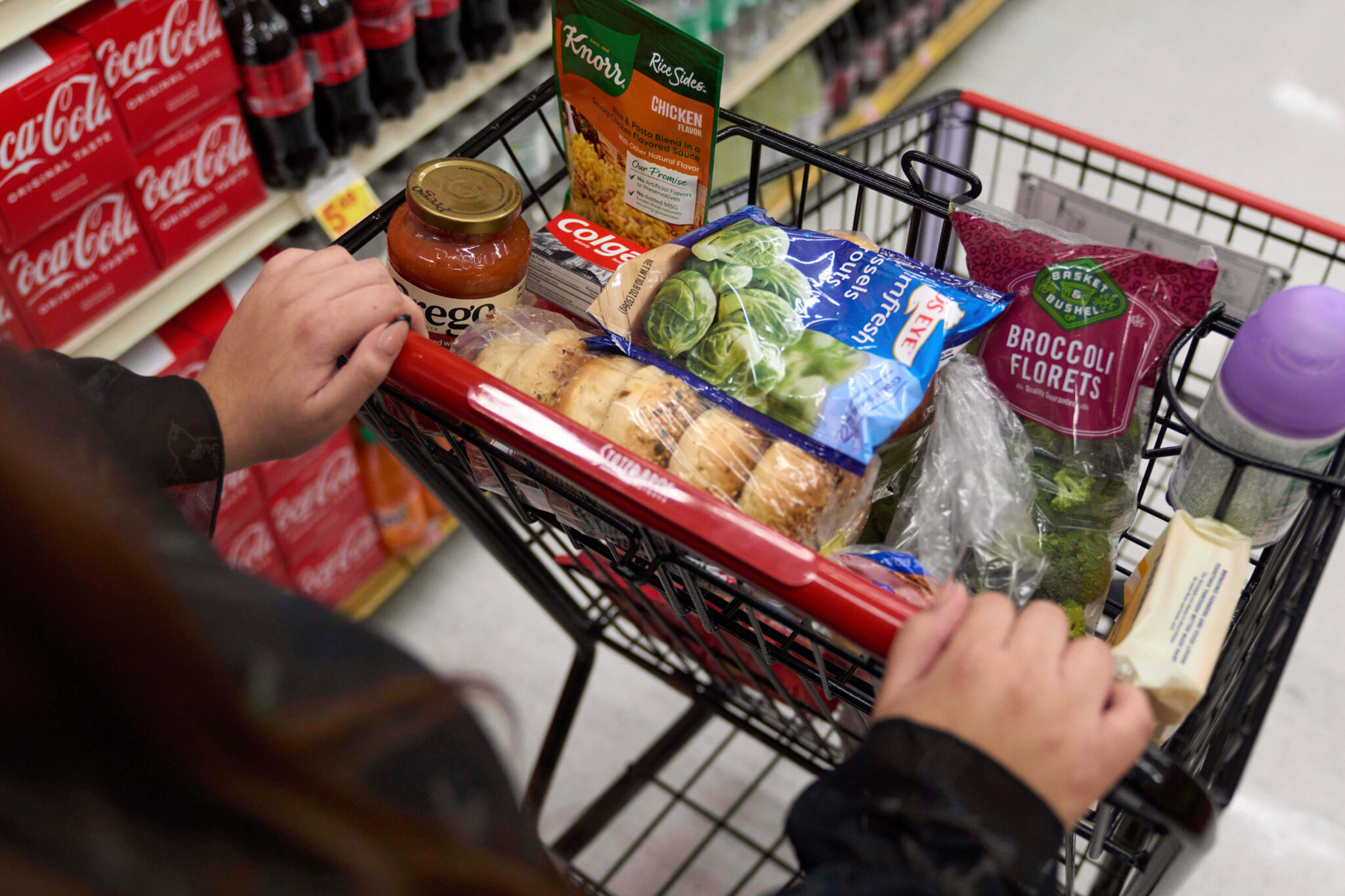
Food prices provided some relief, falling 0.3% in March after jumping 2.4% in February. Economists noted that declining food costs could help offset some of the pressure consumers face from higher fuel prices.
Federal Reserve Faces Difficult Choices
The surge in wholesale prices complicates decision-making for Federal Reserve policymakers. The central bank has faced increasing pressure from President Donald Trump to lower interest rates to stimulate economic growth.
However, some Fed officials are now considering raising interest rates instead, given the risk that higher energy costs could drive broader inflation across the economy.
Wholesale prices are closely monitored because they often signal future consumer inflation trends. Components of the producer price index, including healthcare and financial services costs, also influence the Federal Reserve’s preferred inflation measure, the personal consumption expenditures (PCE) index.
Economists say the latest data supports the Federal Reserve’s recent shift toward focusing more heavily on inflation risks.
Carl Weinberg, chief economist at High Frequency Economics, said the drop in food prices was welcome but warned that rising energy costs remain a concern.
“The decline in food prices is overdue, and welcome news for everyone,” Weinberg said, noting that food costs often play a major role in public perceptions of inflation.
Consumer Prices Already Rising
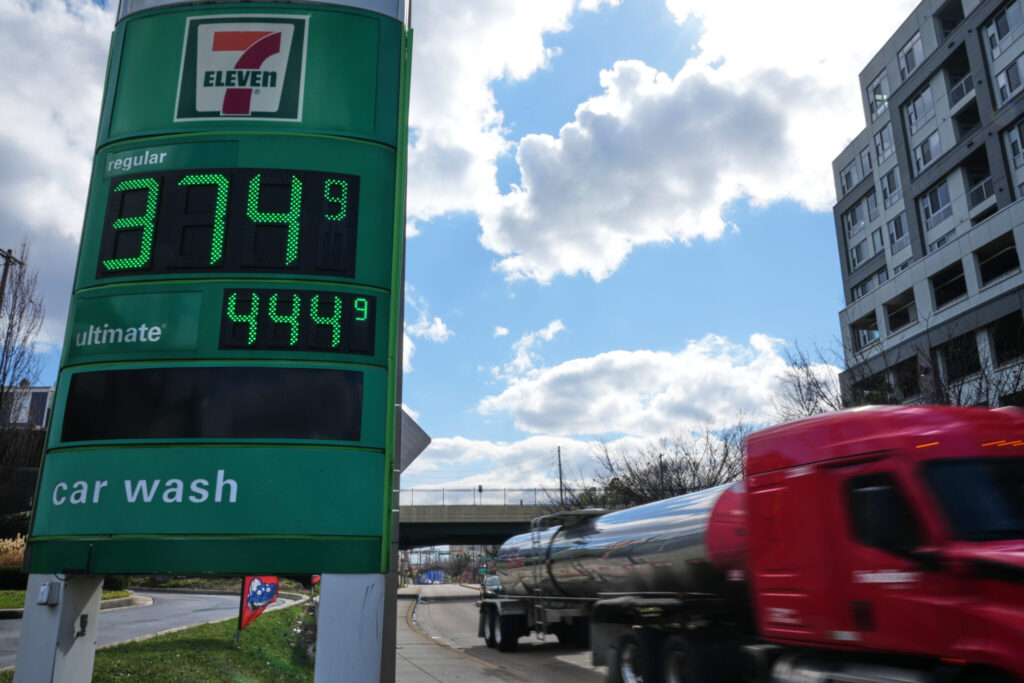
The wholesale price surge follows last week’s report showing consumer inflation also accelerating. Rising gasoline prices pushed consumer prices up 3.3% compared to a year earlier, the largest annual increase since May 2024.
On a monthly basis, consumer prices jumped 0.9% from February to March, the biggest increase in nearly four years. The increases highlight how higher energy costs are filtering through the broader economy.
Oil Demand Forecast Slashed
The ongoing conflict in Iran is also affecting global energy demand. The International Energy Agency (IEA) reported that oil demand is now expected to decline this year — the first annual drop since the COVID-19 pandemic.
The agency forecasts oil demand will decrease by about 80,000 barrels per day, a sharp reversal from earlier expectations of an 850,000-barrel-per-day increase.
The March decline was particularly severe due to attacks on energy infrastructure and disruptions in the Strait of Hormuz, one of the world’s most critical oil shipping routes.
The IEA expects demand to fall by 1.5 million barrels per day in the current quarter, reflecting slowing economic activity and rising fuel costs.
Global Impact Spreading
Initially, the biggest declines in oil demand were seen in the Middle East and Asia-Pacific regions. However, economists expect reduced demand to spread globally as higher prices and limited supply affect more economies.
Rising energy costs often ripple through transportation, manufacturing, and food production sectors, increasing overall inflation pressure.
With geopolitical tensions continuing and oil markets volatile, economists say inflation risks remain elevated. The Federal Reserve’s next moves on interest rates could play a critical role in shaping the economic outlook.
As inflation concerns grow and energy markets remain unstable, policymakers, businesses, and consumers are closely watching developments tied to the Iran conflict and global oil supply disruptions.