Trump Says War with Iran ‘CLOSE TO OVER,’ US Blockade of Iran Ports Tightens/ Newslooks/ WASHINGTON/ J. Mansour/ Morning Edition/ In an interview that aired Wednesday, Trump said the war in Iran was “very close to over.” The U.S. says its blockade of Iranian ports is fully enforced. Trump claims the war is nearing an end and China won’t arm Iran. Iran warns it could disrupt global trade routes if pressure continues.
US Blockade Iran Ports War Quick Looks
- U.S. military claims “maritime superiority” over Iranian waters
- Blockade of Iranian ports implemented within 36 hours
- Trump says war is “very close to over”
- China denies providing weapons to Iran despite U.S. concerns
- Iran signals willingness to discuss uranium enrichment limits
- Ceasefire talks ongoing but no formal extension agreement yet
- Iran threatens to block key global shipping routes
- U.K. refuses U.S. pressure to join the conflict
Deep Look: Trump Says War with Iran ‘CLOSE TO OVER,’ US Blockade of Iran Ports Tightens
U.S. President Donald Trump on Wednesday claimed that China has agreed not to provide weapons to Iran as reports circulate that Beijing has considered transferring arms. China’s Foreign Ministry has repeatedly denied in recent days that the country is providing any form of military support to Iran.
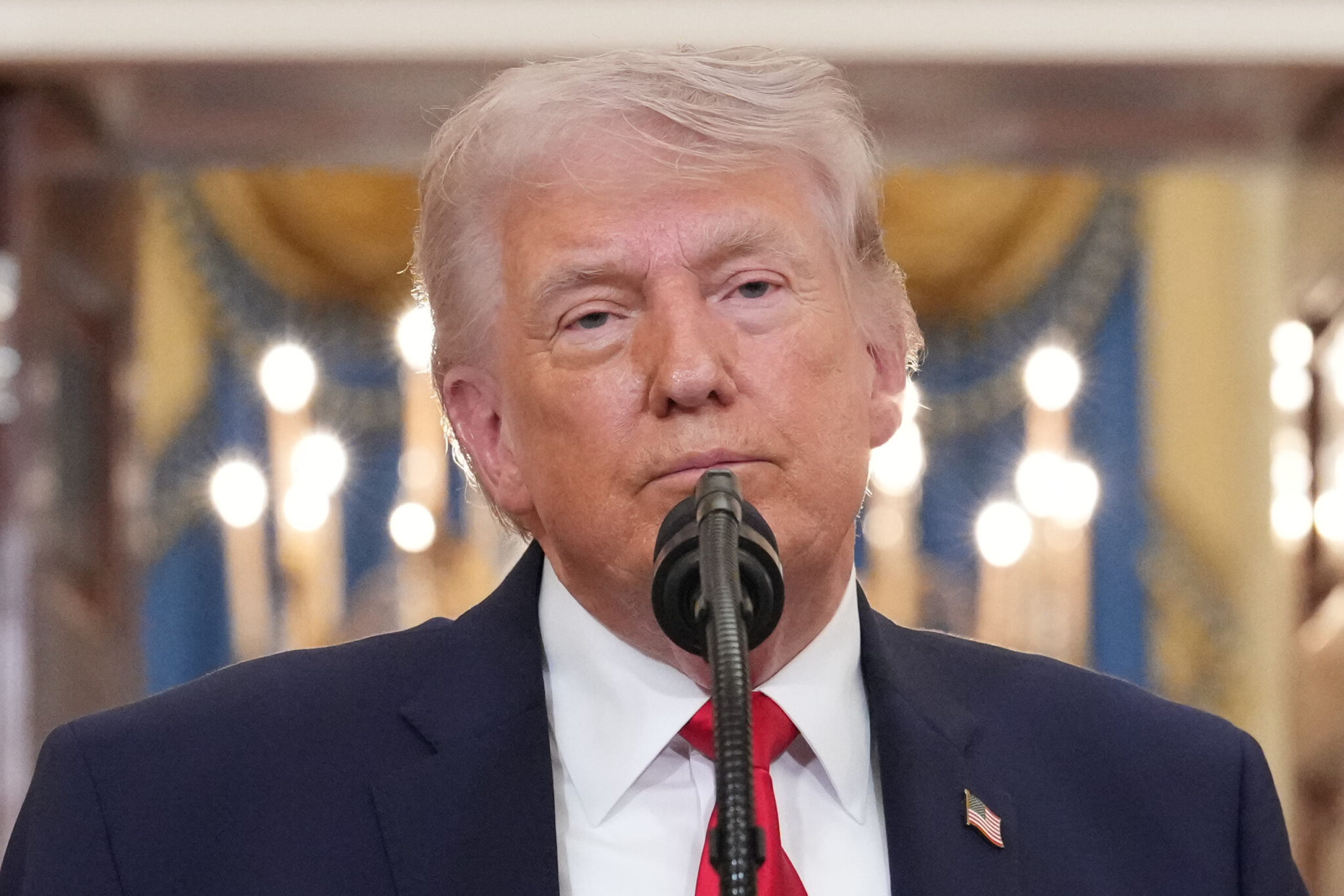
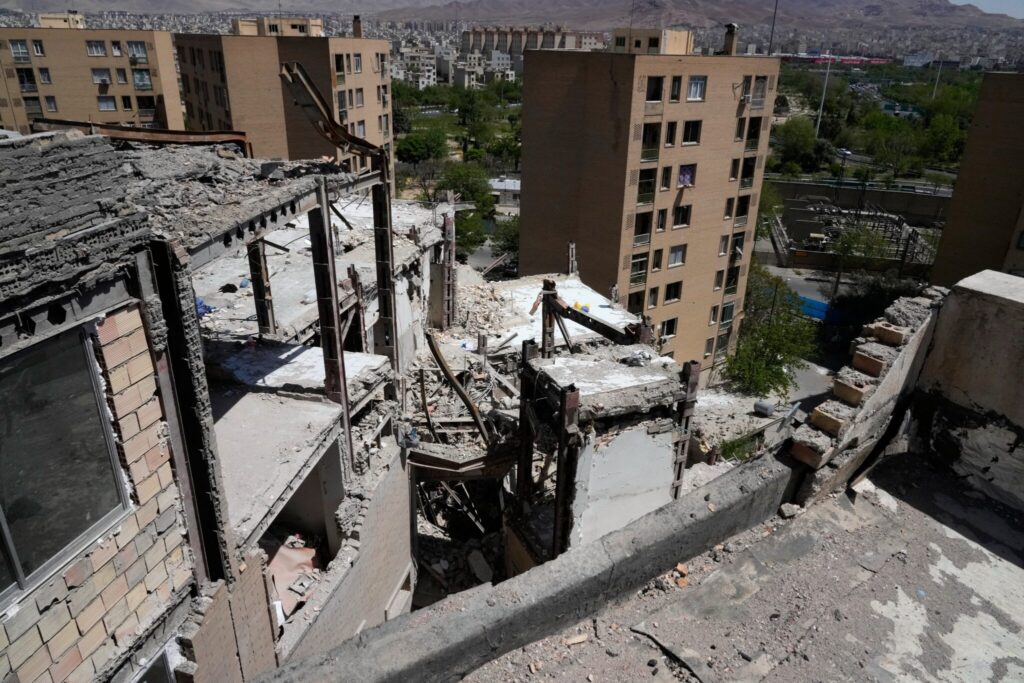
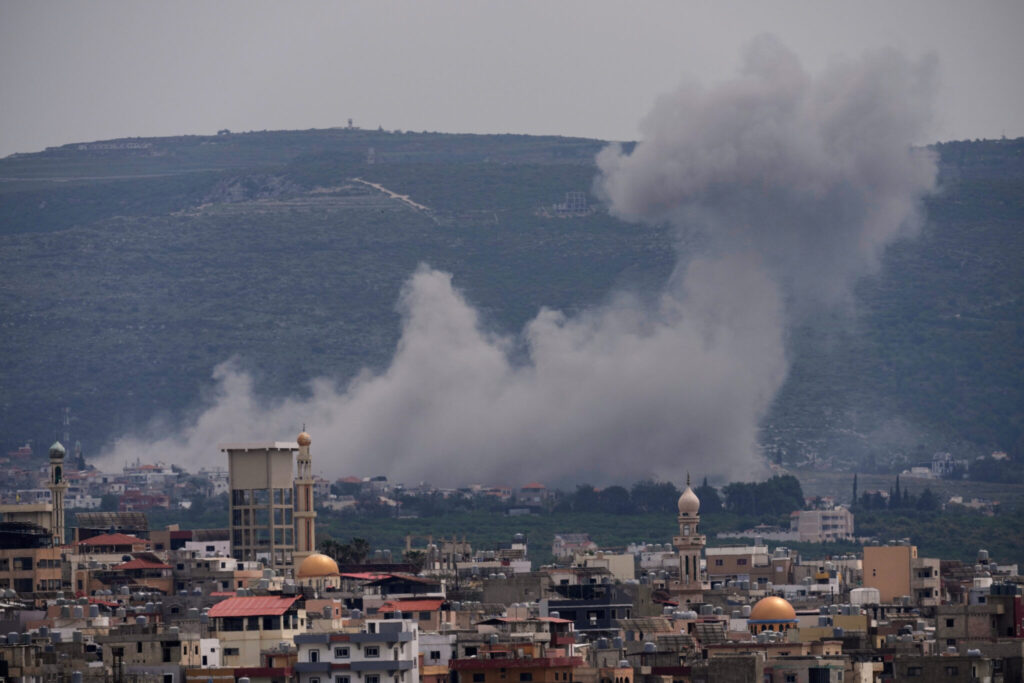
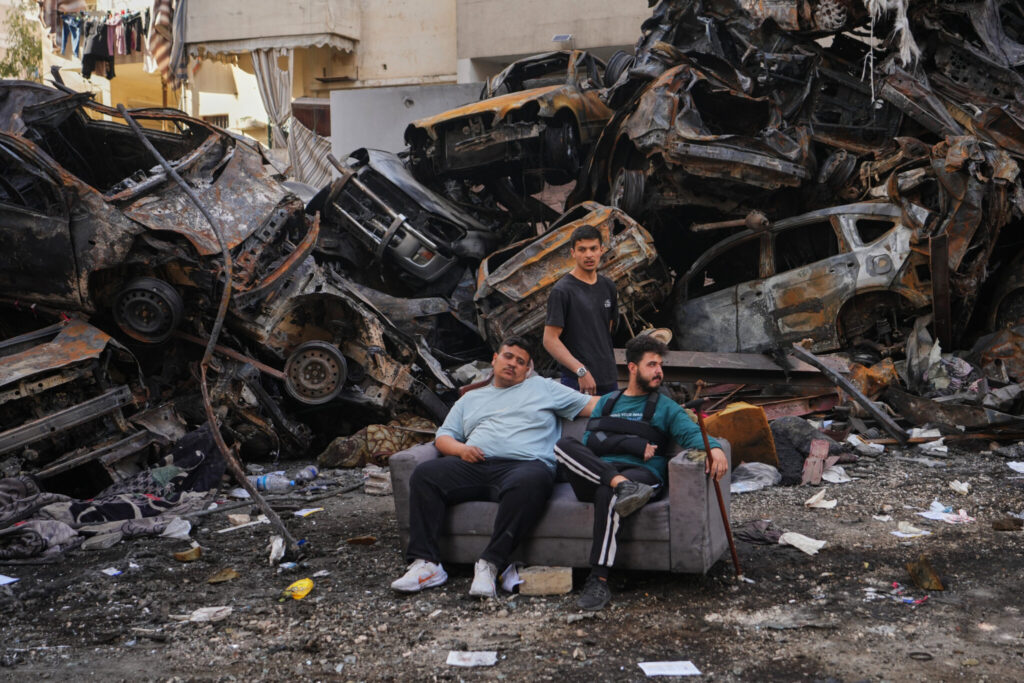
In an interview that aired Wednesday, Trump said the war in Iran was “very close to over.” He has declared a U.S. victory repeatedly since mere days after the war started — even as the reality on the ground has been far more complicated.
U.S. Central Command said it has achieved “maritime superiority” and that the blockade on Iranian ports had been “fully implemented” within 36 hours of its launch, according to a statement on social media late Monday.
Mediators’ efforts to extend a ceasefire between the United States and Iran have made progress as the warring sides are expected to return to the negotiations table, regional officials said. Mediators aim to extend the ceasefire, which is due to expire on April 22, for at least another two weeks to allow diplomacy another chance.
The United States has intensified its military and strategic pressure on Iran, announcing that a sweeping naval blockade of Iranian ports has been fully implemented, while President Donald Trump insists the conflict is nearing its conclusion.
According to U.S. Central Command, American forces achieved “maritime superiority” in the region and enforced the blockade within just 36 hours of its launch. The move effectively restricts vessels from entering or leaving Iranian ports, marking a significant escalation in efforts to weaken Iran’s economic and military capabilities.
At the same time, diplomatic efforts are underway to prevent further escalation. Regional mediators are working to extend a fragile ceasefire between the United States and Iran, which is set to expire on April 22. Officials familiar with the negotiations say there is cautious optimism that the truce could be extended for at least two more weeks to allow additional time for talks.
However, a senior U.S. official noted that no formal agreement has yet been reached, emphasizing that discussions with Iran remain ongoing and sensitive.
Iran has signaled some openness to negotiation, particularly regarding its nuclear program. Foreign Ministry spokesperson Esmail Baghaei stated that Tehran is willing to discuss the scope and level of uranium enrichment. Nevertheless, he stressed that Iran must retain its ability to enrich uranium to meet its national needs, underscoring a key sticking point in any potential agreement.
Meanwhile, tensions have risen over the possibility of foreign involvement in the conflict. Trump claimed that China has agreed not to supply weapons to Iran, asserting that Beijing is supportive of efforts to keep key shipping routes open, particularly the strategically vital Strait of Hormuz. According to Trump, Chinese President Xi Jinping denied any military assistance to Iran in direct correspondence.
China, however, has repeatedly rejected accusations that it is aiding Iran militarily. Officials from Beijing’s Foreign Ministry have maintained that the country is not providing weapons or support for the ongoing conflict, even as U.S. officials continue to express concerns about China’s historical ties to Iran’s missile development programs.
On the ground, Iran has issued stark warnings in response to the U.S. blockade. A senior Iranian military commander stated that Tehran could shut down major trade routes across the Persian Gulf, the Sea of Oman, and the Red Sea if the blockade remains in place. Such a move would have far-reaching consequences for global commerce, particularly energy markets, as these waterways are critical for oil shipments.
Iran has already demonstrated its ability to disrupt maritime traffic by effectively closing the Strait of Hormuz earlier in the conflict following joint U.S. and Israeli strikes. The current U.S. blockade, however, specifically targets Iranian port access while allowing other international vessels to continue navigating the region.
The situation has also created tensions among U.S. allies. British Prime Minister Keir Starmer has firmly rejected pressure from Trump to join the conflict. Despite warnings from Trump that trade relations could suffer, Starmer has maintained that participating in the war is not in the United Kingdom’s national interest.
“I’m not going to change my mind,” Starmer said, reinforcing his government’s decision to remain on the sidelines.
Economic concerns are also central to the unfolding crisis. Trump has suggested that oil prices, currently elevated, will drop significantly once the conflict ends. He predicted that gasoline prices in the United States—now averaging above $4 per gallon—would fall sharply in the coming months, particularly ahead of congressional elections.
The president acknowledged being satisfied with oil prices around $92 per barrel but expressed confidence that they would decline “very big” once stability is restored.
Still, analysts warn that the situation remains volatile. Iran’s threats to block key shipping lanes, combined with uncertainty over the ceasefire and ongoing geopolitical tensions, could continue to drive fluctuations in global energy markets.
As diplomatic and military strategies unfold simultaneously, the coming weeks will be critical in determining whether the conflict de-escalates or intensifies further. While Trump projects confidence in a swift resolution, the interplay of international actors, economic pressures, and regional security risks suggests that the path to peace remains uncertain.