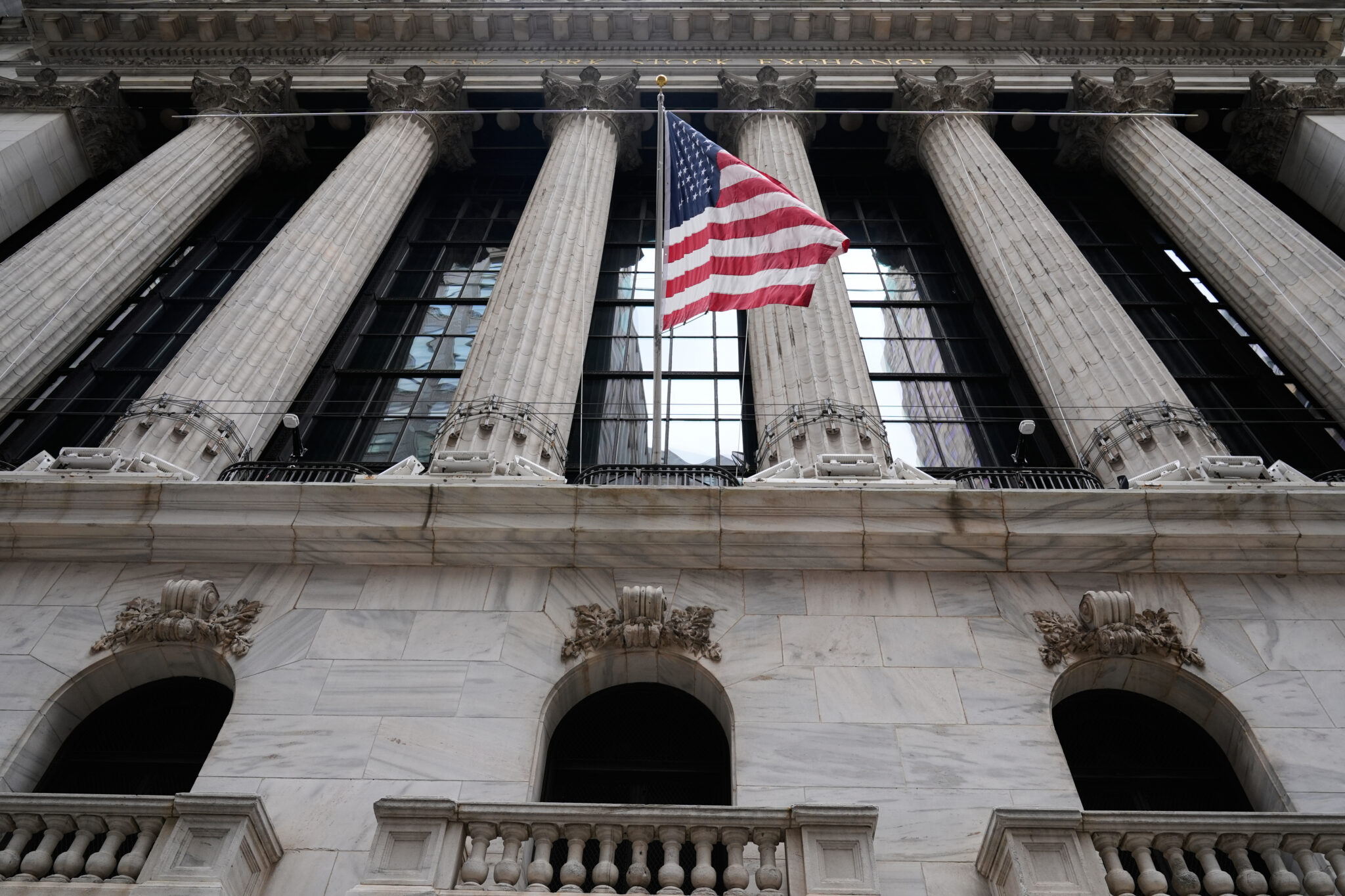
Wall Street Holds Steady Despite Rising Oil Prices/ Newslooks/ WASHINGTON/ J. Mansour/ Morning Edition/ Oil prices climbed Monday after fresh U.S.-Iran tensions disrupted shipping through the Strait of Hormuz, but U.S. stocks remained close to record highs. The S&P 500 slipped only slightly while investors balanced geopolitical risks with strong corporate earnings and hopes for renewed diplomacy. Higher fuel costs pressured airlines and cruise companies, while strong bank profits helped support broader market confidence.

Oil Prices Rise as US Stocks Stay Near Records Quick Looks
- Brent crude rose 3.5% to $93.51 per barrel
- The S&P 500 slipped just 0.1% from its all-time high
- The Dow Jones Industrial Average remained nearly flat
- The Nasdaq composite fell 0.2% in early Monday trading
- Iran closed the Strait of Hormuz again after reopening hopes faded
- Cruise lines and airlines led losses due to rising fuel costs
- Strong corporate earnings continue supporting investor confidence
- A U.S.-Iran ceasefire deadline arrives Tuesday night
Deep Look
Oil Prices Climb Again After Fresh U.S.-Iran Escalation
Wall Street opened Monday with cautious movement as oil prices rose following renewed military tensions between the United States and Iran, while U.S. stocks remained surprisingly close to record highs.
The market reaction followed the weekend seizure of an Iranian-flagged cargo vessel by U.S. forces after Washington said the ship had attempted to bypass its naval blockade of Iranian ports.
That incident reignited concerns that Iran could further restrict oil exports through the Strait of Hormuz, one of the world’s most important energy shipping routes.
The S&P 500 slipped just 0.1% from its all-time high, showing only a minor retreat from its recent record-breaking rally.
The Dow Jones Industrial Average was up just 2 points, or less than 0.1%, while the Nasdaq composite dipped 0.2%.
Despite the geopolitical risks, investors appeared far less alarmed than during earlier stages of the war.
Brent Crude Rises as Hormuz Concerns Return
The price of Brent crude oil, the global benchmark for international energy markets, climbed 3.5% to $93.51 per barrel.
The increase reflected investor concerns that Iran may continue blocking tanker traffic from leaving the Persian Gulf if tensions worsen.
The Strait of Hormuz carries roughly one-fifth of the world’s total oil supply, making disruptions there highly sensitive for global markets.
Just days earlier, optimism had briefly returned after Iran announced it would reopen the strait to commercial shipping.
That optimism sent stocks soaring and crude prices tumbling on Friday.
However, that relief disappeared quickly after Iran reversed course Saturday and shut the waterway again following the U.S. decision to maintain its blockade of Iranian ports.
The latest military developments have once again placed global energy markets on edge.
Still, oil prices remain below the highest levels seen since the conflict began.
At the height of the panic, Brent crude briefly surged above $119 per barrel before retreating.
Ceasefire Deadline Becomes Market’s Next Major Test
Investors are now focused on the next major deadline: Tuesday night at 8 p.m. Eastern time, which is early Wednesday in Tehran, when the temporary ceasefire agreement between the United States and Iran is scheduled to expire.
Markets are watching closely to see whether diplomacy can prevent another round of escalation.
The relatively modest moves in both oil and equities suggest many investors still believe a U.S.-Iran agreement remains possible.
Such a deal could restore oil flows from the Middle East and ease pressure on global fuel supplies.
It would also serve both countries economically, as prolonged conflict continues to raise costs across the region and beyond.
This cautious optimism is one reason stocks have remained resilient despite weeks of military instability.
Airlines and Cruise Companies Feel Pressure
Rising oil prices hit transportation-heavy companies hardest on Monday, especially those with major fuel expenses.
Cruise operators and airlines were among the biggest losers on Wall Street.
Norwegian Cruise Line Holdings dropped 5.4%, while Carnival Corporation & plc lost 1.5%.
Among airlines, United Airlines slipped 1.6%, and American Airlines fell 4.4%.
American’s decline also followed company comments saying it had no interest in a merger with United.
That statement reversed excitement from the previous week, when airline stocks had climbed after reports suggested United was considering a combination with its rival.
Higher fuel costs and strategic uncertainty now continue weighing heavily on the travel sector.
Strong Corporate Earnings Keep Investors Confident
One major reason U.S. stocks continue holding near records is the strong earnings performance from major American companies during the first quarter of 2026.
Large U.S. banks including JPMorgan Chase and Bank of America reported stronger profits than analysts expected and said the U.S. economy remains resilient.
Executives pointed especially to strong consumer spending as a sign that economic growth remains stable despite geopolitical uncertainty.
Morgan Stanley strategists led by Michael Wilson noted that earnings recovery has remained strong even during the conflict.
“Despite geopolitical risks, the earnings recovery remains intact,” they said.
In fact, analysts have raised profit expectations for spring 2026 since the war began.
According to FactSet, about 10% of companies in the S&P 500 have already reported quarterly results, and nearly nine out of ten have posted profits above expectations.
If the rest of the companies simply meet forecasts, overall earnings per share for S&P 500 firms would be 13% higher than a year earlier.
Since stock prices tend to follow corporate profits over time, these earnings reports continue giving investors reason to stay optimistic.
Major reports still ahead this week include UnitedHealth Group on Tuesday, Tesla on Wednesday, and Procter & Gamble on Friday.
TopBuild Jumps on Massive Acquisition Deal
One of the biggest winners on Wall Street Monday was TopBuild, which surged 16.3% after announcing a major acquisition deal.
QXO said it would buy TopBuild in a transaction valued at approximately $17 billion.
The deal would make QXO the second-largest publicly traded building products distributor in North America.
Despite the strategic importance of the acquisition, QXO shares fell 7.9% as investors weighed the financial scale of the purchase.
The sharp contrast highlighted how merger announcements can create very different reactions depending on investor expectations.
Global Markets Mixed as Investors Watch Next Moves
Outside the United States, stock markets showed mixed results.
European indexes moved lower, while Asian markets finished stronger.
Germany’s DAX dropped 1%, marking one of the sharper declines among major European indexes.
Meanwhile, Hong Kong’s Hang Seng rose 0.8%, one of the strongest performances in Asia.
As investors worldwide await developments in the Middle East and key corporate earnings this week, markets remain sensitive to both geopolitical headlines and business fundamentals.
For now, Wall Street appears willing to absorb rising oil prices—as long as hopes for diplomacy and strong profits remain alive.