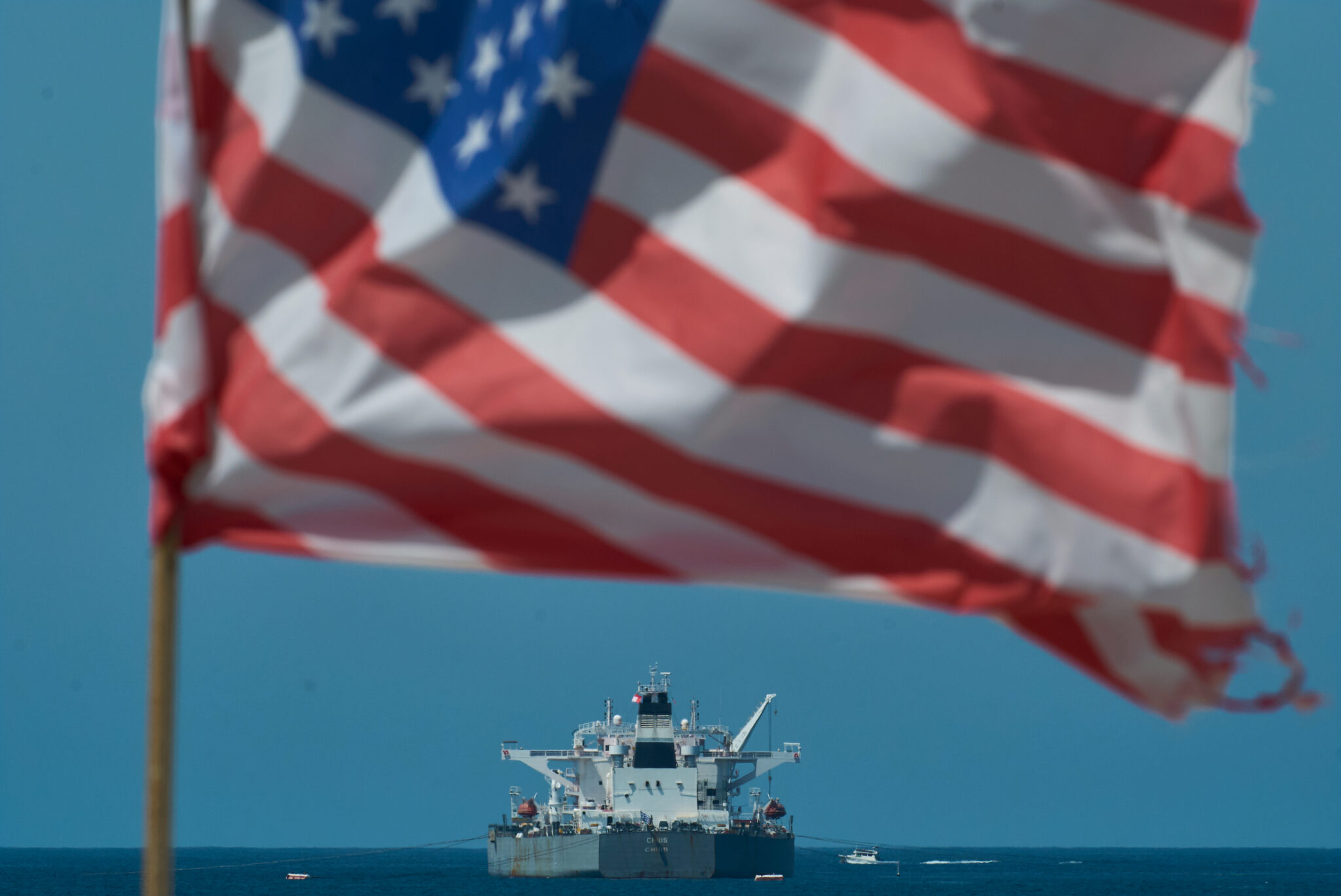
Oil Prices Rise After US-Iran Strait of Hormuz Standoff/ Newslooks/ WASHINGTON/ J. Mansour/ Morning Edition/ Oil prices surged Sunday after tensions between the United States and Iran disrupted tanker traffic through the Strait of Hormuz, a key global energy route. Iran reversed its decision to reopen the strait after President Donald Trump maintained a naval blockade and ordered the seizure of an Iranian-flagged cargo ship. The renewed uncertainty has deepened fears of a prolonged global energy crisis, with gasoline prices and supply concerns growing worldwide.
Oil Prices Rise After US-Iran Hormuz Standoff Quick Looks
- U.S. crude oil rose 6.4% to $87.90 per barrel
- Brent crude climbed 5.8% to $95.64 per barrel
- Iran reversed its reopening of the Strait of Hormuz
- President Donald Trump said the U.S. seized an Iranian-flagged cargo ship
- Iran vowed retaliation and warned of further restrictions
- Nearly one-fifth of global oil trade passes through the strait
- U.S. gasoline prices remain significantly above pre-war levels
- Analysts warn energy disruptions could last for months
Deep Look
Oil Prices Surge as Strait of Hormuz Crisis Intensifies
Global oil prices climbed sharply after renewed military tensions between the United States and Iran once again disrupted tanker movement through the Strait of Hormuz, one of the world’s most critical shipping lanes for energy supplies.
The increase came after a volatile weekend of shifting expectations surrounding the strategic waterway, where commercial shipping had briefly appeared ready to resume before military escalation shut that hope down.
An hour after trading reopened on the Chicago Mercantile Exchange, U.S. crude oil jumped 6.4% to $87.90 per barrel. Brent crude, the international benchmark, rose 5.8% to $95.64 per barrel.
The gains reversed much of Friday’s sharp decline, when crude prices had dropped more than 9% after Iran announced plans to fully reopen the Strait of Hormuz to commercial traffic.
That optimism proved short-lived.
Iran Reverses Course After U.S. Naval Pressure
Tehran reversed its decision Saturday after President Donald Trump declared that the U.S. Navy blockade of Iranian ports would remain in place despite the temporary ceasefire.
Iran responded by firing on several vessels attempting to move through the strait, signaling that access to the waterway would remain tightly restricted.
On Sunday, Trump announced that U.S. forces had attacked and seized an Iranian-flagged cargo ship that allegedly tried to bypass the blockade.
The move escalated tensions dramatically and prompted Iran’s joint military command to promise a swift response.
The Strait of Hormuz connects the Persian Gulf to global shipping lanes and handles nearly one-fifth of the world’s total oil trade, making even short disruptions highly significant for global markets.
Sunday’s price surge reflected growing doubts that normal tanker traffic would return anytime soon.
Traders and analysts now fear that the region may remain unstable well beyond the expiration of the current ceasefire.
Global Energy Crisis Deepens in Eighth Week of War
The U.S.-Israeli war against Iran has now entered its eighth week and has triggered what many analysts describe as one of the most serious global energy crises in decades.
Countries across Asia and Europe that rely heavily on Gulf oil imports have been among the hardest hit by halted shipments and production slowdowns.
However, the effects are spreading worldwide.
Higher oil prices are rapidly increasing the cost of gasoline, diesel, jet fuel, and industrial transportation, creating added pressure for businesses and consumers across global markets.
Before the war began on Feb. 28, crude oil traded at roughly $70 per barrel.
Since then, prices have swung dramatically, at times rising above $119 per barrel as military attacks intensified and Iran launched retaliatory strikes across Gulf states.
Friday’s close showed U.S. crude at $82.59 and Brent at $90.38, before Sunday’s sharp rebound erased much of that relief.
The instability has made forecasting nearly impossible for refiners, transport companies, and governments trying to manage fuel reserves.
U.S. Drivers Still Feeling Pain at the Pump
American consumers continue facing elevated gasoline prices despite slight week-to-week improvements.
According to AAA, the national average price for a gallon of regular gasoline stood at nearly $4.05 on Sunday.
That is about 8 cents lower than the previous week, but still significantly above the $2.98 average seen before the war began.
Energy Secretary Chris Wright acknowledged the pressure on U.S. households during an appearance on CNN’s “State of the Union.”
When asked when Americans might again see gasoline below $3 per gallon nationally, Wright said that may not happen until next year.
“But prices have likely peaked, and they’ll start going down,” Wright said.
Even with that optimism, energy economists warn that retail fuel prices tend to lag behind crude oil movements, meaning relief may take time to reach consumers.
Airlines, shipping companies, and manufacturers are also expected to face rising operational costs if the standoff continues.
Ceasefire Deadline and New Talks Remain Uncertain
A fragile two-week ceasefire between Washington and Tehran is set to expire Wednesday, adding another layer of uncertainty to already fragile diplomacy.
At the same time, rising tensions in the Strait of Hormuz are putting planned new talks aimed at ending the war in serious doubt.
Even if both sides reach an agreement to permanently reopen the strait, analysts say restoring normal energy flows could take months.
There are several major obstacles.
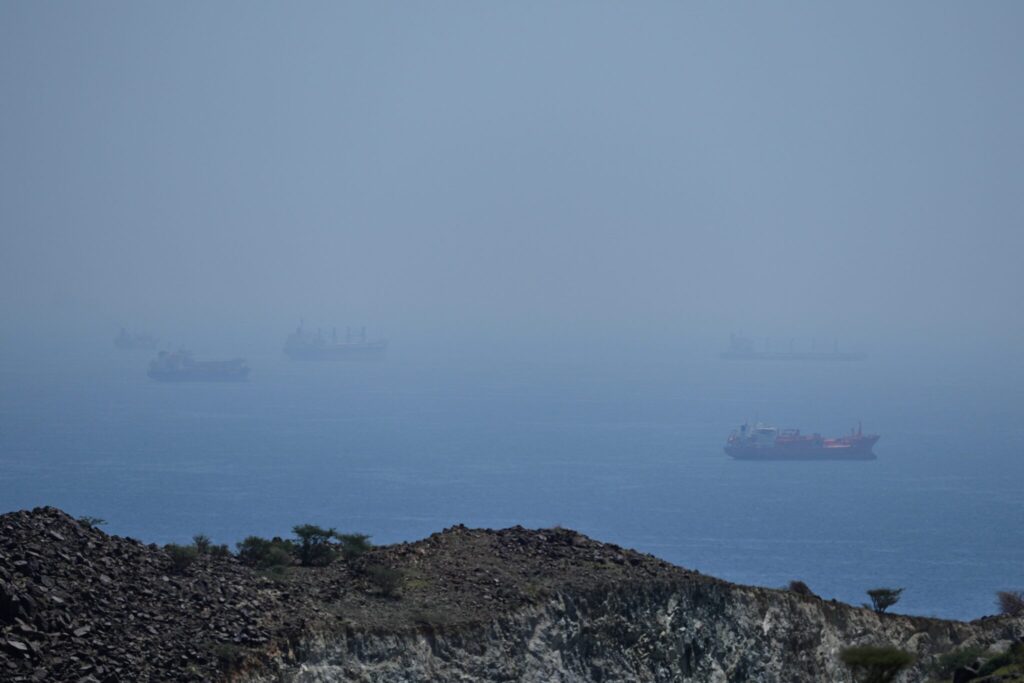
Hundreds of tankers remain backed up near the waterway, while many shipowners remain reluctant to send vessels into the area without stronger security guarantees.
In addition, parts of the region’s energy infrastructure have been damaged during weeks of military operations, which could further delay production and exports.
Insurance premiums for vessels entering the Gulf have also surged, adding another financial burden for global energy suppliers.
This means fuel prices may remain elevated long after diplomatic announcements are made.
Strait of Hormuz Remains the World’s Most Dangerous Energy Flashpoint
The Strait of Hormuz has once again become the center of the global energy market.
Every military movement, political statement, and naval operation in the region now directly impacts economies around the world.
For Iran, restricting the strait offers powerful leverage against U.S. economic pressure.
For Washington, maintaining the blockade is a way to force Tehran back to the negotiating table.
For the rest of the world, the result is rising uncertainty and growing costs.
Unless a durable diplomatic breakthrough is reached soon, oil prices are likely to remain unstable, and the global economy may continue absorbing the consequences of one of the most dangerous geopolitical confrontations in recent history.