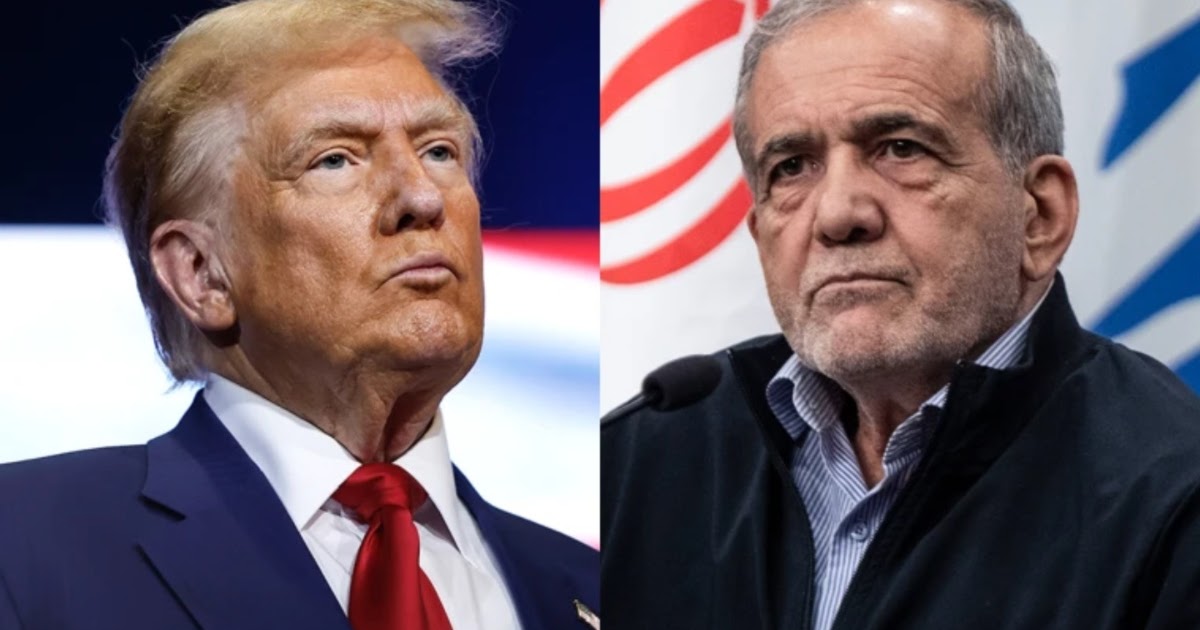
Trump: No Extension to Iran Ceasefire, Pezeshkian: Tehran Will Not ‘Submit to Force’/ Newslooks/ WASHINGTON/ J. Mansour/ Morning Edition/ President Donald Trump said the U.S.-Iran ceasefire will likely end Wednesday evening Washington time and another extension is highly unlikely. Trump warned that if no agreement is reached, he expects fighting to resume immediately. Iranian President Masoud Pezeshkian responded by rejecting U.S. pressure, saying Iran will not “submit to force” and citing deep mistrust of Washington.
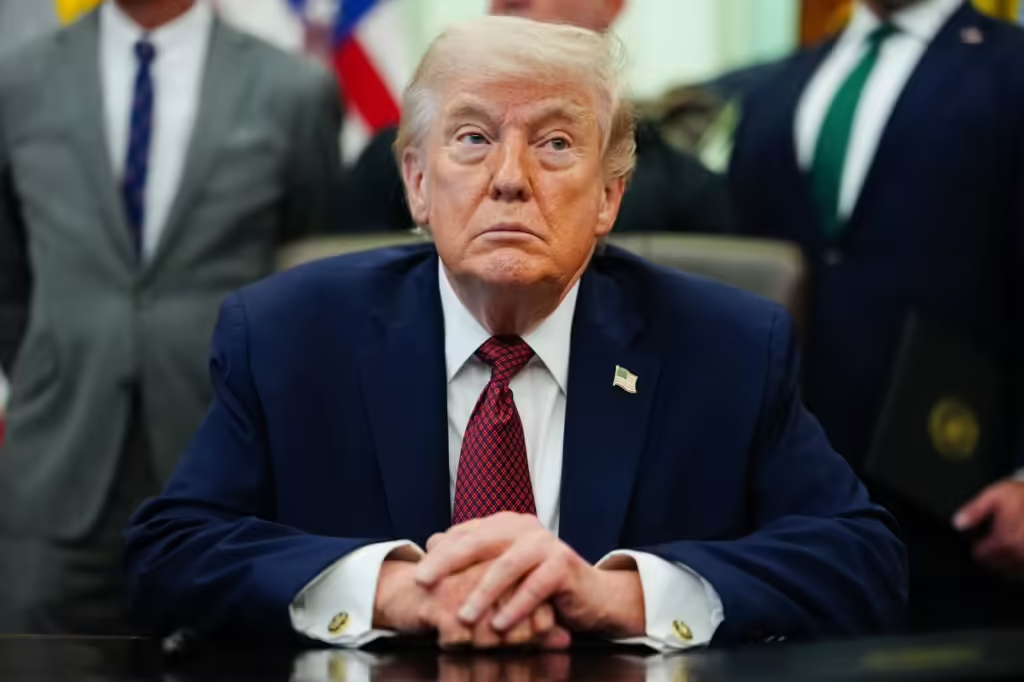
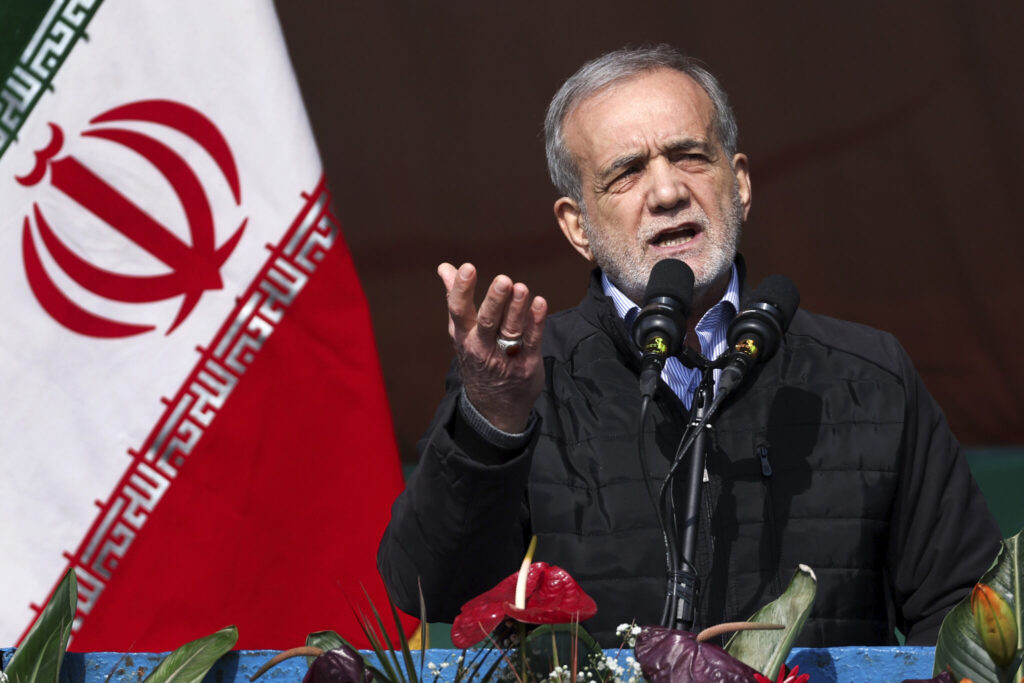
Trump: No Extension to Iran Ceasefire, Pezeshkian: Tehran Will Not ‘Submit to Force’
Quick Looks
- Donald Trump said the ceasefire expires Wednesday evening Washington time
- Trump called another extension “highly unlikely”
- The ceasefire originally began on April 7 and was set for two weeks
- Trump said if no deal is reached, fighting could resume immediately
- Iran’s President Masoud Pezeshkian rejected pressure from Washington
- Pezeshkian said Iran has “deep historical mistrust” of the U.S.
- Tehran accused the U.S. of sending contradictory diplomatic signals
- Tensions remain high as negotiations approach a critical deadline
Deep Look
Trump Signals Ceasefire Deadline Is Approaching Fast
President Donald Trump said Monday that the fragile ceasefire between the United States and Iran will likely expire Wednesday evening Washington time, and he made clear that another extension is unlikely.
Speaking in a phone interview with Bloomberg, Trump said he does not expect to prolong the truce if a diplomatic agreement is not reached before the deadline.
“It’s highly unlikely that I’d extend it,” Trump said.
The ceasefire originally began on April 7 and was designed to last for two weeks, with the original expiration expected Tuesday evening Eastern Time.
Trump’s latest remarks suggest the White House now views Wednesday evening as the final window for diplomacy before the possibility of renewed military conflict.
The timing raises pressure on negotiators as both sides remain deeply divided over key issues involving Iran’s nuclear program, regional security, and military activity in the Strait of Hormuz.
Trump Says No Deal Means Fighting Could Resume
Trump also warned that if negotiations fail, military confrontation could quickly return.
When asked whether he expected fighting to restart immediately if no agreement is reached, he gave a direct answer.
“If there’s no deal, I would certainly expect.”
That statement reinforces growing concerns that the ceasefire may only be a temporary pause in a wider conflict that has already destabilized energy markets and raised fears of broader regional war.
Trump said he would not allow the pressure of deadlines to force a weak agreement.
“I’m not going to be rushed into making a bad deal. We’ve got all the time in the world,” he said.
His position reflects a tougher negotiating stance, signaling that the administration may be willing to accept renewed escalation rather than compromise on major demands.
Trump Previously Gave Mixed Signals on Extensions
Trump’s comments come after several days of mixed messaging about whether he would agree to extend the ceasefire.
During one question-and-answer session with reporters last week, he was asked five separate times whether he would allow more time for negotiations.
He reportedly gave three different answers during that same exchange, creating uncertainty around the White House position.
The latest statement appears to offer the clearest indication yet that the administration is preparing for the possibility that talks could fail.
Markets and foreign governments are watching closely because the outcome could directly affect global oil prices, shipping routes, and military stability across the Middle East.
Iran Rejects U.S. Pressure and Warns Against Force
Iranian President Masoud Pezeshkian responded Monday by sharply criticizing Washington’s approach and rejecting what he described as pressure tactics.
In a post on X, Pezeshkian said Iran maintains “deep historical mistrust” toward the U.S. government and accused American officials of sending contradictory and unhelpful signals.
He said the peace offers being discussed lacked credibility and reflected demands for surrender rather than real diplomacy.
“Honoring commitments is the basis of meaningful dialogue,” Pezeshkian wrote.
He added that “unconstructive and contradictory signals” from U.S. officials “carry a bitter message; they seek Iran’s surrender.”
His strongest message came in a direct rejection of external pressure.
“Iranians do not submit to force,” he said.
The remarks underline how difficult it may be for negotiators to bridge the trust gap between the two governments.
Deep Mistrust Continues to Shape Negotiations
Pezeshkian’s statement highlights one of the biggest obstacles in the talks: Iran’s longstanding distrust of U.S. intentions.
Tehran has repeatedly argued that previous diplomatic efforts were undermined by military action, sanctions, and shifting American positions.
Iranian leaders believe Washington has used negotiations as leverage rather than as a path to stable agreements.
That history continues to shape the current ceasefire discussions.
The Iranian president’s comments suggest Tehran sees the latest U.S. messaging not as compromise, but as an attempt to force unilateral concessions.
This makes progress more difficult, especially as the deadline approaches and military tensions remain high.
Final Hours Could Shape the Next Phase of Conflict
With only a short time left before the ceasefire expires, both Washington and Tehran face major decisions.
A successful agreement could prevent renewed fighting, stabilize oil markets, and reduce the risk of broader regional conflict.
Failure, however, could send both sides back toward direct confrontation.
The situation remains especially sensitive because tensions in the Strait of Hormuz, attacks on shipping, and pressure on regional allies continue adding urgency to the diplomatic process.
Whether diplomacy survives the week may determine the next chapter of one of the world’s most dangerous geopolitical standoffs.