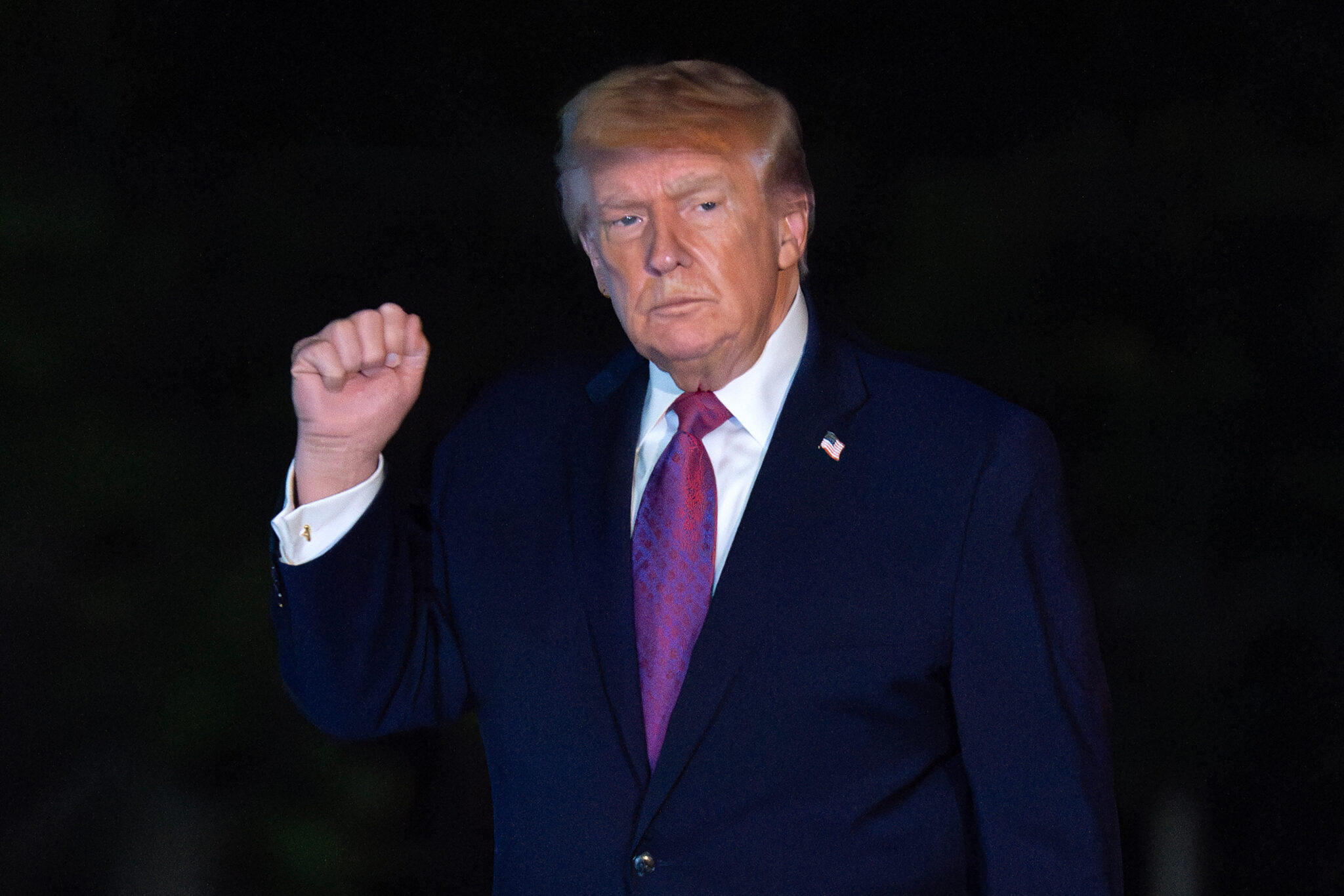
Trump Signs Bill Extending Surveillance Powers Until April 30/ Newslooks/ WASHINGTON/ J. Mansour/ Morning Edition/ President Donald Trump signed a short-term bill extending Section 702 surveillance powers until April 30, avoiding the immediate expiration of the controversial intelligence authority. The temporary renewal sets up another major congressional battle over privacy protections and national security concerns. Critics continue pushing for warrant requirements before agencies can access Americans’ communications collected under the program.
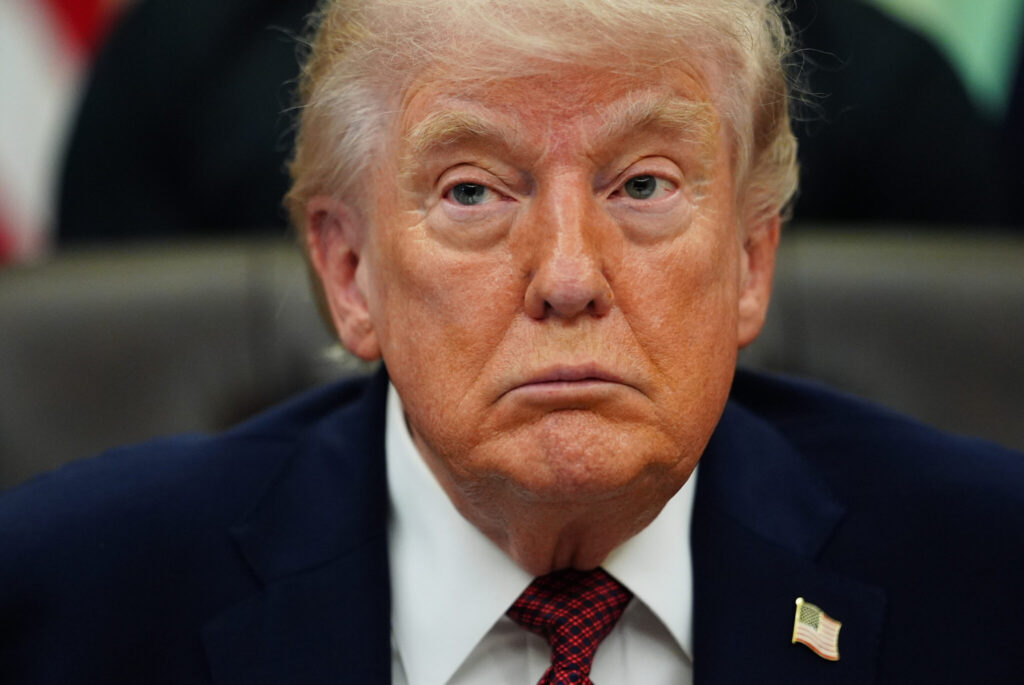
Trump Section 702 Extension Quick Looks
- Trump signed a short-term extension for Section 702 surveillance powers
- The authority now runs until April 30
- Senate approved the bill Friday in a last-minute vote
- Section 702 allows intelligence agencies to monitor overseas communications
- Americans’ communications can be collected incidentally without warrants
- Trump and GOP leaders wanted a clean 18-month renewal
- House Republicans proposed a five-year extension with revisions
- Privacy advocates want stronger warrant protections for Americans
Deep Look
Trump Signs Temporary Section 702 Extension
President Donald Trump signed legislation Saturday extending one of the federal government’s most controversial surveillance authorities, giving Congress until April 30 to decide its long-term future.
The short-term bill prevents the immediate expiration of Section 702 of the Foreign Intelligence Surveillance Act, commonly known as FISA, while setting up another political battle between national security hawks and civil liberties advocates.
Trump signed the bill without making any immediate public comments.
The authority had been scheduled to expire Monday, creating urgency for lawmakers who rushed to approve a temporary fix before the deadline.
The Senate passed the bill Friday after a last-minute scramble, following days of disagreement between Republicans in both chambers over how long the program should be extended and what reforms should be included.
What Section 702 Allows
At the center of the debate is Section 702 of FISA, a powerful intelligence tool used by agencies including the Central Intelligence Agency, National Security Agency, and Federal Bureau of Investigation.
The law allows intelligence agencies to collect and review large amounts of overseas communications without first obtaining a warrant.
Officials argue the authority is critical for tracking foreign threats, terrorism, cyberattacks, and international espionage.
However, because Americans often communicate with foreign individuals who may be under surveillance, U.S. citizens’ emails, text messages, and phone calls can also be collected incidentally during the process.
That has made Section 702 one of the most politically sensitive surveillance programs in Washington.
Supporters call it essential for national security.
Critics argue it opens the door to warrantless government access to private communications involving Americans.
Trump and GOP Leaders Wanted Longer Renewal
Trump and Republican congressional leaders had been pushing for what they described as a “clean” 18-month extension of the program without major reforms.
They argued that intelligence agencies should not face operational uncertainty while dealing with growing international threats involving Iran, China, Russia, and terrorism concerns.
Many Republicans framed the renewal as a direct national security issue rather than a privacy debate.
However, House Republicans faced strong resistance from members concerned about government overreach and abuse of surveillance powers.
To address that pushback, House leaders introduced a separate five-year extension that included revisions aimed at winning over skeptical conservatives.
That proposal also failed to gain enough support.
With both longer-term bills collapsing, congressional leaders shifted to the temporary stopgap measure Trump signed Saturday.
Privacy Advocates Push for Warrant Rules
Critics of Section 702 say the core issue is the lack of a warrant requirement when agencies search communications involving Americans.
Civil liberties groups and several lawmakers from both parties want stronger restrictions before federal authorities can access stored emails, phone records, and private messages gathered under foreign surveillance programs.
They argue that constitutional protections should apply even when information is collected indirectly.
One of the biggest reform demands is requiring a judge-approved warrant before law enforcement agencies can search U.S. citizens’ communications.
Supporters of reform say Americans should not lose Fourth Amendment protections simply because they communicated with someone overseas.
This issue has turned Section 702 into a recurring flashpoint in Congress, with lawmakers divided between security priorities and privacy protections.
Another Congressional Showdown Ahead
The April 30 deadline now guarantees another major confrontation on Capitol Hill.
Republican leaders must decide whether to pursue a longer clean extension again, accept reform demands, or negotiate a compromise that can survive both House and Senate votes.
Democrats and privacy-focused Republicans are expected to continue pressing for warrant requirements and stronger oversight mechanisms.
Meanwhile, intelligence officials are warning that any lapse in Section 702 authority could weaken U.S. national security operations.
The short-term extension delays the fight, but it does not resolve it.
Instead, it creates a narrow window for lawmakers to decide how much surveillance power federal agencies should have—and how much privacy protection Americans deserve.
With Trump backing renewal and critics demanding reform, Section 702 is once again becoming one of Washington’s most contentious national security debates.