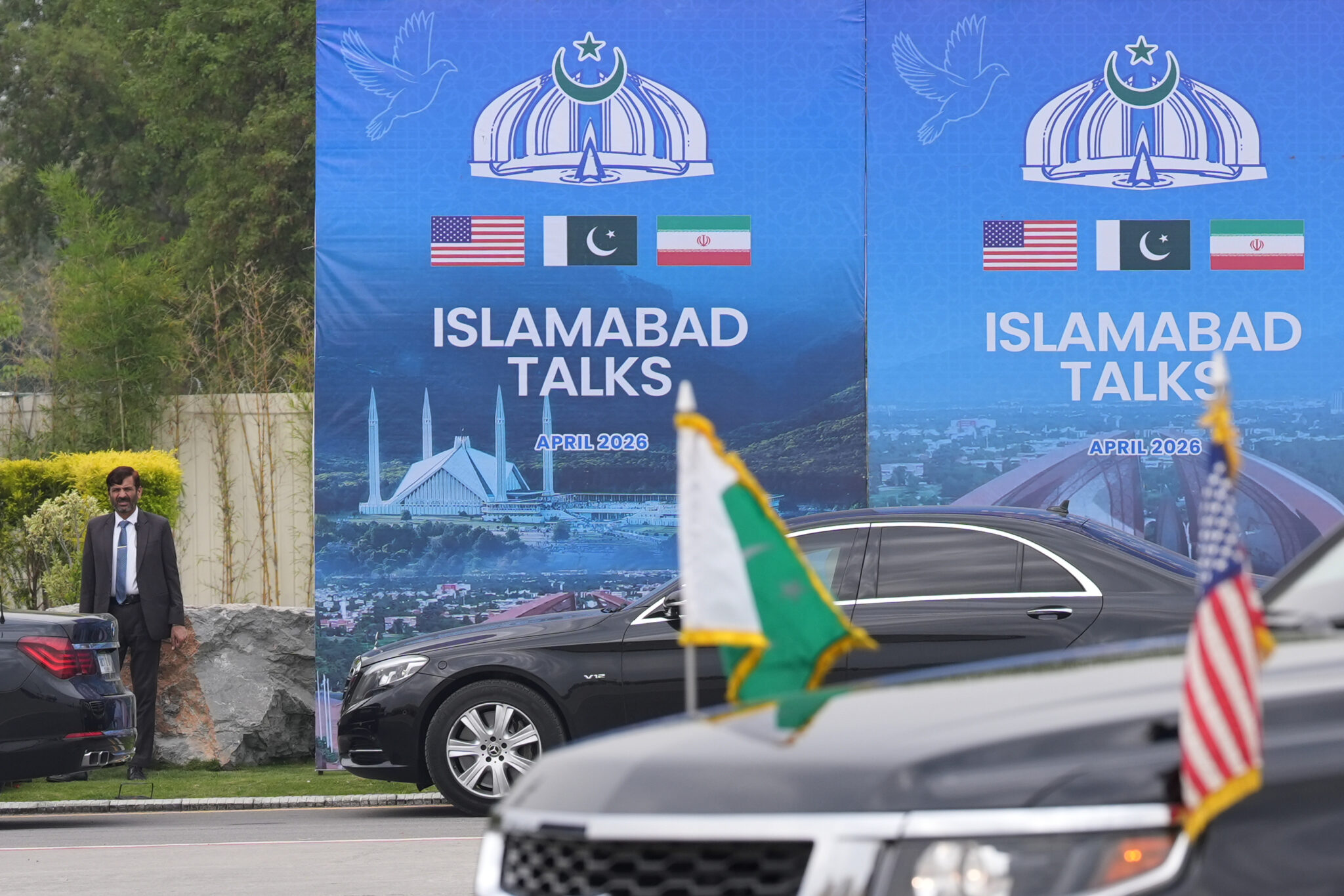
US-Iran Ceasefire Talks Uncertain as Truce Deadline Nears/ Newslooks/ WASHINGTON/ J. Mansour/ Morning Edition/ Last-minute ceasefire talks between the United States and Iran remained uncertain Tuesday as their fragile two-week truce approached expiration and both sides warned they were ready to resume fighting. Vice President JD Vance remained in Washington while Pakistan said it was still waiting for Iran to confirm participation in talks planned for Islamabad. At the same time, U.S. naval actions, rising oil prices, and tensions over the Strait of Hormuz continued raising pressure on already fragile negotiations.
US-Iran Ceasefire Talks Uncertain as Truce Deadline Nears Quick Looks
- The U.S.-Iran ceasefire expires Wednesday evening
- JD Vance remained in Washington despite expected Pakistan talks
- Pakistan says Iran has not formally confirmed attendance
- President Donald Trump said he does not favor extending the truce
- Iran warned it has “new cards on the battlefield”
- The U.S. boarded the sanctioned tanker M/T Tifani in the Indian Ocean
- Strait of Hormuz access remains the biggest negotiation issue
- Brent crude stayed near $95 per barrel amid shipping concerns
Deep Look
Final Hours of US-Iran Ceasefire Filled With Uncertainty
The fragile ceasefire between the United States and Iran entered its final hours Tuesday with uncertainty growing over whether new peace talks in Pakistan would even happen.
The two-week truce, which began on April 8, is scheduled to expire Wednesday evening Washington time.
Without a diplomatic breakthrough, both Washington and Tehran have signaled they are prepared for fighting to resume.
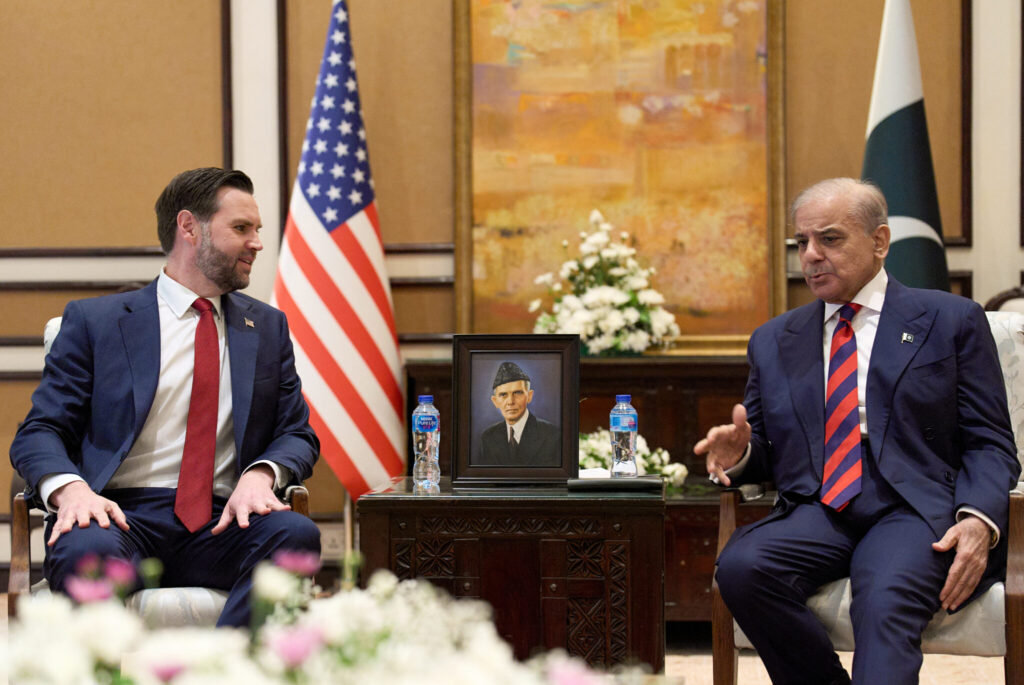
Vice President JD Vance, who was expected to lead the American delegation in Islamabad, remained in Washington on Tuesday instead of traveling to Pakistan.
A White House official confirmed that Vance still had policy meetings scheduled for Wednesday morning, raising new questions about whether negotiations would happen on time.
At the same time, Pakistan said it was still waiting for formal confirmation from Iran about whether Tehran would participate.
That uncertainty has cast doubt over what could be the most important U.S.-Iran negotiations since the 1979 Islamic Revolution.
Pakistan Awaits Iran Confirmation for Islamabad Talks
Earlier Tuesday, two regional officials said both sides had signaled readiness for a second round of ceasefire talks in Islamabad.
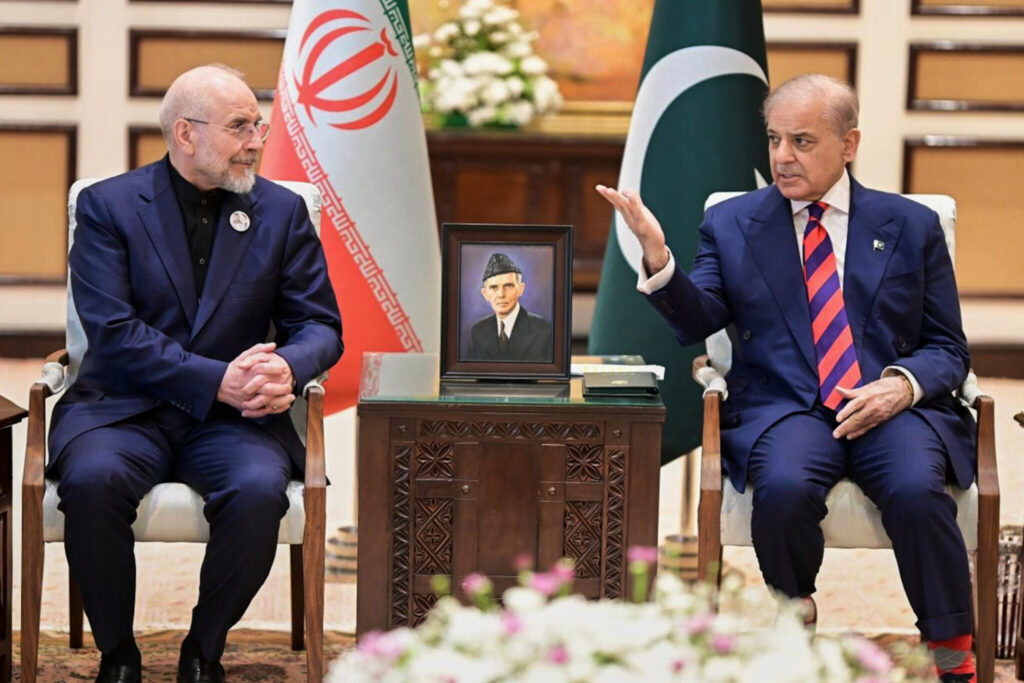
Those officials said Vance would lead the U.S. team while Iranian parliament speaker Mohammad Bagher Qalibaf would serve as Tehran’s top negotiator.
However, later in the day, Pakistan’s information minister Attaullah Tarar said on X that Iran had not formally confirmed participation.
Iranian Foreign Ministry spokesman Esmail Baghaei added that there had been “no final decision” because of what he described as “unacceptable actions from the American counterpart.”
Iranian state television also broadcast a message saying that “no delegation from Iran has visited Islamabad … so far.”
The mixed messaging reflects internal divisions inside Tehran and shows how unstable the diplomatic process remains.
Trump Signals Little Interest in Extending the Truce
President Donald Trump made clear Tuesday that he does not want to extend the ceasefire if negotiations fail.
Trump has repeatedly warned that “lots of bombs” will “start going off” if there is no agreement before the deadline.
Speaking to CNBC, he said:
“Well, I don’t want to do that.”
“We don’t have that much time,” Trump said, adding that Iran “had a choice” and “they have to negotiate.”
While White House officials said the ceasefire could technically be extended if talks resume, Trump’s public comments suggest patience is running out.
His position adds major pressure to negotiators trying to prevent another round of military escalation.
US Boards Sanctioned Oil Tanker as Tensions Rise
At the same time diplomacy is struggling, military tensions are increasing.
On Tuesday, the Pentagon confirmed that U.S. forces boarded the oil tanker M/T Tifani, a vessel previously sanctioned for smuggling Iranian crude oil.
The Pentagon said the operation happened “without incident” and described it as part of its broader maritime enforcement campaign.
Although officials did not specify the exact location, ship-tracking data showed the vessel in the Indian Ocean between Sri Lanka and Indonesia.
The Pentagon added that “international waters are not a refuge for sanctioned vessels.”
This followed Sunday’s seizure of an Iranian container ship, the first interception under the current U.S. blockade of Iranian ports.
Iran’s joint military command called the action piracy and said it violated the ceasefire.
Strait of Hormuz Remains the Biggest Obstacle
At the center of the negotiations is the Strait of Hormuz, one of the world’s most critical energy shipping routes.
Roughly 20% of the world’s crude oil and natural gas moves through the narrow waterway during normal times.
The U.S. blockade was designed to pressure Iran into ending what Washington calls Tehran’s control over the route.
Before the war began, shipping moved freely through the strait.
Now, restrictions and military threats have pushed global oil prices sharply higher.
Brent crude, the international standard, was trading near $95 per barrel Tuesday—more than 30% above its level before the war began on February 28.
Trump has demanded that international vessels again be allowed to move without interference.
Iran, however, sees control of the strait as one of its strongest negotiating tools.
Europe and Global Markets Feel the Pressure
The Strait of Hormuz crisis is creating major economic concerns far beyond the Middle East.
European Union transportation ministers met Tuesday in Brussels after the head of the International Energy Agency warned Europe may have only six weeks of jet fuel supplies remaining.
That warning raised alarm across airlines, freight companies, and governments dependent on stable Gulf energy supplies.
China has also remained closely involved through diplomatic contacts with Pakistan and Iran.
Pakistan Foreign Minister Ishaq Dar met both the acting U.S. ambassador and China’s ambassador in Islamabad Tuesday while pushing for a ceasefire extension.
Security was also tightened across Pakistan’s capital, with thousands of additional personnel deployed and patrols increased around airport and diplomatic routes.
Officials are preparing for talks even while uncertainty continues.
Iran Says It Will Not Negotiate Under Threats
Qalibaf accused Washington of trying to force Tehran into surrender.
“We do not accept negotiations under the shadow of threats,” he wrote in a post on X.
Iran’s chief negotiator also warned that Tehran has “new cards on the battlefield” that have not yet been revealed.
Those comments suggest Iran wants to enter any talks from a position of strength rather than under pressure from Trump’s military warnings.
Previous negotiations broke down over disputes involving Iran’s nuclear enrichment program, its regional proxy forces, and full access to the Strait of Hormuz.
Those same issues remain unresolved today.
That means even if talks happen, a quick breakthrough remains far from guaranteed.
Israel-Lebanon Talks Add Another Layer to Regional Diplomacy
At the same time, separate diplomacy continues elsewhere in the region.
Israel and Lebanon are preparing for a second round of direct talks in Washington on Thursday after their first ambassador-level meeting last week—the first such diplomatic engagement in decades.
Israel says the talks are focused on disarming Hezbollah and eventually reaching a peace agreement with Lebanon.
A separate 10-day ceasefire began Friday in Lebanon after fighting between Israeli forces and Iranian-backed Hezbollah militants.
Since the broader war began, more than 3,375 people have been killed in Iran, 23 in Israel, and over a dozen in Gulf Arab states.
Fifteen Israeli soldiers and 13 U.S. service members across the region have also been killed.
The stakes for diplomacy remain enormous.
Final Decision May Come Within Hours
The next 24 hours could determine whether the region moves toward de-escalation or another dangerous phase of war.
If Iran confirms talks and negotiators reach even a temporary agreement, oil prices could stabilize and military tensions may ease.
If talks collapse and the ceasefire ends, both sides appear ready for rapid escalation.
For global markets, energy security, and millions of civilians across the region, the countdown to Wednesday may be the most important deadline of the year.